Bootstrap
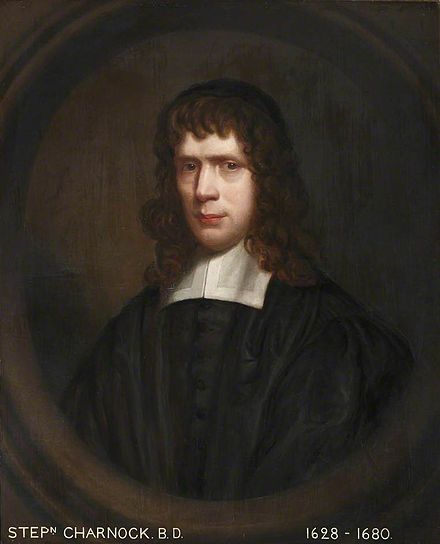
Stephen Charnock

The Existance of God

Stephen Charnock 1 min read
#The Glory of God #Biblical Authority
7 Articles 1 Sermon 16 Books
0 Comments
Stephen Charnock
Stephen Charnock 1 min read
7 articles 1 sermons 16 books
What does the Bible say about the existence of God?

The Bible affirms God's existence as the Creator and Sovereign, foundational to all religion.

The existence of God is paramount in Scripture, with Moses beginning the narrative by acknowledging God as the Author of creation before addressing the promise of redemption. This sets a framework where acknowledging God as Creator is essential for understanding His role as mediator and Redeemer. Paul reinforces this in Acts 17:24, emphasizing that God is not only the creator but also the sustainer of all things, underscoring the necessity of recognizing God's sovereign authority in our lives.

Genesis 1:1, Acts 17:24

What does the Bible say about the existence of God?

The Bible affirms God's existence as foundational to all creation and redemption narratives.

Throughout Scripture, the existence of God is presented as the cornerstone of faith and life. Moses starts his writings by declaring God as the Creator, establishing a direct relationship between God's creative power and the overarching narrative of redemption. In Acts 17:24, Paul emphasizes God as creator when proclaiming the gospel, ensuring that the concept of God’s sovereignty over all creation is firmly established before discussing Christ as the mediator. This imperative underscores the belief that understanding God's existence is essential to grasping the fullness of the gospel and His plan for humanity.

Acts 17:24, Genesis 1:1

How do we know God's existence is true?

We know God's existence is true through His creation and the inherent truths revealed in Scripture.

The truth of God's existence is evident through His creation, as Romans 1:20 states that God's invisible attributes are clearly seen in what has been made. This natural revelation invites humanity to recognize and acknowledge the Creator. Additionally, the Scriptures are replete with affirmations of God's existence and His relationship with humanity, serving as a dual witness alongside creation. The preaching of the apostles, especially Paul, rooted the understanding of God's existence in both observable reality and divine revelation, encouraging us to submit to God's sovereignty rather than elevate man above Him.

Romans 1:20, Psalm 19:1

How do we know God's existence is true?

God's existence is known through creation, revelation, and the testimony of Scripture.

We can know that God exists through both natural revelation and special revelation. Natural revelation is evident in the world around us—creation itself speaks to God's grandeur, as noted in Romans 1:20, where Paul indicates that God's attributes are clearly seen in what has been made. Additionally, special revelation through Scripture provides definitive proof of God’s existence and His character, particularly through narratives portraying His actions and promises. The unified testimony of Scripture from Genesis to Revelation articulates clearly the foundational nature of God's reality, showing that faith in God stems not solely from human reasoning but from divine disclosure and the relational knowledge offered through His Word.

Romans 1:20, Hebrews 1:1-2

Why is acknowledging God's sovereignty important for Christians?

Acknowledging God's sovereignty is essential as it establishes our proper relationship with Him as Creator and Lord.

Acknowledging God's sovereignty is crucial for every Christian, as it defines our identity in relation to our Creator. Sin disrupts this relationship by attempting to elevate man above God, reversing the intended order of creation. By recognizing God's sovereignty, we affirm His rightful place as Lord over our lives, which in turn leads to true humility and dependence on Him. This acknowledgment nurtures a restful trust in God's plans and providential care, revealing the transformative power of grace as we surrender to His will. A proper understanding of God's sovereignty keeps us grounded in faith and in service to others.

Isaiah 45:5-7, Romans 12:1-2

Why is the concept of God's sovereignty important for Christians?

God's sovereignty assures Christians of His control and ultimate purpose in all things.

The doctrine of God's sovereignty is crucial for Christians as it provides a vital understanding of His power and control over creation and history. This sovereignty means that God is not only the Creator but also actively involved in the governance of all events, ensuring that His divine purpose is fulfilled. In a world often filled with chaos and suffering, recognizing God as sovereign brings comfort and assurance that nothing happens outside of His will. Furthermore, this understanding invites believers into a deeper submission to God, acknowledging that, despite sin's attempt to unseat God from His throne, He remains the ultimate authority, directing all things towards His glory (Romans 8:28-30). Thus, God's sovereignty is both a source of comfort and a call to action in faith.

Romans 8:28-30, Ephesians 1:11

     The existence of God is the foundation of all religion. Moses begins with the Author of creation, before he treats of the promise of redemption. Paul preached God as creator (Acts 17:24) before he preached Christ as mediator...The devil directs his fiercest batteries against those doctrines in the Word, and those graces in the heart, which most exalt God and bring men to the lowest subjection to their Creator...Sin unlinks the dependence between God the Sovereign and man the subject. Sin endeavors to subject God to the wills of men. God is deposed, and man is enthroned; God made a slave, and man a sovereign above Him.

Comments

0 / 2000 characters
Comments are moderated before appearing.

Be the first to comment!

Joshua

Joshua

Shall we play a game? Ask me about articles, sermons, or theology from our library. I can also help you navigate the site.