Questions Answered in This Article
What does the Bible say about God's sovereignty?
The Bible teaches that God is sovereign and exercises His will in all things, choosing whom to have mercy upon (Romans 9:15).
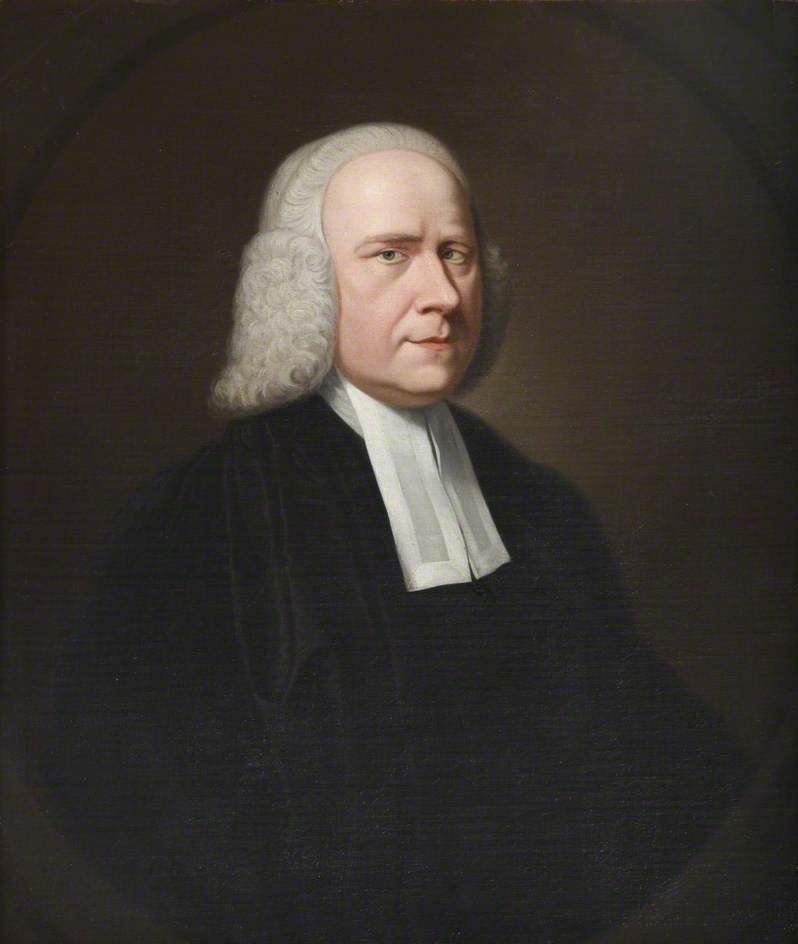
Additionally, passages such as Psalm 115:3 highlight that 'Our God is in the heavens; he does all that he pleases.' This suggests that while humans exercise free will within the confines of their nature, God's sovereign plan governs the outcomes of every event in history. Adoring the depth of His sovereignty, as discussed by George Whitefield, leads believers to a proper understanding of their own salvation and God's electing grace.
How do we know God's mercy is selective?
Scripture reveals that God's mercy is selective, as demonstrated in Romans 9:15-18, where He chooses whom to harden and whom to save.
The importance of grasping this doctrine is monumental; it leads believers to a humbler appreciation for their salvation, recognizing it as entirely by grace. Whitefield's insights encourage us to contemplate the profound depth of God's decisions, which often elude human understanding, urging us to worship Him for His merciful yet enigmatic ways.
Why is it important for Christians to understand the voice of the Son of God?
Understanding the voice of the Son of God is crucial for Christians as it differentiates between mere hearing and transformative listening, leading to salvation (John 10:27).
The importance of this understanding cannot be understated. It sets apart those who are merely religious from those who are truly regenerated. The ability to discern Christ’s voice is rooted in the work of the Holy Spirit, which is sovereign in its operation. Believers are called to seek this true hearing that not only hears the sermon but responds in faith, leading to assurance of salvation and a vibrant relationship with God. Whitefield’s reflections encourage Christians to aspire for that profound encounter with Christ's voice.
God is a sovereign agent; his sacred Spirit bloweth when and where it listeth; “he will have mercy on whom he will have mercy.” Saul is taken, but, as far as we know to the contrary, his fellow-travelers are left to perish in their sins. They heard a voice, a confused noise, but not the articulate voice of him that spake to Saul, and therefore remained unconverted. Thus it is now under the word preached: many, like Saul’s companions, are sometimes so struck with the outgoings of God appearing in the sanctuary, that they even stand speechless; they hear the preacher’s voice, but not the voice of the Son of God, who, perhaps, at the same time is speaking effectually to many other hearts; this I have known often; and what shall we say to these things?
O the depth of the sovereignty of God! It is past finding out. Lord, I desire to adore what I cannot comprehend. “Even so, Father, for so it seemeth good in thy sight!”
Comments
Your comment has been submitted and is awaiting moderation. Once approved, it will appear on this page.
Be the first to comment!