Summary
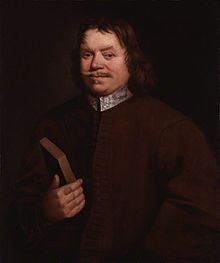
John Bunyan expounds the doctrine of substitutionary atonement, arguing that God's justice requires either the removal or transfer of human sin; since God cannot justly overlook transgression, Christ must assume human iniquity as His own to satisfy divine justice and secure our justification. Through this legal and loving substitution, believers' salvation depends entirely on Christ's life and resurrection, encapsulated in the Reformed principle that we live if He lives. The passage emphasizes that God's holiness necessitates this vicarious satisfaction, making Christ's assumption of our sin the sole basis of our deliverance from death.
If God hides our sin or lessens it, He is faulty; if He leaves it still upon us, we die. He must then take our iniquity to Himself, make it His own, and so deliver us; for thus having taken the sin upon Himself, as lawfully He may and lovingly He does, it follows that we live if He lives; and who can desire more?
Comments
Your comment has been submitted and is awaiting moderation. Once approved, it will appear on this page.
Be the first to comment!