Questions Answered in This Article
What does the Bible say about conversion?
The Bible teaches that conversion is a supernatural work of grace, not achievable through our own strength.
In Ephesians 2:1-5, Paul explains that we were dead in our trespasses and sins, and it is only by God's mercy and grace that we are made alive in Christ. This reinforces the view that conversion is not merely a change of mind or moral behavior, but a complete regeneration that only God can initiate and complete. The transformation required is beyond the reach of human will, highlighting our total dependence on divine grace for true conversion.
Matthew 12:33-34, Ephesians 2:1-5
How do we know grace is true?
Grace is affirmed in Scripture as the means by which God saves us, independent of human efforts.
Moreover, the biblical teaching on grace reveals the inadequacy of human nature in achieving righteousness. Romans 3:23 declares that all have sinned and fall short of the glory of God, reaffirming our need for divine grace to reconcile us to Him. The evidence of grace in the lives of believers, their transformed hearts and lives, serves as a testament to its reality and necessity, reinforcing the doctrine that indeed grace is true and powerful in effecting change.
Ephesians 2:8-9, Romans 3:23
Why is the doctrine of total depravity important for Christians?
Total depravity emphasizes our complete inability to seek God without divine intervention.
It also helps Christians recognize the gravity of sin, leading to a deeper appreciation for the salvific work of Christ. When we comprehend that our nature is corrupt and that we cannot save ourselves, it redirects our focus to Christ’s atoning sacrifice. Romans 5:6 states that Christ died for the ungodly, highlighting the necessity of His intervention in our lives. Thus, acknowledging total depravity reinforces the power and necessity of grace in the gospel, serving as a safeguard against self-sufficiency and pride.
Romans 5:6
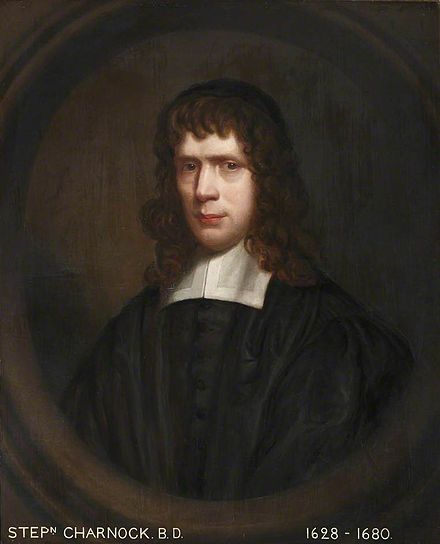
The insufficiency of nature to such a work as conversion is, shows that men may not fall down and idolize their own wit and power. A change from acts of sin to moral duties may be done by a natural strength and the power of natural conscience: for the very same motives which led to sin, as education, interest, profit, may, upon a change of circumstances, guide men to an outward morality; but a change to the contrary grace is supernatural.
Nothing can act beyond its own principle and nature. Nothing in the world can raise itself to a higher rank of being than that which nature has placed it in; a spark cannot make itself a star, though it mount a little up to heaven; nor a plant endue itself with sense, nor a beast adorn itself with reason; nor a man make himself an angel. Thorns cannot bring forth grapes, nor thistles produce figs because such fruits are above the nature of those plants. So neither can our corrupt nature bring forth grace, which is a fruit above it. Effectus non excedit virtutem suae causae [the effect cannot exceed the power of its cause]: grace is more excellent than nature, therefore cannot be the fruit of nature. It is Christ's conclusion, "How can you, being evil, speak good things?" Matt. 12:33, 34. Not so much as the buds and blossoms of words, much less the fruit of actions. They can no more change their natures, than a viper can do away with his poison. Now though this I have said be true, yet there is nothing man does more affect in the world than a self-sufficiency, and an independence from any other power but his own. This attitude is as much riveted in his nature, as any other false principle whatsoever. For man does derive it from his first parents, as the prime legacy bequeathed to his nature: for it was the first thing uncovered in man at his fall; he would be as God, independent from him. Now God, to cross this principle, allows his elect, like Lazarus, to lie in the grave till they stink, that there may be no excuse to ascribe their resurrection to their own power. If a putrefied rotten carcass should be brought to life, it could never be thought that it inspired itself with that active principle. God lets men run on so far in sin, that they do unman themselves, that he may proclaim to all the world, that we are unable to do anything of ourselves towards our recovery, without a superior principle
Comments
Your comment has been submitted and is awaiting moderation. Once approved, it will appear on this page.
Be the first to comment!