Bootstrap
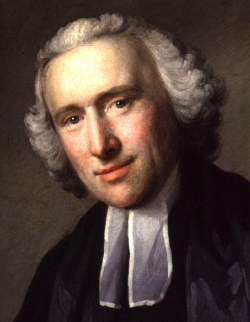
William Romaine

The Gospel

William Romaine 2 min read
#Soteriology #Justification #Covenant Theology
9 Articles 1 Sermon
0 Comments
William Romaine
William Romaine 2 min read
9 articles 1 sermons
What does the Bible say about salvation through Christ?

The Bible teaches that salvation is through faith in Christ, who was made flesh and suffered for our sins.

Salvation is intricately woven into the fabric of the Gospel, which reveals God's covenant of grace. In this covenant, the Father, desiring to glorify His law and justice, sent His Son, Jesus Christ, who is both fully God and fully man, to act as the representative for His people. Romans 3:10 states that 'none is righteous, no, not one,' highlighting humanity's need for a Savior. Through Christ's obedience and sacrificial death, He secured the righteousness necessary for believers to have eternal life. Thus, according to Romans 3:26, God can be both just and the justifier of those who have faith in Jesus.

Romans 3:10, Romans 3:26

How do we know the covenant of grace is true?

The covenant of grace is affirmed through Scripture and the historical fulfillment in Christ's life and work.

The truth of the covenant of grace is substantiated by its clear articulation in Scripture, which reveals God's redemptive plan for His creation. From the Old Testament prophecies to their fulfillment in the New Testament, God demonstrates His faithfulness to His promises. The culmination of this covenant is found in Jesus Christ, who, as outlined in the article, lived and died as the representative of His people. The entirety of God's plan glorifies His attributes while providing a means for sinners to be reconciled to Him, as seen in passages like Ephesians 1:4-5. These Scriptural truths assure believers of the covenant's validity and its impact on salvation.

Ephesians 1:4-5

Why is the righteousness of Christ important for Christians?

Christ's righteousness is essential because it is the basis for our justification before God.

The righteousness of Christ is paramount for Christians as it directly relates to our justification. Without His perfect obedience, no individual could stand before the law of God, which demands absolute righteousness. Romans 5:19 points out that through the obedience of one man, many will be made righteous. Christ, as the Head and Surety of His people, perfectly fulfills the law's demands on their behalf. This imputed righteousness allows believers to be declared just before God, ensuring their acceptance and eternal life in His presence. The significance of Christ’s righteousness highlights the lavish grace believers receive, emphasizing that salvation is entirely a work of God and not based on human merit.

Romans 5:19

    The Gospel, in the power of the Holy Spirit, uncovers unto a sinner the way of salvation contrived in the covenant of grace, and manifests to him what the ever blessed Trinity had therein purposed, and what in the fullness of time was accomplished. That all the perfections of the Godhead might be infinitely and everlastingly glorified, the Father covenanted to gain honour and dignity, to His law and justice, to His faithfulness and holiness, by insisting upon man's appearing at His bar in the perfect righteousness of the law. But man having no such righteousness of his own, all having sinned, and there being none righteous, no, not one; how can he be saved? The Lord Christ, a Person in the Godhead co-equal and co-eternal with the Father, undertook to be his Saviour. He covenanted to stand up as the Head and Surety of His people in their nature and in their stead, to obey for them, that by His everlastingly meritorious stripes they might be healed. Accordingly, in the fullness of time He came into the world, and was made flesh, and God and man being as truly united in one Person lived, and suffered, and died, as the representative of His people. The righteousness of His life was to be their right and title to life, and the righteousness of His sufferings and death was to save them from all the sufferings due to their sins. And thus the law and justice of the Father would be glorified in pardoning them, and his faithfulness and holiness made honourable in saving them. He might be strictly just, and yet the justifier of him who believeth in Jesus.

Comments

0 / 2000 characters
Comments are moderated before appearing.

Be the first to comment!

Joshua

Joshua

Shall we play a game? Ask me about articles, sermons, or theology from our library. I can also help you navigate the site.