Elias Keach, the wayward son of Puritan minister Benjamin Keach, experienced dramatic conversion in 1686 when seized by conviction of hypocrisy mid-sermon in Philadelphia, leading him to confess his fraud and surrender to God's mercy. Baptized by Elder Thomas Dugan at Cold Springs Church and subsequently ordained, Keach became instrumental in establishing Baptist churches throughout Pennsylvania and New Jersey, founding the Lower Dublin Baptist Church in 1688 which became the mother church of the Philadelphia Baptist Association, the oldest Baptist association in America. Though his ministry was marked by controversy over ecclesiastical practices such as laying on of hands and predestination, Keach's evangelistic labors resulted in numerous conversions before his early death in 1701, demonstrating the transformative power of genuine conversion and the fruit of faithful Gospel proclamation.
What does the Bible say about repentance?
The Bible emphasizes repentance as a crucial aspect of turning away from sin and toward God, reflecting genuine faith.
Moreover, repentance is intimately tied to faith in Christ. In a biblically informed view, true repentance manifests as an acknowledgment of one's sinfulness and an earnest plea for God's pardon. This transformative experience is illustrated in the story of Elias Keach, who, upon realizing the enormity of his hypocrisy, confessed his sins and turned to God. His journey signifies that genuine repentance often leads to a renewed life dedicated to preaching the Gospel and serving others—a crucial aspect of the Christian faith.
Acts 3:19
How do we know the Gospel is true?
The truth of the Gospel is affirmed through historical events, fulfilled prophecies, transformed lives, and the testimony of Scripture.
Additionally, the genuine experiences of individuals like Elias Keach further bolster the claim of the Gospel’s truth. His dramatic transformation from a rebellious son wanting to escape his father's influence to a devoted minister of the Gospel illustrates the dynamic and life-changing impact of the message he preached. This personal testimony, among countless others, acts as a compelling affirmation of the validity and truth of the Christian Gospel, which continues to resonate and bear fruit today.
1 Corinthians 15:3-4
Why is preaching important for Christians?
Preaching is vital for Christians as it communicates the Word of God, encourages faith, and drives the mission of the church.
Elias Keach’s ministry exemplifies the power of preaching; motivated by his own transformative experience, he preached with great zeal and effectiveness, leading many to faith and baptism. His life illustrates that preaching is not merely about delivering messages but about proclaiming the very heart of the Gospel, challenging and encouraging congregations to grow in their faith. Furthermore, preaching also plays a crucial role in mission work, equipping believers to spread the message of Jesus Christ, as demonstrated by Keach's travels and establishment of churches that continue to reflect the mission of the gospel.
Romans 10:14
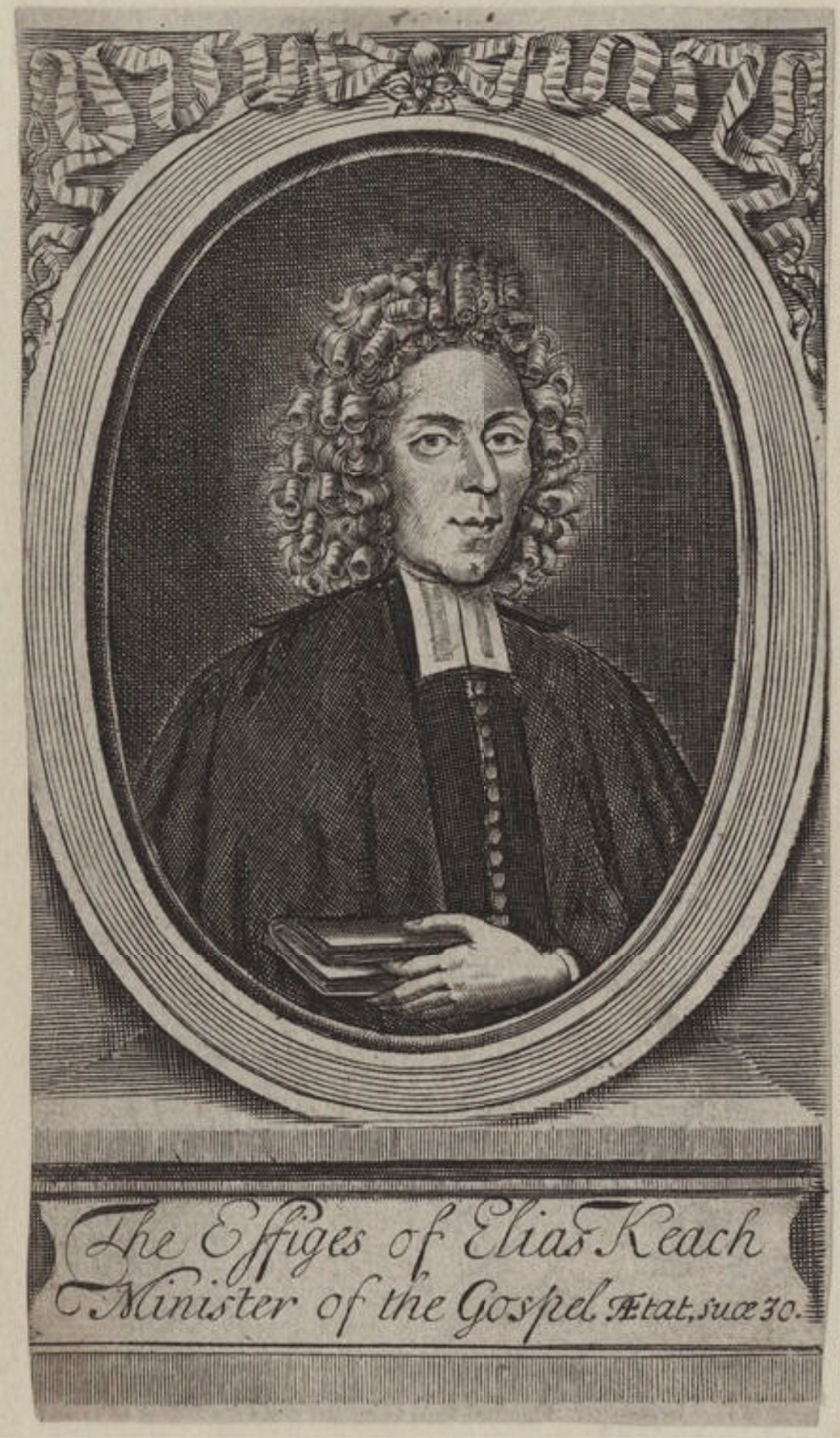
Elias Keach the wild and rebellious son of the renowned Benjamin Keach of London arrived in Philadelphia in 1686. Young Keach was just nineteen and had come to this country to escape from his father and mother’s discipline and to make his fortune and prove he did not need them or their religion. To gain acceptance and respect, he dressed like a clergyman. When it was learned he was the son of Benjamin Keach, he was immediately invited to preach. An eager congregation gathered to hear his sermon. Keach was elegantly dressed in his ministerial coat and white bands and probably using one of his father’s sermons he began his discourse, but about half way through he suddenly stopped short being seized with the enormity of his hypocrisy and sin. The people assumed he had been seized with a sudden illness. When they gathered around him and asked the cause of his fear, he burst into tears, confessed his fraud and threw himself upon the mercy of God and pleaded for the pardon of all his sins. He immediately traveled to the Cold Springs Church, the first Baptist church established in Pennsylvania, and poured out his heart to Elder Thomas Dugan. The aged Baptist Pastor lovingly took him by the hand and led him to Christ. Elias presented himself to the church as a candidate for baptism and membership and after hearing his testimony and being convinced of the genuineness of his experience he was baptized by Elder Dugan. Shortly afterwards the church recognizing his extra ordinary skills and oratorical abilities ordained him to the Gospel ministry and sent him forth to preach Jesus and the resurrection. He returned immediately to Pennepek where he began to preach with great power and baptized several converts. In 1688 he constituted the Lower Dublin Baptist Church which would become the mother of several churches from which the Philadelphia Baptist Association the oldest in America would immerge. Keach’s zeal to preach the Gospel could not be contained in one local church. He traveled extensively, preaching in Trenton, Philadelphia, Middletown, Cohansey, Salem, and many other places and baptizing the converts into the fellowship of the church at Pennepek. All of the Baptists in New Jersey and Pennsylvania were connected with the Lower Dublin Church with the exception of the church at Cold Springs. Keach’s ministry continued to prosper until the members began to squabble about laying on of hands after baptism, predestination, singing of psalms, etc. Shortly after these controversies arose, Keach resigned his Pastoral duties in 1689 and returned to London. After being reunited with his family, he organized a church in London at Ayles Street, Goodman Fields where he preached to great crowds, and in nine months he baptized 130 into its fellowship. He often preached to crowds of 1500 and published several works that were widely distributed. Tragically, he died after a short illness in 1701 at the age of thirty-four but the work he began in Pennsylvania and New Jersey over three hundred years ago is still producing fruit – “He being dead yet speaketh.”

Comments
Your comment has been submitted and is awaiting moderation. Once approved, it will appear on this page.
Be the first to comment!