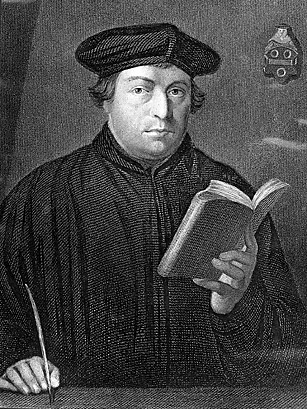
Martin Luther outlines four essential disciplines for becoming a true theologian: prayer rooted in humility rather than human reason, diligent meditation on Scripture (particularly emphasizing constant engagement with God's Word as exemplified in Psalm 119), endurance through spiritual trials that deepen understanding of God's Word, and perpetual humility that recognizes the shallowness of human learning compared to divine revelation. Luther argues that pride in one's theological accomplishments disqualifies one from genuine theological insight, while those who remain humble students of Scripture—even when persecuted—become effective teachers who minister to all types of believers in Christ's Church.
What does the Bible say about being a theologian?
The Bible emphasizes the importance of humility, meditation on God's Word, and reliance on the Holy Spirit in becoming a great theologian.
James 1:5, Psalm 119
What does the Bible say about true wisdom?
The Bible teaches that true wisdom comes from God, and we must seek it through prayer and humility.
James 1:5, Proverbs 3:5-6
How do we know humility is important for Christians?
Humility is essential for Christians as it aligns with God's grace and is central to authentic spiritual growth.
James 4:6
How do we know the importance of meditation on God’s Word?
Meditation on God's Word is vital for spiritual growth and understanding, as it allows believers to reflect deeply on Scripture.
Psalm 119, Deuteronomy 6:6-7
Why is meditation on God's Word important?
Meditation on God's Word is crucial as it deepens understanding and fosters a closer relationship with God.
Psalm 1:2
Why is humility important for Christians?
Humility is essential for Christians as it opens the door to grace and true understanding of God's Word.
James 4:6, 1 Peter 5:5
1. Prayer. For this reason you should despair of your wisdom and reason; for with these you will acquire nothing, but by your arrogance cast yourself and others into the pit of hell as did Lucifer. Kneel down in your chamber and ask God in true humility and seriousness to grant you true wisdom.
2. Meditation. In the second place, you should meditate, and not only in your heart, but also outwardly, the oral Word and the expressed words that are written in the Book, which you must always consider and reconsider, and read and read over with diligent attention and reflection to see what the Holy Spirit means thereby. And take care that you do not become weary of it, thinking that you have read it sufficiently if you have read, heard, or said it once or twice and understand it perfectly. For in this way no great theologian is made, but they (who do not study) are like immature fruit, which falls down before it is half ripe. For this reason you see in this Psalm 119 that David is always boasting that he would speak, meditate, declare, sing, hear, read, day and night forever nothing else than the Word of God alone and the commandments of God. For God does not purpose to give you His Spirit without the external Word. Be guided by that. For He did not command in vain to write, preach, read, hear, sing, and declare His external Word.
3. Temptation. In the third place, there is tentatio, that is, trial. That is the true touchstone which teaches you not only to know and understand, but also to experience how true, sincere, sweet, lovely, powerful, comforting the Word of God is, so that it is the wisdom above all wisdom. Thus you see how David in the Psalm just mentioned complains about all manner of enemies, wicked princes and tyrants, false prophets and factions, which he must endure because he always meditates, that is, deals with God's Word in every possible way, as stated. For as soon as the Word of God bears fruit through you, the devil will trouble you, make you a real teacher, and teach you through tribulation to seek and to love the Word of God. For I myself - if I am permitted to voice my humble opinion - must thank my papists very much for so buffeting, distressing, and terrifying me by the devil's fury that they made me a fairly good theologian, which otherwise I should never have become.
4. Humility. Then (namely, if you follow the rule of David exhibited in Psalm 119) you will find how shallow and unworthy will appear to you the writings of the Fathers, and you will condemn not only the books of the opponents, but also be ever less pleased with your own writing and preaching. If you have arrived at this stage, you may surely hope that you have just begun to be a real theologian, one who is able to teach not only the young and unlearned, but also the advanced and well-instructed Christians. For Christ's Church includes all manner of Christians - young, old, weak, sick, healthy, strong, aggressive, indolent, simple, wise, etc. But if you consider yourself learned and imagine that you have attained the goal and feel proud of your booklets, teaching and writing, as though you had done marvelously and preached wondrously, and if you are much pleased because people praise you before others and you must be praised or otherwise you are disappointed and feel like giving up - if you are minded like that, my friend, just grab yourself by the ears, and if you grab rightly, you will find a fine pair of big, long, rough, donkey ears. Then go to a little more expense and adorn yourself with golden bells, so that wherever you go people can hear you, admiringly point at you with their fingers and say, "Lo and behold, there is that wonderful man who can write such excellent books and preach so remarkably!" Then certainly you will be blessed, yes more than blessed, in the kingdom of heaven; indeed, in that kingdom in which the fire of hell has been prepared for the devil and his angels! . . In this Book, God's glory alone is set forth, and it says: Deus superbis resistit, humilibus autem dat gratium. Cui est gloria in secula seculerum [God resists the proud, but gives grace to the humble. To Whom be glory forever and ever]. Amen.

Comments
Your comment has been submitted and is awaiting moderation. Once approved, it will appear on this page.
Be the first to comment!