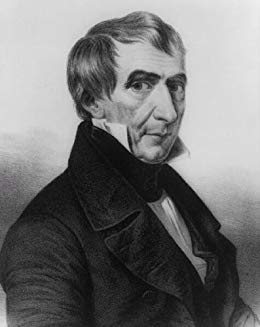
The article by Henry Law on Psalm 54 discusses the theme of divine refuge and the believer's response to distress by invoking God’s attributes. Law highlights that, in times of deep trouble, human support is futile, emphasizing the necessity of turning to God, who embodies all that is needed for salvation. Scripture references such as Psalm 54:1-2, which reveal David's urgent cries for help, illustrate the importance of specific petitions grounded in God's character. The article underscores the Reformed doctrine of reliance on God's providence, arguing that faith is indeed strengthened through trial, leading to a deeper assurance in God's promises. Ultimately, Law encourages believers to anticipate deliverance and offer thanks as an expression of faith in God's unwavering support.
Key Quotes
“Save me, O God, by Your name and judge me by Your strength.”
“Prayers sometimes err in being diffuse in generalities. We should distinctly see our present need and distinctly specify it.”
“Distresses rather brighten than extinguish faith... Unless it is brought to trial its existence might be doubted.”
“It is a happy exercise to give free scope to the expanded wings of faith and to anticipate the blessed day when victory over every foe shall be assuredly conquered.”
What does the Bible say about God's help in distress?
The Bible assures us that God is our helper in times of distress, as seen in Psalm 54.
Psalm 54:1-4
How do we know that God's promises are true?
God's promises in Scripture are affirmed through His faithfulness and the fulfillment of His word.
Psalm 54:5-6
Why is prayer important during difficult times?
Prayer is crucial in difficult times as it expresses our reliance on God's strength and character.
Psalm 54:1-4
Deep distress afflicts the Psalmist. He knows his refuge, and flees to it. In confidence of gracious aid he vows the sacrifice of praise. We, also, are born to trouble. May we in faith use our ever-present help.
1, 2. "Save me, O God, by Your name, and judge me by Your strength. Hear my prayer, O God; give ear to the words of my mouth."
David is here surrounded by distress. Billows on billows threatened his ruin. Traitors were ready to surrender him to his cruel foe. Vain is all human support, and he betakes himself to God. He invokes His aid by all the precious attributes which constitute His name. In intensity of supplication he calls upon God, and all that God is, to save him. He looks for vindication to the omnipotence of God's might. In wrestling earnestness he beseeches that heavenly ears would listen to his cry, and that his words might not be cast out at the mercy-seat. Let us, also, diligently ponder the revelation of God's character, and summon every attribute to advocate our cause. Save me by Your name, is an all-prevailing plea.
3. "For strangers have risen up against me, and oppressors seek after my soul; they have not set God before them."
David uses not vague and general petition. He clearly states his especial errand to the mercy-seat. He points to the betrayers who were active to deliver him to the infuriate king. He points to their ungodly treachery. They were enemies to God, and therefore enemies to God's servant. Prayers sometimes err in being diffuse in generalities. We should distinctly see our present need, and distinctly specify it. The plea is strong when we can urge that our cause is God's cause, and that those who hate us hate God also.
4, 5. "Behold, God is my helper; the Lord is with those who uphold my soul. He shall reward evil to my enemies; cut them off in your truth."
Distresses rather brighten, than extinguish faith. They open the door for its expanded exercise, and in its exercise it recruits its strength. Unless it is brought to trial its existence might be doubted. We often pray, O Lord, increase our faith. The answer may be an accumulation of distress. Such is David's case in this crisis of his life. The treachery of false friends pierced him to the heart. But they led him to feel that he had a friend who could never fail, and amid his fears he firmly realizes, "God is my helper."
This truth, when tightly grasped, raises us victorious above desertion and betrayal. He knew that those who would maintain his cause would surely prosper, because omnipotence was on their side. Strong is the little band of whom it may be truly said, 'The Lord is with them.'
He foresaw, also, the total overthrow of his enemies. He knew the many promises which predicted their final overthrow. All these he steadfastly believed, and he humbly prays that God would fulfill His word, redeem His pledges, and do as He has said.
6, 7. "I will freely sacrifice to You; I will praise Your name, O Lord, for it is good. For He has delivered me out of all trouble; and my eye has seen his desire upon my enemies."
Can faith thus brightly blaze, and joy not fill the heart? David foresees complete deliverance and freedom for holy worship. He feels that he will soon be at liberty to bring his victims to the altar, and to encompass the mercy-seat with incense of thanksgiving. He sees his enemies low in complete defeat, and his every desire most fully granted. It is a happy exercise to give free scope to the expanded wings of faith, and to anticipate the blessed day when victory over every foe shall be assuredly conquered, and Hallelujahs become the endless song.

Comments
Your comment has been submitted and is awaiting moderation. Once approved, it will appear on this page.
Be the first to comment!