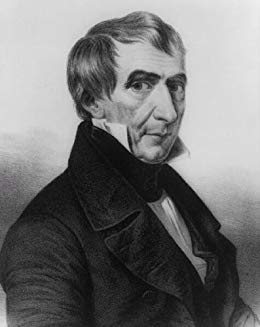
In Henry Law's exposition of Psalm 148, the primary theological theme addressed is the universal call to praise God for His creation and ongoing preservation of all things. Law emphasizes that the duty of praise is not exclusive to humanity but extends to all elements of creation—human and non-human alike—who reflect God's glory. He supports his arguments by referencing Scripture, particularly verses that illustrate how celestial bodies and earthly creatures alike testify to God's greatness through their existence and function (Psalm 148:1-14). The distinction between the eager praise of creation, such as angels and the cosmos, and humanity’s often sluggish response highlights the need for the Holy Spirit’s active prompting in believers, which underscores the Reformed insight of grace operating in the life of the redeemed. The practical significance of this exhortation is seen in its call to recognize the centrality of God's sovereignty and grace in every aspect of life, leading the faithful to respond in a life marked by gratitude and continuous worship.
Key Quotes
“Praise to God...is due not from men only but from all the angelic hosts.”
“Lift up your eyes to the shining firmament...As they shine they seem to cry Praise the Lord who thus created us.”
“If praise be due for creative powers so also for sustaining care.”
“Pre-eminently praise is due from the saints of the Lord whom He has redeemed by the blood of His Son and sanctified by His Spirit.”
What does the Bible say about praising God?
The Bible calls all creation, including humans and angels, to praise God for His glory and creative work.
Psalm 148:1-5, Psalm 148:11-14
How do we know that all creation praises God?
The harmony and glory in creation itself testify to God's eternal praise through its existence.
Psalm 148:1-5, Psalm 148:7-10
Why is praise important for Christians?
Praise is essential for Christians as it acknowledges God's sovereignty and grace in our lives.
Psalm 148:14, Romans 8:28-30
Praise to God is invoked because of His glory in all things, animate and inanimate. Especially His saints call for adoration. 1-2. "Praise the Lord. Praise the Lord from the heavens; praise Him in the heights. Praise Him, all His angels; praise Him, all His hosts."
Praise is due not from men only, but from all the angelic hosts. There is, however, a solemn difference. We are slow to this holy exercise, and need the constant quickening of the Spirit. They find it their incessant delight, and praise is their most willing utterance.
3-5. "Praise Him, sun and moon; praise Him, all you stars of light. Praise Him, you heavens of heavens, and you waters that are above the heavens. Let them praise the name of the Lord; for He commanded, and they were created."
Lift up your eyes to the shining firmament. Mark the glorious sun, daily proceeding on its brilliant way, and filling the world with light and beauty. Behold the countless stars bespangling the canopy on high. No vocal sound, indeed, is uttered; but still they have a voice which calls forth praise to Him who willed their being. As they shine they seem to cry, "Praise the Lord who thus created us."
6. "He has also established them forever and ever; He has made a decree which shall not pass."
If praise be due for creative powers, so also for sustaining care. If we praise God because of the original birth of the orbs of heaven, let our praise resound while they continue their brightness. The Word that made them cannot be repealed. Your Word, O God, is settled forever in heaven.
7-10. "Praise the Lord from the earth, you sea creatures, and all deeps; Fire and hail; snow and vapors; stormy wind fulfilling His word; Mountains, and all hills; fruitful trees, and all cedars; Beasts, and all cattle; creeping things, and flying fowl."
The earth teems with animated beings, with things, also, that are inanimate. But they all proceed from God. They all subserve His purposes. They all call for His praise. From the monarch of the forest—from the eagle soaring in the skies to the tiniest insect—from the mountain to the valley—one acclamation is evoked, Let the great Creator—let the unfailing Preserver—receive praise.
11-13. "Kings of the earth, and all people; princes, and all judges of the earth; Both young men and maidens; old men and children; Let them praise the name of the Lord; for His name alone is excellent His glory is above the earth and heaven."
From the occupier of lofty estates to the inhabitant of the lowest hut, from the hoary head to the infant in the cradle, let one sound be elicited. All they are, and all they have, is the free gift of God. For all they are and all they have, let praise be given.
14. "He also exalts the horn of His people, the praise of all His saints; even of the children of Israel, a people near to Him. Praise the Lord."
Pre-eminently, praise is due from the saints of the Lord, whom He has redeemed by the blood of His Son, and sanctified by His Spirit. From their inmost souls let them shout, "Praise the Lord."

Comments
Your comment has been submitted and is awaiting moderation. Once approved, it will appear on this page.
Be the first to comment!