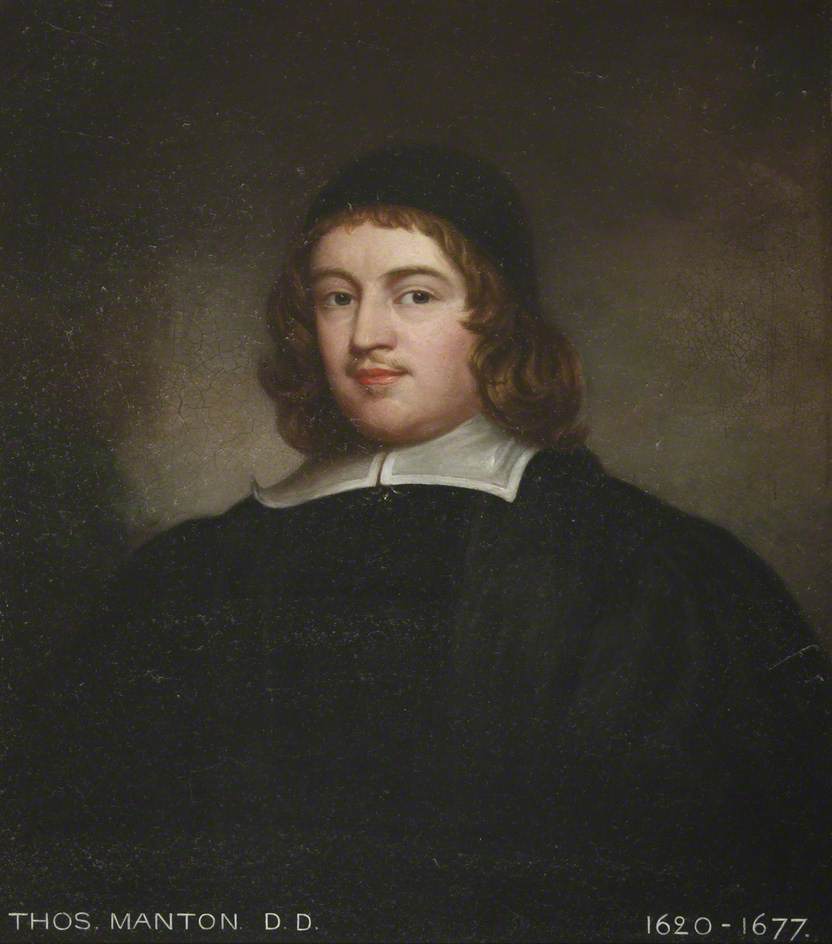
The article focuses on the theological implications of James 1:17, emphasizing that God is the ultimate source of all good and perfect gifts, particularly spiritual blessings. Thomas Manton argues that the immutable nature of God, as the "Father of the heavenly lights," confirms that He cannot be the author of evil since His essence is wholly good. Manton supports his argument with Scripture references such as Romans 6:23, Ephesians 1:3, and 2 Corinthians 4:4, illustrating that all blessings, especially spiritual ones, originate from God and are part of His perfect will. The doctrinal significance emphasizes reliance on God's goodness and grace, encouraging believers to avoid self-glorying and instead acknowledge God as the sole distributor of all that is good.
Key Quotes
“Every good and perfect gift is from above coming down from the Father of the heavenly lights who does not change like shifting shadows.”
“The gift is called good... not common mercies but good gifts which the apostle elsewhere calls every spiritual blessing.”
“Nothing but the best mercy will satisfy the best hearts.”
“God's unchangingness is like an ointment poured out, the best cordial to refresh a fainting soul.”
What does the Bible say about good gifts from God?
The Bible states that every good and perfect gift comes from above, from God, who does not change.
James 1:17, Ephesians 1:3
How do we know spiritual blessings are the best gifts from God?
Spiritual blessings are deemed the best because they lead to our perfection and fulfill our deepest needs.
Matthew 7:11, James 1:17
Why is the immutability of God important for Christians?
God's immutability assures Christians that His promises and nature remain constant and true.
Malachi 3:6, Psalm 102:26-27
What does it mean that God is the Father of heavenly lights?
It means God is the source of all light and goodness, signifying His role as creator and sustainer.
James 1:17
Everygoodandperfectgiftisfromabove,comingdownfromtheFatheroftheheavenlylights, who does not change like shifting shadows.
James follows on from the former matter, which showed you that God was not the author of sin, to show you that God is the author of everything good, especially the spiritual gifts and graces bestowed on us. Here is a hidden argument: the author of everything good cannot be the author of evil. Everygoodandperfectgift is strengthened by an allusion to the sun as James represents God, in the latter part of the verse, as essentially and immutably good.
Everygood…gift. The Vulgate has “the best gift,” which fits the sense but not the original words. The gift is called good either (1) to exclude Satan’s gifts, which are harmful: “blinded … minds” (2 Corinthians 4:4); these gifts from below are not good; or (2) to show the kind of gifts that he is speaking about—not common mercies but good gifts, which the apostle elsewhere calls “every spiritual blessing” (Ephesians 1:3). It is true that all common gifts come from God’s bounty; but the apostle here intends special blessings, as is partly indicated by the attributes goodand perfect. It is true that some people distinguish between the two words, making good imply earthly blessings and perfect imply heavenly or spiritual blessings. I think this is too fanciful. The two words indicate the same mercies.
Andperfectgift. These gifts lead to our perfection. This includes initial grace, all progress in the spiritual life, and perfection and eternal life itself. All are the gift of God. Though eternal death is a reward, eternal life is a gift; and therefore the apostle varies the phrase when he compares them in Romans 6:23. So not only the start but all the gradual steps from grace to glory are gifts and from God’s free mercy.
Isfromabove. That is, from heaven. Heaven stands for God, as in Luke 15:21—“I have sinned against heaven and against you”; that is, against God and his earthly father. I suppose there is some special reason why our blessings are said to be fromabove, because they were designed there, and heaven is their goal where they are perfectly enjoyed. Therefore, in Ephesians 1:3 we are said to be “blessed … in the heavenly realms with every spiritual blessing”; therefore James says, from above because blessings originate and are fulfilled there.
Comingdown. Not “falling down”; this shows (says Aquinas) that we do not have blessings by chance, but through the normal channels.
FromtheFatheroftheheavenlylights. That is, from God. The word “father” is often used for the author or first cause, as in Genesis 4:20-21: “the father of those who live in tents,” “the father of all who play the harp and flute”—that is, the author and founder. God is elsewhere called “the Father of our spirits” (Hebrews 12:9), because they are not from human descent but are created directly by God. So what is meant by Fatheroftheheavenlylights? Some conceive that it means no more than “glorious Father,” as it is usual in Hebrew to put the genitive for an epithet and the genitive plural for the superlative. But I think that God is likened to the sun, which gives out its light to all the planets; and so God, being the author of everything that is signified by light, is called here theFatheroftheheavenlylights. It is normal in the Scriptures to attribute light to God and darkness to the devil—as in Luke 22:53—“This is your [that is, Satan’s] hour—when darkness reigns.”
Whodoesnotchange. This is an astronomical term, taken from the heavenly bodies, which have many revolutions. The heavenly lights have their vicissitudes, eclipses, and decreases; but our sun always shines with the same brightness and glory.
Likeshiftingshadows. The allusion continues. Stars, according to their different light and position, have various shadowings. The nearer the sun is to us, the less shadow it casts; the farther off, the greater the shadow. So we know the sun’s movements by its different shadows. But with the Father of spiritual lights there is no shadow of turning; that is, he does not change but always remains the same. This is a sun that does not set or rise and cannot be overcast or eclipsed.
Notes on Verse 17
Note1. All good things are fromabove; they come to us from God. Evils do not come from God, because he is good. God delights in being the sole author of all our good, and therefore cannot endure that we should give that honor to another. When God was about to work miracles by Moses’ hand, he first made it leprous (Exodus 4:6). Noting that God is the author of all the good that is in us prevents many corruptions, such as: (1) Glorying in ourselves. Who would glorify himself in what is fromabove? We think it wrong for a person to take credit for another person’s work; the apostle says in 2 Corinthians 10:16 that he would not boast about work already done in another man’s territory. So all the good your hand accomplishes is heaven’s bounty to you. It is not your work but God’s.
(2) Lording it over others. Ungodly and weak spirits feed their evil desires with their enjoyments. The more you place on top of a straight pillar, the straighter it is; but a pillar that is bent bows under the weight it supports. So the more God puts on ungodly people, the more their spirit is perverted.
(3) Envying those who have received most. Our eye is evil when God’s hand is good. Envy is a rebellion against God himself and the liberty and pleasure of his dispensations. God distributes gifts and blessings as he wills, not as we will. Out duty is to be content and to beg grace to make use of what we have received.
Note2. Whatever we have fromabove, we have as a gift. We have nothing but what we have received, and what we have received we have received freely. There is nothing in us that could oblige God to bestow it; the favors of heaven are not for sale. When God invites us to his mercy, he does not invite us as a host but as a king—not to buy, but to take; the most welcome are those who have no money (Isaiah 55:1)—that is, no confidence in their own merits. Merit and desert are improper ideas to express the relationship between the work of a creature and the reward of a Creator; and they are even more incongruous since the fall. Sin, which indicates how undeserving we are, makes mercy even more of a gift, so that now in every giving there is some forgiving. Grace gives us even more, because in every blessing there is not only bounty but a pardon. Oh, that we were aware of this, that in all our actions we might have a sense of love and have God’s glory as our goal.
Note3. Out of all the gifts of God, spiritual blessings are the best. These are called here good andperfect because these make us good and perfect. “If you, then, though you are evil, know how to give good gifts to your children, how much more will your Father in heaven give good gifts to those who ask him!” (Matthew 7:11). The parallel passage in Luke 11:13 says, “give the Holy Spirit to those who ask him!” That is giving good gifts—to give the Holy Spirit. “There can be nothing good where there is not the Spirit of God” (Augustine). One may become tired of other gifts. An estate may be a trap; life itself may become a burden. But you have never heard of spiritual blessings being a burden. Ungodly spirits prefer soup to a birthright, vain delights before the good and perfect gifts. David makes a wiser choice in his prayer: “Remember me, O Lord, when you show favor to your people” (Psalm 106:4). Not every mercy satisfies David—only the mercy of God’s own people; not every gift satisfies us—only the good and perfect gift. A similar prayer is in Psalm 119:132, “Turn to me and have mercy on me, as you always do to those who love your name.” Note that these are not the mercies that he bestowed on the world, but the mercies he bestowed on his people. Nothing but the best mercy will satisfy the best hearts.
Note4. God is theFatheroftheheavenlylights. Light is often used to indicate the essences and perfections of creatures as they come from God. The essence of God comes in 1 John 1:5, “God is light; in him there is no darkness at all.” There light indicates the simplicity of the divine essence. It also shows the glory of God: “He lives in unapproachable light” (1 Timothy 6:16)—that is, in inconceivable glory. So Jesus Christ, in that he received his personality and subsistence from the Father, is called, in the Nicene Creed, “Light of light, and very God of very God.” The creatures also, since they derive their perfection from God, are called lights. An angel is called an “angel of light” (2 Corinthians 11:14); the saints are called “the people of the light” (Luke 16:8). Rational creatures, as they have wisdom and understanding, are said to be lights; Christ is “the true light that gives light to every man” (John 1:9), and all the candles in the world are lighted from this torch. In short, reason, wisdom, holiness, and happiness are often expressed by light, and they are all from God.
As the stars shine with a borrowed luster, so do all the creatures; where you meet any brightness and excellency in them, remember it is only a ray of the divine glory. As the star brought the wise men to Christ, so should all the stars in the world bring your thoughts to God, who is “the Fountain and Father of lights.” “Let your light shine before men, that they may see your good deeds and praise” not you but “your Father in heaven” (Matthew 5:16). If you see a candle burn brightly and purely, remember it was set alight by God. If there is any light in others, a sense of the mysteries of the Gospel, if they are burning and shining lights, if they give out the flame of godly conversation, remember that they are only revealing that luster and glory that they received from above.
If God is the Father of the heavenly lights:
(1) You must apply yourself to God. If you want the light of grace or knowledge or comfort, you must be set alight by his flame. We are dark bodies until the Lord fills us with his own glory.
How devoid of comfort we would be without God! In the night there is nothing but terror and error; and so it is in the soul without the light of the divine presence. When the sun is gone, the plants wither; and when God, who is the sun of spirits, is withdrawn, there is nothing but discomfort and a sad languishing in the soul. Oh, pray then that God will shine on your soul not in flashes but with constant light. It is often like this with us in comfort and grace. Holy thoughts arise and, like a flash of lightning, make the room bright; but then the lightning is gone, and we are as dark as ever. But when God shines with a constant light, then shall we give out a holy luster: “Arise, shine, for your light has come, and the glory of the Lord rises upon you” (Isaiah 60:1). We, like the moon, are dark bodies and have no light rooted within ourselves; the Lord must dawn on us before we can shine. It is the same with comfort: “Those who look to him are radiant; their faces are never covered with shame” (Psalm 34:5).
(2) This shows why wicked people hate God: “Light has come into the world, but men loved darkness instead of light” (John 3:19). Again, they “will not come into the light for fear that [their] deeds will be exposed” (verse 20). Those who delight in darkness cannot endure God, nor anything that represents God. Rachel could not endure Laban’s search, nor can the wicked endure God’s eye. He is the Father of the heavenly lights; he has a discerning eye and a searching beam.
(3) Children of God should walk in purity and innocence. “You are light in the Lord. Live as children of light” (Ephesians 5:8). Walk so that you reflect the glory of your Father; faults in you, like spots in the moon, soon show up. You who are the lights of the world should shine brightly; indeed, in the worst times you should shine brightest, like stars in the blackest night. Therefore the apostle says, “Shine like stars in the universe” (Philippians 2:15).
Note5. The Lord is unchangeable in holiness and glory; he is a sun that always shines with the same brightness. God, and all that is in God, in unchangeable. This is an attribute that, like a silk thread in a chain of pearls, runs through them all. His mercy does not change—“his love endures forever” (Psalm 100:5). The same is true of his strength, and so he is called “the Rock eternal” (Isaiah 26:4). So his love is immutable. His heart is the same to us in all situations; we change, but God does not change. So then:
(1) The more changeable you are, the less you are like God. You should hate yourselves when you are so fickle! God is immutably holy, but you have a heart that loves to wander. God is always the same, but you quickly change (see Galatians 1:6). The more you “continue in what you have learned and have become convinced of” (2 Timothy 3:14), the more you resemble divine perfection.
(2) Go to him to establish and settle your spirits. God, who is unchangeable in himself, can bring you into an unchanging state of grace, against which all the gates of hell cannot prevail. Therefore, do not rest until you have received gifts from him that never alter—the fruits of eternal grace and the pledges of eternal glory.
(3) Go to God as one who is good and unchanging. In the midst of the greatest changes, see him as the same always; when there is little in the creature, there is as much in God as ever: “They will perish, but you remain; they will all wear out like a garment.… But you remain the same, and your years will never end” (Psalm 102:26-27). All creatures vanish not only like a piece of cloth, but like a garment. Cloth would decay by itself or be eaten by moths; but a garment is worn every day. But God does not change. There is no wrinkle on the brow of eternity; the arm of mercy is not dried up, nor does his compassionate love ever end. This is the church’s comfort in the saddest situation. No matter how the face of the creature changes, God will still be the same. It is said somewhere that “the name of God is as an ointment poured out.” Certainly this matter of God’s unchangingness is like an ointment poured out, the best cordial to refresh a fainting soul. When the Israelites were in distress, all the letters of recommendation that God would give Moses were those in Exodus 3:14, “‘I am who I am. … “I AM has sent me to you.”’” That was comfort enough for the Israelites; God could say, “I am.” With God there is no change—no past or present; he remains in the same indivisible point of eternity and therefore says, “I am.” So the prophet Malachi says, “I the Lord do not change [or am not changed]; so you, O descendants of Jacob, are not destroyed” (Malachi 3:6). Our safety lies in God’s immutability; we cannot perish totally because God cannot change.

Comments
Your comment has been submitted and is awaiting moderation. Once approved, it will appear on this page.
Be the first to comment!