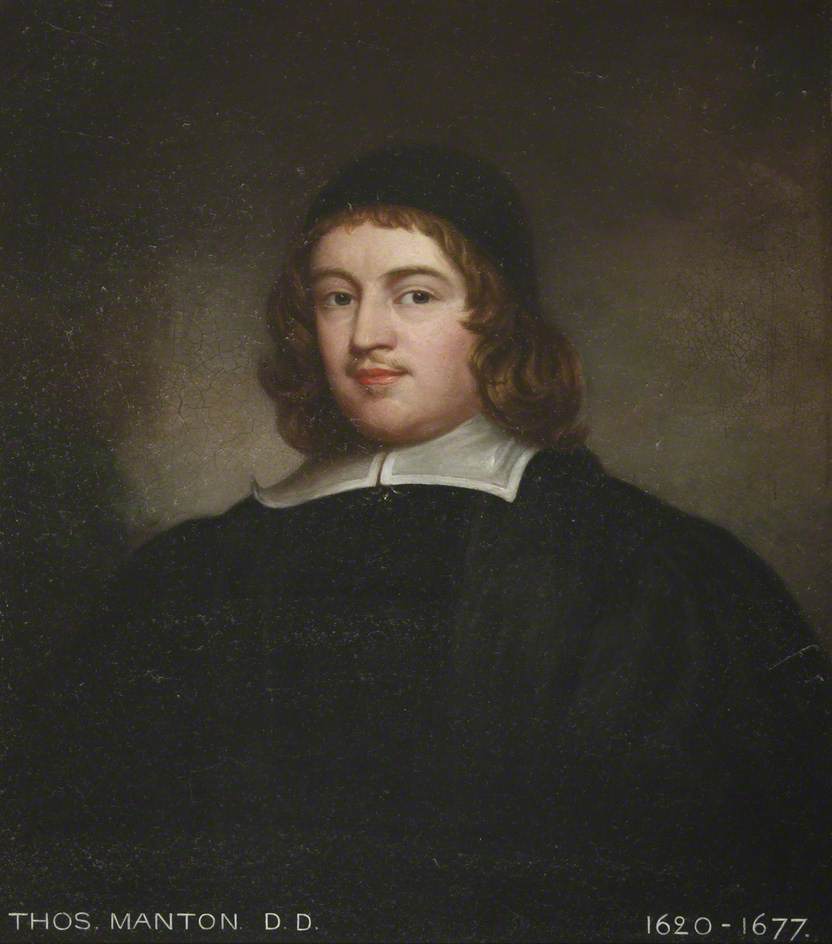
The article by Thomas Manton on James 3:13 focuses on the doctrine of wisdom and understanding, emphasizing their practical application in the life of a believer. Manton argues that genuine wisdom results in meekness and good deeds, highlighting that true knowledge must be demonstrated through a humble and virtuous life. He cites key Scriptures such as James 3:13, Deuteronomy 4:6, and Proverbs 19:11 to showcase the inseparable link between wisdom and humility. The significant doctrinal takeaway is that authentic Christian wisdom is not merely intellectual but is evidenced through a transformed character and actions that honor God and reflect the teachings of Scripture.
Key Quotes
“The first requisite of true wisdom is to honor knowledge in practice… that being the point of all information.”
“True wisdom ends in good behavior…knowledge is only like a jewel in a toad's head.”
“Pride and folly always go together and so do humility and wisdom.”
“A Christian must not only have a good heart but a good life and must in his behavior show the graces of his spirit.”
What does the Bible say about wisdom and understanding?
The Bible teaches that true wisdom is demonstrated through good behavior and humility, reflecting a deep understanding of God's ways.
James 3:13, Proverbs 11:2, Psalm 19:7
How do we know that humility is important for Christians?
Humility is important for Christians as it aligns with the character of Christ and is a key aspect of true wisdom.
James 3:13, Proverbs 11:2, 1 Peter 3:4
Why is good behavior an expression of true wisdom?
Good behavior is an expression of true wisdom as it manifests the application of knowledge grounded in humility and obedience to God.
James 3:13, 1 Corinthians 8:1
Whoiswiseandunderstandingamongyou?Lethimshowitbyhisgoodlife,bydeedsdoneinthe humility that comes from wisdom.
James now diverts to another matter, though it is closely related to the previous one—an exhortation to meekness as opposed to envy and strife.
Whoiswiseandunderstandingamongyou? He speaks about wisdom and understanding because all the former evils come from thinking that we have greater ability than others or because they affect the reputation of prudent Christians. Now, says the apostle, if you would indeed be like this, you must have a meek godliness.
Lethimshowitbyhisgoodlife. The first requisite of true wisdom is to honor knowledge in practice, that being the point of all information; and the understanding person has a greater obligation to duty than do other people.
Bydeedsdoneinthehumilitythatcomesfromwisdom. Here is the second requisite: prudent meekness in behavior, wisdom being most able to consider frailties and to bridle anger.
Notes on Verse 13
Note1. Wisdom and understanding go well together; one informs, the other directs. Good apprehension and good judgment make a complete Christian. Where there is heavenly wisdom, there will also be prudence, a practical application of our light to the occurrences of life. So do not rest in “the embodiment of knowledge” (Romans 2:20); couple it with wisdom. A Christian is better known by his life than by his speech. Mere “knowledge puffs up” (1 Corinthians 8:1). People who speculate sublimely are just wise fools, like the lark that soars high and peers and peers but falls into the fowler’s net. Knowledge without wisdom may soon be discerned; it is usually curious and censorious.
Note2. True wisdom ends in good behavior. Surely the practical Christian is the most wise: in others, knowledge is only like a jewel in a toad’s head. “Observe [God’s laws] carefully, for this will show your wisdom” (Deuteronomy 4:6). This is saving knowledge; the other is mere curiosity. The point of all this is to examine those who please themselves with a false wisdom.
(1) The worldly wise. People are cunning and spin a web of vanity in achieving their worldly aims. Alas, this is the greatest folly! “Since they have rejected the word of the LORD, what kind of wisdom do they have?” (Jeremiah 8:9). Who would dig for iron with picks of gold? Similarly, your spirits and your deepest concerns are worth more than vanity; they are tools that God uses for more than mere iron.
(2) Those who content themselves with human knowledge. Some can almost unravel nature but do not know God or themselves. Some of the heathen were well endowed with intelligence, but “although they claimed to be wise, they became fools” (Romans 1:22).
(3) People who hunt for ideas and sublime speculations, knowing only in order that they may know. A poor soul that looks to heaven has more true wisdom than all the great rabbis of the world: “The statutes of the LORD are trustworthy, making wise the simple” (Psalm 19:7).
(4) Those who are sinfully crafty have enough wit to brew wickedness. It is better to be a fool in that craft: “In regard to evil be infants, but in your thinking be adults” (1 Corinthians 14:20). Happy are those whose souls never enter into sin’s secrets! “I want you to be wise about what is good, and innocent about what is evil” (Romans 16:19).
Note 3. The more true wisdom is, the more it is meek. Wise men are less angry and more humble.
(1) They are less angry. Much is spoken about a fool’s wrath: “Stone is heavy and sand a burden, but provocation by a fool is heavier than both” (Proverbs 27:3). He lacks judgment to moderate its rage. The more wisdom a person has, the more he can check passion. “A man’s wisdom gives him patience” (Proverbs 19:11).
(2) They are more humble. “With humility comes wisdom” (Proverbs 11:2). Pride and folly always go together, and so do humility and wisdom. The world often looks on meekness as folly, but it is heavenly wisdom. Moses is renowned in Scripture for wisdom and meekness. Those who are morally wise are the most humble. “The unfading beauty of a gentle and quiet spirit … is of great worth in God’s sight” (1 Peter 3:4). The world counts this an effeminate softness; God counts it as beautiful. This is the best Christian temper. There are excellent fruits of meekness that reveal its use (see, for example, 2 Timothy 2:25 and Proverbs 15:1).
Note4. Lethimshowit. A Christian must not only have a good heart but a good life, and must in his behavior show the graces of his spirit: see Matthew 5:16. We must study to honor God and honor our profession of faith. It is one thing to do works that can be seen and another to do them in order that they shall be seen.

Comments
Your comment has been submitted and is awaiting moderation. Once approved, it will appear on this page.
Be the first to comment!