Bootstrap
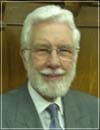
Stephen Hyde

The Cursed Fig Tree

Mark 11:13-14
Stephen Hyde May, 26 2024 Video & Audio
0 Comments

The sermon by Stephen Hyde centers around the theological theme of fruitfulness in the life of a Christian, as exemplified by the account of the cursed fig tree in Mark 11:13-14. Hyde argues that outward appearances, represented by the leaves of the fig tree, can be misleading; true faith is evidenced by spiritual fruit that comes from a genuine relationship with Christ. He reinforces this point through various Scripture references, including Matthew 7:19, which asserts that a good tree bears good fruit, and John 15, which emphasizes the necessity of abiding in Christ to bear fruit. The practical significance of this message urges believers to self-examine their spiritual lives, ensuring they are not merely displaying an outward semblance of piety, but are indeed productive in their walk with God, ultimately glorifying Him through their lives.

Key Quotes

“The test really for each one of us is this, in our spiritual life, are we just leaves? And is there no fruit?”

“It's not what we look like, it's not how we appear to people, it's whether we bear fruit.”

“Do we give the appearance of being a healthy Christian by the outward appearance, when in reality we're not?”

“Our life is to exalt the name of the savior while on this earth and in one day by his grace we shall be able to praise him forever and ever.”

Sermon Transcript

Auto-generated transcript • May contain errors

100%
May it please Almighty God to
bless us together this evening as we meditate in His Holy Word. Let's turn to the Gospel of Mark,
chapter 11, and we'll read verses 13 and 14. The Gospel of Mark, chapter 11,
and reading verses 13 and 14. And seeing a fig tree afar off,
having leaves, he came, if happily he might find anything thereon. And when he came to it, he found
nothing but leaves, for the time of figs was not yet. And Jesus
answered and said unto it, No man eat fruit of thee hereafter
forever, and his disciples heard it. We have some interesting statements
in the Word of God and it's sometimes not easy to always understand
the direction that the Lord would lead us in. But it was seen in
this particular instance, we're told that Jesus and his disciples
had come to Bethany and we're told the Lord was hungry, he
was hungry and that's a natural situation which we all come into. And then he clearly needed food
and he came to this fig tree and he saw far off it had leaves,
it looked good, and he came to it hoping to find fruit thereon. But he was disappointed, because
there was nothing but leaves. And Jesus spoke and said unto
it, No man eat fruit of thee hereafter for ever. and his disciples
heard it. So we might ask, what is the
reason for such a statement as this? And why has God included
it in the Word of God? Well, we know from the Word of
God, and we'll refer to a couple of texts later, that our lives,
as Christians on this earth, is to be fruitful in the things
of God. Fruit, of course, is that which
is food. Leaves just look pretty. And
that's clearly what the situation was here. There were leaves,
but there was no fruit. And the test really for each
one of us is this, in our spiritual life, are we just leaves? And is there no fruit? You see,
leaves just give a good impression. From a distance, as in this case,
it looked as though it would be a fruitful tree with figs
on it. But on a closer examination,
there was nothing but leaves. And that's a very searching statement,
really, with regards to our Christian life. Does it look all right
from a distance? Do people observe from somewhere
away and don't get too close or too involved and the conclusion
is that we're good Christians, people are good Christians, but
on closer examination there's no fruit and the Lord tells us
it is by our fruit that we shall be known not by our leaves not
by how good and pleasant we look but by our fruit and therefore
how necessary it is that we are fruitful in the things of God
because it is fruit that brings honour and glory to God. It's not how good we look, how
pleasant we look, and how people may have a good idea of us and
think that we're worthy of this and worthy of that, and yet we
find that there's, on closer examination, there's no fruit. It's important, isn't it, for
all of us to consider our own lives, our own spiritual life,
to see where we are, what the situation is, and whether we
come into the condemnation, really, of these words. We can turn to the Gospel of
Matthew, in the 7th chapter, and we can read there verses
as follows, verse 19. We're told every tree, including
obviously a fig tree. Well, let me just start a few
verses before that. You shall know them by their
fruits. Who's he speaking about? He says,
beware of false prophets which come to you in sheep's clothing,
but inwardly they are ravening wolves. You should know them
by their fruits. Do men gather grapes of thorns
or figs of thistles? Even so, every good tree bringeth
forth good fruit, but a corrupt tree bringeth forth evil fruit. A good tree cannot bring forth
evil fruit, neither can a corrupt tree bring forth good fruit.
Every tree that bringeth not forth good fruit is hewn down
and cast into the fire. Wherefore by their fruits ye
shall know them. So that's a very clear statement,
isn't it? That it's not what we look like,
it's not how we appear to people, it's whether we bear fruit. Wherefore
by their fruits ye shall know them. Now clearly in this case
there was no fruit. There was no fruit. And we perhaps
need to think about our own lives and consider whether we are fruitful
in the things of God, or whether we are just leaves. Someone looking at us some way
away, doesn't know us too closely, will evaluate us as a good Christian. but on closer examination, it
will be seen that there's just an appearance of religion, just
an outward thing, outward things. You know, we might read the Bible,
which is good, but we may just read it by tradition. We may
dress rightly, which is good, but we may dress to please people. The things that we say, we may
say things, just to impress people you may even say things when
you hear preaching that it was good preaching but hasn't really
had any effect it's just passed over your head and we have of
course the testimony of the Lord Jesus in the parable of the sower
where the seed was sown and there were three places where there
was no profit, no benefit There was only one place, a quarter,
where there was good ground. So we need to be very aware in
our lives today that we are indeed fruitful in the things of God. And not like this fig tree which
Jesus came to and he found nothing but leaves. Nothing but leaves. So we need to look at ourselves.
Is our religion nothing but leaves? Just an outward appearance. No real work of grace in our
soul. No real effect of the preaching
of the gospel. We carry on in our old way without
any change. There's no fruit. Well, the condemnation
of the Lord, as you know, was, he said, He said, no man eat
fruit thereof, hereafter, forever. And his disciples heard it. And
further on in this chapter we read, they came and saw it the
next day and it was all shriveled up from the root upwards. What had appeared to be a healthy
tree was shriveled up. And how solemn that is. We don't
want to appear to be a healthy tree and then shrivel up shrivel
up from the root the root has to be good if there's no root
then obviously there's nothing good at all but it's a very difficult
situation and may we examine ourselves to make sure under
the blessed influence of God that we're not like that we're
not just leaves And we don't shrivel up and have nothing. And there's been no fruit. What a sad thing it would be,
isn't it? We come to the end of our life and there's no fruit. Well, you may again ask the question,
well, what do we know by fruit? Well, the Apostle Paul gives
us a very helpful analogy in the epistle he wrote to the Galatians
when he speaks about the fruit of the Spirit he speaks about
two things, first of all in the 5th chapter of Galatians and
from verse 18 he tells us but if ye be led of the Spirit ye
are not under the law now he tells us then the works of the
flesh manifest which of these adultery, fornication, uncleanness,
lasciviousness, idolatry, witchcraft, hatred, variance, emulations,
wrath, strife, seditions, heresies, envyings, murders, drunkenness
revelings and such like well that's quite a comprehensive
statement with regard to the works of the flesh and he says
of the which i tell you before as i've also told you in time
past that they which do such things shall not inherit the
kingdom of God. Now, just note that this refers
to the works of the flesh. And then he comes on to the fruit
of the Spirit. He doesn't say the works of the
Spirit. He says the fruit of the Spirit. And he gives a list of the fruit
of the Spirit. That means the evidence of the
work of grace in the heart. Love, joy, peace, long-suffering,
gentleness, goodness, faith, meekness, temperance, against
such there is no law. And they that are Christ's have
crucified the flesh, with the affections and lusts. Well, again, that's a clear statement
of those who are under the blessed work of the Spirit of God. And
there is therefore fruit. There's the evidence of it, the
outward evidence of it. And it's something that you and
I can examine ourselves. as to whether we are partakers
of this blessing and are fruitful in the things of God. Love, joy,
peace, long-suffering, gentleness, goodness, faith, well they're
all no doubt familiar expressions. And it's good, therefore, if
you and I, in our lives, this is evident. And if someone was
to look at us and write down what they thought of us, to be
able to say, well, here's a person who shows love, love in the things
that they do. Here's a person that is joyful,
joyful in their religion. joyful in their walk. And then
there are those who are at peace with God. Peace in their hearts. Peace is a great blessing. If
we're following the world, there's no true peace. The world keeps
on looking for this and that and never find true peace. But there is peace. And we have
that lovely line in the hymn, Peace by His Cross, as Jesus
made. What a blessing it is, therefore,
if you and I come to that place to believe in the Lord Jesus
Christ and to be thankful for his glorious death in dying upon
the cross at Calvary to take away our sins. Peace. And then to give the evidence
of long-suffering Well, again, put it in perspective, is God
long-suffering with you and me? The answer is, God is long-suffering
with you and me. And therefore, you and I should
be long-suffering with other people. It's a wonderful example
of the fruit of the Spirit in the people of God's lives long-suffering
and then gentleness it's very easy to not be gentle, isn't
it? we can easily be harsh and rough
in our dealings with people and yet under the Spirit of God this
is an evidence of fruitfulness gentleness to be gentle to one
another not spiteful gentleness and then goodness well that means
doing good we are encouraged to do good unto all men especially
unto the household of faith and that means what it says people
that perhaps we don't want to do good to the word tells us
It's the evidence of the fruit of the Spirit if we do indeed
show forth goodness to those who perhaps are outcasts. No
one has anything to do with. And then faith. The child of
God walks by faith and not by sight. And that's a wonderful
evidence of the fruit of the Spirit. And as you see these
evidences, it's not just leaves. There's reality. It shows forth
the godliness. It shows forth the work of His
wonderful Spirit. Faith. What a blessing if God
gives us faith. we read that in the epistle of
Paul to the Hebrews, the 11th chapter that wonderful example
of so many who live by faith there were mountains before them
but they believed in God and they followed him what a mercy
it is that we do the same in the day and age in which we live
and then the apostle goes on and says meekness we're meek
with people very similar really to gentleness meekness naturally
perhaps we're not meek people and yet you see here is the evidence
of fruitfulness not just leaves it's the outworking of being
fruitful meekness temperance, we're temperate in the things
that we do and say we're not extreme we're temperate and the
Apostle tells us in these few points that we raised against
such there is no law because they meet the requirements of
Almighty God and then he draws it to a conclusion with a very
important and very grand statement and they that are Christ's well
if you and I expect or think we are Christ's and not to just
be leaves but if we are Christ's there is this fruitfulness having
crucified the flesh with affections and lusts well what a blessing
when God gives us grace to walk in that path you know crucifixion
is the most painful death that anybody can undertake. And the
Lord draws the analogy of that here, when he says, they that
are Christ's have crucified their flesh. That means it's a painful
thing. That means it's not easy to crucify
our flesh. That means to do things which
are right, and to kill off those things which are wrong and in
killing them off crucifixion is very painful. Now things perhaps
that you and I don't really want to do we really perhaps enjoy
doing certain things and yet we're told here they that are
Christ's have crucified the flesh with the affections and lusts
that is the evidence of being fruitful that's the evidence
of having the fruit of the Spirit to crucify the flesh with the
affections and lusts and then the Apostle says if we live in
the Spirit let us also walk in the Spirit It's not just something
that we may say we do, it's something that we do to walk in the Spirit. And then he tells us, let us
not be desirous of vain glory, provoking one another, envying
one another. Well, we're thankful, we should
be very thankful. that the Apostle Paul wrote to
the Galatians with this list. And remember, it's the works
of the flesh and the fruit of the Spirit. It's not the works
of the Spirit, it's the fruit of the Spirit. That which is
so clearly evident. Let us desire in our lives to
have the fruit of the Spirit and not to just be leaves. There are many people today who
are satisfied with a religion of leaves. And they're satisfied
with a religion of leaves because it's not very costly. It's because
they can appear to be what they're not. There's no digging deep. It's all superficial. But when
the close examination is made, the truth is that these fruits
of the Spirit are not available. They're not found. They're not
seen. And really, the bottom line is
this. Our lives don't then bring honour
and glory to God. I often say, do I not, how necessary
it is that our lives bring honour and glory to God. We don't want God to come and
cut us down, do we? Cut us down. You know, in the
Gospel of John, And the 15th chapter, which is a very wonderful
chapter, it speaks about the true vine. And we're told this,
I am the true vine and my father is the husbandman. Every branch
in me that beareth not fruit, he taketh away. And every branch
that beareth fruit, he purges it, that it may bring forth more
fruit. Well that's a natural analogy
but surely it's very true with regard to our spiritual life. See if we're not bearing fruit,
if we're not walking with our God and we're barren, then you
see the branches are not worth anything. There's no fruit, they're
just leaves. And so the Lord says, this is
the case of a vine, I am the true vine, my father is the husband,
and every branch in me that beareth not fruit he taketh away, and
every branch that beareth fruit he purges it, that it may bring
forth more fruit. Now, the benefit of purging is
to cut out the dead wood. cut out that which is not bearing
fruit, so that that which remains may be fruitful. And you know,
if we come back to the fruits of the Spirit, the great blessing
is that you and I are privileged to be fruitful in our life living
to Christ, not living to ourselves. To testify of what He has done
in our lives. Not just ignore His grace, His
mercy, His favour. To acknowledge what He's done
in calling us out of this world of darkness, showing us where
we were going, what we were doing, how wrong it was, and directing
us to the right way, What a blessing that is then, to realise that
God is dealing with us in love to our souls. You see, God does
deal with his people in love to our souls. We may not always
appreciate it. We may not want it. We may wish
we could turn away from it, but we can't. It means that we need
to be found abiding in Christ. That's just what the Lord tells
us here. He says, Now ye are clean through
the word which I have spoken unto you. Abide in me and I in
you. As a branch cannot bear fruit
of itself except it abide in the vine, no more can ye except
ye abide in me. What a blessing it is to be found
abiding in Christ. That means living to Christ. That means united to Christ. That means walking with Christ. He tells us, I am the vine, ye
are the branches. He that abideth in me, and I
in him, the same bringeth forth, doesn't say fruit, it says much
fruit. For without me, he can do nothing. That means, if you and I are
wandering along in life, by ourselves, pleasing ourselves, thinking
that we're doing a good job and we're really quite a good Christian,
And all it will be is leaves. Just be the outside, the appearance
of true religion, but lacking any fruit. Abide in me. Abide in me. I am the vine, ye
are the branches. He that abideth in me and I in
him, the same bringeth forth much fruit, for without me ye
can do nothing that means we're barren that means we're fruitless
and so he comes and says if a man abide not in me he is cast forth
as a branch and is withered and men gather them and cast them
into the fire and they are burned We don't want to be numbered
amongst those, do we? The branches who are cut off
and burnt up because there's no fruit. So we see the evidence
of fruit is very important. It's not something which is irrelevant. And Jesus speaks so strongly
to the disciples in this 15th chapter of John. If a man abide
not in me, he is cast forth. But if ye abide in me, and my
words abide in you, ye shall ask what ye will, and it shall
be done unto you. And the effect of God's words
will appear. It won't be something which will
be hidden. it'll be something which will
be evidence and we're told then, herein is my Father glorified
and again this is very significant and we often tend to pass over
truths like this herein is my Father glorified that ye bear
much fruit so shall ye be my disciples as I say sometimes,
our life is for the glorification of God We're not on this earth
to please ourselves. We're not on this earth just
to be leaves. We're here on this earth to glorify
God. And as the Father hath loved
me, so have I loved you. Continue ye in my love. If ye
keep my commandments, ye shall abide in my love. even as I have
kept my father's commandments and abide in his love. Well,
again, it's the evidence of fruitfulness to keep the commandments of God. You see that our old nature said
that's not very important. You can ignore that. So and so
does and gets away with it. Why shouldn't I? Well, we only
have one master and that's God. we don't have to worry what people
think or what people say we have to do that which is pleasing
in God's sight and then he tells us these things have I spoken
unto you that my joy might remain in you and that your joy might
be full there is joy in doing the will of our God there is
joy in being fruitful in the things of God Because in that
path, we find that we're walking with our God. And we have communion
with our God. And so the Lord says, greater
love hath no man than this, that a man lay down his life for his
friends. Ye are my friends, if ye do whatsoever
I command you. And to think that we are the
friends of God. how very humbling that is. And if we are a friend of God,
surely we would desire to please our heavenly friend and do that
which is good in his sight, that which is fruitful, that brings
honor and glory to his great and holy name. This is the wonderful
experience of God's people. This is the testimony we have
in the word of God. to direct us to the scene of
being fruitful and not just carrying out the works of the flesh. And he goes on to tell us a well-known
verse. You have not chosen me, never
would, but I have chosen you. Glory be to God. and ordained
you. So if God has chosen us, we're
his children, we're ordained, that ye should go and bring forth
fruit, and that your fruit should remain, that whatsoever ye should
ask of the Father in my name, he may give it to you. Well, again, these words are
quite simple, aren't they? And quite clear. and yet it's
often so difficult to carry them out because we have in this life
a battle, a battle with the devil who does not want you and me
to do God's will. He doesn't want you and me to
follow the gracious precepts set before us in God's Word. He doesn't want God to have any
honour and glory. He doesn't want anybody to acknowledge
that He is their Lord and Master. No, He wants them to follow Him. So how good and how wonderful
it is to be favoured to walk in that right way. Well, here
we have the Lord here, seeing a fig tree afar off. Don't let's
lose sight of that. Not something which is close
and you can easily see, but do we give the appearance of being
a healthy Christian by the outward appearance, when in reality we're
not. In reality we may have secret
sins. We've read that list of the works
of the flesh. People don't necessarily see
that. But what it does, it separates us from our God. The separation. We don't want separation, do
we? We want fellowship with the great
and glorious Saviour himself. Again, the Apostle Paul gives
us, I often think, that most wonderful statement in the Epistle
of Paul to the Philippians, where he speaks. about the wonderful
desire and concern he had of being a true Christian. It tells
us with regard to the things of this world, but what things
were gained to me, those I counted loss for Christ. Just note that,
that's in the third chapter and the seventh verse. But what things
were gained to me, those I counted loss for Christ. And he goes
on, yea, doubtless, without any doubt. And I count all things
but loss for the excellency of the knowledge of Christ Jesus
my Lord, fruitfulness of the Spirit, for whom I have suffered
the loss of all things, and do countenance but done, of no value
really, that I may win Christ oh my friends what a value what
a value there is in Christ it's of eternal value the things of
time which perhaps we hanker after pass away they're vanity
they'll go and then he says and be found in Him not in the things
of time and be found in Him not having mine own righteousness
that which is just leaves that which looks very nice on the
outside just our own righteousness which is of the law but that
which is through the faith of Christ the righteousness which
is of God by faith What a blessing to be favoured to have Christ's
righteousness. You see, it's pure. There's no
sin in it. It's spotless. And what a wonderful
blessing to have Christ give us His righteousness and in exchange
take unto Himself all our sin. which is of God by faith. And then he says, that I may
know him. Well, Paul did know the Lord,
but he wanted to know him more. And that's a good evidence of
the fruit of the spirit, to want to be more godly, to live more
to Christ and less to ourself, that I may know him and the power
of his resurrection. there's nothing greater on this
earth than really resurrection power it emanates from God and
the fellowship of his sufferings you might turn away from that
you might say I don't want fellowship with Christ's sufferings well
I can tell you there is union union with Christ if we're counted
worthy to suffer with him Fellowship with his suffering is being made
conformable unto his death. And then he says, if by any means
I might attain unto the resurrection of the dead. He looks ahead to
the time of the resurrection. The time when he will be raised
incorruptible and undefiled. May you and I recognise that
our life on this earth is just a mere pilgrimage. But my friends,
let it not be just something which is pleasing to ourselves
and we can pat ourselves on the back and think we've done well.
Our life is to exalt the name of the saviour while on this
earth and in one day by his grace we shall be able to praise him
forever and ever. The vital thing is in our day
and age for you and me to have a religion which is fruitful. To not have a religion which
just looks alright, appears alright but there's no value in it. It's
just leaves. The leaves all fall off. Yes,
nothing to see. What a mercy then, if as we read
a statement like this, which the Lord Jesus spoke and was
recorded in three of the Gospels. It's good to note and it's good
to be able to read and to take to heart the relevance of such
a statement. And so we're told, Jesus, as
they came from Bethany, he was hungry and seen a fig tree afar
off. Having leaves, he came, if happily he might find anything
thereon. And when he came to it, he found
nothing but leaves. For the time of figs was not
yet come. And Jesus answered and said unto
it, No man eat fruit of thee hereafter for ever. And his disciples
heard it. And then, verse 20, And in the
morning, as they passed by, They saw the fig tree dried up from
the roots. And Peter, according to remembrance,
said unto him, Master, behold, the fig tree which thou cursed
is withered away. And Jesus answered and said unto
them, Have faith in God. Well, may God give us that faith
to believe in him, to trust him for all the future. Amen.
Broadcaster:

Comments

0 / 2000 characters
Comments are moderated before appearing.

Be the first to comment!

Joshua

Joshua

Shall we play a game? Ask me about articles, sermons, or theology from our library. I can also help you navigate the site.