Bootstrap
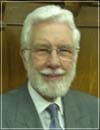
Stephen Hyde

One God and One Mediator

1 Timothy 2:5-6
Stephen Hyde June, 11 2023 Video & Audio
0 Comments

In his sermon titled "One God and One Mediator," Stephen Hyde addresses the doctrine of Christ's mediatorship, emphasizing its foundational significance in the Reformed understanding of salvation. He highlights key points from 1 Timothy 2:5-6, where Paul declares the necessity of one God and one mediator, the man Christ Jesus, who offered Himself as a ransom for all. Hyde elaborates on the implications of this mediatorship, asserting that it illustrates God’s holiness and Christ’s unique role in reconciling humanity through His atoning sacrifice. The sermon also underscores the urgency of salvation and the importance of understanding and meditating on these doctrinal truths, linking them to personal faith and assurance of eternal life. Overall, Hyde’s message serves to remind believers of the omnipotence of God’s grace and the essentiality of Christ's sacrifice, urging reliance upon Him as the sole mediator.

Key Quotes

“A mediator is one who is there to bring parties that are different, have different views, together, to understand the truth of the situation.”

“What a blessing it is if we know something of the blessed effect of this mediator who indeed stands between us and our holy God in garments dyed in blood.”

“If we really understand that, if we really appreciate that the Lord Jesus...gave his life so that you and I might receive the gift of eternal life...”

“For there is one God, and one mediator between God and men, the man Christ Jesus, who gave himself a ransom for all to be testified in due time.”

Sermon Transcript

Auto-generated transcript • May contain errors

100%
May I please Almighty God to
bless us as we meditate in his word this morning. Let us turn
to the first epistle of Paul to Timothy, chapter two, and
we'll read verses five and six. The epistle of Paul to Timothy,
chapter, the first epistle of Paul to Timothy, chapter two,
and reading verses five and six. For there is one God and one
mediator between God and men, the man Christ Jesus, who gave
himself a ransom for all to be testified in due time. We need to perhaps understand
that the Apostle Paul wrote these two letters to his son in the
faith, Timothy, and instructed him in so many important things,
and especially with regards to those things concerning the salvation
and the souls of people. And what a good thing It is therefore,
as we read these epistles, we are mindful of the relevance
of them and the importance of them, how Timothy was exhorted
in them, he starts in the second chapter, I exhort therefore,
he desired indeed that his son in the faith might listen and
be taught and instructed and be able therefore to declare
the great and glorious truth of God and so as he comes down
in this second chapter he tells us the reason who will have all
men to be saved and to come unto the knowledge of the truth how
relevant that is today how relevant it was when the Apostle wrote
to Timothy but how needful it is that men might be saved. If you and I perhaps, as I mentioned
in prayer, have some little understanding of spending an eternity lost
in hell. And remember, there is no end,
there is no change, there is no escape. It continues forever and ever. It's a very solemn thought, a
very solemn truth, and it's something which our minds, because they
are finite minds, we cannot really absorb the great truth of eternity. But it's good sometimes if we
just try and ponder what it actually means. And as the Lord enables
us to do it, it will demonstrate to us the enormity and the terribleness
of spending eternity lost in hell. Well, may such a thought,
much a consideration, be impressed upon our hearts that we may be
concerned, therefore, that men are saved and that they do come
to the knowledge of the truth. Few people today seem concerned
about the knowledge of the truth. So many people today seem to
have an airy-fairy religion. They're just happy to, just as
it were, skirt around the edge of reality. and not really understand
the great truth of God. Sometimes I'm reminded of the
words which were spoken by Nehemiah in Nehemiah's day. And you remember that was a time
when the Israelites came back from captivity. And well, they'd
been there for 70 years. And we're told that Ezra spoke
to the people. And what he spoke, to the people
in the eighth chapter of nehemiah and all the people gathered themselves
together as one man into the street that was before the water
gate and they spake unto ezra the scribe to bring the book
of the law of moses which the lord had commanded to israel
And Ezra the priest brought the Lord before the congregation,
both the men and women, and all that could hear, with understanding,
upon the first day of the week. And he read therein, before the
street, that was before the water gate, from the morning until
midday. They didn't get fed up, did they?
So it was a long chapter this morning. We don't think we want
to listen to that. He read the law from the morning
until midday, before the men and the women and those that
could understand. and the ears of all the people
were attentive unto the book of the law. Well you can go on
and read the first few verses down to verse 8 really tells
us about how they were spoken to and how they caused the people
to understand the law and the people stood in that place now
it's important that all of us as we come together to worship
we do understand the truth of God and as we read the word of
God we come to hear the truth of God and to understand it we
shouldn't just come and go and say well I didn't understand
what he was on about this morning and well so so it is and you
don't worry our concern should be that we do understand and
also it should be the preacher's concern that the words spoken
are simple so that people do understand. It's a great privilege,
it's a great blessing to preach everlasting gospel. What a favour
therefore if a Lord graciously comes and applies the word. Well, here we have in these words,
as I've just read, who will have all men to be saved and come
unto the knowledge of the truth. We read together in that 14th
chapter of John and we sang about it in our second hymn, the relevance
of these things and the words that Jesus spoke. It's a glorious
chapter, that 14th chapter. And the Lord Jesus said in those
words, he said this in the sixth verse, Jesus saith unto him,
I am the way, the truth and the life. No man cometh unto the
Father but by me. How often you see we perhaps
read that, how seldom perhaps we really appreciated the importance
of it, the relevance of it. Well as most of you know last
Lord's Day we spoke from the Hebrews on the high priesthood
of Christ and that's a wonderful glorious theme and so this morning
we have a very similar theme and the theme this morning is
really Christ as our mediator Christ as our mediator and you
may say well what does that mean well a mediator is one who is
someone who goes between who's someone who reconciles And it's
good just to ponder there for a moment, to think that we have
a great God, our Father in heaven, who is holy and righteous. And we today have a gracious
and wonderful Saviour, the Lord Jesus Christ, who, as we said,
last Lord's Day, is a high priest, but also is a mediator. A mediator is one who is there
to bring parties that are different, have different views, together,
to understand the truth of the situation. To think, and it should
be exceedingly humbling for us today, to realize that we have
a great and glorious mediator, the Lord Jesus Christ. And these
words are very clear, aren't they? For there is one God and
one mediator between God and men, the man Christ Jesus. Well, what a blessing it is if
we know something of the blessed effect of this mediator who indeed stands between us
and our holy God in garments dyed in blood to think of that
glorious truth and to think that he is there as our mediator to
bring us to realise the greatness, the holiness, the perfection
of God and to put us in our right place as unworthy sinners and
yet indeed to graciously and gloriously rejoice in this great
truth that we have in the sixth verse, who gave himself a ransom
for all to be testified in due time. What a blessing it is for
us to realize today that we have a great and glorious Savior who
gave himself, willingly gave himself as ransom he paid that
price which was due to us which we could not pay because we were
sinners unable to satisfy the holy righteous law of God but
what a mercy it is to realize that we have a a wonderful, wonderful
Savior. Well, the Apostle Paul, when
he wrote to the Hebrews, picked up really the same theme. And
again, if you just ponder for a moment, it's good to think
about it. You know, the Apostle Paul was used by God very greatly. And if you look back in the history
of Paul, you will realize that he, at one time, was an unbeliever. It wasn't to say he didn't believe
in God. He believed in God, but he was an unbeliever with regard
to the Savior. And we're told he was brought
up in the feet of Gamaliel. And he learned, therefore, a
tremendous amount about the law of God. But it was just the law,
and he didn't understand the glory of the gospel. But after
he was converted, and after he was baptized, he went into the
desert. And quite clearly there, God
instructed him and showed to him the relevance of the Old
Testament laws and the Old Testament ceremonies. And he was able therefore
to set before us, especially in the Hebrews, the great and
glorious truths concerning the work of the Lord Jesus Christ. Well, we should rejoice in it. Well, in the ninth chapter, which
speaks really about Christ the mediator. It's a wonderful chapter. Well, the whole Bible is wonderful,
isn't it? But perhaps particularly with regards to this and the
apostle tells us He said, for if the blood of bulls and of
goats, and the ashes of an heifer, sprinkled in the unclean, sanctifyeth
to the puring of the fying of the flesh, how much more, how
much more shall the blood of Christ, who through the eternal
Spirit And just note that because it speaks there about the eternal
spirit as the Holy Spirit being eternal. It's good again for
us to understand these truths as we read through the Word of
God. There are little clauses which pick up great truths of
doctrine so that we have a right understanding that God is eternal. God the Father, God the Son,
and God the Holy Spirit. Each member of the Blessed Trinity
is eternal. And here it's spelled out very
simply with regard to the Spirit, who through the eternal Spirit
offered himself without spot to God. Again, a very simple
statement, very relevant, because it meant that here was the Savior
who offered himself He had no sin. If he'd had sin, he would
not have been someone who would have been accepted to pay the
ransom price for our sin. But he was without spot. He was pure. He was undefiled. And when you think of the life
he lived on this earth, in this evil earth, and we're told he
was tempted in all points. like as we are, yet without sin. It's amazing, isn't it? You think
if we go about day by day, night by night, our thoughts, our words,
perhaps our actions, are sinful. And yet you see Christ was tempted
in the same things that you and I are. And the great blessing
is, therefore, he understands us. That's the wonder of it. It's not an alien situation.
We don't come to a God who doesn't understand us. We come to a God
who's walked that way on this earth. And so how good it is
to be able to realize how much more, again, that's a good statement,
isn't it? How much more shall the blood
of Christ No doubt the Apostle Peter says in the first chapter,
the precious blood of Christ we are redeemed with, nothing
of less importance, the precious blood of Christ, who through
the eternal Spirit offered himself Without spot to God, purge your
conscience from dead works to serve the living God. Again,
you see, we can do many things which are of no real value. We may think they're good, we
may think they're good works, but do they agree with the word
of God? Are we following the great and glorious truth of God?
And so he comes on and says this, and for this cause, because of
what we just read. For this cause, he is the mediator
of the New Testament, the New Covenant. There was an Old Covenant. The Old Covenant was the law
of God, and Israel and the Church of God were commanded to keep
that law. That was the Old Covenant, which
no one could keep. No one could keep. It was holy
and righteous, but they couldn't keep it. And so we're told here,
and for this cause, he is the mediator of the New Testament.
That means he stands between a holy God and the sinner, to
mediate for them. Wonderful, isn't it? Because
they are we, a guilty sinner. And what is his mediation? Well, it's wonderful to think
that the Lord Jesus Christ mediates in our behalf to our Father and
is able to testify that He gave His life as that wonderful sacrifice
in order to redeem us, to free us from the curse of our sin, which says, the soul
that sinneth it should die. means spend eternity in hell
unless we are amongst those who are redeemed. And so here we
have this great statement. And for this cause he is the
mediator of the New Testament. You see we often don't understand
the glorious work of the Lord Jesus Christ. We read these things, they pass
over our mind and we move on. And yet it's good to ponder,
to meditate. It's good to meditate on the
things of God and to pray that our meditation of Him might be sweet. that by means of death he is
a mediator of the New Testament that by means of death if he
hadn't died that sin atoning death you see he wouldn't be
a mediator he wouldn't be a suitable person he wouldn't be an able
person but because of his perfect life sin atonement death he is
a wonderfully suitable person for you and me today that by means of death for and
he goes on the redemption that means the purifying of the transgressions
that were under The First Testament, as I've said, the First Testament
was the law of God. The transgressions that you and
I committed for that, the Lord Jesus Christ died in order to
redeem us from those transgressions that were under the First Testament. That they which are called might
receive the promise of eternal inheritance. See the great relevance
of that. Those who first of all are called.
We know not everyone in this world is called. But it's a wonderful
blessing if you and I today have the evidence in our heart that
Almighty God has called us. And that calling has this great
and wonderful effect that the Apostle tells us of. And you
hath he quickened who were dead in trespasses and in sins. And so he says, a new testament
by means of death for the redemption of the transgressions that were
under the first testament They which are called might receive
the promise of eternal inheritance. Again you see this word eternal. So therefore there was first
of all the eternal spirit blesses his people with an eternal inheritance. You see the inheritance given
to us by God and it is a gift. The gift of eternal life is an
eternal inheritance and what a wonderful favor and what a
wonderful blessing this is. Well says the apostle in this
epistle to the Hebrews instructing them with regard to those things
which the Old Testament referenced and now to share with them the
glory of the gospel. My friends, what a blessing,
you know, for you and me. What a mercy, what a favor it
is to recognize that we have such a God, such a gracious God,
such a merciful God, such a glorious God, who comes to us in this
way. And so here we have this statement
the Apostle was making to Timothy, for there is one God and one
mediator. between God and men, the man
Christ Jesus, who gave himself a ransom for all to be testified
in due time. Well, I wonder this morning if
we've been led by this eternal spirit to view the glory of this
saviour, as our mediator. It comes down, doesn't it, to
a personal application of the great and glorious truth
of God. You see, we worship Almighty
God for a personal application of His Word to our souls, to
know that He is your mediator, to know that He is my mediator,
the one who presents our case to His Father. It's really just too grand and
too glorious and too mighty to really try and understand but
to think that the blessed Saviour presents our case to His Father. Think of the millions of people
in the world. To think that this blessed Lord
looks upon us and presents our prayers to His Father. Well, how humbling it is, isn't
it? Standing between. Between us. We as a lost and ruined and sinner
indeed. Well, it is wonderfully true,
isn't it? And wonderful it is that we have
such a great and wonderful Saviour. You know, in the prophecy of
Zachariah, read together at home this morning,
this third chapter. And it's the prophecy which is
spoken about Joshua. Joshua was clothed with filthy
garments and stood before the angel. And he answered and spake
unto those that stood before him, saying, Take away the filthy
garments from him. And unto him he said, Behold,
I have caused thy iniquity to pass from thee. and I will clothe
thee with change of raiment. And I said, let them set a fair
mitre upon his head. So they set a fair mitre upon
his head and clothed him with garments of the angel of the
Lord stood by. Well, my friends, it's very humbling,
isn't it? To think that we really come
in that same condition in and by ourselves, we're clothed with
filthy garments. All our sins, they're not good,
they're not clean, are they? They're filthy garments. And we need them to be taken
away. And they won't be taken away
unless we're the recipients of those for whom Christ died. for whom Christ gave himself
a ransom. Well, this morning, you know,
we stand, don't we, all of us, we stand as individuals before
a holy God. He knows where we stand. He knows whether we are a true
believer, whether Christ is our mediator, or whether he's not. You know, we mustn't and we can't
mock God. He's too high. He's too holy.
He's too glorious and too gracious. And yet to think that we have
a God who is so compassionate, so compassionate that we can
truly come and bless God for his love and mercy toward us. The apostle again writing in
the Philippians, and gives us a little view and a little word
of instruction about the Savior. In the second chapter, he tells
us in the fifth verse, let this mind be in you, which also, sorry,
which was also in Christ Jesus. Just note that this mind, the
Apostle Desires to the Philippines and therefore by implication
to the Church of God, this mind to be in us, who being in the form of God
thought it not robbery to be equal with God, but made himself
of no reputation, Again, just remember this was the Almighty
Son of God, the Almighty God, who was willing to make himself
of no reputation. No doubt, perhaps, we may be
pretty proud of our reputation. And what we do and what we've
done and what we say, the Saviour made himself of no reputation. and took upon him the form of
a servant, and was made in the likeness of men, and being found
in fashion as a man, he humbled himself and became obedient unto
death, even the death of the cross. What a comparison. What a situation. The Son of
God. humbling himself, and yet says,
Paul, let this mind be in you. Let's understand what the Savior
endured. Let's understand the cost of
our salvation. Let's not think it's trivial. No. And it became obedient to
death, even the death of the cross. And then he goes on and
says these glorious truths. Wherefore God also hath highly
exalted him and given him a name which is above every name, that
at the name of Jesus every knee should bow of things in heaven
and things in earth and things under the earth. Well, what a
good thing it is if when we consider the great and glorious and wonderful
work of the Savior, we really desire to come and bow down and
worship God, bow down to Him as our Lord, as our Master, as
our King, the King of Kings and Lord of Lords, and we revere
Him as such. Surely then if we do that, our
desire and concern should be to do His will. Well, this morning
we're all sat here, aren't we? It's our great concern to do
the will of God, not our own will, The will of
God. God's will is a perfect will.
God doesn't make any mistakes in our lives. Often we are rebellious
and often we say, well I'm not going to do that or I don't think
I need do that or I don't think I need really follow that. Don't
forget what the Lord Jesus Christ tells us very clearly that we
are to take up our cross daily. and follow Him. We're not to
wander around. Every day we are to set forth
the wonderful truth that we are a true believer. What a mercy. How humbling it
is to think of these great and wonderful truths. And they're
spelt out to us, aren't they, in the Word of God. And often
we just pass them over. Because we're in a rush for whatever
it is and we don't really concentrate on the great truth of God and
the implication that is there. You know, we read these verses
this morning, I'm sure, many times. Timothy is a well-known
book. And yet have we honestly and
really appreciated the wonder of this great and glorious mediator,
the Lord Jesus Christ, there to bring us to God. to reveal
to us what he has done in order to redeem our souls, to show
that we are therefore justified, to have the wonderful revelation
that we've been clothed with his righteousness through his
wonderful work. All our righteousnesses, which
as I read are as filthy rags, have been removed. What a wonderful
gospel it is. And it's all of grace, my friends. Not something that you and I
have worked out ourselves. It is free and glorious and sovereign
grace. that we are redeemed, that we
are saved, and that the Lord Jesus Christ gave himself to
ransom us from our sin, to pay the price, and to cost his life,
his life. If we really understand that,
if we really appreciate that the Lord Jesus, the Son of God,
gave his life so that you and I might receive the gift of eternal
life and that through that wonderful gift we should be forever with
the Lord. Because, go back in eternity,
realise that's because he loved us with everlasting love. an unworthy sinner to be loved
with everlasting love. Well I hope it's a very humbling
consideration, a very humbling realisation to know that these
truths are recorded for our encouragement and for our instruction. They're
not there just to pass by, that they are there to realize the
wonderful love. And the second chapter of Ephesians,
which I'm sure is a very well-known chapter, where it starts off
in New Earthy Quickened, we come down to these verses. Wherefore,
remember. It's good to remember. that ye
being in time past, I hope that so, Gentiles in the flesh, who
are called uncircumcision by that which is called the uncircumcision
in the flesh made by hands, that at that time you were without
Christ, being aliens from the commonwealth of Israel, and strangers
from the covenants of promise, having no hope and without God
in the world. Well, can you and I go back in
our little lives to realize that was me. But for the grace of God, I'll
still be there. Yes, but for the grace of God,
you would still be there. but have you been blessed with
the grace of God so that you are able now to rejoice that
there is in your life and in my life a time past that at that
time you were without Christ being aliens from the commonwealth
of Israel and strangers from the covenants of promise having
no hope without God in the world but now now has there been a
change but now in Christ Jesus ye who sometimes were far off
are made nigh by the blood of Christ. Oh, what a wonderful
truth that is. What a wonderful truth it is.
And, you know, again, in an earlier part of this epistle to the Ephesians,
the Lord tells us this wonderful truth. According as he has chosen
us in him before the foundation of the world, that we should
be holy and without blame before him in love, having predestinated
us unto the adoption of children by Jesus Christ to himself, according
to the good pleasure of his will, to the praise of the glory of
his grace, when he hath made us accepted in the beloved. Well, I hope that's true. And
I hope this morning we can truly rejoice in these great truths. My friends, they are foundational
to us, to what we believe. And it's good to realize what
we do believe and to realize the relevance of what we believe
and the significance of what we believe for the one reason,
so that the name of our God is honored and glorified. to realize
what He's done in redeeming our souls and to come to think of
this great plan. It's a wonderful plan, isn't
it, of salvation. We pass over it very easily and
rapidly, but it's good to be able to meditate and ponder on
the great truths of the gospel and to rejoice in them and come
down to this wonderful truth we have here this morning. For
there is one God, and one mediator between God and men, the man
Christ Jesus, who gave himself a ransom for all to be testified
in due time. Of course, he means there all
who are predestinated unto that glorious place of eternal life. Well, this morning, my friends,
I hope you and I can rejoice in this great truth and realize
we do know in some small measure the glory of Christ as our mediator
who's brought us to God the Father, Holy God, and to realise it's
through the life and death of the Saviour that we're favoured
with this wonderful blessing to be amongst those who are favoured
to have set before them this inheritance which is undefiled,
eternal undefiled, and which is reserved in heaven for each
one of us, for the glory of God. Amen.
Broadcaster:

Comments

0 / 2000 characters
Comments are moderated before appearing.

Be the first to comment!

Joshua

Joshua

Shall we play a game? Ask me about articles, sermons, or theology from our library. I can also help you navigate the site.