Bootstrap
Daniel Parks

Divine Election

Daniel Parks May, 13 2022 Audio
0 Comments

Daniel Parks’ sermon on "Divine Election" extensively elaborates on the Reformed doctrine of election as articulated in Ephesians 1:3-4. The key points articulated include the nature of divine election as a sovereign act of God, independent of human merit or foresight, and the emphasis on Christ as the foundation of salvation. Parks references 1 Thessalonians 1:4, where Paul affirms the divine choice in election, highlighting that the elect are chosen for their holiness—separated from sin and dedicated to God. The practical significance of this doctrine is that it instills assurance and joy in believers, as their salvation is anchored in God’s eternal purpose, rather than human decision-making or worthiness.

Key Quotes

“Election is an eternal act of God whereby he chooses certain persons out of mankind to be the recipients of his saving grace and eternal salvation.”

“Some say this doctrine should not be preached. They will admit it's in the Bible, but it should not be preached. It's too deep and too dark. Well, it is too deep only for those whose spiritual understanding is very shallow.”

“It gives hope. Some say this doctrine shuts the door of salvation. No, it does not. It opens the door to salvation.”

“If you are a saint, a holy one living in holiness, if you are faithful in Christ Jesus, that is all the proof that you need that you are one of God's elect.”

Sermon Transcript

Auto-generated transcript • May contain errors

100%
Brother, I wanna thank you so
much for being here. Please come and may God bless
you as you stand before his people. Give us all the barrels there,
brother. Give us all the barrels. Good evening. Invite your attention to Ephesians
chapter one. The epistle of Paul to the church
in Ephesus First chapter. My text will be found in verses
three and four. My subject is divine election. I will begin reading in verse
number one. Paul, an apostle of Jesus Christ,
by the will of God, to the saints who are in Ephesus and faithful
in Christ Jesus. Grace to you and peace from God
our Father and the Lord Jesus Christ. And here's my text. Blessed be the God and Father
of our Lord Jesus Christ, who has blessed us with every spiritual
blessing in the heavenly places in Christ, just as he chose us
in him before the foundation of the world, that we should
be holy and without blame before him in love. That's divine election. I was born 1948, shortly after World War II. My father at the time of my birth
was an infidel. He was greatly opposed to God
because of the atrocities he had seen as an infantryman in
World War II, Somewhat inconsistent, blaming God for what men have
done to one another, but he was an infidel. He says that the first time he
ever prayed was the day I was born. The reason why he prayed
was, he said, I was the ugliest baby he had ever seen. And he was sure there was something
bad wrong with me. And he prayed that I might be
normal. It is debated whether or not
that prayer was ever answered, but he prayed I might be normal. And then the infidel became very
religious. Now when an infidel becomes religious,
he usually becomes very religious. He is as strong in his religion
as he was in his infidelity. And my father became very religious. About 1950, a preacher by the name of A.D.
Mews came to Winston-Salem, my hometown. A.D. Mews was a preacher of God's
free and sovereign grace in Jesus Christ, a close associate to
Pastor Henry Mahan, whom many of you will remember. A.D. Mews came to town and my father
and some of his very religious friends went to the meeting where
A.D. Mews was preaching. They went
to pray on the front row. They were praying that the Lord
would shut them out. of that man who was up there
preaching what my father called that damnable doctrine of election. My father says that he could
not pray that night because of having to hear what the preacher
was saying, and the Lord used the message that night to teach
my father regarding the gospel of his free and My father became a very pious
man. I never heard him use the word
damn except when he would tell that story about how he hated
that damnable doctrine of election when he was religious. But once
he learned the gospel, he loved this doctrine. He loved it. as this. Some say this doctrine
should not be preached. They will admit it's in the Bible,
but it should not be preached. It's too deep and too dark. Well, it is too deep only for
those whose spiritual understanding is very shallow. It is too dark
only for those who lack spiritual light concerning spiritual things. Folks, this doctrine is as plain
and as simple as it can be. It is no more complicated than
any other doctrine in God's Word, this glorious doctrine of divine
election. Paul says this is not a deep
and dark subject. This is not a damnable doctrine.
This is a glorious subject. When Paul is going to describe
the blessings of God to his people, he says this is the first one. Blessed be the God and Father
of our Lord Jesus Christ, who has blessed us with every spiritual
blessing and heavenly places in Christ, And the first blessing
Paul says is this, he chose us in him before the foundation
of the world. It's a glorious subject. Oh,
I love this, I love this. Some say that this doctrine is
fatalistic. No, it is not fatalistic. It
gives hope. Some say this doctrine shuts
the door of salvation. No, it does not. It opens the
door to salvation. There would be no salvation were
it not that God chose a people in Jesus Christ before the foundation
of the world. It's a glorious subject. It is
a blessed subject. And tonight we're going to consider
this doctrine of eternal election under salvation. What is it? Election is an eternal act of
God. whereby he chooses certain persons
out of mankind to be the recipients of his saving grace and eternal
salvation. He did so because he was gracious. He did not choose them because
they deserved it. They did not. He did not choose
them because he foresaw some good in them. He did not. He saw no good in them, foresaw
no good in them, and God has chosen the people out of our
lost race to be the recipients of his free and sovereign grace. We're going to look tonight at
this subject. I want you to see six things
regarding this doctrine of divine election. We're going to look
at its author, second, its nature, third, its objects, fourth, its
foundation, fifth, its time, and sixth, its purpose. Those
six things are in this very short statement that Paul made regarding
God choosing a people in Jesus Christ unto salvation. So consider
that first point, the author of election, who is he? Paul
says he is the God and Father of our Lord Jesus Christ. chose
us. There's the offer. The election
is a divine choice, and it is made by God the Father, the God
and Father of our Lord Jesus Christ. This is God's choice.
When Paul writes to the Thessalonian Christians in 1 Thessalonians
1, 4, he speaks of knowing, beloved brethren, your election by God. The chosen had no part in this,
none at all. God did not choose some whom
he foresaw choosing him if he had, and he would have chosen
none, for none would have chosen him. Jesus, when he speaks of vocational
election, says to his disciples, you did not choose me, but I
chose you. And the same is true with the
election of the salvation. God the Father would say, you
did not choose me. I chose you. The author of divine
election is God the Father. He did the choosing. Then consider
the second aspect here. It is the nature of election. He chose us. Election denotes the making of
a choice. Choosing one or more out of others. If you go to the election on
election day and you're given a ballot, you are expected to
make your choice. If you should take your ballot
on election day, and choose everyone on the ballot, your ballot is
rejected. Because that is not an election.
An election is singling out one or more out of a larger number. You cannot choose all, that is
not an election. Election indicates and of necessity
is the choosing of some out of another. This is the very meaning
of the word election. If you would look at it in the
Greek language, it comes from two words meaning to choose out
from. And the elect are said to be
the chosen out ones. That's the very nature of what
election is. Some say God chose everyone.
No, he did not. That would not be an election.
He chose some out of our race. to be the recipients of his grace. Then consider the objects of
election. He chose us. He chose us. Amen. Who does Paul mean when he says
he chose us? You'll find part of the answer
in the very first verse of our text. Paul writes, To the saints
who are in Ephesus and the faithful in Christ Jesus. These saints
would be not only those in Ephesus, but also those anywhere else.
All who are saints and all who are faithful in Christ Jesus
were the objects of God's electing grace. Who are these who are
the saints? The saints, the holy ones. And
these who are faithful. Who are the faithful? Those who
are full of faith. in Jesus Christ. These are the
ones whom God has chosen to salvation. They are the ones who become
the saints and faithful in Christ Jesus. If you'll go to the prophecy
of Isaiah 65, you can do that later if you wish, or if you
wanna look at it now, look in verses 22 and 29, and you'll
find that twice God speaks of my elect. And he speaks of them
as my servants and my people. Therefore, what do we know about
God's elect? They serve him. They are holy
ones because they're saints. They are faithful, they're believers
in Jesus Christ. They are God's servants and they
serve him. Everyone whom God has chosen
to salvation will be fitting that description. Peter says
that they are a chosen people, a royal priesthood, a holy nation
of people belonging to God that you may proclaim the praises
of Him who called you out of darkness into His wonderful light. You can spot God's elect. They
proclaim His greatness and they proclaim His glory. If you'll
find a man who's speaking of His free will and exalting his
free will, he's not going to talk about this doctrine and
proclaim God's grace and mercy in it. God's elect loved this
doctrine. They proclaimed the praises of
him who called us. We know that we have been blessed
of God to be a chosen people, a royal priesthood. Then consider
the foundation of election. He chose us in him. He chose
us in Christ. The point I would make to you
in this regard is this. God did not purpose to merely
save a people. I repeat, He did not merely purpose
to save a people. Rather, He purposed to save a
people in Christ. Amen. All his blessings are in
Christ. He speaks of Jesus Christ as
being my chosen one, my elect. God chose his only begotten son
to be the mediator for his people and then chose his people in
Christ. He chose Christ to be our head. He chose us to be in him. Jesus Christ is the foundation
of this glorious doctrine of election. Jesus repeatedly speaks
of those whom the Father has given to me. My Father has chosen
them out of the world. My Father has given them to me. It is my responsibility, it is
my obligation to save them, and that is why God chose us in Christ,
that our salvation may be in Him. We learn much about Jesus
Christ from this phrase where Paul speaks of the author of
election as the God and father of our Lord Jesus Christ. He
chose us in him and he is the God and father of our Lord Jesus
Christ. Look at that phrase, the God
of our Lord Jesus Christ. That speaks of his humanity. God is the God of all mortals. Then he's the father of our Lord
Jesus Christ. That speaks of our Lord Jesus
Christ's deity, like father, like son. Some years ago I had
a man visit me. He was of a sect claiming to
be witnessing for Jehovah and I invited him up onto the porch
and we were talking And he had his young boy with him. And young
boy, must have been about maybe three or four years old, was
walking and he was with his father on this occasion. And the man,
so I directed the subject toward the sonship of Jesus Christ. How that Jesus Christ is of the
same nature with his father and therefore divine. And the man
was not buying this at all. He was objecting. And I said,
is this your son? Yes, that's my son. And in the course of the conversation,
he even admitted that it was his only begotten son. I said,
God has an only begotten son, Jesus Christ. Yes, he knew that,
he knew that. Tell me, your son, your only
begotten son, Is he as much human as you are? Oh, of course he
is. Of course he is. Now, he has
your human nature? Well, of course he does. Does Jesus Christ have his Father's
nature? And he did not want to answer
that question. He did not want to answer that
question. Because the only begotten Son
of the Father, of God the Father, has the Father's nature. Well,
here is the foundation of our election. We are chosen in Christ. The fact that he is of God shows
the humanity of Christ. The fact that Jesus Christ comes
from the Father as the Son of the Father shows the deity of
Christ. The fact that God is the God
and Father of our Lord Jesus Christ shows the dual natures
of Jesus Christ. the human and the divine natures
in one person. Our election has this foundation. The one in whom we were chosen
is God manifested in the flesh. God chose us in Christ before
the foundation of the world. Since Jesus Christ is the foundation
of our election and of our salvation, it is an absolute certainty.
Our foundation will never quiver. Our foundation cannot be shaken. Our foundation is immutable. If God chose a people to be saved,
they will be saved because the foundation of their salvation
is certain. Consider the time of our election
before the foundation of the world. Before the foundation
of the world. Election is an eternal decree. An eternal decree. Before there
was an earth, before there was time, before there was space,
before there was matter, before there were any of these things,
God chose a people in Jesus Christ unto salvation. Did it before
he did the creation. This means that when God made
the heavens and the earth and he put man there in the garden
of Eden and he told man, he said, obey me and you will live and
lo and behold, man disobeyed God and God says, oh no, oh no,
it was all for naught, what will I do now? No, no, no, God had
purposed a salvation before all of this even happened. before
the foundation of the world. Adam's sin did not take God by
surprise. Adam sinned, but God had already
made the remedy for Adam's sin before Adam sinned. Before the
foundation of the world, God chose a people in Christ. Before
the foundation of the world. Paul says, God saved us and called
us. Notice, he didn't say God called
us and then saved us. He says God saved us and called
us with a holy calling given to us in Christ Jesus before
the foundation of the world. Before the foundation of the
world, when God chose a people under salvation, their salvation
was certain. And they would eventually call
in time. We read that before the foundation
of the world, Jesus Christ was foreordained to be the lamb who
would take away the sins of the world. We find that before the
foundation of the world, God took the names of his chosen
people and wrote their names down in the book of life of the
lamb slain from the foundation of the world. Before the foundation
of the world, God chose a people wrote their names in his book
and purposed their salvation. And when he did so, their salvation
was as certain as it was when it was applied unto them before
the foundation of the world. Paul not only declared this When he writes to the Philippians,
or to the Thessalonians, in 2 Thessalonians chapter two, he speaks of knowing,
beloved brethren, your election by God. We rejoice in this, knowing,
beloved brethren, your election by God. This is a glorious subject. I tell you what, I rejoice in
it. I rejoice in it. We glory in this doctrine of
sovereign election unto salvation. Then consider number six, the
purpose of the election, that we should be holding without
blame before him in love. That we should be holding without
blame before him in love. God chose the people in order
that they might become holy. Now that should let you know
that he did not choose them because they were holy or because he
foresaw them as being holy. He chose them that they might
be holy. What is it to be holy and without
blame? What does it mean? All right. To be holy means to be separated
from the world and consecrated unto God. Note the two words. Separated and consecrated. Separated from the world and
consecrated unto God. Before the foundation of the
world, God chose a people to be holy, they're gonna be taken
out of the world. They're gonna be separated from
sin, from sin and shame, from all the iniquities of this world
and all the iniquities that are in them, and consecrated unto
himself. God chose a people that they
might be holy, separated from the world and consecrated unto
himself, and then chose them that they might be without blame.
Blameless. Blameless. God makes this election sure
unto us in our conversion. That's when he separates us from
the world and consecrates us to himself. And in our justification,
all blame is removed. All blame is removed. In our
justification, we are made to be blameless. Blameless. God beholds no iniquity in his
people. And this is because they were
chosen to be holy and without blame. Chosen to be holy and
to be blameless. This equips with being chosen
unto salvation. We have used those terms synonymously
already, but you cannot avoid doing so. Paul here in Ephesians
says that God chose us to be holy and without blame. When
he writes to the Thessalonians, he says, beloved brethren, knowing
your election from God, and you were chosen unto salvation. Not
only did God choose a people unto salvation, He ordained the
means by which they would be saved through sanctification
by the Spirit and belief in the truth to which He called you
by our gospel for the obtaining of the glory of our Lord Jesus
Christ. He chose us to be holy. He chose
us to be blameless. He chose us unto salvation. And it all means the same thing.
If you are saved, you're blameless. If you are saved, you are holy. If you are holy and blameless,
you're saved. And all of this is because God
chose a people unto it before the foundation of the world.
That we should be holy and without blame before him. Before him. God has chosen the people out
of the world and said, put them in front of me. I want them before
me now forevermore. And there they are. There they
are. Think about it, folks. When God has brought us out of
this world, we stand before him. Not only under his scrutiny,
but under his blessings. To be before God is to be a blessed
people. You do not want to be away from
God. You do not want to be behind
God's back. You do not want to be estranged
from God. God said, put them right here
in front of me. I will let them behold my glory
and I will delight in them. He chose us that we might behold
him without blame before him. There we are, congregated right
there before him and in love. He chose us that we might behold
him without blame before him in love. Think about that, folks. Think about it. God says, I hate all workers
of iniquity. And he does. God hates workers
of iniquity. God never hated his elect. He chose them in love before
the foundation of the world. And in God's decree, they have
been before him from before the foundation of the world. They
have always been the objects of his love. They will never
be the objects of his hatred. He chose thus that we might be
holy. Consider something else about
this. Look in verse five. Having predestined us to adopt
as sons by Jesus Christ to himself, notice, according to the good
pleasure of his will. Why did God choose a people?
According to the good pleasure of his will. Look in verse number
six. you'll find this expression,
to the praise of the glory of his grace. Look in verse seven,
you'll find this expression, according to the riches of his
grace. Look in verse number nine, you'll
find this expression, according to his good pleasure which he
purposed in himself. Now this is that glorious doctrine
of election under salvation. Some may call it a damnable doctrine. It is not. It's a glorious subject. It is a blessed doctrine. Some
may speak of it as deep and dark. It is not. It is as plain and
as simple. Folks, we just read it tonight,
did we not? It is in plain and simple language. I am so glad God chose a people
on the salvation, else none would be saved. None would be saved. This doctrine does not shut the
door of salvation, it opens it. And I will say to you tonight
that if you are a saint, a holy one living in holiness, If you
are faithful in Christ Jesus, that is all the proof that you
need that you are one of God's elect. How can I know that I'm
one of God's elect? Have you believed the gospel?
They all do. We all do. Everyone who believes
this gospel looks back and says, you know what? I have believed
because God chose me under salvation. brought me to saving faith through
Jesus Christ in the preaching of the gospel, and we delight
in this doctrine. The hymnist has written, "'Tis
not that I did choose thee, for, Lord, that could not be. This
heart would still refuse Thou from the sin that stained
me, washed me and made me free, and to this end ordained me that
I might live to thee. Well, my friend, I am so glad that God taught
this doctrine to my father when he was in his religion and showed
him the vanity of his I have rejoiced in knowing that
my father taught this doctrine to me. When I was growing up, from the
days when I was just a wee lad, my father taught this doctrine.
I understood it, I understood it. It was a long time before
the Lord saved me, but I knew this doctrine. And now
that the Lord has saved me, it is all the more glorious. I love
this doctrine. I love preaching it. And I delight
in knowing that God has chosen a people under salvation. That was fantastic. I enjoyed
that thoroughly. Thank you, brother. I love that
doctrine, too. All of God's people, as you said, love that doctrine.
That doctrine is exactly what we're going to sing a song about
here in the end. Victory
Daniel Parks
About Daniel Parks
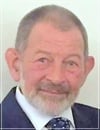
Daniel E. “Moose” Parks is pastor of Sovereign Grace Church, 1000 7th Avenue South, Great Falls, Montana 59405. Call/text: 931.637-5684. Email: MooseParks@aol.com.

Comments

0 / 2000 characters
Comments are moderated before appearing.

Be the first to comment!

Joshua

Joshua

Shall we play a game? Ask me about articles, sermons, or theology from our library. I can also help you navigate the site.