The Shepherd and His Flock
Exodus 16:1-8
Sermon Transcript
Auto-generated transcript • May contain errors
that. I first heard that song. I got
acquainted with that song back in the 70s. I loved it the first
time I read it. You change the words a little
bit. And I like the little bit of change there. But that's a
solid, great song right there. I appreciate y'all singing that.
Isaiah 40 is our text this evening. And I'm gonna endeavor to set
before you three verses and see if the spirit of God will enable
me to break open a sweet alabaster
box because this is indeed a precious ointment from the word of God
here in Isaiah 40, 9, 10, and 11. And I'll read these verses
to you. Isaiah 40, verse 9, O Zion, that bringest good tidings, get
thee up into the high mountain. O Jerusalem, that bringest good
tidings. Lift up thy voice with strength,
lift it up, be not afraid. Say unto the cities of Judah,
behold your God. Behold, the Lord God will come
with strong hand, and his arm shall rule for him. Behold, his
reward is with him and his work before him. He shall feed his
flock like a shepherd. He shall gather the lambs with
his arm and carry them in his bosom and shall gently lead those
that are with young. Isaiah chapter 40 is a chapter
devoted to instructions to God's preachers as to what they should
preach, the content of their preaching. You see, gospel preachers
are men sent of God to bring good tidings, not only to lost
sinners, but to saved sinners. as well. The message to the lost and the
message to the saved is essentially the same. It's the message of
good tidings, good news of the redemption of sinners, the grace
of God to sinners in the Lord Jesus. Many years ago, I was blessed
when someone gave me the works of John Newton. And in a message
on this portion of scripture, he suggested a little bit better
translation. And I think he's right, and I
consulted some translations that have been come down the pike since the
King James Version came. And I'll say this, I still believe
the King James Version is the best. There's a beauty about
it that I really love and appreciate it. And I know some of you use
the new King James Version, and that's okay, too. But I do prefer
the King James Version, but it's not a religion with me. And any
of you, if you get on the internet very much, there are some, if
you don't go by the KJV, well, you're not even a member of the
Children of God, and some people are like that. I do prefer it,
however, Newton, I believe, is correct
when he says on this passage that a better translation would
be, now look at verse nine. A better translation would be,
O thou that bringest good tidings to Zion. Get thee up into the high mountain. And then the last part would
be, O thou that bringest good tidings to Jerusalem. Because
really the exhortation is to the preacher and to the prophet
of God, and in this case to Isaiah, to bring good tidings to Zion. And I know Zion, the church of
our Lord Jesus Christ, we have a responsibility to preach the
gospel, to preach the good tidings of great joy of our Lord Jesus
Christ and His finished work of redemption. That is our responsibility. That's the responsibility of
Zion. That is the responsibility of
Jerusalem, Jerusalem being the church of our Lord, the city
of God. But really, The message is directed
to Zion to listen to the good tidings,
and to Jerusalem to receive and hear the good tidings. The exhortation is to the preacher's
scent of God. He's the man who brings good
tidings of great joy to the chosen people of God in this world.
He sets forth the goodwill and the grace and the favor of God
to men in Christ. The message of every servant
of God is Jesus Christ and Him crucified. God will never bless
any other preacher than those who preach Jesus Christ and Him
crucified. Here's what Paul said, we preach
Christ, not ourselves. Now let me say, first of all,
God tells His preachers what we are to preach. We preach the
grace of God. We preach good tidings. We preach
good news to Zion and to Jerusalem. Jerusalem is the city of God. And I know Jerusalem was a liberal
city, as it still is a liberal city in the Middle East. But
it's a metaphor for the city of God, the city of God's true
people. We are Jerusalem. God dwells
among us. We're the city of God. And then
we're also called Zion. Zion is a metaphor for the church
of the living God. And I know it literally means
a mountain. of which Jerusalem was a part,
because it was one of the mountains upon which Zion was built. But it's used as a metaphor,
again, I'll say, for the church of our Lord Jesus Christ. And
Zion has several different definitions. Number one, if you look it up
in your Strong's Concordance, it means a parched place. That
place that is all dried up. And that's what we are by nature.
We have no life. We must be quickened by the Spirit
of grace. We're parched. We're dried up. We don't have the water of the
gospel. We don't have the water of life.
We don't have the moisture that the Spirit of God must give.
We're dried up and God must indeed quicken us. But by grace, the
name Zion also means place of sunshine. It's where the son of righteousness
dwells. And he shines the light upon
his people. His presence enlightens us. In his light, we see light. In Revelation 21 and 23 we read,
and the city, that is the city of God, the city of Zion, had
no need of the sun nor of the moon to shine in it, for the
glory of God did lighten it, and the Lamb is the light thereof. He's the sunshine of his people. And then thirdly, another definition
of Zion is monument. You see, our Lord Jesus Christ
has a church that he has redeemed, and it stands forever as a monument
to his grace. It is an everlasting monument
to the faithfulness of God, to the sovereign mercy of our God. It's a monument to the glory
of the Savior by whose blood we have been redeemed. It's a
monument, the church is a monument to the Holy Spirit who has quickened
us and called us and drawn us to the Lord Jesus Christ. We
stand as a monument to the grace of God, the power of God, the
faithfulness of God, and the compassion of God to his people. In Hebrews chapter 12, the apostle
writes to us and he says, you haven't come to Mount Sinai.
You've not come to a fearful mountain. You've come to Mount
Zion, the city of God, the hill where God dwells. And we're to
proclaim the gospel of good tidings to the church. the good news
of our Lord Jesus Christ and His covenant engagements for
us. Know this, before we had any
being, before the world was ever created, in the mind and heart
of God Almighty, He had already given us to the Lord Jesus Christ
the surety of the covenant. And in Him we had a being. We
have no being, we have no existence outside of the Lord Jesus Christ,
but in Him we've existed forever, forever. And He's the surety
of the covenant. He gave His word that He would
come and be fully responsible for the salvation of all of those
that God covenanted to Him in electing grace. It's the good
news of his incarnation. Our Savior said in Hebrews 10
and Psalm 40, a body thou hast prepared me. And he came and
indwelt that body, and on his way he said, as it were, lo,
I come to do thy will, O God. The will of redemption, the will
of salvation, the will of reconciling his people unto God. And we set forth the good tidings
of his perfect life of obedience as our representative. There's
only been one truly perfect man that ever lived in this world,
and that's our Lord Jesus Christ. He was not tainted with sin,
as all of us are. And as all of Adam's race, all
who came forth from Adam, we're all corrupted by sin. There's
not a good man upon the earth. There's not a just man upon the
earth that doeth good and sinneth not. We thank him, we praise
him, we proclaim his perfect life of obedience as our representative. When he lived, we lived in him
because we've always been in him. And His obedience is our
obedience. His honoring God is us honoring
God. We honor God. We please God. We worship God. We're perfected
in Christ Jesus before God. For He is the one who is our
representative. And then the good news, the glad
tidings of His accomplished redemption. It says in Hebrews chapter 9,
He obtained eternal redemption for us. He went after it and
He got it. He got it. You see, redemption
is not available to you. Redemption is not something that
Christ made a possibility. He came, He went after it, He
took hold of it, and He laid down His life, He paid the ransom
price for all of His people, and Paul says, He obtained it.
He got it. He got it for us. That's His
own work. And then we proclaim His enthronement
and universal redemption or universal dominion. He said, all power
is given unto me in heaven, and in earth. Go ye therefore and
teach all nations. The reason we preach the gospel
with confidence, with the full assurance that the Lord will
bless the message, because of that one who sits at the right
hand of God himself. He's our savior and he's made
Lord of all. He was Lord before he came. but
he humbled himself and became obedient unto death, even the
death of the cross. Wherefore, God also has highly
exalted him and given him a name which is above every name, that
at the name of Jesus, everybody's gonna bow and everybody's gonna
say he's Lord to the glory of God the Father. He said, all
power, all authority is given unto me. Now you go preach the
gospel. This is our confidence. I'm not on a fool's errand. I'm not just wasting my time
and spinning my wheels. You're not either, Alan. We're
preaching. We're preaching the gospel. And
we're sure to triumph. We cannot fail as long as we
preach this gospel because it's a savor of life and the life
for some and death and the death for others. But that's not our
business. It's just for us to keep on preaching
the good tidings. Tell people who he is, what he
did, why he did it, where he is now, and that he's coming
back again, which brings me to this point. We preach his second
coming, when he'll resurrect all the dead, and when there'll
be a universal judgment, everybody's gonna stand before him. All nations
gonna be gathered before him. He's gonna divide them as a shepherd
divides his sheep and the goats. He's coming again. We tell people
all good things are found in Jesus Christ the Lord. And outside
of him, God's got nothing for you but wrath, death, judgment,
and hell. Now you've got to understand
that. We preach eternal justification
in Christ. We were accepted in the Beloved
when the Beloved took full responsibility for us, and that was forever
ago. Forever ago. The Lord has never
looked to us for any payment of any sort for our sins. Nothing was required of us. All
things required of our sacrifice, our substitute, and our Savior.
Everything God required, He looked to Him for. And we proclaim peace
and reconciliation in Him. Turn over, hold your place there
and turn over to chapter 52 of Isaiah. Look at chapter 52 and
verse 7. Isaiah 52 and verse 7. And of course this is quoted
in Romans chapter 10. Isaiah 52 verse 7, how beautiful
upon the mountains are the feet of him that bringeth good tidings,
that publisheth peace, that bringeth good tidings of good, that publisheth
salvation, that saith unto Zion, Zion, hear me. Zion, listen. Listen to the good tidings. Thy
God reigneth. Your Savior reigns. He doesn't
want to reign. It's not that He's going to reign.
He reigns right now. That ending, E-T-H, indicates
continuing action. This is something that will never
end. Our Savior reigns forever and
ever. And we publish that. We tell
that. Don't feel sorry for Jesus. Modern
religion leads people to feel sorry for Jesus because he can't
have his way. He's knocking on your heart's
door, but you won't open it, so he's sad. And he looks down
from the heaven and he leans over the banisters of heaven
and he cries because people won't let him do what he wants to do.
How pitiful is that Jesus? That's not the Jesus of the Bible. The Jesus of the Bible, of Him,
God's preachers say, He reigns. He reigns in creation, He reigns
in providence, and He reigns in salvation. He reigns over
all. There's not anything He doesn't
reign over. If He doesn't reign over Satan,
then that means Satan reigns over Him. And if he doesn't reign over
your will, that means your will reigns over him. Now, which is
it? Do you reign over him? Does he
reign over you? I'll tell you what, he reigns
over everybody. All the demons of hell, he reigns
over every one of them. All of their activities, our
Lord Jesus Christ governs all of it. and all of your activities
and all the events in this old world. And I can't understand,
I can't begin to commence to get started understanding how
he governs all things, but I'll tell you, there's not a fly that
irritates you. That little spider back there
you saw a while ago, he controlled that too. He reigns over everything. This
is our God. Zion, Zion, you who were parched
ground, but now you bask in the sunlight of the Son of God. Zion, you who are a monument
to the grace of God and the faithfulness of the Lord Jesus Christ, hear
this from this gospel preacher, thy God reigns. Ain't no need
to worry, get upset, get all that sorts. Doesn't help anything. Just causes you to lose sleep.
Rest easy. That's what I say to the people
of God. Thy God reigns. We'll go back
to our text now, because I've got to move on. Now watch this.
Our Lord not only tells his preachers what they should preach, but
he tells us how to preach. He says, lift up thy voice, middle
of verse nine, with strength. Lift it up, be not afraid. And say to the cities of Judah,
back in Isaiah 40, verse nine, saying to the cities of Judah,
behold, your God. He says, get up on a high mountain
and tell this. We're to preach the gospel in
the most open, public manner that we can. We're not to speak
in low voices as if maybe somebody might actually hear us. Shout
it out. Tell the story. Even if people
don't believe you. Paul told Timothy, preach the
word. Be instant, in season, out of
season. If gospel preaching is in season,
let it go. If it's out of season and people
don't want to hear you, preach it anyway. Just keep preaching. It's what God uses. Get up on
a high mountain and lift up thy voice with strength,
he says. Speak the message clearly, plainly,
constantly. God never called a man to mutter
about the gospel or to whisper it in a corner.
Lift up your voice like a trumpet. And don't be afraid. Don't be
afraid. I'll tell you something about
God's preachers. They're bold as lions. And the preacher of the gospel
must never allow his voice to be silenced by fear. You see, the man who counts the
favor of men or who fears the frown of men cannot and will
not faithfully preach the gospel. Paul said in Galatians 1, For
now do I persuade men? Do I seek to win the favor and
goodwill of men or God? He said, he said, do I seek to
please men? For yet if I please men, I should
not be the servant of Christ. I know, I know what people say. You know, you need to win friends
and influence people, but not in the ministry. That's okay
in the business world. and be nice to your neighbors,
but I'm not trying to be nice when I preach, except that I
don't want to be mean, but I've got to be honest with people.
We're not gonna cover it over with soft words and, you know,
make people think, well, you know, God loves me no matter
what. I don't know whether he loves you or not. It's not too
hard, is it? I don't know whether God loves
you. I don't know whether Christ died for you or not. That's none
of my business. I can't see into the counsel
of God. I can't look into the Lamb's
book of life. That's none of my business there. My business is to tell you who
Christ is and what He's done. And the saving part, the revealing
part, the quickening part, that's His business. And I'm perfectly
content to just keep preaching the gospel. We're on a mission. Somebody
said, well, you can catch more flies with honey. I ain't trying
to catch flies. I'm trying to kill your false
god. That's what I'm trying to do.
And if you worship this pitiful little Jesus that can't do his
will, You have got the wrong Jesus, and you'll go to hell
believing that Jesus, loving that Jesus, counting on that
Jesus, because He can't save. And this is what's wrong with
religion today. They've got a Jesus that loves
everybody, hates nobody. He wants everybody to come to
heaven and be with Him, and He don't want anybody to go to hell.
The Bible doesn't know anything about that kind of Jesus. The Lord Jesus Christ does his
will in the armies of heaven and among the inhabitants of
the earth and nobody can stay his hand or say unto him, what
doest thou? And he saves whom he will and he damns the rest. That's the way it is. So, after telling people what
we must do and how we must do it, the Lord tells us exactly
what we must tell people about his son. Here are three things
back in our text. First of all, he says at the
end of verse nine, behold your God. Number one, he is divine. He is divine. I command you by the authority
of God to look to the Lord Jesus Christ for salvation. The Bible
never tells you to look to the Father for salvation. Now be
careful now. The Bible doesn't tell you to
look to the Holy Spirit for salvation. The Bible says look to Christ
for salvation. For it pleased God that all the
fullness of the Godhead Nobody can measure that fullness. All the fullness of the Godhead
is found in the Lord Jesus Christ. And make sure you get this. You
will never behold your God until you behold your God in the Lord
Jesus Christ. That's the way it is. Well, Jim, the way you're preaching,
you're ruling out a lot of people, you know. I'm not ruling out
anybody. The very truth of the word of
God rules out people. There's no seeing God, there's
no approaching God, there's no being accepted by God except
in the Lord Jesus Christ. Behold your God. He's divine
now. He's not a God. He's not one of many sons of
God. We're children of God by adoption. He's not. He is eternally the
Son of God. So he's divine, tells us that. Number two, he's the successful
Savior. Look at verse 10. Behold, the
Lord God will come with strong hand. He's talking about Christ
now. He will come with strong hand. Strong hand, what does
that mean? That means He's omnipotent. It
means He's all-powerful. He's not weak and unable to accomplish
His will. He's powerful. He's powerful
enough to speak the whole world into existence with a word. Just a word. He turned the lights on in the
universe by just saying, lights be. Boy, lights came on everywhere. What about that? He's powerful. He's powerful
enough that he crushed the serpent's head He's powerful enough that
he took our sins upon himself, and as it were, carried them
into a land, into the wilderness, into a land uninhabited, and
threw them into the depths of the deepest sea, and they'll
never be remembered against us again. That's pretty powerful.
Pretty powerful. He's powerful enough to save
to the uttermost. To the uttermost. And it says
here, his arm will rule for him. He's so omnipotent that he will
accomplish everything that the Father sent him to do. And in
a few hundred years after Isaiah wrote this prophecy, Christ did. He accomplished everything he
came to do. The angel said, his name is Jesus. Well, is that
me? He shall save his people from their sins. And I ask people
all the time, well, did he do that? That's why he came. He
came to save his people from their sins. Did he do that or
just kind of open the door for them if they want to go through?
Well, he saves. He's saved by his death. Then it says his reward is with
him, the reward of everlasting life, which he has earned. He has earned that for his people. And his work is before him, the
work to redeem, to save, to fulfill all the promises and pictures
of the Old Testament. His work is to glorify God and
he fulfills. We're to preach three things
about the Lord Jesus Christ. Number one, he's God, he's divine.
Number two, he's the successful savior. And here's the third
thing, he's the feeding shepherd. The feeding shepherd. Look at
verse 11. He shall feed his flock like
a shepherd. Now, the word feed is not limited
to just giving food. though he does that. The word feed includes all the
branches of the shepherd's office. This divine one, this successful
Savior, will also be a tender, caring shepherd of his flock. Here's a miniature description
of what he had engaged himself to do and what he actually does
for his people. A miniature description. Number
one, he does feed his flock in the green pastures of his word.
But I thought about this, really, he is the pastor himself. because we feed on him. That's
what we do. He's the manna from heaven. I'm
gonna be talking about that Wednesday night. He's the water of life.
In John 6, the Savior talked about eating his flesh and drinking
his blood. He draws an analogy between the
natural and the spiritual. You see, the strength of your
body, the wellness and the nourishment that your body needs is provided
by you eating and drinking. That's how you get your nourishment.
If you don't eat, if you don't drink, you're going to fall off
to nothing. Even so, in this sense, we feed
on Christ by faith. And if you don't feed on the
Lord Jesus Christ and you're one of His sheep, you will be
malnourished. You can't have any strength unless
you feed on Him whom to know is life everlasting. He does
feed His flock. And He feeds us Himself. You remember he told his disciples
when he initiated the Lord's Supper, take eat, this is my
body. Well, that bread didn't literally
become his body. We feed on him spiritually. And
every time we come together, I try When Alan preaches, he
tries. When Ron preaches, he tries.
We try to set before you a table full of spiritual food for you
to eat. And we set before you Christ
our Lord. I'd say there's plenty of food
here to be eaten. If you're hungry, if you're hungry. If you're not hungry, See, a
lot of people want to eat something else. They'd rather have something
else. I want you to tell me how to
live. Tell me where I should go and where I should not go.
Tell me what I should watch on television and what I should
not watch on television. Well, let me tell you something.
I'm not your law. I'm not your boss. I'm your preacher. And my job is to set before you
the good tidings of great joy. That's my job. Our Lord, he does feed his flock. I tell you something, secondly,
here's something else. He guides his flock. First, by his own example, he's already trodden the path. The path of duty. The path of
trial. We fall in His footsteps. How
shall I handle temptations when they come my way, Jim? What did
the Savior do? He used the Word of God. He used
the Word of God. He guides us. He guides us by
example. He guides us by His Word. He
guides us by His Spirit. He teaches us in the way we should
go. He guides us by his providence. He's the shepherd of the sheep,
of the flock. Number three, he guards the flock.
After all, the flock was entrusted to him in covenant mercy. Sheep
have no defense against the enemy. Sheep can't defend themselves
against the wolves. They have no defense. And they
can't outrun a wolf. Wolves faster. And I'll tell
you this, there are a lot of spiritual wolves in this world.
Paul said to the Ephesian elders, didn't he, in Acts chapter 20.
He said, I know that after my leaving, grievous wolves are
gonna arise and they're gonna come from right inside the church,
he said. I'm no match for a wolf. I can't take on a wolf in warfare. I'm a sheep. I'm a sheep. That's my shepherd's job, to
guard the flock. He guards us. The lion that seeks
whom he may devour, lest he devour us, our shepherd, the lion of
the tribe of Judah, is infinitely greater than our enemy. And he
guards the flock. He got a lot invested in us. He laid his life down for us.
He's not gonna let the enemy get us. I know the powers of darkness
are great. See, we have many foes. And lots of them are visible. But most of them are invisible.
We're talking about the powers of darkness now. You have no
idea and I have no idea the greatness, the number of the powers of darkness
that oppose us. But the shepherd guards his flock. Not one sheep's gonna be lost.
The psalmist says, he neither slumbers nor sleeps. The Lord is thy keeper. The Lord
is thy shade upon thy right hand. He that keepeth thee neither
slumbers nor sleeps. He is ever your guardian. And he guards you to such an
extent as if he didn't have ne'er another sheep in the whole world.
See if you can grasp that now. As if there was nobody else but
you. He watches over you. I'll tell
you something else, he heals the flock. I wrote this down this afternoon.
Not even the very slightest circumstance in the life of any of his sheep
ever escapes his notice. You mull that over a little bit.
Not even the slightest circumstance in the life of you as one of
his sheep escapes his notice. He knows everything about you
and everything going on. He knows things that are going
on around you that you don't even have any idea of. You know what Job said? He knoweth
the way that I take. It helps me to be reminded of
that. You see, all of the shepherd's
actions are spiritually medicinal, designed to correct, to cure,
to restrain the maladies of our souls. Did you know the Bible sets this
forth? The Lord speaks in such a way,
He says, I'm putting your tears in a bottle. How many tears have
you shed? See, among the Egyptians, when
people wept at a funeral, and people would, they had a common
cloth. It wouldn't be very sanitary,
I suppose, but everybody used the same cloth, and they'd wipe
their tears, pass it to the next person, and
when it was done, they had a bottle and they wrung out the tears
in a bottle, and the Lord says, I put your tears in a bottle
and had some. You're talking about a tender
shepherd. He records our sorrows in his
book of remembrance. There's never a sorrow that you've
ever had that he hadn't recorded it. And I can't understand this either,
but he said, he's touched with the feelings of our infirmities.
How can that be, Alan? How can that be? You see, when some part of my
body hurts, my head knows about it. And my head feels it. He's the head of Zion. He's the
head of the church. Somehow or another, he fills
it. He enters into it. I can't explain it. This is all
waterway over my head anyway. And I'll tell you, he seeks and
finds his lost sheep. The Son of Man's come to seek
and to save that which was lost. And it says here he gathers the
lambs with his arm. Who are the lambs? Well, they're
the weak ones. They're the weak ones of the
flock. Can't keep up. Can't keep up with an adult sheep. Or maybe it's an older sheep
that can't keep up with the flock. You reckon he's just gonna leave
them back there and exposed to the danger? Oh, no. No. He gathers them in his arm. I feel like I'm one of them weak
lambs. He gathers us in his arm, carries them in his bosom. Lord,
I'm one of your weak lambs. Carry me. And you know what he
says in return? I've been carrying you all along. That's right. You are the lost
sheep I went after, and I found you, and I picked you up, and
I put you on my shoulders next to my heart, and I'm carrying
you all the way to glory. Not one step is your responsibility. I'll get you there, he says.
I'll get you there. And then lastly, it says he'll
gently lead those that are with young. I think these words are
encouraging to two kinds of people. Number one, to parents and grandparents
and great-grandparents. about your feelings towards your
children and your grandchildren and your great-grandchildren.
He knows all about your burdens, your prayers for your young ones. And you know, even when your
kids become adults, they're still your young ones, aren't they?
And you still pray for them. He leads us. and he knows the
burdens you bear. There are people in here, you're
burdened over your children, you got adult children, got grandchildren,
some of you got great-grandchildren. I'll tell you this, the shepherd
knows the burdens you bear. Do you have a child that you're
troubled about? Shepherd knows. He knows. And he gently leads you because he knows with the burdens
that you bear, you are in need of gentleness. He's not rough with you. And I would say, I think this
also in the second place, I believe this applies to pastors and ministers. Upon whose hearts the Lord burdens,
not only the adults of the congregation, but the young as well. Paul said,
he said, I travail in birth again till Christ be formed in you. People don't realize The burdens
of a pastor. Right there sits a faithful pastor
right back there. We're the under shepherds. That's
what we are. And when we've done our best,
and that's what we try to do, we try to do our best, not try
and do anything halfway, but when we've done our best, We have a lot of defects and
defilements to mourn over. And I know there are some people
quick to be critics of pastors and preachers. I just say they have no idea
the burdens we bear. They don't do the island, no. He said, well, I'll tell you
what, I wish he'd have done this, that, or something else. Well,
I'm doing the best I can, right? And you don't have any idea of
the burdens that we bear that oftentimes involve you and your
family. And he gently leads us to and he encourages us, the shepherd
does. And I hear him, as it were, by
his spirit, whisper in my heart, just keep doing what you're doing. Just keep telling the good tidings. Preach it to Zion, that Christ is divine, that his
work is successful, and that he's the shepherd who
takes care of all the needs of his flock. That sure helps me. I know the words are gonna be
on the screen, but I want us to kind of change the last song. Where is it? The Lord's my shepherd.
in the songbook, you got the songbook there.
About Jim Byrd
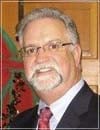
Jim Byrd serves as a teacher and pastor of 13th Street Baptist Church in Ashland Kentucky, USA.
Broadcaster:
Comments
Your comment has been submitted and is awaiting moderation. Once approved, it will appear on this page.
Be the first to comment!