Our High Priest
John 16:28
Sermon Transcript
Auto-generated transcript • May contain errors
17 to begin with. John chapter 17. And you will
recognize this as being the Lord's Prayer. Alan read to us from Hebrews
chapter 9. which had to do with the high
priest, mentioned the high priest of Israel, who was a picture
or a portrait, a type, of our Lord Jesus Christ, who is our
great high priest. The duties of the high priest
were to represent the people to God, and it was the responsibility
of the high priest on the day of atonement to represent the
people in the tabernacle and then in the temple. The people
couldn't go into the presence of God. He went into the presence
of God as the representative for all the nations. And then
that man, that high priest, first of all Aaron, and then on down
through the years to our Lord Jesus King, that high priest
would offer to God the sacrifice and then take that basin of blood,
sprinkle the mercy seed seven times on it and before it. and the sins of the children
of Israel were covered for a year. That man was a picture of our
Lord Jesus Christ. He came into this world as God's
high priest on behalf of God's chosen family. And that man,
Christ Jesus, that man who's the God-man. He offered to our God the sacrifice
that actually, really, and fully put away all the sins of his
people for all time and for eternity. And that sacrifice that our high
priest offered was, in fact, the sacrifice of Himself. And having offered Himself unto
God, the sinless, perfect sacrifice, who, having the sins and iniquities
and transgressions of all of His people, transferred to Him,
imputed to Him by God the Father, Having all of our iniquities
laid upon His head, He died under the wrath of God and yielded
up the ghost as our high priest. He did business with God for
us. You can't do business with God,
not one-on-one, except you do business with the
God man. I hear sometimes preachers say,
if I'm attending a funeral or something like that and somebody
else is speaking for a little bit, they'll say, have you made
your peace with God? You can't do that. You can't
draw near to God apart from this high priest. I want to talk to
you about. We've said many times, God will
not speak to nor be spoken to by any son or daughter of Adam
apart from a mediator, this high priest. You can't come into his
presence apart from Christ. God is a consuming fire. And if you take it upon yourself
to enter into the presence of God based upon your merits, based
upon your works, based upon your righteousness, let me tell you
something, you won't get into His presence. And you won't get
into His presence, you won't be received by Him for any reason. Why, you can't even talk to God
apart from a mediator. You can't pray to God apart from
this high priest. And in John chapter 17, here
is our Lord's high priestly prayer. It's the greatest prayer ever
prayed. And it's the most lengthy of
our Savior's prayers that are recorded in the Word of God. Our Lord's high priestly prayer,
this is the Lord's prayer. That prayer that our Lord taught
his disciples to pray, our Father which art in heaven, hallowed
be thy name. Thy kingdom come, thy will be
done on earth as it is in heaven. That's not the Lord's prayer.
That's a model prayer. That's a prayer from which we
take instructions on how to pray. But that's not the Lord's prayer.
Because he could never say, forgive us our debts as we forgive our
debtors. Forgive us our sins as we forgive
those who sin against us. He didn't have any sin. If He
had any sin, He couldn't be our Savior. Or as Brother Mahan said, one
sinner can't save another sinner. That's an impossibility. If you want to read our Lord's
Prayer, read John 17. This is in fact our Lord's Prayer. And it was preceded by the greatest
message ever preached and the most lengthy of our Lord's messages
that are recorded in the Scriptures. Right toward the end of John
chapter 13 and then chapters 14, 15, and 16, It's the greatest message, the
greatest sermon that's ever been preached. And I'm glad to tell you, and
I'm thankful to read in the Word of God, that our Lord Jesus,
after He had been tempted by Satan and successfully handled
that fiend from hell, our Lord then went forth preaching the
gospel of the grace of God. He was a preacher, a preacher. He was a prophet. And never a
man spake like this man. There'd never been a prophet
like our Lord Jesus Christ. All the prophets of the Old Testament,
though when they spoke by divine inspiration, they were speaking
the very Word of God, yet those men were in themselves imperfect. They were sinful. They lost their temper, like
we do. They said things they regretted,
like we do. They were anxious and wearied
and troubled about many things as we are. They were sinful men. They all had their faults, but
God used them to deliver His message to His people down through
the ages. And God still uses preachers. We're not prophets. I don't have
the gift of prophecy. But God still uses preachers,
notwithstanding our flaws and our faults and our sinfulness.
But there has been one prophet who was absolutely sinless. And he knew the mind of God. He knew the will of God. He knew
the covenant of God. Because he was right there when
the covenant was made. And he came into this vile world
to preach the truth of God's word. He was a preacher. He was a prophet. When our Lord spoke in Matthew
chapter seven, right at the end of it says, they were astonished
at his doctrine, at his doctrine. I hear people say, don't preach
doctrine to me, just tell me about Jesus. How can I tell you
about Jesus unless I tell you about Jesus and his doctrine,
Jesus and his teaching? He did not hesitate to set forth
doctrine. God talked about doctrine, his
doctrine shall distill like the dew. His doctrine is life-giving. His doctrine is the truth of
God, because He's the prophet of God. And all that He spake
in this vile world was directly from the Father, because He came
to do the Father's will. He was the perfect representative
of God. He said, I speak not of myself,
And the words that I deliver, I don't speak that they're merely
mine. The Father sent me with a message
to deliver. And we would do well to listen
to Him. And to listen to Him, we have
to shut our mouths. And that's hard for any of us
to do. because we want to put our two
cents worth into the whole program. He's the prophet, prophet sent
of God. God hath in these last days spoken
unto us by his son. You want to hear God speak? Listen
to the Lord Jesus Christ. That's God speaking. You want him to speak to you?
Well, you better listen to what he has to say. Listen with an open mind and
an open heart. Ask God for that gift. He is
the prophet and he is the high priest of God. And he has many priests Because all of his people, we
are a kingdom of priests. And we denounce as heretical
this idea that you have to go to a priest and confess your
sins to him. Well, that's absolutely wrong.
In the funeral that I conducted earlier or last week, Only one
of y'all who was here was Paul. I had two others from our congregation
were there. But I told the story about a
woman, an elderly woman, dying in the hospital. And a Roman
Catholic priest stopped by the nurse's station. ask about people
on that floor, and the nurse told him, told this priest, said,
there's a lady down here in such and such a room, she's dying.
You might stop by and visit her. So he stopped by, and he walked
in the room, and he said, ma'am, called his, and he had introduced
himself, he said, I'm here to absolve you of your sins. And she said, beg your pardon? He said, I've come to absolve
you of your sins before you leave this world. And she said, let
me see your hands. And he said, or he thought to
himself, so the story goes, well, I'll just accommodate her. You
know, she's in the final stages of life, and she's a little confused,
so he just held up his hands like that. She said, you can't
absolve me of my sins. Well, he said, why not? I'm a
priest. She said, you don't have nail-scarred
hands. Nobody can forgive you of your
sins but that one who died for sins. Our Lord healed a man one time
of his crippling disease. He said, which is easier, rise,
take up your bed and walk, or your sins are freely forgiven?
And the Jews said, nobody can forgive sins but God. Yeah, you
got that right. You got that right. Our Lord Jesus forgives sin upon
the basis of His life laid down. That's the basis of forgiveness. God cannot forgive anybody apart
from a suitable, accepted, God-approved sacrifice. It just won't happen. That's why we come to God through
Christ Jesus. He's our High Priest. We come
on the basis of His bloody death. His sacrifice, that's what satisfied
God. It's not your prayer that satisfies
God. It's not your tears of repentance
that satisfy God. It's that bloody death of the
Lord Jesus Christ, that sacrifice that was presented to God, and
God said, that's a sweet smell to that sacrifice. And in Genesis chapter 8, that
sacrifice that Noah offered, the moment he got off the ark,
that's the first thing he did was offer a sweet-smelling savor
to God, a sacrifice. He didn't build a house. The
rest of us would have said, you know, I've got to have a house.
And then I guess I'm going to have to go to work somewhere."
He'd get all that straightened out and say, well, now I need
to worship God. That's the way people do. That's
the way we do. I tell you what, Noah got off
that ark, and he built an altar, and he killed an animal and offered
it to God, and the Bible says it was a sweet-smelling savor
to God. And those words are used concerning
the sacrifice of our Lord Jesus Christ in Ephesians chapter five
and verse two. A sweet smelling savor to God. Who offered it? Our high priest. And he entered back into glory
upon the basis of that bloody offering of himself. that he
offered to God. And now he sits in glory as the
king, because he's the prophet, he's the priest, and he's the
king. And as the king, he rules the
universe to fulfill God's eternal purpose and to work all things
for good for his people. And still, he is our prophet
who continues to teach us. He is our high priest who continues
to remember us in prayer. You know, I want you to pray
for me. I've said this a lot of times. I want people to pray
for me. But I don't need to call everybody
up and say, well, I hope you all pray for me. And the more
I can get praying for me, the better off I'll be. That's what
a lot of people think. If we can gang up on God, that's
what people think. If we can gang up on God, let's
call every church and tell everybody, I'll be praying that I'll get
over my hangnail. Pray for me. And maybe if we
all go together and say, oh God, do this for Mr. Byrd, then it'll
get done. Let me tell you something. There's one person that I want
to pray for me. And that's my high priest. I
know the Bible says call for the elders of the church. Absolutely. And the scripture says, the effectual
fervent prayer of a righteous man availeth much. But I'll tell you the effectual
fervent prayer of my high priest availeth everything. Everything. Because he knows the will of
God. Because he is God himself. And
I say to all of you who are the people of God, and I say to you
who are watching, your high priest speaks to the Father on your
behalf. And I'll tell you something about
his prayers. They're always heard, and they're always answered.
because he prays in perfect conformity to God's eternal purpose. And
in John chapter 17, here he is praying for the people that God
gave him. In this prayer, we will hear
him say, I pray not for the world, I pray for those that you gave
me out of the world. That's who he prays for. But there's a verse before, and
I'm not gonna get into chapter 17 tonight, I'll get into it
next weekend, the Lord willing, next Sunday night. But there's
a verse back in chapter 16 that I want to draw your attention
to about our high priest. And it's a pretty short verse,
but really, John chapter 17 is a commentary on the verse that I'm going to
read to you. And it's verse 28 of John 16. Hear what the Savior says, I
came forth Where did he come from? From the Father. Where did he come to? And then
come into the world. And then he says, again, I leave
the world. Where did he go? Right back to
the Father. You see, John 17 is actually
a lengthy commentary on that one verse. Because in John chapter 17, our
Lord Jesus addresses these issues. Who he is, what he came to do, the results
of what he did, and where he is now. So these only three important
statements, but they're so weighty. And if we can learn what these
words mean in John 16, 28, we will learn the gospel. And then as we study John chapter
17, we will discover that in his prayer, our Lord gives a
26 verse commentary on John 16, 28. Let's see if we can grasp
these statements. The first one is, he says, I
came forth from the Father. That's a very weighty statement.
I came forth from the Father. Three things are implied. Number one, if he came forth
from the Father, he must have existed before he came here. I came forth from the Father. Look at verse 27. of John 16,
for the father himself loveth you because you have loved me
and have believed that I came out from God. He had an existence previous
to, prior to his entrance into this world through the womb of
the virgin. I came out from the Father. We can't say that. Our existence began at conception. Though, I want to add, in the
mind and purpose of God, we had an existence in our Lord Jesus
Christ before the world was made. One with Him today, one with
Him back in eternity, one with Him in eternity future. We had
an existence in Christ then. But as to our physical existence,
we began in our mother's womb, not so with Christ. If He came out from the Father,
if He came forth from the Father, He must have been with the Father. And if He was with the Father,
then He's always been with the Father. In the beginning was
the Word, and the Word was with God, and the Word was God. The interlineal Bible reads this
way. In the beginning was the Word,
and the Word was with God, and God was the Word. God was the
Word. This quite simply, and there's
really nothing simple about this. But this quite simply tells us
that our Savior is the eternal God. That's His deity. Look over a couple of pages to
John 20. John chapter 20, verse 30 and
31. And many other signs truly did
Jesus in the presence of His disciples, which are not written
in this book. Now, John 20, 31. But these are
written that you might believe that Jesus is the Christ, the
Son of God, and that believing you might have life through His
name. See, the issue with the Sanhedrin,
when our Lord Jesus tangled with them, and they hated this about
him, that he said God was his father, making himself equal
with God. He said he was the son of God. In fact, at that Malka trial
before the Sanhedrin, the high priest asked him, Is it true you said you're the
Son of God? I adjure you to answer me. And our Savior said, Thou sayest. You're exactly right, I'm the
Son of God. And the high priest began to
rend his clothes. He despised the thought that
this man, this peasant man, this man from Galilee, this Jesus
of Nazareth, he despised the thought that he's God in the
flesh. But he is, he had to be, otherwise
his life would have meant nothing and his death would have meant
nothing. He was God incarnate, God in the flesh. This is his
deity. Do you remember when Philip preached
to the Ethiopian eunuch from Isaiah 53? I'd like to have heard
all that sermon. I bet you he's a good preacher,
don't you, Alan? I just know Philip was a mighty
preacher of the gospel of the grace of God. And that eunuch
listened to him talk about that man, Christ Jesus. Because he
said, is that right? Is he speaking of himself or
some other man? Oh, he's preaching about some
other man. He's talking about some other
man, Christ the Lord. And he preached the Lord Jesus
Christ to the eunuch. And the eunuch, he saw some water,
probably an oasis. And he said, here's water, what
doth hinder me to be baptized? And Philip said, if you believe,
you may be baptized. He said, I believe that Jesus
is the Son of God. That's what he said. I believe
he's the Son of God. And I'm gonna tell you something,
you really, you really cannot believe that the Lord, that Jesus
of Nazareth is the Son of God. apart from saving grace. This was the issue. His identity,
where'd he come from? He came from the Father. Had to be equal with God, therefore. He told those folks in John chapter
five, my Father worketh hitherto and
I work. And they went ballistic, man
alive. Got red face, so upset and mad
because they knew his sin, he's the son of God. And have you noticed, and I'm
sure you have, in John chapter three, when our Lord was speaking
to Nicodemus, a Pharisee, remember the issue was the identity of
Jesus of Nazareth. Our Lord Jesus continually said
before Him that He Himself, Christ, is the Son of God. For God sent
His Son into the world. That's what our Lord Jesus preached
in Nicodemus. Just driving it in, driving it
in. That's what they despised about
Him. Christ said, I came forth from
the Father. Three things are implied. If
he came forth from the father, he must have existed before he
was born into this world. Secondly, if he came forth from
the father, if he came out from the father, then the father must
have had a very good reason for sending him forth into this world. And the word of God is not vague. on why the Father sent Him. Preachers
may be vague. Preachers may miss hitting the
nail on the head. Ministers may not even know why
He came. But the Word of God is very clear
on this issue. Thou shalt call His name Jesus.
for He shall save His people from their sins." He came to save. That's why He
came. That's why the Father sent Him.
There's no other hope for worms of the dust like you and me,
beggars who are on the dunghill of sin and wretchedness. There's no other way for us to
be saved except God Himself veil His deity with flesh, join Himself
to our flesh in an irrevocable state. There's no divorce from
that. God in man joined to one, forever
joined to one, that He may live and then die as that sacrifice
for sin. He came to save. Notice back
here in Like in John 17, watch this, he says in verse, this
is in his high priestly prayer, verse four. 17, four, I have glorified thee on
the earth, and he did. Everything he did was to glorify
the Father. He said, I have finished the
work which thou gavest me to do. And this is in anticipation
of laying down his life for our sins. He came forth from the
Father, must have existed before then. If he came down from the
Father, if the Father sent him, he must have done the work that
the Father gave him to do. And there was no reluctance in
him coming. He said as he was on his way
to be formed in the womb of Mary, lo, I come, lo, I come to do
thy will, O God. He wasn't reluctant. I have a son. Sometimes when he was young,
I'd tell him to do something. I'd make sure he did it. I had
some steps that had to be taken sometimes to make sure that he
did it. But he would do what I told him
to do, and sometimes, I'm sure, with great reluctance. He didn't
want to do it, but he didn't want to face the consequences
of not doing it. You know what I mean. But our
Lord Jesus, there was no reluctance on His part. He's delighted to do the Father's
will. He came to give us the forgiveness
of sins through the redemption that is in His blood. He said in the Old Testament,
though your sins be as scarlet, they shall be, they shall be
as white as snow. He cleansed us from our sins.
And he said, your sins and iniquities, I will remember no more. That helps me. No more, they're
not gonna be remembered. And this statement shows his
willingness to come. He laid down his life. He said,
no man takes my life from me. I have the power to lay it down. I have the power to take it again.
This commandment have I received of my father. Well, I'm going
to have to go quick to get these other two in. But look here at
verse 28. So number one, he said, I came
forth from the father. Number two, and am coming to
the world. He was not of this world, but he came into this world. David talked about how the Lord
has been mindful of us, and He's visited us. What a great miracle that God
would visit us. And He visited us in the person
of His Son. He visited even though He knew
He would not receive a visitor's welcome. He visited us even though He
knew He would not be received even by His own family, His own
nation, His own world that He created. He came into the world. Though
he was not of the world, but he's come into the world.
Why did he come? To seek and to save that which
was lost. This is a faithful saying and
worthy of all acceptation that Christ Jesus came into the world
to save sinners, of whom I'm chief. What did he do while he was in
this world? Well, he lived the life of perfection that showed
he was qualified to be the sacrifice. And I mean he was inspected all
his life. Old Pilate stood before the Jews
and he said, I find no fault in this man. but said crucify him anyhow.
No fault. But more powerful than the voice
of Pilate is the voice of God. This is my beloved son in whom
I am well pleased. He qualified to die. He came into the world. What
did he do while he was in this world? Well, he honored God's
law. But in addition to that, he suffered
the penalty of the broken law for all of his people. He satisfied
God. That's it. See, that's what the
free will Armenians don't understand. and they don't believe. Otherwise
they wouldn't be running around saying, Jesus died for your sins
and God loves you. He's trying to save you if you'll
just let him. They wouldn't be talking that
trash. That's so demeaning to our God
and the Trinity of his persons. Our Lord Jesus came to pay our
sin debt and he paid it in full. And therefore, that brings us
to the third statement. He says, and again, I leave the
world and go to my father. He who came forth from the father,
who came into the world, went back to where he was before.
But he was different because this time, It's the God-man going
back. And you can read Acts 1, where
he ascended back to glory. And the fact that he went back
to the Father tells me whatever he came to do, whatever he came
to do, God said, I'm satisfied with
that. Did He bring in everlasting righteousness
for His people? Yes. Did He put our sins away? Did He separate them from us
as far as the East is from the West? Yes. The Father said, come
on back and sit down right here on the
throne of glory. I'm telling you, this verse is
very powerful. And it sets the stage for a study
of John chapter 11. And we'll get into that, the
Lord willing, next Sunday night.
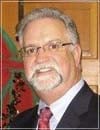
About Jim Byrd
Jim Byrd serves as a teacher and pastor of 13th Street Baptist Church in Ashland Kentucky, USA.
Broadcaster:
Comments
Your comment has been submitted and is awaiting moderation. Once approved, it will appear on this page.
Be the first to comment!