Moses' life in Midian was completely
different from his life in Egypt. When he was in Egypt, he was
the master. He had servants. He told people
what to do because he's the son of Pharaoh's daughter. He had
authority. He was head over everybody with the
exception of Pharaoh. And he had a very important role,
an important place to fill. And others submitted to his will,
submitted to his instructions. He was the master, they were
his servants. And now his life has changed. He is now the servant, and he's
the servant of Jethro, his father-in-law. Oh, how quickly the tide can
change for the children of God, from being well to being sick.
from being, as it were, on the mountaintop to being down in
the valley. That goes with life. But you
know, with the case of Moses, he really prefigured our Lord
Jesus. He was the master of all things. All of the angelic hosts were
his servants. He commanded this one to do something
and they would obey. Orders to this one, and they
would fulfill what He had designated for them to do. He was the ruler
over all things. His word of command was received
by the hosts of heaven. And they immediately obeyed Him.
All things moved according to His sovereign will. And then
He came into this world. And He became the Servant. The Servant of Jehovah. So the
Lord said in Isaiah chapter 42, Behold My Servant. In chapter
53 of Isaiah, He's called, God said, He's My Righteous Servant. He came to do the will of God.
He said on His entrance into this world that's recorded in
Hebrews chapter 10, Lo, I come to do Thy will, O God. Here is God's perfect servant. And even when He met with His
disciples, He said, I am among you as one who serves. As one who serves. And indeed,
He served the cause of God and certainly served His people,
and that He who knew no sin was made sin, that we might be made
the righteousness of God in Him." If you'll go back with me to
Exodus now, the third chapter, Exodus chapter 3, and we find
Moses now in Midian. We find him in Midian. He has
departed from Egypt. And we don't know a lot of what
went on while he was in Midian. If you read carefully with me,
and I'm sure that you did there in Acts chapter 7, the life of
Moses was presented to us in three sections. The first 40
years in Egypt. And then we read that when the
full 40 years were ended, that's when he met the Lord at the burning
bush. So that's 40 years in Midian.
And then 40 years in the wilderness. And that's very wonderfully set
forth there in Acts chapter 7 according to the spirit of inspiration
given to Luke. who recorded the life of Moses. And so he's in Midian as we exit
chapter two of Exodus. He's in Midian. But he got there. When he left Egypt, verse 17
of chapter 2, it says, the shepherds came. Let me read verse 16. And
the priest of Midian had seven daughters, and they came and
drew water. They filled the troughs to water
their father's flock. And the shepherds came and drove
them away. But Moses, Moses stood up. He helped them. and he watered
their flock. Here he is doing the job of shepherd. And as we introduced in the chapter
3, we read in verse 1 of Exodus 3, now Moses kept the flock of
Jethro, his father-in-law, the priest of Midian, and he led
the flock. to the back side of the desert,
where apparently there was some good grass for them to graze
upon, but he's being directed by the providence of God, even
as the Lord by his providence directs the steps of all of his
people, and the Lord directed him Moses, I'm sure, just seeking
better pasture for the sheep that are entrusted to him. He
goes to the backside of the desert and he came to the mountain of
God, even to Horeb, or to Mount Sinai. He leads the sheep there
because he's a shepherd now. He's a shepherd. And as you read
through the Word of God, you'll find many men who became illustrious
figures in the Word of God who began their ministry as shepherds. That one that certainly comes
to mind, not only Moses, who then grew up to be the deliverer
of Israel. But we think of David, David
the sweet psalmist of Israel, David the shepherd, the Lord
is my shepherd, he wrote, and David himself knew something
about shepherding the flock of God. And of course, as such,
he's a beautiful type of our Lord Jesus, who is the good shepherd. The Scripture says, "...who laid
down his life for the sheep." Our Lord Jesus is the Great Shepherd
and the Bishop of our souls. He's the Seeking Shepherd. He's
the Finding Shepherd. He's the Providing Shepherd. And how thrilled we are to be
His sheep, to be the sheep of His pasture, that the Lord God
of glory, the Trinity, we were entrusted as the Father's sheep
over to Christ Jesus, the Shepherd in old eternity. And since forever,
God has seen us under the capable and worthy protection and guardianship
of the great shepherd of the sheep, the Lord Jesus, who would
come into this world as the delivering shepherd, as the shepherd who
would save us. I am the good shepherd, he said.
The good shepherd giveth his life for the sheep. He says in
John chapter 10 a little further, my sheep hear my voice. He's
the shepherd who speaks. What is that word which he uses
but the gospel of grace? My sheep hear my voice. They
hear my gospel of redemption, of grace, of mercy. of a work
well done and finished by the Savior, by the shepherd of the
sheep. My sheep hear my voice and I
know them, I love them. How long has He loved them? He
didn't just start loving us. God didn't hate us and then He
decides He's going to love us then at conversion. He's always
loved us. We did fall in at Him, but we
didn't fall out of God's love. We didn't fall out of God's grace.
We fell into sin. But God had already made abundant
provision for those of us who had fallen into sin who were
His people. Because before we ever became
sinners, there was a shepherd, there was a Savior. Before the
sheep ever went astray. God said, this is the shepherd
of the sheep, and he will seek and find those who are lost.
And indeed, he came into this world in Luke chapter 19. He
said, the Son of Man is come to seek and to save that which
is lost. He's the shepherd. And Moses
is a beautiful type of our Lord Jesus here. He drove the false
shepherds away. What has kept you from being
hindered from drinking of the well of the water of salvation? Who protected you? When false
shepherds came and tried to preach to you, and maybe for a little
bit you swallowed their lies. But who prevented that from taking
complete, total hold of you? Who kept you from perishing?
Who delivered you from error? From free willism? From Arminianism? from thinking that God needed
you to bringing you to realize, I need God. Who did that? The Shepherd. The Shepherd. And the reason He delivered you
and me and you folks out there who are watching, who know the
Gospel, who love the grace of God in Christ Jesus, the reason
is because we have always been His sheep. And He has always
been our Shepherd. Our Shepherd. Blessed is that
man. Blessed is that woman. Blessed
are you if in your heart of hearts right now you can say with David,
the Lord is my Shepherd. He is. Therefore, I shall not
want. I shall not lack for anything
that He deems that I need to have. I shall not lack for forgiveness. I shall not lack for the righteousness
of God. I shall not lack for an eternal
portion with the Lord. I shall not lack for a glorious
inheritance. What's the reason that I won't
lack? Because of who the Shepherd is. My Shepherd, the Lord Jesus,
He's Jehovah, He's God Almighty. Come down in the flesh. The Lord
is my Shepherd. In Genesis 49, 24, it was promised
the shepherd, the stone of Israel's coming. He would come from the mighty
God of Jacob. Isaiah tells us that Christ,
when He would come, would take care of the sheep. He shall feed. He shall feed His flock like
a shepherd. And he shall gather the lambs
with his arm, and carry them in his bosom, and shall gently
lead those that are with you on. Doesn't he feed you? Is this not how we're fed right
now? And does he not Has he not gathered
us with his arm? And does he not carry us in his
bosom? Oh, the grace of our Shepherd. We're carried in his arms next
to his heart. There's no better place to be
than in the arms of the Shepherd. You who are His lambs, you who
are His sheep, realize again and again how very, very safe
you are in the arms of the Shepherd. Are you sick? You're in the arms
of the Shepherd. Are you weary? You're in the
arms of the Shepherd. Are you troubled? You're in the
arms of the shepherd. What else do we need? He has
committed Himself to the well-being of all of His sheep. In Zechariah chapter 13 verse
7, We have the Good Shepherd dying
for us, prophecy of His death, God Himself cries out awake,
O sword against My shepherd, against the man who is My fellow.
Our Lord Jesus, the Apostle Paul, tells us in Hebrews chapter 13,
He's the Great Shepherd of the sheep. And His blood is the blood
of the everlasting covenant. That blood is the blood of the
shepherd. He came to save us. Oh, what
a cost to Him. A painful cost. The cost of being
cursed by God's law. He came to save His sheep. And He did save us. because he
bore all of the wrath of God in the stead of his people. Moses was a shepherd. A shepherd. And he portrays our Lord Jesus
Christ, who like Moses, fights off, runs away the false
shepherds, and brings us to drink from the well of salvation. You say, I don't have a dipper.
He gives you faith. Faith is the dipper to dip down
into the well of water, the well of salvation, the well of righteousness,
the well of forgiveness. We dip down into the water and
we drink the cool, refreshing water of the gospel of God's
free grace. Thank God for the shepherd who
leads us to the water of life. and makes us long for that taste
of the pure grace of God. And you may be sure of this,
that where the well of water is, that is going to be the place
of battle. And our Lord Jesus is always
there. to fight off the false shepherds. The well of water, you see, is
our Lord Himself and His work of redemption. Let me tell you
something. All the false shepherds, they're
continually out to keep people from the water of life. That's
what they want to do. Keep you away from the well.
But our Lord is mighty. He's the everlasting shepherd. He's a mighty shepherd. And error
will not deceive the sheep. He'll make sure the truth gets
to them. And he teaches us. So Moses was
a shepherd. And he comes to Midian. He's
at the backside of the desert. And he comes to a mountain called
the Mountain of God. The Mountain of God, even Horeb
and Mount Sinai. The Jews say Mount Horeb was
the western side of it, and then the eastern side was called Mount
Sinai. And there, the Lord revealed
himself to Moses and called him by His grace into the ministry. Turn with me to Deuteronomy chapter
33. Look at Deuteronomy chapter 33.
This is on the last day of the life of Moses. This is his last day. In fact,
it would encompass Chapter 31, 32, and 33, and then
34 is the last chapter of the book of Deuteronomy, most likely
written by Joshua. And here is Moses, last day of
his life. I mean, the Lord is going to
take him on a final walk. Walk up the mountain called Pisgah. look over into the land of promise. And then the Jews say that God
kissed him and took his breath away. That's just their tradition. It's like the Lord who breathed
breath into him snuffed that breath out of him. He went to
paradise and then God buried him. Got buried. This is his last day. Last words of a man who's dying
if he's not drugged by medicines and so forth, if he's of a keen
mind, and Moses was, because the Scripture says it. In fact,
I'll just show you this, chapter 34, verse 7. This is what Joshua
wrote by the inspiration of the Spirit of God, verse 7, chapter
34. Moses was 120 years old when
he died. His eye was not dim and his natural
force abated. His mind was strong, his body
was not feeble. He's not wore out. You say you
feel like you're wore out? You ain't 120 years old either. But God gave him unusual, unusual
strength. The task that he had to take
care of, God gave him grace. But here He is the last day.
I just want to read one verse out of chapter 33, okay? Verse
16. We'll look at it closer another
time, God willing. But here in chapter 33, He is
pronouncing blessings upon the tribes of Israel. Sweet words. I said, these are the words of
a dying man, and he's fully aware of what he's saying. He's inspired
by the Spirit of God. So much so, of course, that this
has been preserved down through hundreds and hundreds of years. He's talking about the goodness
of God how the Lord is blessed in this case, Joseph and all
of the children of God, and he's giving thanks, he's appreciating
the things that God has given them. 33, 16, and for the precious
things of the earth and fullness thereof, and for the goodwill
of him that dwelt in the bush. I'll just read that part. He
thanked God for the goodwill of him that dwelt in the bush. Oh, how refreshing to read the
Word of God that speaks of God's goodwill, not man's free will. There's only one goodwill, and
that's God. And he says he is appreciative
for the goodwill of him that dwelt in the bush. Now watch
it. The word dwelt. Look it up. It means tabernacled. Resided. The goodwill of him
who dwelt in the bush. This is the goodwill of that
one who would be the God-man. For He's the one who dwelt in
the bush. And as you read of the goodwill
of the Lord, certainly we're reminded of Luke 2 and verse
14. It's one of the first verses
that came to my mind. Glory to God in the highest and
on earth. Peace. Goodwill. Goodwill. toward men. And the idea here of goodwill
means, this is the delight of God. Such as in Proverbs chapter
8 and verse 31, speaking of our Lord Jesus, back in old eternity,
His delights were with the sons of men. That is His goodwill. His goodwill, His delights, His
joy. was with the sons of men." Well,
who's that talking about? All of the people of God. All
of the elect of God. All of the sheep. See, Moses is about to die. He's going to walk up Mount Pisgah
with the Lord, and God's going to take his breath away. Oh, how fitting it was for him
on the last day of his life in this world. He's 120 years of
age, and his mind is strong, and his body is strong. And that
which the Spirit of God brings to his mind, the goodwill of
that one who dwelt in that bush. And I was immediately reminded
of John 1 in verse 14. For the Word was made flesh and dwelt. He dwelt here. He dwelt in a body. And over
here in this passage of Scripture, next is chapter 3, There is One who dwells in this
bush. And the One who dwells in the
bush is our Lord Jesus Christ, the Son of God. Because immediately,
it's the angel of the Lord who appeared to Him. And the angel
of the Lord identifies Himself. Look at verse 4. And when, well, let me just read
two through four. And the angel of the Lord appeared
unto him in a flame of fire out of the midst of the bush. Watch
it. A bush, a thorn bush. Literally
a thorny bush. I think of Genesis chapter three. The earth was cursed. Thorns and thistles shall it
bring forth. And our Lord was made like unto
sinful flesh. He didn't know sin, of course. He had no sin, but He had a body. He had a body made of clay like ours. He didn't come as a stately oak
tree. He didn't come as a cedar of Lebanon. Just a thorn bush. Wonder how many other thorn bushes
were in the desert. They all looked alike. That's
our Lord Jesus in this world. Look, just like Him, I am. But God's in that thorn bush. He dwelt there. He tabernacled
there. And Moses looked, and behold,
the bush burned with fire, and the bush was not consumed. I'd
catch your eye. He's out there feeding the flock
and he looks over there and man, there's a bush on fire. I wonder
how that got on fire. He just kept watching it. And
it didn't burn up. And then, right out of the top
of the bush in the flame of fire, he saw a visible, a visible image
But he concluded, this is the angel of God, the messenger of
God. That's what he concluded. Who did he see? He saw the Son
of God in pre-incarnate form. The angel of the Lord who is
mentioned frequently throughout the Old Testament. And the angel of the Lord. He
appeared over top of the bush as a flame of fire coming out
of the bush, and there he stood. And that which amazed Moses was,
he wasn't consumed. What's the fire? What is the
fire a picture of, an emblem of, a symbol of? The righteous
judgment of God. Our God's a consuming fire. And
yet here is one who is equal to God in every way, and the
very judgment of God did not consume him. Here is the gospel
of the burning bush. Here is our Lord Jesus, made
flesh dwelling among us. And He took our place, our sins,
and the very fire of the holiness of God went after Him. And He's in the midst of the
wrath of God. But it doesn't consume Him. It
doesn't consume Him. And Jesus paid it all by that
sacrificial death. And Moses, of course, in seeing
it, he says in verse 3, I'll now turn aside and see this great
sight while the bush is not burnt. By the way, there's a parallel
passage, somewhat of a parallel passage in the book of Judges,
and I don't remember exactly right now which chapter it is,
where Manoah and his wife, the parents of Samson, they entertained
the angel of the Lord. His wife, first of all, she saw
him, the angel of the Lord told her, you're gonna have a son. And when her husband came home,
she said, you're never going to believe who visited me today.
The Lord visited me today. He said, we're going to have
a son. Manoah said, what? What? And then the angel of the
Lord visited them again. And both Manoah and his wife
were so honored to have him. They said, we're going to offer
a sacrifice to the Lord. And so they did. They offered
a sacrifice and the angel of the Lord got up in the fire. The fire didn't consume him.
He just went on up to glory. Let me tell you something. Our
Savior, He consumed the wrath of God. All of the judgment of
God against all of the sins of all of His people, of all of
the ages. It all went after our Savior,
our Shepherd, our Substitute, and didn't consume Him. And verse
4, when the Lord saw that Moses turned aside to see God called
unto him out of the midst of the bush and said, Moses, Moses. And he said, here am I. Two names
for God here. Don't miss this. Verse 4, LORD
in all capital letters. He's Jehovah. He will identify
himself down in verse 14. I am that I am. I am that I am. Not I was, but
I am. Always I am. Jesus Christ the same yesterday,
today, forever. I am. He's I am. That's what
Lord means. The ever-existent One. Always the same. All things are right before Him,
from the beginning to the end. Eternity in the past, as we say,
and eternity in the future. It's all right before Him because
He doesn't dwell in time. He's not an occupant of time
as we are. He's not bounded by time like
we are. He's the eternal God. Lord, capital L, capital O, capital
R, capital D. He saw that he'd turned aside
God. That's a different word. That's really Elohim. And brings into view the idea
of mighty creator. Called unto him out of the midst
of the bush. Moses, Moses. He said, here am
I. And the Lord said to him, draw not hither. You just stop right where you
are. Take your shoes off your feet. You're standing on holy ground.
You're in the presence of God. In the presence of God. But He
could stand there. He could stand there. And I think
this is a picture of you and I, we're in the presence of God
and we can stand without fear. Because we shall stand before
Him in eternity, even at the judgment. There won't be any
fear among the people of God. Bold shall I stand in that great
day, for who ought to my charge shall lay. They're not going to be able
to lay any charge to any of God's elect. God said, moreover, I
am the God of thy father, the God of Abraham, the God of Isaac,
the God of Jacob. And Moses hid his face. He was afraid to look upon God.
I tell you, when you're in the presence of majesty, I'm not talking about an earthly
monarch, not an earthly king or an earthly queen. When you're
in the presence of the King of Kings and the Lord of Lords,
bow down, proud sinner. You're in the presence of royalty.
Because you see, our Shepherd, our Savior, our Substitute, He
is royalty. Come boldly, yes, but you come
reverently, because He's your King. And come
thankfully, because He's your Shepherd. Well, we'll continue
with this, the Lord willing, next Wednesday. Let's get our
psalm books and sing a closing psalm.
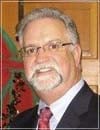
About Jim Byrd
Jim Byrd serves as a teacher and pastor of 13th Street Baptist Church in Ashland Kentucky, USA.
Comments
Your comment has been submitted and is awaiting moderation. Once approved, it will appear on this page.
Be the first to comment!