That's good. I love that. I asked her last night if she'd
sing that one. And I just, well, I'm not singing
it out loud, but like you, singing it in my mind. Of course, you
may be singing it behind your mask, I'm not sure, but that's
such a blessing. Thank you for that. Hebrews,
this morning, chapter 10. I'm going to go back to Exodus,
the Lord willing, next Lord's Day. But this morning and again
this evening, I'm going to be speaking from the book of Hebrews
chapter 10. Hebrews chapter 10. Let's again ask God to bless
as we gather for worship today. Lord, as you have been pleased
to bring us together, so we ask that you'd be pleased to bless
us by feeding us with the Word of God. We rejoice in our Savior
and in his finished work of redemption. And we're so thankful that you
have given to us the gifts of repentance toward God and faith
in the Lord Jesus Christ. We wait upon you, Father, We
bow before you as best as we can. We humble
ourselves before our great sovereign, omnipotent God. And we ask that you would reveal
to us the very gospel of your grace and of your glory. We thank you that you have rescued
us from perishing. We, so many of us say, as did
those four servants of Job, I only have escaped. We think of our
families, we think of our jobs, we think of the numerous people
that we come in contact with every day. And a good many of
them are still lost in sin, still mired in the prison of false
religion. But we have escaped not by any
power of our own. Lord, you opened the prison door,
you brought us forth, and we have escaped. Certainly, in everlasting glory,
we shall all together bless you and praise you for this escaping
grace, for this undeserved favor that
you have shown unto us by making us your children, by giving your
Only Begotten One to be our Savior. Oh, how we bless you and how
we thank you And as we enter into the message now, we ask
that the Spirit of grace would come on this group of people,
on me as I try to preach, and on these as they listen. And Lord, for those who are watching,
joining with us by way of the internet, We ask for them that you would speak in mercy
to them. Reveal to all of us the wonders
and the glories of the Son of God who loved his people and
who gave himself for us. Exalt your great name. and do good for us, O God, we
ask for Jesus' sake. Amen. As I think of all of the mercies
that God has given to us, and indeed, he has blessed all of
us, exceeding abundantly above all that we could ask or think,
it is the most amazing thing in this world that God's only
begotten Son, that One who is God of very God, that One who
is the Creator of all things, it is one of, I'll say, one of
the most amazing things that we could ever hear of, that He
would leave Heaven's glory and then take up his abode in this
world, wrapped in a garment of flesh. More than that, joined to our
nature. And then, as a real man, live
under God's law, in full obedience, of course, and then lay down
his life as the ransom to buy us from offended justice. I never get tired of hearing
of redeeming grace and mercy. to think that He who made all
things would then enter into this world that He made and then
join Himself to our nature is just absolutely astounding. No wonder we read in 1 Timothy
chapter 3 and without controversy, Great is the mystery of godliness. God was manifest in the flesh. I hope we never get over that. I know in just a matter of a
few weeks, most of the world will celebrate Christmas, and
they'll be talking about baby Jesus, One of the neighbors in our area
where we live has already got up a manger scene. I walk every
day. I walk right by it. And I see
that setting, which I don't approve of. But it does, in my mind,
drive me to remember our Lord's incarnation. It's just marvelous. It's just wonderful. This is
beyond human comprehension, that God would so love us as to leave all the glories that
he enjoyed in heaven and then come to this earth and then be
a man. And yet not a man only, but the
God man. He never ceased to be God. And
here's another wonder of it. As our Lord Jesus, as a man,
walked on this earth, as He grew up, walked on this earth, the
God-man, in His divinity, in His deity, He was still in glory. Isn't that astounding? That's what he said. That's what
he told Nicodemus in John chapter three. He's talking about the
son of man. He said, the son of man who is
in heaven. He said, I'm still there. You
can't comprehend that and I can't comprehend it either. As he walked
on this earth, the God man, Fully God, he never ceased to be God. He never forsook the title of
God, the name of God, the nature of God. He was still omnipotent.
He was still omniscient. Omnipotent is all powerful. Omniscient, he knew all things.
And still as God, he was still omnipresent. He's everywhere. And in His omnipresence, He's
still seated on the throne of glory, even when He's walking
on this earth. That just boggles my mind. So
many things, in fact, just about everything about God and about
the Lord Jesus and the Spirit of God just leaves us in wonder
and in awe. And we say, I can't comprehend
this, but this Savior is my Savior. I can comprehend the fact that
he's the only savior there is. And I can handle that by the
grace of the spirit of God. And the fact that he would enter
into this world and then he'd become a man. He's made, here's
what it says in Romans chapter eight. He was made in the likeness
of sinful flesh. And why was that? It was for
sin, to do something about sin. He didn't have any sin, but he
came to do something about our sin. That's why it came from
glory. And when I think about his incarnation, that this one who is God in every
way, that he would humble himself and become obedient to God as
the servant of God. I'm just lost in wonder and amazement. He is God over all, blessed forever. And he entered into this world
born of a virgin. He was not born of the seed of
man, for if he had been, he would have been corrupted just like
you and I are corrupted by Adam's sin and Adam's seed. But he was born of a virgin.
You be very cautious and beware of those newer translations that
leave out the virgin, born of a virgin. A lot of them will
say born of a young woman. She was, Mary was a young woman,
but she was a virgin. She never knew a man. And she
had more children after our Lord Jesus was born. but our Redeemer,
He was conceived in the womb of Mary by the power of the Holy
Spirit. It says that the power of God
would overshadow her, and He did. And in that instant, in
a manner that is beyond, again, our understanding, He who is
God over all, forever, without beginning and without end, He
who is the infinite God, in that instant, Though in his deity
he still dwelt in glory, in that instant, God was joined to a
human egg, to a woman's egg, and by the power of the Spirit
of God, that life, his human nature, came into being. Oh,
how astounding. The scripture says, Behold, a
virgin, a virgin shall conceive and bear a son and shall call
his name Immanuel. Immanuel, what does that mean? Well, we have the meaning in
Matthew chapter one, God with us or with us is God. With us is God. So that when the shepherds, they
came there to Bethlehem upon the instruction of the angels,
and they followed the brightness of the star. When they got there,
they could accurately say, this is God, this is God. This is the Son of God. This
is God in human flesh. They could say, God with us,
with us is God. That's what Simeon in essence
said in Luke the second chapter. I've seen God's salvation. You
see, salvation, it does involve several things. There's no question
about that. But to just take the word salvation,
the salvation of sinners, and kind of break it down to its
lowest common denominator, the salvation of sinners is the Lord
Jesus Christ. He is God's salvation. Right there in that little infant,
I don't know, weighing six, seven pounds, something like that.
How in this world, how in this world could that
little infant, six or seven pounds, be the mighty God, the everlasting
Father and the Prince of Peace? And how in the world could that
little infant who's absolutely dependent upon the milk from
his mother's breast for nourishment and for sustenance, how could
he still be God seated on his sovereign throne, ruling all
things according to his own will? Oh, this is too deep for me. And it's too deep for you. And people will honor baby Jesus
at Christmas time. And they forget that baby grew
up under the watchful eye of God. And he obeyed God's law,
every jot and every tittle of it. He obeyed man's laws. He obeyed Mary's laws. He obeyed Joseph's laws. And then he did what God sent
him to do. He went to the cruel cross of
Calvary and all of the sins, all of the iniquities, all of
the transgressions of all of God's people of all of the ages
were transferred to him, imputed to him, laid on him. That man,
that man who had to be God to uphold such an awful weight. And there he endured the wrath
of God. Who could endure the wrath of
God but God himself? And yet he had to be a man, had
to be one of us because we're the sinners and
he came, took our place. Yes, we know who he is. We know
who Jesus of Nazareth is. He's God manifest in the flesh
and we know how he came here. In the fullness of time, God
sent forth his Son, made of a woman in fulfillment of Genesis 3.15,
and made under the law to redeem them that were under the law. He's the Son of God who was given
by the Father. For God so loved the world that
he gave. He gave his only begotten son,
that whosoever believeth in him should not perish, but have everlasting
life. Thanks be unto God for his unspeakable
gift. It was a gift. We didn't earn
Christ. We didn't merit Christ. We didn't
deserve Christ. In ourselves, we deserve the
damnation of God. We deserve hell. We deserve wrath. We deserve condemnation. In ourselves,
we deserve no good thing from God, and yet God gave us the
best. He gave us His Son who took our place died our death, suffered our hell, and gave us life and gave us
his righteousness. Now I know the results of his
coming. I know the results of his death.
I know the results of him taking our place upon the cross of Calvary. He put away our sins. He satisfied
all the demands of God. He brought in everlasting righteousness. He did everything that God required
of our substitute. I know that. He took all of our
sins and he buried them in the sea of God's forgetfulness. In short, he came to save me.
He came to redeem me. He came to reconcile me. He came
to rescue me. And he came to rescue all of
his people. But I want to ask this question this morning, not
so much what's the result of his coming, although that is
vital, but the question is, why did he come or why did he have
to come? Why did he have to come? And
to answer it with a real quick answer, I would give you the
very, the sense of the passage. Here's the sense of this passage
of scripture in Hebrews chapter 10. Our Lord came, God manifest
in the flesh because the sacrifices of the Old Testament never, never
saved anybody. Now they were appointed of God.
I noted as Ron read to us, and you don't have to go back there
and read this, but one of the reasons I had him read this Psalm
is because here's what David said, I will offer unto thee
burnt sacrifices of firstlings, and I'll do it with the incense
of rams. And I will offer bullocks with
goats, see law. I meditate upon that. This is
so serious to me, David said. I'll offer these sacrifices to
God. But as we get over here to Hebrews
chapter 10, we find out that those sacrifices did not get
the job done. That's why Christ came. because
of the insufficiency of all of those sacrifices, all those sick
offerings, all those burnt offerings, all those trespass offerings,
the insufficiency of all of them together to even remove one sin. That's why he came. He came because
of those things didn't do the job. They couldn't do the job.
They weren't even anointed of God or appointed of God to do
the job. This is what is dealt with here
in Hebrews chapter number 10. And I wanna just go, I'll go
as far as I can this morning and I'll get to another section
of this 10th chapter tonight. But let me just deal with this,
why Christ came. And I'm just gonna go verse by
verse, making it as simple as I can. I appreciate a letter.
I first of all got a letter from this dear lady, probably two
weeks ago. An email, I should say. And she thanked me for my messages
that are on sermon audio. And then asked me some questions,
and then I answered them, it took me, I gave her a lengthy
answer, a lengthy email. And then day before yesterday,
I got another email back from her and she said, thank you so
much. She said, I've learned much about the scriptures listening
to your preaching. Well, I want you to learn and
maybe relearn from Hebrews chapter 10 this morning. We've got to
keep to the scriptures. keep to the scriptures. Someone
told me that, in fact it was this lady, she had told me that
a person had introduced a book, a religious book, and they were
going through it in Sunday school. And that's what they were studying.
And that's part of my answer in writing her back. And I really
appreciated this lady and what she had to say. She said, we're
studying this book. What do you think of this book?
And I wrote her back, said, never read it, never heard of it. But
I got this question. Why would you forsake the word
of God, which is inspired, in order to go chapter by chapter
in some man's devotional book that is not inspired? Why would
you forsake the word of God? If the day ever dawns when we
cease to open up the Word of God, the Holy Scriptures, and
we just stop using this as our only, the only book we study
in here, if that day ever dawns, I hope the building just needs
to burn down or something. That's no good. It's no good. God has spoken. God has spoken,
everything God's got to say is in this book. Now I'm not saying
devotional books aren't beneficial for you to read outside of here,
and you can learn a lot of things, but the Word of God, that's the
only true, very inspired book of God. It's the only one that's
without error. Don't forsake the scriptures.
You say, well, I read a devotion by Hawker or Spurgeon or one
of these guys. I read one of those devotions
every day. That's beneficial to you. There's no question about
it, but there's another book that's more beneficial. That's
this book. So let's just go verse by verse.
Look at verse one, for the law. for the law having a shadow,
a shadow of good things to come and not the very image of the
things can never with those sacrifices which they offered year by year
continually make the commerce there to perfect. Now, what is
meant by the law? It says for the law. It's amazing
to me how many men, how many commentators will say, this has
to do with that part of the law called the ceremonial law. And here's what preachers have
done. And you gotta be careful. Preachers have divided the law
of God into two sections. The moral law, first section. That's the 10 commandments. And then secondly, there's the
ceremonial law. That's the Levitical law. That's
the law pertaining to offerings and sacrifices and such. And
here's what they've done. Most preachers and most commentators
will say, for the law that is the, they'll say the ceremonial
law. having a shadow of good things
to come and not the very image of the things. I say, this is
talking about ceremonial law. And the reason, the reason that
most of them incorrectly say this is just the ceremonial law
is because they want to hold on to the moral law and with
it, the observance of Sabbath. Let me tell you something. In
the Bible, in the Bible, God never divides his law. He never divides it. It is ceremonial
and moral one law. So really, the law of God was
just a shadow, just a shadow. All of the offerings, certainly,
But even that which men call the moral law, the 10 commandments,
all of those things, they point us to Christ as well. You see
in the book of Galatians chapter number three, we read, for the
law was our schoolmaster. And as a schoolmaster, what did
the law of God do? The moral laws and the ceremonial
laws, all the law. What did the law of God do? It
pointed us. It directed our attention to
the Christ of the cross. For the law having a shadow.
What is a shadow? Well, a shadow is cast by something
that's real, but the shadow isn't real. There was no real satisfaction
in the law of God to the demands of God. It was just a shadow. It was just a shadow of good
things to come. Good things found in the gospel,
forgiveness and righteousness and justification and glorification,
good things. But you see, that law, which
is just a shadow, It can't ever make anybody perfect. It couldn't
do that. It says, look at the end of verse
one, which they offered year by year continually make the
commerce there unto perfect. It couldn't do that. It gave
no satisfaction to God. and he gave no satisfaction to
the worshipers. That's the reason they offered
their sacrifices over and over and over and over again. And he gets to the second verse and he just says, this is the conclusion,
for then would they not have ceased to be offered? If all
of those sacrifices made the worshipers perfect, if they put
their sins away, if they brought in everlasting righteousness,
if it justified them before God, wouldn't the necessity of offering
those sacrifices be done away with? Well, sure they would be.
If they made you perfect, you don't need to offer them anymore,
but they didn't make them perfect. And so the third verse says,
but in those sacrifices, there's a remembrance again, made of
sins every year. Undoubtedly, the writer of Hebrews,
possibly, probably Paul, we don't know for sure. This was an anonymous
letter written to the Hebrews. He has in mind the Spirit of
God is leading us to understand, he's talking about Leviticus
chapter 16, the day of atonement. The yearly day of atonement. That's the reason he says in
verse one, offered year by year. And then in verse three, but
in those sacrifices, there's a remembrance again made of sins
every year. Every year by a high priest,
first of all Aaron, he would take Bullock and a ram and two
goats. And he would go about offering
these according to the will of God and the instruction of God.
And after he killed a bullet for himself, for his own sins
and for the sins of his family, he'd take those two goats, cast
lots for them. One of them was for God. One
of them's for the Lord. One of them's a scapegoat. One
for the Lord he killed. He caught the blood. He goes
into the Holy of Holies. He sprinkles the mercy seed.
He burns the incense. He does this in order to appease
God and in order to direct our attention to the necessity of
a real sacrifice coming from heaven. You see, he's not saying
that the offering of these sacrifices, he's not saying that they were
needless or useless. They weren't useless and they
weren't needless because God appointed them. and he appointed
them to show the people there's another lamb coming. He's the
lamb of God and he will do what these can't do. All of these
are pointing to him. That's what all those offerings
did. They directed the attention of the congregation of Israel
and direct our attention still as we study this, that there
had to be a man come down from heaven. A man who is perfect,
a man who will set things right because a man got us in this
mess to begin with. He's gotta be man to represent
us, but he's gotta be God to satisfy God. Thus, the God-man
came. And Aaron, when he'd go in and
he'd offer these sacrifices to God, He said, see you next year. See you next year. Same time,
same place. Next year they do it all over
again. And after it's all over, he says, see you next year. It
was just unending. You see that, don't you? It was
unending. And here's the reason, he tells us in verse four, here's
the reason why there was no end to that during the days of Aaron
and the high priest who followed him up to the time when the son
of God died. Here's the reason, verse four,
for it is not possible that the blood of bulls and of goats should
take away sins. It just isn't possible. That's why it's so foolish. If
you listen to some of these people who act like they know something
about prophecy. It's so foolish what they say. They say, Christ is coming back.
And before he comes back, there's gonna be the rebuilding of the
temple over in Jerusalem. And then the Jews are gonna reinstate
the offering of sacrifices. They won't offer sacrifices now. You know why they can't offer
sacrifices now? Because there is no temple. They can't offer
them now. So men say, well, when that temple
is finally built, then they'll reinstitute the offering of offerings
and God will be pleased. No, He won't be. It would be
insulting to God because the sacrifice for sin has already
died. Christ Himself. That's the foolishness
of that. That's the great error of that. He says here, the blood of bulls
and goats can't take away sins. that couldn't back then, it won't
out yonder if they, and they may restart offering sacrifices
again. I don't know. But I know this,
God won't be pleased with them. That would be insulting to the
sacrifice of the Lord Jesus. You see, the argument of the
writer is simply this. If I could bring to God an animal that could once and for all,
by its death and by me shedding its blood, if I could bring that
animal and offer it to God, it would answer all the demands
of God, I would never have to bring another one. But during
the days of Israel, others had to follow. And actually, every
day they offered sacrifice, a morning sacrifice and evening sacrifice. And if you and your wife, Ron,
you and Trish, want to worship God, you'd take a lamb, firstling
of your flock, and go up to the priest at the door of the tabernacle
and say, Trish and I want to worship God, and we realize that
we're sinners, and this is the best male lamb I've got. And
I want you to kill this lamb, because we deserve to die. I
want you to kill this lamb, shed its blood, burn its carcass,
offer it to God for a burnt offering, okay. We're gonna worship God. You do that. And lots of people
did that every day. So the priesthood were busy killing
animals and offering them to God. But the priest could not
then say, now your sins are forgiven. No, he couldn't say that. He
couldn't say your sins are put away now. Couldn't say that.
And you couldn't say it either. Now you might say something like
this, next week we'll be back and worship God again, I'll get
another lamb, or a ram, or turtle doves, or a bullet, whatever
it was, a goat. Didn't put away sin. It just isn't, it's impossible. Sin's too serious an affront
against God to be put away by the blood of Bulls and goats. You see, the legal sacrifices,
they couldn't put away sin because there were essential defects
with them. There were essential defects
with these animals. Number one, these animals, they
were not of the exact same, they were not of the same nature as
the one who sinned. That's the first defect. That's
an animal. I'm a man. That's a big problem. That animal
can't answer for me. That animal can't die for me.
That animal can't put my sins away. Because that animal, that
bullet, that ram, that goat, that lamb, that turtle dove,
that pigeon, it's not of my nature. Can't help me, not everlastingly. And second, They were not of
sufficient value to make satisfaction for the injuries that's been
done to the justice and the government of God. Not only are they not
of the same nature of the one who offended, they're not of the same nature
as the one who's been offended. And that's most important. Got
that? Not only are they that animal,
it's not of the nature of the ones who's offended. The ones
who did the offending, who did the sinning. But even more importantly,
that animal is not of the same nature as the one who's been
offended. God. So I've got to have, I've got
to have one who's satisfying to God. That is, he's got to
be God, but he's got to be like me too. You see that? And I'll tell you another. Here's
the third thing. The third essential defect. That
animal's not like the offenders. And number two, that animal does
not like the offended one. And here's the third one. That animal did not willingly
and voluntarily consent to be put to death. When you brought your lamb, put
a rope around its neck, come on, let's go. He know where he's
going. It wasn't his idea. He couldn't comprehend it if
you'd have said to that lamb, if you'd have said to that bullock,
I'm going to lead you down here to the tabernacle and I'm going
to tell you something, you're going to die. You ain't coming
back. Well, he wouldn't. That don't
mean anything to him. He can't understand that. He's
an animal. He can't consent to it. He can't
agree to it. But this God man, he knew exactly
what he was doing. Lo, I come to do thy will, O
God. That's what he says down here.
Look at verse five. Starting in verse five. Wherefore,
when he cometh into the world, he saith, and now our Lord Jesus
is being quoted. Sacrifice and offering thou wouldest
not, but a body thou hast prepared me. In burnt offerings and sacrifices
for sin thou hast had no pleasure, no delight, no satisfaction. Then said I, Lo, I come, I volunteer,
I consent to come. In the volume
of the book it is written, to do thy will, to do thy redemptive
will, to do thy saving will, O God. Above, when he said, sacrifice
and offering, and burnt offerings, and offering for sin, thou wouldst
not neither have pleasure, or delight, or satisfaction therein
which are offered by the law. Then said he, Lo, Father, I come
to do thy will, O God. I fully consent to it. I voluntarily come. And did he
not say in John chapter number 10, no man takes my life from
me. I have the power to lay it down.
I have the power to take it again. This commandment I received from
my father. Nobody could take his life. Nobody could kill him. He's not
gonna die apart from his own will. The scripture says, he
gave up the ghost. Having finished the work of redemption
and reconciliation, he gave it up. That's voluntary. And he said, there in verse nine, he said,
lo, I come to do thy will, O God, and that's the end of the quote
of our Lord Jesus. And then the writer says, by
divine inspiration, he taketh away the first, that he may establish
the second. He taketh away. He takes away that law. If you cared to look that up,
that expression taketh away, here's what you're going to find
the definition is. He killed it. So far in Hebrews, it talks about
being abolished. Now he says he taketh away the
first. Took away the first covenant
to establish the second. Took away that first Adam, established
the second. And then speaking about the will
of God, he says in verse 10, by the which will? By God's will,
by God's redemptive will, not by your will. Years ago, Brother
Tim James preached excellent message. Maybe it's available
on sermon audio. I don't know. Many years ago,
but he brought a message on which will? Which will? Which will, your will? My will,
God's will. By which will we are sanctified,
we're set apart and we're made holy through the offering of
the body of Jesus Christ once for all. Why did Christ come? He came into this world because
you see all those animal sacrifices couldn't do the job. And of course,
God never intended for them. It wasn't like God failed in
having them to be offered. No, those sacrifices were sacrifices
he ordained because he's setting forth his son in shadows, in
pictures, in types. And everyone on that, Day of
Atonement, every year. The killing of those animals
and the shedding of that blood, it's like they were all pointing
out in the future. He's coming. One day He's coming and He'll do what we can't possibly
do. He'll satisfy God and all for
whom He died. He will redeem them. He'll save
them by His grace. Why Christ came. Thankfully He
came, aren't you? Yes, indeed. Let's close in prayer. Lord, we ask that You would bless
the Word this morning that has gone forth. We thank You for
the the bit of understanding you've given to us concerning
the gospel of your redeeming grace through the doing and the
dying of this glorious person, the Lord Jesus. And we know that
he fulfilled your redemptive will because you raised him from
the dead. And as we shall study this evening,
you seated him at your own right hand of exaltation. Lord, be pleased, we ask, to
bring all of us to a saving knowledge of this great Redeemer. We're
so thankful for Him, and we bless you, Father, for Jesus' sake.
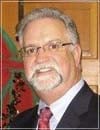
About Jim Byrd
Jim Byrd serves as a teacher and pastor of 13th Street Baptist Church in Ashland Kentucky, USA.
Comments
Your comment has been submitted and is awaiting moderation. Once approved, it will appear on this page.
Be the first to comment!