Bootstrap
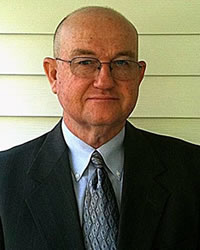
Gary Shepard

Doing Righteousness

1 John 3:1-12
Gary Shepard November, 16 2008 Audio
0 Comments
Gary Shepard
Gary Shepard November, 16 2008
13th Street Baptist Church Conference

Sermon Transcript

Auto-generated transcript • May contain errors

100%
I'll tell you that version of
the Christ of the Cross is worth singing. I can't tell you how much I have
been blessed in these days with what
I've been privileged to hear and the fellowship that I've
enjoyed with your pastor. As I told the men in the study
this evening, the only thing I know to do is just say to God
and to you, thank you. And I'd invite you tonight to
turn to the third chapter of 1 John, 1 John chapter 3. We've been talking about the fact that God has promised
that Christ would have a seed, a people, a generation. And we tried to look at that
from Psalm 22 and verse 30 where he says, a seed shall serve him,
it shall be accounted to the Lord for a generation. He says they shall come and shall
declare his righteousness unto a people that shall be born,
that he hath done this. And then of that seed also that
people in this ninth verse We read in I John 3, verse 9,
Whosoever is born of God doth not commit sin, for his seed
remaineth in him. The seed of Christ remain in
Christ, and it says that in him is no sin. That is where they
are. And the Bible is written and
given to these seed. Actually, there will be a lot
of people who will have read somebody else's mail, and it
will have meant nothing to them. And John, in this epistle, he
addresses those that he is led by the Spirit of God to write
to in this same kind of language. If you look back in 1 John 2
and verse 18, he calls them, as he often does here, these
little children. These little children born of
God. He says, little children. It is the last time. I used to
read that, Ron, and it kind of scared me a little bit. Now it
sounds wonderful to me. It is the last time. And then
in chapter 3, in those first two verses, he addresses them
in the same language, calls them sons. Behold what manner of love
The Father hath bestowed upon us that we should be called the
sons of God." And that's an appropriate title for the children of Christ,
the seed of Christ who is God the Son. Therefore, the world
knows us not because it knew him not. Beloved, now are we
the sons of God. And it doth not yet appear what
we shall be, but we know that when He shall appear we shall
be like Him, for we shall see Him as He is." All of the seed of the Lord Jesus
Christ are made the righteousness of God in him. But there is something else that
John says that the seed, these children born of God, there is
something else that he says that they do, and I think that this
is really what it is to serve him. a seed shall serve him."
And if you look with me in verse 7, listen carefully and read
it with me, that seventh verse. Little children, let no man deceive
you. He that doeth righteousness is
righteous, even as he is righteous. Keep that in your mind. And look
down in verse 10. In this, the children of God
are manifest, and the children of the devil. Whosoever doeth
not righteousness is not of God, neither he that loveth not his
brother. And then in the same thought,
if you just look back at the last verse of chapter 2, verse
29, he says, if you know that he is righteous, you know that
everyone that doeth righteousness is born of him. Now, I don't know about you,
but for a long, long time, every time I read one of those three
verses, there was one thing that really stuck out to me. And to tell you the truth, it
not only stuck out to me, but it stuck into me. And that is
the word do. He speaks of each and every one
that either does or does not doeth righteousness. And I, as I told you, and as
I'm sure you found out long ago, not being a scholar, I do believe
that that E.T.H. on the end of a word in these
translations is something like the linear tense or something
like that, but it has to do with a continual action, like the
word believeth. We don't just believe, we are
believing. We don't just repent, we are
repenting. And so what is spoken of here
has something to do with a continual doing and a continual doing righteousness. But we have a little problem.
And the problem is not with what God has written. But the problem
is in us. The problem is in our preconceived
notions and ideas of the scripture. The problem is that religion
has keyed on something that is so natural to us that we really
buy into it hook, line, and sinker. and that is to our fallen nature. This idea and notion that comes
natural to us is that doing is what makes one righteous before
God, and doing is that which keeps one righteous before God,
and even doing is what improves our righteousness before God. That's our problem. A long time ago, I read an old
writer somewhere, I don't even remember who or where, but he
said something that helped me a lot. He said, never let what
you don't know become the enemy of what you do know. And those
who know the gospel, those who have some knowledge and understanding
of what God says in this book. We know that our standing before
God, this righteousness in which we stand accepted in his sight,
it is never and has never at any point depended on what we
in ourselves do. Somebody says, do something for
God. That's not what I need. What
I need and what you need is for God to do something for us. And religion, though, seizes
upon this very idea and thought that is natural to us. that men
and women by nature have been seeking to do all the time of
our history in this world, to do something to gain God's favor,
and religion seizes upon this thing, and the end result in
everyone brought under that influence is either pride or fear. In some, it seems to bring forth
pride that they are or that they have done righteousness or things
that God will accept them on as their salvation. And then,
on the other hand, in others it produces fear, because they know they haven't,
and they know God won't. You see, the order of two words,
do and done, distinguish the difference between the true gospel
and the false gospel. The false gospel says, do, and
it will be done. But the true gospel says it's
done, and therefore do. But what John says in those three
verses that we have read, they are not something that is new
or contrary to everything else God has said in His grace in
this book, but they are what the Scriptures have always taught. Let me give you one illustration
in Psalm 106 and verse 3. He says, blessed, and that means
on the one hand, blessed of God, who alone is the blesser. And it also means something like
happy, genuinely happy, spiritually happy, the psalmist says, blessed
are they that keep judgment, and he that doeth righteousness
at all times. There is something that God says
here that I believe, if we can get a grip on, will help us And
if we are honest before God in what we know ourselves to be,
we can still hear these words and rejoice in them and know
ourselves blessed as we do righteousness. Now, when he says happy or blessed,
is that one that doeth righteousness," or what he says in all these
verses, this does not mean that sinners such as we are have the
ability or can at any time do anything to gain the favor of
God or to improve our standing before God, because it will always
say this, in Romans 3 and elsewhere, there is none righteous, no,
not one. That is, as we are in ourselves. There is not one. I don't care
who they are. I don't care if it's a preacher
or a person in the pew. I don't care if it's old Aunt
Sally, who all she did nearly earned sainthood on this earth
by most. I don't care who it is. There
is none righteous, no, not one. And not only that. Paul, writing
to Titus, says that it is not, absolutely not, by works of righteousness
which we have done, but according to his mercy he saved us. Now, I've got a strange Bible,
because that's in my Bible, and it must not be in most of the
Bibles that preachers carry in our day. He says, not by works
of righteousness which we have done, but according to his mercy
he saved us. You see, justifying righteousness
is the gift of God, and it is the gift of God in Jesus Christ
and him crucified. Listen to what Paul says. He
says in Romans 5, for if by one man's offense death reign by
one, much more they which receive abundance of grace, and listen
to this, and the gift of righteousness shall reign in life by one Jesus
Christ. And God by a sovereign act of
his own volition. to a people of his own choice
that he chose and joined to his Son, Jesus Christ, by a sovereign
act of his grace, God imputes to them the very righteousness
of God in Christ, and it is never that they gain his favor by human
works or human merit or anything else that men do. As a matter
of fact, David, long before Paul was ever born, long before the
Lord Jesus Christ ever took on that body and walked on this
earth and died on that cross, Paul says David also describes
the blessedness of the man unto whom God imputes, lays to his
charge, charges to his account, righteousness. without works,
without works. And Paul looked at his own people
after the flesh, those who had the law, those who had all the
outward favor of God, those who had enjoyed many more things
other than any other people on the earth. But he said this,
he said they, being ignorant of God's righteousness and going about, that's what
characterizes religion in our day, a whole lot of going about
to establish their own righteousness, have not submitted themselves
unto the righteousness of God." You see, what I found out is
the righteousness of God is the only righteousness there is. And the only righteousness that
there is, this righteousness of God, it is in the Lord Jesus
Christ. That is His name. He's Jesus
Christ, the righteous. He's the Lord, our righteousness. And we say oftentimes, and nobody
probably has said it more than me, we speak of the blood and
righteousness of Jesus Christ, when in truth, the blood of Jesus
Christ is the righteousness of God, because He saves His people And
he does right by each and every one of them, but most especially
by his own self, because Christ's bloodshed shows God right to
have done it. But that doesn't answer what
these verses say, though, does it? You see, this brings us back
to these words and these verses wherein each and every one speaks
of some that do righteousness and others that are not doing
righteousness. What do they mean? You see, doing
righteousness is not what men call living right. It's amazing
how much grace a preacher can preach, and then he'd stop as
if to spin on his heels and say, but you've got to live right.
I believe salvation's in Christ. I even believe election. I believe this, that, and the
other, and it's maybe all true things, but it ain't the truth.
He said, but I believe you've got to live right. That's not
what John's talking about, because you and I, when we have lived
as right as fallen sons and daughters of Adam can live, even by the
restraining grace of God, when we have lived as right as we
can, that still is not righteousness. You see, as is often the case,
as we find it in this book, oftentimes in the New Testament especially,
There are two themes, in a way, in these verses, and one has
to do with our relationship to God, and the other has to do
with our relationship to the people of God. I can tell you this right now.
When you separate those things, you're already in trouble. Men in our day try to preach
on our relationship together with the people of God, but they
don't have anything to say about how a sinner is brought into
relationship with God Himself. You have no gospel, and so you
have no truth. But there are four things In
light of that, that I want to point out immediately here in
the beginning, and these four things are this. Only those who
are born of God do righteousness. That's right. You look down at
that ninth verse. Whosoever is born of God, doth
not commit sin, for his seed remain in him, and he cannot
sin, because he is born of God." Now, like I told you, I believe
there are two senses in which God's people are born of God.
They are born of God. They are determined to be His
children in that everlasting covenant that you read about
before the world was. He chose them, purposed, ordained
them to be His children, His seed. And they are also, in the
other sense scripturally, born of God when they are born of
His Spirit, when the Spirit of God comes to indwell them and
give them faith and enable them to see and have an understanding
of the truth of the gospel of free grace in Jesus Christ. They are born of His Spirit and
brought to believe the truth. So only those who are born of
God in both senses do righteousness. Okay, we got that. Here's the
second thing. All those who do righteousness,
they are righteous. They don't do righteousness Alan,
to become righteous. They do righteousness because
they are righteous. Verse 7, Little children, let
no man deceive you. He that doeth righteousness is
righteous. That's pretty plain, isn't it?
Even as he is righteous. That's plain. Everyone that does
righteousness is righteous. Third thing, doing righteousness,
according to what John says here in these verses, doing righteousness
is what distinguishes the elect of God. Verse 10, In this are
the children of God manifest, and the children of the devil.
Whosoever doeth not righteousness is not of God. He says that's what distinguishes
them in this world. They do righteousness. And if
they don't do righteousness, they're not of God. You say,
I told you, preacher, they don't live right, they don't know God.
As I said, that's not what he's talking about. And then here's the fourth thing.
He says those who do righteousness, they love the brethren. I'm telling you what, that's
a misunderstood thing in our day. I used to think I knew something
about what it was to love the brethren. I used to think a whole
lot of the brethren knew something about what it was to love the
brethren. I don't know anymore. But I know this, those who do
righteousness, they love the brethren. They love the brethren,
and they're never going to change. So what is the doing righteousness
that is spoken of here? Well, I'll tell you what I believe.
I believe that the key to understanding this is in verse 12. And it is because the Spirit
of God, it seems like out of nowhere, grabs an Old Testament
from far, far back out of the very opening book of this Bible. Don't you think he could have
got a little closer one, maybe? Not infinite wisdom. He knows
you. He knows me. He knows our fallen
nature. He knows what proneness we have
to do in order to please Him, to think that we can gain His
favor in somehow. And so we'll run to a verse like
we've read tonight, these three verses, we'll run to it and we'll
just kind of, we'll kind of drag ourselves up by the boots and
straighten ourselves out and say, I got to do right. That's
not it here. That's not it at all. Look here in verse 12. I used
to read this and it was almost like, did the transcribers, did
they drop this verse somehow in and it just kind of don't
fit? Man, it fits perfectly. Verse 12. He says, not as Cain. Not as Cain. who was of that
wicked one, and slew his brother, and wherefore slew he him, because
his own works were evil, and his brother's righteous." Now, we don't have a whole lot
to go by with regard to Cain and Abel, but if you'll turn
What is it that we know about them? If you'll turn back to
Genesis chapter 4. You don't mind turning back and
reading this account one more time, do you? You know, it's
kind of a strange thing. All through the New Testament,
every once in a while, these fellows keep popping up. And you know the Spirit of God
said these things were written for our admonition, those of
us upon whom the end of the age shall come. This isn't just a
biography of these fellows or a history, this is written for
our admonition. And that we, through patience
and comfort and hope of the scripture, be blessed of God. All right,
what does it say? Genesis 4, And Adam knew his
wife, and she conceived, and bare Cain, and said, I have gotten
a man from the Lord. She thought she had brought forth
that promised Messiah. She gave birth to a devil. And
she again bare his brother Abel, And Abel was a keeper of the
sheep, but Cain was a tiller of the ground. And in the process
of time it came to pass that Cain brought forth fruit of the
ground an offering unto the Lord. And Abel he also brought of the
firstlings of his flock, and of the fat thereof. And the Lord
had respect unto Abel and to his offering, but unto Cain and
to his offering he had not respect. And Cain was very wroth, or angry,
and his countenance fell. And the Lord said unto Cain,
Why art thou wroth, and why ist thou countenance fallen, if thou
doest well? Shalt thou not be accepted? And
if thou doest not well, sin lieth at the door, and unto thee shall
be his desire, and thou shalt rule over him. And Cain talked
with Abel his brother, and it came to pass, when they were
in the field, that Cain rose up against Abel his brother,
and slew him." They are born. And not long thereafter,
Abel dies. Well, what were they doing? They were come to worship Jehovah
God. These ain't kids here. These
are grown men. They're not ignorant men. They
have, from the very time that they were born, watched the one
that at that time God had appointed priest in their family, which
was their father Adam, who had been taught directly by God Himself
the only way that God can receive and bless and put away the sins
of the offender. What did he do? Well, the Bible
says that when Adam and Eve sinned and they went and hid themselves
from God in the midst of the trees of the garden, and he in
great mercy and grace did not come and seek them out and look
them to simply cast them into hell like most sinners think
when they hide from God. He looked for them and sought
them and knew exactly where they were in mercy. You just wish God to leave you
alone, don't you? You better hope he don't. That's
what I always wanted in the back of my mind. I wanted God to leave
me alone. Don't tell any. Just let me play
my music a little louder. Let me get a few more activities.
Let me stay busy and work hard. Let me do everything I can to
drown out of my mind and conscience anything about God. Thank God he didn't leave me
to myself. He knew I was a blubbering fool
and an idiot and blind and dead in trespasses and sin, and that
if I ever had anything done for me, if I ever had any lasting
blessing from God, it'd have to be through something that
he did for me. And so here are these two men
who, having seen the example of their father when God took
those animals and slew them, and it said made coats for Adam
and Eve and covered them. And that's what went on in that family.
And these boys were raised up under it. I'm going to tell you
young people something tonight. I hope you find out this side
of eternity, what a privilege it is to be raised up in a family
that knows something about the true gospel of Jesus Christ.
To have the privilege to sit in a church building under the
sound of the truth of the crucified Christ and have him held up and
lifted up and sung about and preached about. Because one of these boys was
shown mercy by God. and unable to believe. And the
other wasn't. He wasn't. What they had done
was come to worship God. But what the Bible says here,
what God himself says here, was that Cain's works were evil and
Abel's were righteous. I didn't say that, God did. But the thing that struck me
recently is just how little we know about what either one of
them did. The biography of Abel and the
biography of Cain mighty short. One thing we know of Cain, that
is, he was a farmer and a tiller of the ground. One thing we know
of Abel was that he was a shepherd, a keeper of the sheep, and as
far as anything about them personally, other than the fact that they
were the two children of Adam and Eve, that's all we know. You ever think about that? That's
all we know about it. And one thing that they did, when they went in the name of
worshipping Jehovah God, Abel went and he followed the
path that he had been taught, that God had taught his father.
You know, that's how every one of us will receive the gospel,
we're going to receive it from somebody else. That's this gospel that is revealed
from faith to faith. On the one hand, from the faith
of Christ to the faith that he gives to all his people. But
on the other hand, we receive the gospel wherein the righteousness
of God is revealed. We receive it from one believing
soul saved by that gospel. to another person that God gives
faith. God had enabled Abel to believe,
to see that that animal, that which God had appointed, was
more than just a ritual or a ceremony. It was not the works of his hands,
but it was a sacrifice of an innocent God-appointed God provided
victim that pictured the one that God promised, the seed of
the woman. But Cain, the Bible says that
he went picking his best cucumbers, his best tomatoes, and his best
turnips. Somebody said he was a turnip
farmer because you can't get blood out of a turnip. But here's
the thing, he came bringing all that stuff. You know what, I really believe
he brought the best. Don't you? I think he brought
the best. The Bible says God had respect
to Abel's offering, but he was angry. He was angry at Cain's
offering. You can do your best. And my
friend, the greatest delusion upon men and women in our day
is that which is natural to us and that which false religion
comes along and assures us of. The greatest delusion is this
notion that we would ever and could ever, in our doing of anything
or of our abstaining of anything, establish a righteousness before
God. No way. He says that Cain's works were
evil and Abel's were righteous. And it had to do with their offerings
to God. It had to do in how they approached
God. It had to do with how they sought
to stand before and be accepted by God. Abel came. with that sacrifice
of blood that pointed to Christ. He acknowledged that God would
only accept a sinner through the one that he had appointed
to stand in the place of that sinner, the one he had appointed
to be the sacrifice and substitute for his people. He believed God,
he trusted Christ's work of righteousness and not his own purpose, but
he trusted God to save him. And he worshipped God in the
one way God can be worshipped. Do you remember old brother Abraham? Brother Abraham took his son,
Isaac, one day and he headed out. He was doing just exactly
what Adam did. He was acting as the priest in
that family, telling his wife, telling his children what God
had taught him about the only way that God can be just and
justify a sinner, the only way that God can be worshipped. And
so he headed out. He had some servants with him,
had a big bunch of wood and a knife, he had the fire, he had everything,
and the Bible says that Isaac, who God had taught some things, he learned something about what
it was to really worship God. We are going to worship God today,
we are going to come in and have a big time, we're going to recognize
everybody here, we're going to give them a position in an office,
we're going to pat them on the back, we're going to brag on
them, and we're going to recognize them, and we're going to flatter
them, we're going to do everything like that, and that's worshiping
God, no? I don't know how old Isaac was,
but he knew better than that. He looked around him, he saw
all that wood, he saw that fire. He saw that dagger sheathed in
his father Abraham's sash. He said, Daddy, I see the wood,
I see the fire, I see the knife, but where's the sacrifice? You see, Abraham had told those
servants, he said, you stay here, me and the boys are going up
and worship God. The Bible says that Abraham said
with wisdom far above, I'm sure, even he knew at that moment,
he said, the Lord will provide himself a sacrifice. Why? Because that's the only
way God's worshipped. Did you know that there's something
about your very makeup and being that requires you to worship
something? Don't you think so? Some people
worship their own intelligence. Others worship that good job
they've got. Others worship their husband
or their wife, or they worship their children, or they worship
something. You're going to worship something. And everywhere Abraham went, he worshipped. The Bible says
that he traveled this place and that place and the other place.
He stopped and he built an altar and he worshipped. And I wonder
how many times somebody looked at him and said, ìWhatís that
strange fellow thatís passing through?î He said, ìWhatís that
fool doing? Heís wandering around here gathering up a pile of big
rocks. He's not chiseling on them or
anything to make them look kind of nice and neat, but he just
goes and picks up the rocks that are there and whatever place.
He raises it up and the next thing you know he's taking a
knife and he's killing a sheep on it. Why? Because he's worshiping
God. He's worshiping God in the only way that God has ever said
that a sinner could worship him. And that's through this substitute,
through this one that he's appointed, this way that glorifies him,
this way that enables him to be just and yet declare righteous
that sinner for whom Christ dies. And Abraham built an altar with
the world looking on, and he worshipped God. Noah stepped
off of that ark, and he had a whole lot of things on his plate, as
we say. You've got a lot of things on
your plate. It seems like the older I get, the more things
I get on my plate. And here is this man. He is with
seven others. They have just stepped off the
ark after the entire world has been destroyed by a judgment
of God in the flood, if it ever seems like a man would be, as
we say, providentially hindered. And when you stop and think about
it, sacrifices are in kind of a short
supply. Because every living thing is
on that ark. We tell our children, we tell
them about all those animals going two by two by two by two.
Well, that's true for some species. But in those things that were
considered as clean, They would go in seven of them and seven
of that one. Why? Because they were required
to worship God. So what a waste. It's never a
waste to worship God. I don't care if it's time. I
don't care what it is that's expended in the worship of God. It is never a waste. The one thing that God tells
us about Abel that he did was that he offered up to God just
what God required, just what God gave, just what God appointed,
and just what God said he would accept. And all those pictures
and types and things that we find in the Old Testament They
are nothing but gospel types. They're just what's pictured,
what pictures the very gospel that we, with greater revelation,
and now after the coming of the sacrifice, preach and proclaim. We don't worship God any differently
if we worship God. You turn over in the book of
Hebrews one time in Hebrews 11. Hebrews 11 and verse 4, what
we call Faith Hall of Fame sometimes. He says, by faith. I told you he was a believer.
Where did he get his faith from? The same place you'll get yours
from if you ever have it. For by grace are we saved through
faith, and that not of ourselves, it is the gift of God. It is
the gift of God to his people because of what Christ has done
for his people in the shedding of his blood. By faith Abel offered
unto God a more excellent sacrifice than Cain. by which he obtained
witness that he was righteous." I don't know if it was a goat,
sheep, whatever it was, it was whatever God appointed. But it
didn't make him righteous. But because he did it, it showed
that he was righteous. It showed that God had revealed
his Son to him. God testifying of his gifts,
and by it he being dead yet speaketh." It doesn't say Abel ever preached
a sermon. It doesn't say anything about
him being a perfect example for his children, raising a nice
family, being a good husband, a good provider. It doesn't say
that Abel didn't drink or smoke or cuss or cue or whatever. It
doesn't say any of that. The one thing that identified
him as made the righteousness of God in Christ was the way
he worshipped. The way he worshipped. And you
know the amazing thing about Abel was, he preached all his
sermons after he was dead. Because he being dead, he is
still being used by God to preach the gospel, isn't he? But Cain
offered the works of his hands. He came in the filthy rags of
his own self-righteousness." You know what the Bible says?
Woe to them that have gone in the way of Cain. Cain said, I'll do it my way.
I'm a pretty good fellow. I'm as good as my brother is
over there. I know a little something about God. I've read a few verses
here and there. Everybody seems to like me. I've
never killed anybody. I don't lie much. Woe unto you if you go in the
way of Cain. Note God's words to Cain. in verse 6 of Genesis 4. And the Lord said unto Cain,
Why are ye all mad and ill, Cain? Why is your countenance fallen?
Listen to this. If thou doest well. Don't you
just imagine that that's if you do righteousness. Shalt thou
not be accepted? And if thou doest not well, sin
lies. at your door." I love what Paul
writes in Ephesians 1. He says that to the praise of the glory
of His grace, God has made us accepted in the Beloved, in whom
we have redemption through His blood. the forgiveness of sins
according to the riches of His grace. You see, believe in God. Trust
in the work of Christ alone. Worshipping God through that
priest, that sacrifice, that substitute that He has appointed
and accepted, that is doing righteousness, that is, believing on Jesus Christ,
worshiping Jesus Christ and only Him, trusting in His work of
righteousness, having no hope at all in yourself, crying out
in your soul, nothing in my hand I bring but to this man of the
cross, I claim. That is doing righteousness.
Why? Because that's what the righteous
do. They've been made the righteousness of God in Jesus Christ. Continuing in faithfulness to
the gospel of Christ crucified, continuing to identify with that
message concerning the one that said, the world hates me, identifying with his people who
do the same. And doing so, whatever happens,
that is doing righteousness. That is what God's people do,
because he has made them righteous. Now, I said there are two things,
and the second is with regard to our relationship to our brethren. If you look back in Genesis 4
and verse 8, it says, And Cain talked with Abel his brother.
I don't have a doubt whatsoever what they were talking about.
They were talking about how God is worshipped. They were talking
about the fact that God accepted Abel's sacrifice and he rejected
Cain's. I'm sure that's what they were
talking about. They talked as they went out in the field, and
it came to pass when they were in the field that Cain rose up
against Abel, his brother, and slew him. He said, do you reckon that's
what they were talking about got him mad enough to do that?
It got men and women mad enough to kill the Son of God. That's the way it is. Men that hate each other got
together long enough to kill the Son of God because they hated
him more. He said, don't be surprised if
the world hates you. They hated me. You see, what happened in Abel's
case? What happened when he did righteousness? His own brother rose up in anger. Anger against God, the true God. Anger that there was only one
way that God would be worshipped. And he killed him. He killed
him. You look back in 1 John chapter
3 and verse 12 again, it says, that this is not his tain, who
was of that wicked one, and slew his brother. And why did he slay
him? Because his own works were evil.
You mean to tell me, preacher, that doing your best and giving
your best is evil in God's sight, and if offered as a sacrifice
to God, it's absolutely evil. Spurgeon preached a sermon one
time on the meanest man in the world. Who's that? The man that
seeks to stand before God on the basis of his works and refuses
the sacrifice of Christ. Abel sealed his testimony with
his blood. As a matter of fact, you look
in this book, I'll try to hush and just second on it as I will,
but if you look in this book, there are a whole lot of people
who when they did righteousness, when before this world they left
every other hope and they bowed their hearts before the Lord
Jesus Christ in this gospel that gives him all the glory. that
calls them a sinner, that leaves them in no hope of themselves,
that stains their pride. They seal that testimony with
their blood. That isn't the way most of them
have. That isn't the way most who have done righteousness. That's not what they met up with.
What most of them met up with was being killed again and again
by the tongues of self-righteous religionists, by their own family members,
by their old friends. They were being pierced through
and through by the fiery darts of the wicked one when he caused
them to fly from the tongues of those around him. They didn't actually get killed
of body, most of them didn't. Just like today, those who do
righteousness, most of them don't get killed physically. But they get killed every day,
just like old brother Abel, in the sense that all around them
is killing. Just live like somebody doesn't
even exist. That's murder. Because you're
saying by your action, I wish they didn't exist. Paul writes in Romans 8, talking
about the love of God from which we can't be separated from, and
God's mercy to us as his people. He said, but it's written. for
thy sake, we are killed all the day long. We are counted as sheep
for the slaughter. They just murder us every day.
But we're going to do righteousness. We're going to come together,
and we're going to hear the gospel, and we're going to worship our
God in the only way he will be worshiped. And that is through
his Son, the Lord Jesus Christ, and his cross death. He has nothing
else. You see, doing righteousness
is not only believing on Christ alone and trusting his righteousness
alone and continuing to do so all our days on this earth, it
is also loving the brethren. If you don't love the brethren,
you're not doing righteousness. Sorry. That's what it says. Love the brethren. Faith in Christ
and identification with this gospel and hope only in Him and
His blood and love for the brethren. They're not the cause, but they're the evidence. that a man or a woman has been
made the righteousness of God in Christ. Let me read you my psalm, just
a few verses. If you've got a minute, turn
over to Psalm 31. Psalm 31. And listen to the psalmist. This is David. I read this psalm
a lot. I've got written in my Bible,
it says the psalm of David right beside it. I've got Gary. I'll just read you a part of
it. This is my experience. It seems like my experience is
particularly ablaze. Verse 9. Have mercy upon me,
O Lord, For I am in trouble. Mine eye is consumed with grief,
yea, my soul and my belly. For my life is spent with grief
and my years with sighing." I told the folks at home recently, I
find myself sighing a lot these days. I'll hear something or
see something or I'll say, phew. But listen to what he says. My
strength fails because of my iniquity, and my bones are consumed. I was a reproach among all mine
enemies, but especially among my neighbors, and a fear to mine acquaintance, they that did see me without
fled from me." He said, my enemies don't want to be around me. My
neighbors don't want to be around me, don't want to identify with
me, and even my acquaintance, they're afraid to be around me.
They're afraid I might talk something about Christ. I'm forgotten as a dead man out
of mind. I'm like a broken vessel, for
I've heard the slander of many. Fear was on every side. While
they took counsel together against me, they devised to take away
my life. But I trusted in Thee, O Lord.
I said, Thou art my God. My times are in Thy hand. Deliver
me from the hand of mine enemies, and from them that persecute
me. Make thy face to shine upon thy servant. Save me, for thy
mercy's sake. Let me not be ashamed, O Lord,
for I have called upon thee. Let the wicked be ashamed, and
let them be silent in the grave. Let the lying lips be put to
silence, which speak grievous things proudly and contemptuously
against the righteous." O how great is thy goodness,
which thou hast laid up for them that fear thee, which thou hast
wrought for them that trust in thee before the sons of men. Believing the gospel, being faithful
to the gospel, standing by the gospel, walking with the gospel,
and the people of God who likewise believe it, and loving them, that's doing righteousness. Serving Christ is what the seed do. while most of them are trying
to learn how to serve him, and feeling all the time that they
haven't served him at all. The Lord said, Come on in. Oh, you've given me a drink of
water, and you've visited me in prison, and you've done all
these things. And they said, Lord, we ain't
done any of them things. We haven't served you. He said, as much as you've done
it to the least of these my little ones, you've done it to me. A seed shall serve him. You ought to live right,
whatever that involves. I don't really know. It depends
on where you are geographically. But that's not doing righteousness. God help us to serve his Son. Be true, faithful to the gospel
that gives him the glory. To his preacher who takes it
on the chin every day for preaching the gospel, identify with I'm not ashamed
to identify with him. I love the brethren.
Gary Shepard
About Gary Shepard
Gary Shepard is teacher and pastor of Sovereign Grace Baptist Church in Jacksonville, North Carolina.

Comments

0 / 2000 characters
Comments are moderated before appearing.

Be the first to comment!

Joshua

Joshua

Shall we play a game? Ask me about articles, sermons, or theology from our library. I can also help you navigate the site.