Bootstrap
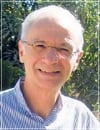
Jean-Claude Souillot

"Three Imperatives"

Jean-Claude Souillot October, 1 2025 Video & Audio
0 Comments

In the sermon "Three Imperatives," Jean-Claude Souillot addresses the theological theme of perseverance in faith as it pertains to the Christian experience of rest in Christ. He argues that believers must remain vigilant against complacency, emphasizing the dangers posed by spiritual lethargy and the potential for unbelief to lead them away from God's promises. Souillot draws extensively on Hebrews 4, particularly the warnings against failing to enter God's rest due to disobedience and lack of faith. This passage underlines the active role believers must take in securing their faith and confidently approaching God through Christ, who serves as the ultimate High Priest. The practical significance of this teaching lies in the call for Christians to engage with Scripture—the "two-edged sword"—to cultivate a vibrant faith, remain obedient, and hold steadfast to their profession in the face of trials.

Key Quotes

“We are saved by grace, but grace is not a savior. Because grace was never crucified. It was Christ. Christ saves by grace.”

“Let us therefore fear, lest a promise being left us of entering into his rest, any of you should seem to come short of it.”

“There is still a rest. See, Joshua brought them into Canaan, the Promised Land, the picture of the rest of the elect. It's only a picture, but Joshua didn't give them rest.”

“We need to hold fast to our profession, that is, to what God has said and taught us. We don't want to hear what people say about what God said.”

What does the Bible say about the power of the blood of Jesus?

The Bible teaches that the blood of Jesus has saving power and cleanses us from sin.

The power of the blood of Jesus is foundational to Christian faith. It is through His blood that we find redemption, forgiveness, and the means to enter into a new covenant with God. Hebrews 9:22 states, 'without the shedding of blood, there is no forgiveness of sins.' This signifies that the sacrifice of Christ is the ultimate atonement for our sins, providing us the necessary grace to stand before God without condemnation. The blood of Jesus not only cleanses us but also empowers us to live according to God’s will.

Hebrews 9:22, 1 Peter 1:18-19

What does the Bible say about the power of God's Word?

God's Word is described as living and powerful, sharper than any two-edged sword, piercing to the division of soul and spirit.

In Hebrews 4:12, the author emphasizes the incredible power of God's Word, which is not merely text but actively works in the hearts of believers. It is sharper than any two-edged sword, cutting through the superficial layers of our lives to reveal deeper truths about our souls. This imagery illustrates how the Word of God discerns the thoughts and intentions of the human heart, exposing areas in need of repentance and renewal. It serves as both an instrument of conviction and a source of encouragement, guiding us back to God’s promises.

Hebrews 4:12

How do we know that God's promises are true?

God's promises are guaranteed by His character and faithfulness throughout Scripture.

The truth of God's promises is anchored in His eternal character and unwavering faithfulness. Throughout history, God has proven Himself true to every covenant and promise made to His people. Hebrews 4:1-3 warns us not to harden our hearts and miss the rest God offers, emphasizing that His promises remain valid for those who believe. The fulfillment of prophecies and the historical evidence of God’s intervention in human affairs reinforce the certainty of His promises. Ultimately, the resurrection of Jesus Christ stands as the definitive sign of God’s faithfulness.

Hebrews 4:1-3, Romans 4:20-21

How do we know the doctrine of grace is true?

The doctrine of grace is affirmed by the reality of our salvation through Christ's sacrifices and the scriptural truths presented throughout the New Testament.

The doctrine of grace is substantiated by scripture and the transformative power of Christ in the believer's life. Ephesians 2:8-9 reminds us that salvation is not of ourselves, it is the gift of God. Understanding that we are saved by grace highlights the need to rely on Christ's finished work, rather than our own efforts. Furthermore, as believers, we experience God's grace in daily life, empowering us to live in accordance with His commandments and producing fruit that aligns with His will. This lived experience, coupled with the truths expressed in scripture, confirms the authenticity of the doctrine of grace.

Ephesians 2:8-9, Hebrews 4:14-16

Why is obedience to God important for Christians?

Obedience is crucial as it reflects our love for God and our commitment to His teachings.

Obedience to God is vital for Christians as it demonstrates our love and reverence for Him. In John 14:15, Jesus states, 'If you love me, keep my commandments.' This indicates that our actions reveal the sincerity of our faith. Hebrews 4:11 urges us to 'labor to enter into that rest,' reminding us that faith must be accompanied by obedience to God's Word. True faith recognizes the authority of God, leading us to fulfill His directives, which, in turn, brings about spiritual growth and bears witness to the transformational power of the Gospel in our lives.

John 14:15, Hebrews 4:11

Why is Christ's high priesthood important for Christians?

Christ's high priesthood ensures that we have a mediator who sympathizes with our weaknesses and intercedes on our behalf.

In Hebrews 4:14-16, the significance of Christ as our great high priest is profound, as He not only represents us before God but also fully understands our struggles. He was tempted in every way, yet without sin, allowing Him to empathize with our human condition authentically. Because of this, we can approach the throne of grace with confidence, assured that we will receive mercy and find grace to help in our time of need. His priesthood not only affirms our relationship with God but also assures us of His continual intercession as we navigate our spiritual journey.

Hebrews 4:14-16

What does it mean to enter God's rest?

Entering God's rest involves a spiritual state of peace and assurance in God’s promises, which believers can access through faith.

In Hebrews 4, the concept of rest is multi-faceted, referring both to the physical rest promised to the Israelites and a deeper, spiritual rest found in Christ. The author warns about the danger of failure to enter this rest due to unbelief, pointing to the need for faith in God's promises. This rest signifies a cessation from striving for salvation through works, embracing the assurance that we are accepted in Christ. By relying on God's grace, believers can experience true peace, as we no longer work to earn favor but rest in the sufficiency of Christ’s finished work on the cross.

Hebrews 4:1-11

Sermon Transcript

Auto-generated transcript • May contain errors

100%
Good evening. Let's all stand together. We'll sing hymn number 198.
198.
Would you be free from the burden of sin? There's power in the blood, power in the blood.
Would you or evil a victory win? There's wonderful power in the blood.

There is power, power, wonder-working power
In the blood of the Lamb. There is power, power, wonder-working power

In the precious blood of the Lamb. Would you be free from your passion and pride? There's power in the blood, power in the blood.
Come for a cleansing to Calvary's tide.
There's wonderful power in the blood. There is power, power, wonder-working power. There is power, power, for wonder-working power
In the precious blood of the Lamb.
Would you be wider, much wider than snow? There's power in the blood, power in the blood
Since things are lost in its life-giving flow,
There's wonderful power in the blood.
Power, power, wonder-working power
In the power of the Lamb
There is power, power, wonder-working power In the precious blood of the Lamb
Would you do service for Jesus your King? That's power in the blood, power in the blood.
Would you live daily as praise is to sing? There's wonderful power in the blood. There is power, power, wonder-working power in the blood of the Lamb. There is power, power, wonder-working power in the precious blood of the Lamb.
They saved it. I forgot to admit the fourth verse, sorry.

Hymn number 295.
295. He leadeth me, O blessed thought, O words with heavenly comfort brought.
What e'er I do, where'er I go, He leadeth me, He leadeth me,

By His own hand He leadeth me.
O Thou where I would be, or by His heavy laden feet.
Sometimes midst scenes of deepest blue,
Sometimes where Eden's powers bloom.
By water, still, or troubled sea,
Still Tisla's hand that lead again.
He leadeth me, He leadeth me By His own hand He leadeth me

His faithful follower I would be

For by His hand He leadeth me
Lord, I would clasp thy hand in mine,
Nor ever murmur nor repine,
Guilt in whatever lot I see,
Since, despite God, that needed be,
He leadeth me, He leadeth me By His own hand He leadeth me His faithful follower I would be For by His hand He leadeth me
And when my task on earth is done,
When by the grace the victory's won,
In this whole way I will not flee,
Since God through Jordan leadeth me.
He leadeth me, He leadeth me By His own hand He leadeth me His faithful follower I would be For by His hand He leadeth me read a few verses out of 1 Corinthians chapter 1.
And we're glad to have Jean-Claude Souillot and his wife, Wendy, with us. They were here last time, 2019. Is that right?

Let me start in verse 10.
Now I beseech you, brethren, by the name of our Lord Jesus Christ, that you all speak the same thing, and that there be no divisions among you, that you be perfectly joined together in the same mind and in the same judgment.
For it hath been declared unto me of you, my brethren, by them which are of the house of glory, that there are contentions among you.
Now this I say, that every one of you saith, I am of Paul, I of Apollos, and I of Cephas, and I of Christ.
Is Christ divided? Was Paul crucified for you? Or were you baptized in the name of Paul?
I thank God that I baptized none of you but Crispus and Gaius.
Best any should say I had baptized in my own name.
And I baptized also the house of Stephanus,
Besides, I know not whether I baptized any other.
For Christ sent me not to baptize, but to preach the gospel.
Not with wisdom of words, not with speech, for speech may impress people, lest the cross of Christ should be made of none effect.
For the preaching of the cross is to them that perish foolishness, but to us which are saved. It is the power of God.
For it is written, I will destroy the wisdom of the wise, and I will bring to zero nothing the understanding of the prudent.

Now I want you to look down with me down in verse 30.
But of him, this is what the gospel does for us, but of him,
Are ye in Christ Jesus, who of God has made unto us wisdom and righteousness and sanctification and redemption,
that according as it is written, he that glorieth, let him glory in the Lord.
He's the only one we can glory in, the only one, nobody else.

Our Father, our great, glorious God in heaven,
In the name of your blessed son, that name that's above every name, the Lord Jesus Christ,
we come into your presence.
We enter the holiest of holy by a new and living way through the blood of our Lord Jesus Christ, who ever lives, ever lives, sits on the right hand with all power and glory vested in him.
And Lord, we gather here tonight, as we always do, to worship you.
to read some scriptures, sing some hymns, pray and call on your holy name, look to you, and we want to worship tonight.
We want to leave this flesh and this world behind for a little while.
And so bless our preacher as he comes.
God bless him, liberate his mind, his heart, give him the words to say, to speak to us and speak to our hearts, speak to our souls, give us hearing ears believing hearts. Lord, bring glory to yourself in the service tonight. And please be with those who, in your providence, are not here tonight. I know that there would be people here, but things have happened in their lives that they can't come. And we pray for our brothers and sisters still going through a great fight of afflictions. Rick and Helen, Jim and Debbie, oh, Lord, please meet the needs. Brother James, God bless him. Strengthen him, encourage him, and forgive us everything that's unlike him. Be merciful to our families. Have mercy on them. Bring them to do what only you can do. We ask these precious things in Christ our Lord's name. Amen.

M number 204. 204.
Oh soul, are you weary and troubled?
No light in the darkness you see?
There's light for a look at the Savior,
And life more abundant and free.
Turn your eyes upon Jesus, look full in His wonderful face.
And the things of earth do grow strangely dim

In the light of His glory and grace.
Through death into life ever He passed
and we followed Him there
Over us and no more at the midnight
For more than conquerors we are
Turn your eyes upon Jesus

Look full in His wonderful face
Then the things of earth will grow strangely dim In the light of His glory and grace.
His word shall not fail you, He promised.
Believe Him and all will be well.
Then go to a world that is dying,
His perfect salvation to tell.
Turn your eyes upon Jesus, Look full in His wonderful face,
And the kings of earth will grow strangely dim In the light of His glory and grace.

I tell you, things, this world grows dim in the light of our Lord Jesus Christ, that's for sure. Wean us off from this world. And we're just grateful to have Jean-Claude Souillot. I don't know if he's from France or England now. I mean, he's a Frenchman. His wife's English. And we've been in our home several times over the years. We always have wonderful fellowship. You come and bring the Lord's message. Good evening to you all.

I realise that I've been coming quite a number of times now here. I think the first time was 2001, but I can see that it's been quite a few times because Don is able to pronounce my name properly now, which is quite a challenge. I thought you were going to say you didn't know whether I was French or in France or live in France or in Africa. Yes, don't think of that, but it's a delight to be here again with you and I know that Wendy's very glad to be here and have fellowship. regret we have is that there are not enough Sundays in the week. We have to choose places, and we're here on a Wednesday, but we'll look at the Word of God. And for that, I want to invite you to come with me in Hebrews chapter 4, and we will read the chapter in its entirety.

Hebrews chapter 4. I'm very conscious of my French accent and my difficulty with English. The only thing which helps me, the knowledge that I'm in Tennessee.

Let us therefore fear, lest a promise being left us of entering into his rest, any of you should seem to come short of it. For unto us was the gospel preached as well as unto them, that is, the people of the Old Testament in the desert. But the word preached did not profit them, not being mixed with faith in them that heard it. For we which have believed do enter into rest, as he said, as I have sworn in my wrath, if they shall enter into my rest, although the works were finished from the foundation of the world. For he spake in a certain place of the seventh day on this wise, and God did rest the seventh day from all his works. And in this place again, if they shall enter into my rest. Seeing, therefore, it remaineth that some must enter therein, and they to whom it was first preached entered not in because of unbelief. Again, it limiteth a certain day, saying in David, Today, after so long a time, as it is said, Today, if you will hear his voice, harden not your hearts. For if Jesus had given them rest, then we did not afterwards have spoken of another day. There remaineth therefore a rest to the people of God. For he that is entered into his rest, he also has ceased from his own works as God did from his. Let us labor therefore to enter into that rest, lest any man fall after the same example of unbelief.

For the word of God is quick and powerful and sharper than any two-edged sword, piercing even to the dividing asunder of soul and spirit and of the joints and marrow, and is a discerner of the thoughts and intents of the heart. Neither is there any creature that is not manifest in sight, but all things are naked and opened unto the eyes of him with whom we have to do. Think then that we have a great high priest that is passed into the heavens, Jesus the Son of God. Let us hold fast our profession. For we have not an high priest which cannot be touched without the feelings of our infirmities, but was in all points tempted like as we are yet without sin. Let us therefore come boldly unto the throne of grace, that we may obtain mercy and find grace to help in time of need. And this is the word of God. And no doubt you've heard many messages from this chapter. The verse which really attracted my attention was verse 12. The Word of God is quick and powerful and sharper than any two-edged sword, piercing even to the dividing asunder of soul and spirit." And I was thinking about this and thinking how this two-edged sword, you know, cuts one way, cuts another way, and is doing the work of God. This is, therefore, the verse which attracted me. But ask the question, what is this verse doing here? Why is the author writing this verse, this phrase? And he does it, of course, in a very precise context.

And it is the fact that he's doing what he's done right from the beginning of his letter, right to the end. He's pointing to the Christ, the one who is better, who is the servant of a better covenant and brings a full salvation. So, this is what we need to see, and it was exactly the reason why he mentions these in the desert, in the wilderness, who have fallen. Why? Because they heard the gospel, as he says in the previous chapter. They heard the same gospel through Moses, which shows actually Moses was preaching the gospel, but it was not mixed with faith.

And this is a warning to any of us. Are we tempted to rest on our experience? By that I mean that we've been in the gospel for a long time. Some of you longer than even I have been. And this becomes the rock on which we stand. Our knowledge, our understanding of grace. But my friends, these things don't save. Don't save. And to the point of, to the risk of being misunderstood, I often say when I'm in Africa, say, we are saved by grace, but grace is not a savior. Because grace was never crucified. It was Christ. Christ saves by grace.

And the thing is, We're still so much in the flesh, aren't we? And it drags us down. And we slide very unconsciously, really, to things we can see, or things we can understand, things we can grasp. Like these people in the Hebrews, at the time of the letter, you see, it was kind of different, except that They came from a Jewish background where the rituals and all their religions were things which were seen, telling them about things unseen, the promise, and suddenly they became real Christians.

We tend to think of these Hebrews as people who are kind of a bit wobbly in their faith. They were not. They were attacked. but they were real Christians. They had suffered from the Jews, from their own kins, you know. They had suffered greatly, lost a lot, and yet stood. But the time went on and on and on. And you know what it is? Time wears you out. It does. Because to be a Christian is to believe in the Savior, and he's gone, he's coming again, but he's not here. And the temple was still you know, still there in Jerusalem. And they were still, among the Jews, it was just business as usual.

And these people had been trained to understand all the symbolism ever since they were kids. And now there was nothing of that. And it's fine to be, you know, a strong Christian, but after a while, it wears. And, you know, these people were so taken by the fact that Christ was coming again. that they were expecting every day. Some of them had actually stopped working. Because they said, he's coming, what's the point anymore? And he was not coming back. And not coming back. And it's terrible. It's difficult. And suddenly they were tempted to look back. To look back. To say, well, maybe we've taken the wrong turn.

This is a danger in which we can fall, or we can slide, rather, ever such a little, little bit by little bit, and then suddenly you look at yourself in the mirror, spiritually speaking, and you say, where have I gone to? Where am I now, so far away? Do you remember that church in the New Testament where Christ sends a second letter And he says, you've got everything right, but there's one thing you've forgotten, the love you had at first. And the question is for us to ask, you know, where is the love I had at first?

Now, that love, theologically speaking and whatever, was all over the place, but it was boiling, it was burning, wasn't it? And now it may be channeled, but it's not bubbling as it was. And the Lord is calling his people continually to come back to this point. And so, this is why he's bringing these people back to the Word of God, that sharp sword.

In this passage, we were talking some earlier with Donnie, and I mentioned I was going to use three imperatives, three letters, therefore. And he pointed out to me that there was a fourth one. I've left it out, I must admit. And thankfully for you, because it'll be shorter, maybe. But This is what he says. He's trying to wake them up and to say, look who you are. Look who you are. But especially, look who he is. He's the one who has this word. And this word is ready to trim everything that is not his in your life.

Now, that may be painful, but it's gracious. God will not leave his people as they are. This is our hope. It's not comfortable. You know, religion is comfortable. You're there, you know what's going to happen, and you are there because you know it's not going to touch you, and therefore your conscience will be can't, will be so set to sleep. But no, following Christ can be painful and comfortable, but it is grace. The Lord will not leave us to ourselves, and that is a cause of rejoicing and thankfulness.

But the first imperative I'm not anymore used to the AV, so you'll have to forgive me for that, but let us therefore fear. In French, it's just one word, fear, fear. and let us fear. And in fear, there are two sides. There is the fear of the slave, the servant, who is afraid of coming across his master because he knows he's going to suffer because of that. You have that in the workplace. We are afraid of our superiors. Why? Because we know that at the end of the month, it's going to impact our paycheck. There's that kind of fear. But there's also the fear, the fear of the son, the fear of the child. He's afraid of offending his father because he loves his father. The filial fear.

And it is customary to put head against head these two fears, you know, to put a contrast between these two. But I personally believe that in the Word we can see them united. united. Yes, we love the Lord because he's the father, because he's gracious, because everything is done. But he is God. He's nobody. You know, he's in heaven. We are on earth. And therefore, when we come before him, we come with reference. So in one side, you have fear and obedience. The other side, you have love and obedience. And I feel that sometimes we react against one and we fall into an extreme of the other.

Say, oh yes, we're in a family like today. I must be getting old because you see the kids and they're not brought up the same way as they were. most of the time. The exception's proving the rule, you see. And yesterday, even yesterday, we were walking and we met some youngsters, and it's just as if we didn't exist, you see. Because they're the center. No, a child of God is never the center. The blessings he enjoys are not for him. No, that's a byproduct. to enable him to live according to what God has said, and thereby bring glory to his Father. And therefore there is this seriousness and this obedience.

Obedience is a word we fear today, or our world fears. But God is in the heavens and we're on earth. And although we are children, He is the Father, and is the eternal Father. And yes, there is these two results. And the Israelites in the desert, in the wilderness, they were failing that because they didn't see the God as their father. There was no union. between them and God. And therefore, they didn't obey. They wanted all the time to go back to Egypt, where it was far better. It's a good thing we sang that song. You know, they were not looking full in the face of the promised one. And therefore, the world was not growing dim. You know, it was still a full attraction. We'll go back to Egypt. Well, they were thinking about what they could eat in Egypt, but not the slavery. They'd forgotten that. How quick we are to do that.

And to do this, to show that we need to fear the writer here, he writes in a very special way. In verse one, let us therefore fear, lest, a promise being left us of entering into his rest, any of you should seem to come short of it. Well, that is 17th century English, isn't it? But in the original, it says, really, that any of you should come a day too late, or a day late. And by that, the writer, who is a Hebrew, writing to Hebrews, he knew that his people, his correspondents, would understand what he's talking about. He's talking about an event in the Old Testament, where the people of God, then the Israelites, had actually done that. Do you remember? They went through the wilderness fairly quickly, received the law, and carried on. They had the tabernacle erected, and so on. And then they came on the verge of Canaan. And Joshua sent 10 spies. You're familiar with the event. And 12 spies. And 12 came back, 10 gave a wrong report, and 2 were faithful. But the people Listen to the ten. And therefore, forgetting the promise of God given to Abraham, they turned their back. And they said, no, we're not going to go. And God was angry and through Moses said, well, therefore, you're going to go back into the wilderness and all of you above 20 will die in that wilderness, except these two men. Even Moses stayed there.

Well, during the night, they started to think, I guess. And the next morning, they said, no, we're going to go into Canaan. Next morning, they were acting against God's word. disobedience. And they went. And they were routed out, you know, and several of them, many of them died. And they came back completely defeated and went into the wilderness. And this is exactly what the author here is talking about. He's not talking about a day late, chronologically, he's talking about disobedience. disobeying to what God says. God had said, go into Canaan. No, we're not going to go. OK, back into the wilderness. No, we're not going to go back into the wilderness. They came a day late. A day late, the door was shut. And he says, let's be careful. Let us fear, my friends, because we may come, but the door is shut.

And you may say, well, I've been in the church in Crossville all these years, decades even, and so on, and I understand all these things. This is not a question of knowledge. This is not a question of faithfulness or regularity. No, obedience and disobedience. Am I doing what God asks me to do? When I come to the meetings, let us be honest and ask ourselves, why do I come? If you're anything like me, most of the time it's by routine. And when you come among the people and we start worshipping, we start reading, we start praying and so on, you yank yourself into, oh yes, this is a holy convocation, I'm coming to the Lord. But our flesh doesn't come because of what the Lord has said. So let us fear, let us fear, my friends, lest we miss the mark. And the mark is obeying God's Word. God's Word, which is this two-edged sharp sword.

But then, in verse 11, there is another imperative Let us labor, therefore, to enter into that rest, because there is a rest. It was not just that God rested in the past and that he brought them into Canaan, and that is it, the end of the story. No, there is still a rest. See, Joshua brought them into Canaan, the Promised Land, the picture of the rest of the elect. It's only a picture, but Joshua didn't give them rest. They had to fight, and even after the conquest of Canaan was done, there were still pockets of enemies, of adversaries. That's not rest. You remember, there were all still skirmishes, and our people were tempted to go back to these people, and eventually went and were taken to exile. So that is not rest. Even David. David subdued all nations around. But David didn't bring rest. Himself couldn't even build a temple. So there is a rest still to come.

And here he says, well, it's as if saying, let us press, therefore. Like, if there's not going to be enough room, and I don't want to be left out. This is, we know, we know, you know, I know that all those whom God has loved from everlasting will be in. Not one missing, not one too many. But we need to press on. We need to press as if, as if. There was a time when going to Africa, there was a church camp and loads of people and even more, loads of kids. Well, it sounded like if there were millions. And that year I brought some little, what do you call them, sweets. And one of them discovered I had that in my pocket. And they come and they say, can I have a sweet? Well, I did the same as you would do. Oh, no, you can't have it. Why should you have it? It's not good for you and that kind of thing. Especially in French, it's good, good. It's not good for you. It's good, good. And you think the kids say, oh, OK, he doesn't want to give me the sweets. I mean, I had to give the sweets. Otherwise, I would have had to part with my pants. They were going to demolish. We are children. children of God, however old you are, a child of God. And we've got to press on, to press, as if we're going to be turned down, turned out, and, no, no, I want to get in. Why? Because if you say, well, you know, it doesn't matter. Well, there's no value, is there? And we've got to show that, yeah, this is our treasure. This is of great value, to be in the presence of my Lord, to be presented before his Father, completely free from any imperfection. Can you imagine that? Well, if you can, come and see me at the end to explain. I can't. I've never known that. It's only the pictures we have in the Word, you know. We've got to press on, press on.

And, you know, the years go by, and we're used to, we come on a Sunday, we come on a Wednesday, and somebody stands and opens a word, and, oh, we're going to think about this verse or this passage and so on. And very often, my friends, The first thought in our head is, I know. I know. This is a familiar thing. I've heard that. I've studied it myself and so on. And as soon as we say that, we cease to behave as follows Christ. If you know, you're not going to learn. You're not going to listen. Now, the Lord is good with us. He knows what we are made, just flesh. And He is patient and He is rich in mercy. But this is something we've got to fight against. And it is fighting against, why? In looking full in the face of Christ. And these Hebrews, those in whom the Lord had placed life and faith, they were looking into the promise And we're looking into the face of the promised one who came, but we're also looking for the day when he's coming again. So we're in the same boat as these people. And the danger is that we may have ceased, like these people to whom the author is writing. They had ceased to see that there is still something better to come. Christ was going to come, and the church today, oh, my friends, it is anything but perfect, isn't it? No, it is a shame, but that's what it should be in the world, and made of sinners. But one day, one day, we'll see the church perfect. Some people attribute that to Spurgeon. He says, if it is Spurgeon or whoever it was, it doesn't matter. I said, if you find a perfect church, don't go into it, because it ceases to be perfect. Well, there's a day coming, my friends, when the church will be perfect, and if you're a believer, if God's been gracious to you, you'll be in it, and it'll still be perfect. Isn't that wonderful? Let us press, press on, press into it, like if we're absolutely desperate. There's a desperation in a sense, and there's also a determination, and that is the last I mean, not the last, but the third imperative I want to speak on is verse 14, seeing then as we have a great high priest that is passing to the heavens, Jesus, Son of God, let us hold fast our profession.

See, we want to press in, we want to be in, but we want to stay in. And you know how strong is the pull to be out of it or to be just a passenger? There's no passenger, there's no tourist in the church. This determination, let us hold fast our profession. Because these people in the wilderness, these people at that time, they all left Egypt, all of them. That's why they were in the wilderness. They were led in the wilderness. All of them, they were fed. Their thirst was quenched. and they were brought right into Canaan, near Canaan. But still, in the end, their corpses stayed in the wilderness. Why? Unbelief. They didn't stay firm in the faith.

Now, you don't stay first. You don't hold fast by your own strength. Yes, you put out the efforts, but the life is the life given by the Spirit, the life of Christ. There's too many Christians who are either too active, activism, and others who are too static. Yes, the life of Christ lives in us if we are His. Now, the illustration could be the little baby just born. So, it's got life. But if it doesn't start crying, what does the, what do you call it, midwife does? I guess it's the same here still. Just spank it so as to make it cry. Why? Because there's life and life's got to show itself. Now there's life, there's my life. The life I say I have in Christ, does it show itself? And I'm not talking about my own efforts, although I need to press on, but in the power of God.

We need to hold fast, to hold fast, as he says, to our profession, that is, to what God has said and taught us. We don't want to hear what people say about what God said. The tools, the servants are useful, but then we go back to the Word to see if these things are so. What I found so often, and I travel, so it's not a question of culture, is that people will hear what is said and try to see if it is not so. But no, we want to see, because we want these things to be true. We want to be taught the truth. Why? Because the truth will make us live.

And this is how, day after day, we hear the truth, we study, we plunge our eyes into the truth, and we are changed from glory into glory. And in the past, I used to think, well, that's fine, my experience, so it's glory, and then, bang, I fall. I pick myself up and glory again, you know, things go. No, even our faults, our use of God for his glory, for his glory. Because when people see, well, Christ himself says, they will know that the Father has sent me by the way you love each other. And it's not easy to love each other. Often we find we're surrounded with difficult people. The only trouble is that other people think they're surrounded by me, who is a difficult person. In that, they're right.

But you see, so we need to hold fast. And hold fast is not just dig ourselves into a trench. No, no, no, no. That may be good for some warfare. No, it's to go forward and to live this life and to speak this life and to touch lives? Are people around you uncomfortable because you live differently? Because you belong to a different humanity? Because you are different? Are people like this? And drawn to ask questions and maybe to be touched in the goodness of God?

And all this, my friends, comes through the work of this two-edged sword, the Word of God. It's not how I imagine I should live, because then that's a cultural thing. We come over here and say, oh, you do things this way, even in a service. We all have a liturgy. We do things week in, week out, you know, and we think it's okay. I'm not saying it's not okay. What I'm saying is that this is the way to do it. No, we want to listen to what God says, and if he comes and cuts things, we want these things to be cut, however painful it is.

And, you know, theologians have been fighting or arguing for centuries now, whether it's the spirit and the soul, one thing, two things, or what. And there's good people on one side, good people on the other side, and they fight. Well, at least that keeps them occupied. They don't do stupid things apart from that.

The word of God gets right between, right between. And this can create a certain fear. You know, I don't like pain. So if the Word of God is a two-edged sword, and I know I've got a lot of imperfection, and there are probably many more I'm not conscious of, it's going to hurt. Well, maybe it's going to hurt. But I still have to have my faith hooked on the promise. on the promise that whatever God does is to bring his church to perfection and in his presence. And therefore, I will follow Christ.

Christ, as he says here, he was tempted or he went through the same things as us, yet without sin. And we feel, how can I hold fast? of my profession. I know myself too much, you know. But Christ, Christ was tempted in this way. You remember, he was in the garden, a man who is God. And he says, Oh, Lord, Father, if this cup, this suffering, this being separated from you, this being an outcast, cursed, can pass away from me. Oh, this is what I want as a man. But then, he is God, and he says, well, yet your will, not mine.

See, he's been tempted like this. He's seen his disciples not understanding one thing. After three years, say, Philip, have you been so long with me and you still don't understand? And, you know, and Peter, Peter, the one who is always named first among the apostles, is no Pope, but still, he was probably the spokesman. And Peter, still, on the eve of the crucifixion, still thinks that he can stand. Peter, Peter, that little maid will make you deny me.

I find great encouragement in Peter, I must admit.

Christ has gone before, and he's gone to the cross. And the author to the letter of the Hebrews says, he despised the shame. We hardly understand what it means. You know, for a Jew to be there in the sight of everybody, naked, sweaty, dirty, and all that, you know, and nailed to a tree. That was terrible, because the one who is nailed to a tree is cursed. He went, he despised that. Why? Because his eyes were on the joy that was set before him.

And my friends, I don't know if you've ever thought, what is this joy? His job was not to be in the presence of his father, because he was in the presence of his father all the time, except for some hours on the cross. No, it was what? The travail of his soul, the church, his people, completely redeemed. Now there is no condemnation. Now there is peace.

We glide over these passages. But my friend, apart from Christ, there is no peace in the world. Now you will agree with me that there is no peace in the world, even today, especially today. But no, there is no peace with God. Whatever people say, apart from Christ, but in Christ, because he despised the shame, despised the cross. He went through with it. He held fast his profession. by faith. He went to the cross by faith in the promise of the Father that there will be a people.

And now he can see his people and his Spirit brings his people day after day to come to be what they are. Because most of the time we live as if we're not what we are. But he brings up, and there's this growth in graces, moving from day to day.

And it may be that in our modern day, so-called modern day and affluent society, we've become a bit too obese. And we've forgotten that we're in a race. We're in a race. There are witnesses all around, and they're not witnesses who are saying, look, go on, you press, you're going to get the prize. Say no, look, at the end, someone is going to give you the crown. And it is that someone who is important, because he has said that he will reward. And he will. And those who run the race have received their reward. I'm not talking about five towns or three towns or what, you know, this sort of gimmicks. No, I'm talking about what he has promised he will give. And these witnesses, those who've gone before Abraham, Moses, and all these big names, and those who don't have any name, none of these women who received their dead, those who were sown asunders, we don't know their name, but they're saying, he's faithful, he will give what he has promised. And that word, that word helps us, day after day, forms us, molds us, shapes us to be what we are. Let us rejoice that God is speaking even today through his word. May he have all the glory. Amen.

I forgot to mention that he He goes to Africa and stays over there for six weeks, eight weeks, and has a great ministry over in Africa, Prince of Brecon, Africa. And I'm sorry I didn't mention that. But yeah, God uses his word, sharper than any two-edged sword, dividing asunder, cut, piercing, lays you open, and then he'll come back and he'll wound you and put salt in the wound, and then he'll come back and heal you back up. All in the same message. Thank you, brother. Appreciate it very much.

Our father, thank you for allowing us to meet here tonight. Thank you for letting us hear your word. Oh, bring glory to yourself. Thank you. John Claude and Wendy, as they travel and go places and labor in the gospel, wherever they go, God bless them, God strengthen them, God encourage them. We ask for these things in our Lord Jesus' name. Amen. Amen.

There is a name I love to hear. I love to sing his word. It sounds like music in my ear. The sweetest name on earth. Oh, how I love Jesus. Oh, how I love Jesus. Oh, how I love Jesus. Because He first loved me. I'll see you Sunday morning, God willing. Good night and God bless you. Come tell John Claus how much you appreciate
Jean-Claude Souillot
About Jean-Claude Souillot
El pastor Jean-Claude Souillot pastorea la Iglesia Evangélica de la Gracia en Chalon sur Saone, Francia. Está además comprometido con la traducción y publicación de literatura reformada en francés, difusión de programas de radio en el mundo francófono, y participa activament en la formación de pastores en países como Haití, Congo, Benin o Costa de Marfil.
Broadcaster:

Comments

0 / 2000 characters
Comments are moderated before appearing.

Be the first to comment!

Joshua

Joshua

Shall we play a game? Ask me about articles, sermons, or theology from our library. I can also help you navigate the site.