Bootstrap
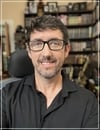
James H. Tippins

W29 Office of Love: The Deacon

1 Timothy 3:8-13
James H. Tippins July, 3 2022 Video & Audio
0 Comments
Deacons are Gods gift to the church to display and apply the love of Christ.

In his sermon titled "Office of Love: The Deacon," James H. Tippins addresses the role and significance of deacons within the church, emphasizing their function in the context of unity and service. He argues that the biblical qualifications for deacons in 1 Timothy 3:8-13 are essential for maintaining church order and demonstrating Christ's love to the congregation. Tippins highlights Acts 6 as a foundational moment for the diaconate, illustrating how the early church addressed practical needs while also prioritizing the ministry of the Word. He reinforces the distinction between deacons and elders, emphasizing that deacons are not simply junior elders but serve in a unique capacity, administrating care and serving as "the hands and feet of the love of Christ." This understanding underscores the necessity of structure within the church for the sake of spiritual growth and community love.

Key Quotes

“Deacons likewise must be dignified, not double-tongued, not addicted to too much wine, not greedy for dishonest gain.”

“The office of deacon is distinctly different. Scripture gives the instruction, not culture.”

“Those who serve well as deacons gain a good standing for themselves and also great confidence in the faith that is in Christ Jesus.”

“Beloved, we must understand this. Everybody's not looking. We're not looking for assimilation. We're looking for intimacy.”

Sermon Transcript

Auto-generated transcript • May contain errors

100%
found john 13 acts chapter 6
and 1st Timothy 3 so if you wanna find those other places that'll
help you, that'll be fine as well we've been going through this
letter and learning that Paul's intention for writing it is specifically
to keep the church in order to keep people on task, to keep
the body focused on unity and the bond of love. And as Paul
does with all of his letters, he gives prescription as to how
we handle every single circumstance. Now I want you to think about
that for a second. So you might ask us, what does the Bible teach
us about X? Well, there are some topics and
subjects that the Bible does not address. many subjects. The Bible is not the infinite
oracle of all things biological or scientific or mathematic,
etc. Though you could dig and say,
yeah, it's touching it. As Brother Mike prayed, we have
the Word. It is the complete and full revelation
of God to us, His people. Everything that we need, Peter
would say, for life and godliness is contained therein. But yet we find so little time
in our days, so little effort sometimes in the seasons of our
lives to reach into the pages of scripture and find what we're
looking for. And as James would call us to
do, to ask and pray for wisdom God gives without qualification. And then when we see that wisdom
come from his word, we stand fast therein. We do not say,
well, let's try it this way, or what about this? We just have
to resolve to rest in the sovereignty of God and his revelation through
his word, and that includes his instruction to his people. The
Bible has been an abused text and the source of abuse for people
for centuries. There's nothing greater than
to be told that God said and then X, Y, Z. And then even worse,
the consequences of not listening to what God said that God did
not say binds people's conscience. And now it's not even like that
hardly anymore. It's the twisting ideologies and the philosophies
and the applications and the conditions and the distinctions
and all these other things that we do in our own brains, then
we feel justified in them because we gather around people who ditto
these things, what we have not coined, but what we have now
come to know as the echo chamber. And we get extremely excited
about the echo chamber because we're hearing the hollaback.
Yay! That's my team. I must be right. Beloved, I've seen teams play
wrong and lose. Just because there is a group
of people who agree with us does not make us right. We all are
wrong. Just because history may be on
our side, beloved, history is almost always wrong. That's the
point. Just because the credential might
agree with our position. Beloved, let's read 1 Corinthians
chapter 1. Paul writes this fledgling, infantile,
idiotic congregation who are not only not living in unity,
not living in love, but are judgmental and self-righteous and braggarts,
turn their nose up to people who aren't quite to par, who
aren't quite as academically expressive. who aren't doing
things quite the way they want it to be done, but yet all the
while, as we see Paul talk to the Romans, the very people who
make judgment on the ones that they don't like are the very
ones who are doing the exact same thing without their even
knowing it, that they're making judgment for. The word of God
teaches us how to handle things. The word of God gives us the
simple instruction. And then you don't have to come back and
say, well, what about this? Well, if God's word hasn't told
us the what about this, then we don't. What about this? Because, beloved, if I haven't
poured the foundation of my house, who cares where the trusses go? But the trusses on the dirt,
it's not a house. See, that's what we're always
doing in America. It's not like this everywhere.
It's not like this everywhere in America, but it's a predominant
theme in America. In every topic, in every situation,
in every discipline, there's always the experts who aren't
experts, who have voice, who are influencers. Beloved, just
because someone is an influencer doesn't make them right. As a
matter of fact, the Word of God would say that those with the
greatest influence are usually the ones who are most wicked,
who are leading people down a spiral of destruction. Because when we submit to the
Scripture, to the revelation of God to the apostles, and do
in obedience the commands God makes certain we know are commands
in the New Testament, Those who refuse to do them are to be considered
unbelievers if they do not submit to the scripture. No matter what
they believe about the gospel. Your theology doesn't give you
a trump card to disobey Christ. Ever. I want to hit the pulpit. There's just not big enough.
There's no room to hit. You know. Doesn't do it. Matter of fact,
your theology, knowing who Christ is, ought to bring us to a place
of love and respect and honor. Think about that for a second.
We are called to a higher calling. We are called to a higher purpose,
to be a people for His glory, by His grace. And that's not
a contradiction to the sovereign gospel of free and powerful that
we believe. It is married to it. And when we look at the qualifications
for overseers, Paul didn't write that to Timothy so that Timothy
could opine the poetic nature of the fact that Jesus is the
greatest overseer. He wrote it so Timothy could
get his butt in gear and know what his job was and do it come
hell or high water. With joy. And now the deacons, you see?
That's what the Bible teaches us. and the failed elders, and
the failed deacons, and the failed women, and the failed men, and
the failed children, and the non-submissive, and the knuckleheads,
and everything in between, if they're born again and they fail,
they will not fall into destruction, but they will fall into despair.
They will fall into distraction. They will fall into divorce.
They will fall into all sorts of devastation. In John chapter 13, let's go
there. Well, no, no, no. I didn't read the text for today.
Hold on. Deacons, verse 8, chapter 3, 1 Timothy. Deacons, likewise. Likewise. Order. What's going
on in Ephesus? Knuckle-headed people who think
they know everything, who have made confident assertions about
things that they don't know anything about. And they're so confident
in their doctrinal positions that they're causing trouble
in the church because they're insisting everybody listen to
what they have to say. And they're not listening to
what the apostles have commanded. Thus, they're not listening to
Jesus Christ. Okay? So Paul writes Timothy,
who's young, who's been charged with putting everything in order
in Ephesus, who's been equipped by him personally, And yet, most
importantly, he's been equipped by the Holy Spirit. So now Paul
writes this letter and he says all this stuff's going on and
I'm telling you right now what you do, elder, is that you charge
these people to be quiet and that's what an elder does. No,
no, no, no, no, we're not teaching this. You stop the error. And
then you stop other people from going in and after the person
who's got the error because they're just as sinful, wicked, and demonic
as the other person who has an error if you continue to press
the issue of the error when the elders of the church have told
you to shut up. Ta-da! Ra-cha-cha-cha! It's time to
go, you see? It's time to go. Folks, we obey the Lord Jesus
Christ, or we get out of His people's way. And that's what
church discipline does for us. When everything's going crazy,
Paul says to Timothy, pray. Pray for these people. Close
your mouths, tell these people to stop. If they don't stop,
if they don't stop teaching, and if those people don't stop
instigating things, kick them out quick. That's my problem.
I'm too patient. Because I love them. I've tried to be, we talked about
this yesterday on Men's Guide. I've tried to be. Continually
murderous. It's in my nature. I want to
be hateful. I love being the big, bad, tough
guy. You know, that's just what it
is. Bandolier Bible study. Buddy, I'm telling you, I could
lead that. Could you imagine what the sign
would look like on the front of the building? Bandolier Bible study. I mean,
I could rock some radio commercials off the top of my head right
now. You tired of being a sissy man? Come to Bandelier Bibles."
I mean, you know, every guy driving to work Monday going, I need
the Lord Jesus in my life. I'm going there. I want to be the tough guy. I
want to hold grudges. But the Spirit of God won't let
me. It's the discipline of praying
for people who really ought to be spanked on the courthouse
step with a cane. Like our children, you know,
maybe you don't have friends in Singapore. That's what they
do. Pop, pop, pop. It's embarrassing. You don't
chew gum in Singapore, you might get spanked. They don't lock you up, they
just spank you with your butt out. I mean, that's humiliation. It's
not tough. What'd you get spanked for? Chewing
gum. I mean. When we pray for people, it changes
our heart because we know the gospel. We know the gospel. Mercy, grace, peace from God
the Father and through Jesus Christ our Lord. And beloved,
as I'll remind you, what I'm doing this morning is to teach
you what the Bible says we ought to be knowing and doing. There's nothing that we are going
to know that doesn't result in us having something to do. I'll say that again. There is
nothing in the New Testament that is taught to the church
for us to know that does not result in something for us to
do. High Christology, high sovereignty,
high election, whatever doctrine we may be looking at, it is not
for us to fiddle our brains and go, hmm, I have the truth. No,
get up off your butt and work. Get up off your butt and pray.
Get up off your butt, keep silent. You see, that's the service of
Christ. Who is the absolute model of
true submission? Jesus Christ. Who is the only
righteous human being that ever walked the face of the earth?
Jesus Christ. Who is the only one that satisfies
God the Father in all of his obedience? Jesus Christ. So when
we are imputed with the credit of his righteousness, we stand
before the Father as if we are indeed as perfect as Jesus forever. How can God do that? Because
He crushed the perfect man in the place of an imperfect and
wicked rebellious people. So we are inclined to do our
own thing. We are inclined to read the Bible
in our own way. We're inclined to just be rebellious
with an attitude because we know best. But the scripture tells us things
to do which counteract to the very culture in which we live
and make us look weak, make us look like we're giving up, make
us look like we're compromising when we're actually living exactly
like Christ has called us to. And for men, I can't speak for
you ladies, or you sisters and all, but for the men and the
brothers, I know that it offends our masculinity. It offends our
masculinity for me to read a little book and be told to just calm
down. It offends my masculinity when
somebody comes up to me and says, you just need to relax and rest
and trust in the Lord. What you talking about, Willis?
I mean, you know? What you talking about, Paul? What you talking
about, John? What you talking about? Say that word, Titus.
What you talking about, Titus? Gotta have those two syllables. No,
that's what we do. And the world looks at us and
goes, pfft. Scaredy cat. There's probably no greater,
there are some greater ones in the vileness, but there's probably
no greater backhanded attack for a man to
be called a coward. Probably for you sisters too,
I don't know. I don't want to put words in your mouth because I'm not
you. Jesus was called a coward because he spoke not a word in
his own defense. Well, he turned over tables, hoorah. No, we can't
do that. Jesus turned over tables in perfect
righteousness because it was prophesied that he would. And before the world began, he
knew the hearts of every man that was going to stand there. And the reason that he purposed
in their sinful wickedness and caused it to take place is that
he would be seen as the one who came with zeal for his father's
house when he saw the money changers who were crooks and thieves and
made his house a den of thieves. And what was it for? To show
that he was the true temple. that no matter how hard man tries,
that no matter how wonderfully they keep the temple, no matter
how much worship, how much money, how many sacrifices, it's every
single day prayers and sacrifices and offerings and incense and
burning. year after year after year after year of killing animals
and bleeding out their blood and burning the carcasses and
eating the meat of certain types of sacrifices and all this other
kind of stuff. It was to point for the continued reality of
the greatest obedience that humanity could ever, ever accomplish,
still deserve to die. You see? Jesus Christ died once for all. Period. That's the end of it. Good news! He died once for all,
having sanctified and justified all for whom he died. Now, therefore... We know Jesus
came to save sinners, Paul says, of which I'm the greatest of,
but now the church must be in order. So pray, keep the peace,
tend to yourselves, and we can go everywhere. We can see that
in the Thessalonians, we can see that with the Colossians,
we can see that where he talks about the Hebrews, we can see
that in Romans chapter 12 and 13 and all the other places. Peter's saying the same thing,
do like Jesus did, who entrusted himself to the one who was faithful.
He did not speak a word against those who spoke against him. where it tells the elders of
the church and the brothers and sisters of the church, because of God's
grace and patience to you, when someone offends you, go to them
quietly and when they say that I'm sorry, you accept it. And then you submit to the scripture
on how to resolve it. And when it happens again, guess
what forgiveness looks like? Well, that's the first time you've
done that. Somebody has habitually has a
character issue and they always seem to offend you in the same
way over a period of years. When you forgive them, when it
happens again, it's the first time it's happened. Because if you're driving the
force of that reaction and behind it is all the energy of of every
other offense then it's never been forgiven and that's a discipline
that we have to learn and that's one of the reasons that the pulpit
is so important that we teach the church how to do that according
to the grace of God and the instruction of the Word of God. Deacons likewise must be dignified
not double-tongued not addicted to too much wine not greedy for dishonest gain. They must hold the mystery of
the faith with a clear conscience. And then let them also be tested
first, then let them serve as deacons if they prove themselves
blameless. Their wives likewise must be
dignified, not slanderers, but sober-minded, faithful in all
things. Let deacons each be the husband
of one wife, also managing their children and their own households
well. for those who serve well as deacons gain a good standing
for themselves and also beautiful, great confidence in the faith
that is in Christ Jesus. There are two offices in the
church. There's only two areas of leadership in the church.
There are two offices that the apostles teach. There's the office
of elder, episkopos, presbyteros, and the
office of deacon, diokonos or doulos. Literal translation,
overseer, slave. Now we've already gone through
the fact that overseer in the office is also a servant to the
church to teach and pray and to guide and to watch out for. And the office of the deacon
is distinctly different. Deacon is not a junior elder.
Deacon is not elder in training. Deacon is an office of the church
that must be. They're not the same role. Scripture
gives the instruction, not culture. Deacons and elders have different
jobs to perform and different purposes in the church. And quite
honestly, when we're lacking one of those, we have a big hole
in the church. I think Grace Truth Church has
had a big hole in it. I think that's why it's been
a little bit more difficult in some seasons. Elders oversee
the whole body in prayer and teaching, correction, etc. with great patience. The office
of oversight, the office of teaching, that's what elders do. Deacons
practically minister to the whole body in service and needs. They
also motivate the church in that context by displaying the office
of service, the office of what I would call pastoral care or
the office of love. You really want to get down to
the nitty gritty? The office of deacon serve as the hands
and feet of the love of Christ for the church. It is a area of administration,
administering to the needs, administering to the flock, administering to
the care of the church. Not doing it all, administering,
because the church, the congregation, are to be the servants and the
ministers, the elders teach and instruct, and the deacons oversee
the management of those needs. To love the church. Why can't one man do it all?
Because it's not possible. I can do a lot of stuff. And
I can do a lot of stuff fairly well, but I can't do it anymore. Because I'm not doing it well
at all, you see. So those of us when we're Our
children are young for we have larger families, even the ones
without large families. I mean, there's always this fear. What
if my spouse dies? Especially as men. We got five
kids, two in diapers, one nursing. I mean, if my wife dies, what
am I gonna do? I can't be mother. I can't be
father. At the same time, I can't do
it all, I can't have all these roles. Beloved, one person can't
be all the roles in a family. Now, we pick them up, we do it,
but there has to come a time where we have to make the obvious
realization of seeing that we have needs. And I believe as
pastor, as one of your pastors, that one of the greatest needs
that we've had in the entire church, and we were dealing with
this before COVID and then COVID hit and everything was on hold. That would have been a new campaign.
Everything's on hold. It's all on hold. And now that
we've come out of this and now that the Lord has seen fit to
allow the body and the culture around us in our community to
continue to be together again, we have got to pick up where
we left off, but now we're further away than where we were when
we stopped. And it's very easy for us to
go, oh, the sky is falling. The sky's not falling, it fell. And it's landed on top of us.
And the whole world. In a metaphorical sense. In a
silliness sense. So what we've got to do is we've
got to push that sky up and lay it in the ditch. We'll come back
and clean that junk up later. We've got to feed and clothe and bathe
and care and love and tend. Put the kids to bed with a Bible
story. Sing some songs because we like to have a good time. Because this is in God's sovereignty
where we are. So praise Him for that. Praise Him for where we
are. Praise Him for who we are. In this text, you might say,
well, where's the whole idea of deacons anyway? We get the
idea of, you know, we can go to Ephesians, we can go to all
sorts of places. Paul talks about the elders almost in every letter
that he writes. But where do we get this idea
of deacons? Well, go to Acts chapter six
real quick. And Lord willing, I'm gonna try
to, well, I can't get out of John for some reason. My Bible
just won't leave it. Every time I drop the page, opens
up to John. Acts chapter six. Listen to what
was going on in the church. This is real life. Acts is not
prescriptive, by the way. The book of Acts is a historical
account. So there's no commandments in
Acts given to the church. And if there are some things
that the church does, we can learn from them. But unless the
letters specifically tell us those things that should be done,
we don't mimic the book of Acts. OK, we don't mimic David. We don't mimic Joseph. We don't
mimic Samson. We don't mimic Paul. We don't
mimic John. We don't mimic Peter. We don't
mimic Jesus in the sense of his ministry. But we do mimic their
attitudes. we submit to and follow and obey
the instruction given to us. Chapter six. Now in these days,
there's a lot there, right? Dr. Luke, he's writing this account
to who he calls Theophilus, which means lover of God. When the disciples, that means
the congregation, when the disciples, when the congregation were increasing
in number, a complaint heaven help us, the very first church
had complaints, by the Hellenists, arose against the Hebrews because
their widows were being neglected in the daily distribution of
food. All right, now see, here's the explanation here. What was
going on? Who were the Hellenists? Who
were the Hebrews? Well, Hellenists are Greekified Hebrews. If you don't understand the history
of where the Pharisees came from, the Pharisees were born out of
the necessity, out of the Maccabean Revolt. The Maccabean Revolt,
when everything was Hellenized. That means the whole world became
Greek culture. spoke the Greek language, they
wore the Greek clothes, they ate the Greek food, and just
as was common amongst purists, you aren't really a Hebrew if
you're a Samaritan. Now in Christ, you aren't really
a Christian, people of Galatia, if you're not circumcised, because
you know. We know better. We're the authority. We got it
down thousands of years. We hold the Torah in our hands
and put it in front of our faces. I mean, you know, you never get
away from our fallacies, right? No matter what generation or
what century we're living in. And so there were some people
who were not Hebrew speaking, who were Jews just the same,
who were also Christians. And they felt like that their
people weren't getting the right attention because they weren't
quite loved the way they should have been loved. See, the complaint
in and of itself is sinful, right? Because it's rooted in self-interest. Of course, they probably said,
well, you know, Jesus told us to love and we're not doing that. They're not doing that. They're
not loving us like Jesus told us to love. But Jesus told you
to shut up and turn the other cheek. not make a mess out of
it. But either way, it was a legitimate
need. It was a legitimate concern.
So we listen to the concerns, but we answer them according
to Scripture. And so here, the elders of the church were inundated. Wait a minute. God has commanded me to pray
and to teach the gospel and to teach everybody. Now I'm teaching
you guys, you need to manage yourselves. You need to stop
fussing. You need to let these people, hey, line up. I don't
care. Alternate. Hellenist Hebrew,
Hellenist Hebrew, Hellenist Hebrew. Whatever it takes. Then all of
a sudden what happens when the pastors of the churches begin
to have to do all those things and count the chairs and deal
with the issues of all the needs of the church? It is impossible
to do two specific things. It is impossible to study the
Bible with a pure heart and to pray. So therefore the church
is not instructed, the church is not prayed for. And he said, well all of us pray.
I'm gonna ask you a question, I'm being very sincere. How many
of you really do pray for every person by name in this congregation
every single day? You can't do it. You know who
can? I can. And I used to do it from memory,
but now I have to have a nose. Why? Because I'm not called to
do anything but. And so when I'm studying this
text, all of you are in my heart. All of you are on my prayers.
All of you are being asked. I'm asking our Father to make
sure that what I'm about to teach, not only is it accurate and correct
according to the text, but the application and the... All of
the other things are for your good. and for your joy, knowing
that I'm just like you and I've been given a task that's beyond
my ability. So the apostles, I mean, the
elders. Yeah, the apostles, they came
over and they said, verse two, they summoned the full number
of the whole congregation says it's not right that we should
give up preaching the word of God to serve the tables. Why is it not right? It's not
right for the church. See, preaching the Word of God
is not a position of authority in the context of like CEO or
king or regent. It's a position of service that's
necessary. It is the most necessary foundation. It is the brick and mortar bedrock
of the church, the teaching of the Word of God, the oversight
of the church in the context of teaching. Imagine having to
watch, catalog, and direct, and anthill. Sometimes that's what ministry
feels like. And you get down there, wait,
wait, wait, you're going out of line, and they bite you. You bit my hand, I
swallowed up, and I can't work. So here we go. Congregation,
pick out from among you seven men who fit the qualifications
of what Paul will later tell Timothy, of good reputation,
full of the Spirit, and wise. And they will appoint to this
duty. But we will devote ourselves
to prayer and to the ministry of the Word. And what they said
pleased the whole congregation. And they chose Stephen out of
the seven who were qualified. They chose one, a man full of
faith in the Holy Spirit. And then they chose another,
Philip. And then they chose another, Prochorus, and Nicanter, and
Timon, and Parmenas, and Nicholas. Why? Because there were thousands
of people. And they needed seven deacons
in office so that they could begin to administrate and organize
the ministry by calling servant leaders out of the congregation
to assist with this service. Just feeding people. And they set up before the apostles
and they prayed and they laid hands on them. They ordained
them. The office of elder and the office of deacon is an ordained
position. It is a calling. It is something
that rests with you. It's not a rotation. It's not
a board member. And the word of God continued
to increase, and the number of the disciples multiplied greatly
in Jerusalem, and a great many of the priests became obedient
to the faith. And you know what happens? You
know what's the next part of this story? Don't know how long it
took, but it wasn't long before Stephen, get this, in his service
and humility, what happened to Stephen? Stephen gained a good standing and great
confidence in the faith that is in Jesus Christ. I'll preach
the end of this sermon first. Because if you notice, it wasn't
the elders of the churches who were martyred as much as it was
the servants. Stephen, Acts 6, verse 8, was
full of grace and of power and was doing great wonders and signs
among the people. Now imagine that. Then some of those who belonged
to the synagogue of the freedmen, as it was called, and the Cyrenians
and all of the Alexandrians and those from Cilicia and Asia rose
up and disputed with Stephen. but they could not stand against
the wisdom and against God, the spirit with which he was speaking.
So what upset them about Stephen? They saw Stephen's stature in
the community of faith and they hated him for it. Just like the
brothers of Joseph hated him for it. And everywhere you look in scripture,
Because Stephen wasn't trying to be influential, he was a servant,
and servants influence people. And so these theologians came
around and they wanted to just knock a punch into Stephen, who
was serving. And Stephen surprised them, they
thought he was just a dumb table waiter. He was a wise servant
of Christ, and he answered them according to the scripture, not
according to his own arguments, philosophy, And then they secretly instigated
others, these people who could not stand against his wisdom.
His wisdom could have very well been, you know what, why don't
you submit to the Lord and serve his church? Why aren't you praying
about this? Why are you debating these things?
Because you know it's not called of us. There's nowhere in the
scripture that's called of us to do this. It's our hobbies and God could
care less about our hobbies when they interfere with his calling. So here this first deacon, they
couldn't stand it so they stirred up other people. They stirred
up the elders of Israel. They stirred up the scribes. And they came upon him and they
kidnapped him, they seized him, they arrested him and brought
him before the council of Jerusalem. And they set up false witnesses
who said, this man never ceases to speak. This man never ceases
to speak words against this holy place in the law. See? Because what was Stephen doing?
Serving Christ through the service of his people. So it's very easy
to say, okay, this man is not doing the things that Jews are
supposed to be doing. He is speaking against them.
What did he do? We've heard him say that this
Jesus of Nazareth will destroy this place and will change the
customs that Moses delivered to us. And gazing at him, all
who sat in the council saw his face and it is recorded that
it was a face, it was like the face of an angel. And the high
priest said, are these so? And then Stephen preaches. What
does Stephen do? He does not do is answer his
accusers. He does not say, I didn't say
that, this is what I mean, this is how it is, this is the way
I've done, we didn't do that. He didn't say that because we're
not called to say that. Don't answer accusers. And the high priest said, are
these things, and Stephen said, Do I dare read it all? It's not
necessary. Read it. It's not where we're
at this morning. What does he do? He starts with
Abraham. He goes through the history of
Abraham all the way through to Moses, to Exodus, all of these
things and gets done and then he starts to expressly
talk about the prophecies of Christ and how everything that Israel
did was a picture of the coming of the Christ. He quotes Isaiah. He quotes the Lord by saying,
Heaven is my throne and the earth is my footstool. What kind of
house will you build for me, says the Lord, or what is the
place of my rest? Did I not make all these things? And then he
turns to them and says, this is not prescriptive, beloved.
This is what happened. You stiff-necked people, uncircumcised
in heart and ears, you always resist the Holy Spirit. As your
fathers did, so do you. Which of the prophets did your
fathers not persecute? And they killed those who announced
beforehand the coming of the righteous one, whom you have
now betrayed and murdered. You who received the law as delivered
by angels and did not keep it. And then he shut up. And it said that they were enraged. Have you ever been so enraged
that you gritted your teeth till your jaw hurt? It's a rare occasion. They were
so enraged they gnashed their teeth and they covered their
ears and they screamed. A child of God, screaming, yelling,
getting flamboyantly irritated, agitated, and saying that what
they're doing is response to their offense of what God stands
for. And the gospel is stupid. No one who has ever lost their
temper in the name of Christ is in the Spirit. Ever. And I would argue that
they don't even understand it. And they reach out there, they
grab him, they pick up stones, and one of the Sanhedrin is standing
there, a young man by the name of Paul from Tarsus. Saul is
his Hebrew name, Paul is his Greek name. Paulos is his Greek
name, Paul is his English name. Okay. Solos, Saul. Okay. He didn't change his name.
Just who he is. He used the Greek because he
was going to be an apostle to the Gentiles. That's the point,
okay? And so, like if I was in France,
I'd be Jacques, okay? Let's just get that over with.
Sorry, ADD. And they kill him, and Paul is
standing there as a representative of the Phanhedron, and he accepts
their cloaks at his feet and ordains the stoning of Stephen
against the law of Rome. Here's the apostle to the Gentiles.
killing Stephen, murdering Stephen. Jesus says in John 13, love one another and your love
for one another will show the world that you belong to me. John writes the same thing, 1
John 3. Verse 16 says, By this we know,
love, that he laid down his life for us, and we ought to lay down
our lives for the brothers. But if anyone has the world's
goods and sees his brother in need, yet closes his heart against
him, how does God's love abide in him? Little children, let
us not love in word or speech, but let us love indeed in truth. That's the high office of the
deacon. That's what Stephen was doing. That's what deacons are called
to. And elders also, in the attitude, different job. And you too, as
a member of this family of faith, called to the same high standard. How do we know? Because the scripture teaches
us. So we see these verses here in 1 Timothy 3, 18-13, a simple
little instruction. One, we see what's not there,
and that is that deacons are not required to teach. They must
hold to the faith, but they're not required to teach. And yes, there may be some overlaps.
There may be some people who hold the office of deacon for
a while and then feel called to the eldership. And maybe some
elders that feel called to be a deacon later. They change their
role. But you must be called. And you
must be qualified. Deacons must be dignified, not
double tongued, not addicted to wine, not a drunk, not greedy. And they must hold the mystery
of the faith with a clear conscience. In other words, they've got to be
theologically sound. They've got to agree with what the elders of
the church are putting forth. They've got to be unified in
the gospel and know that the Bible is the final court of arbitration
in all things related to the church. In every circumstance,
the New Testament instruction to the church answers everything
that's necessary. How do we handle this issue?
How do we handle this person? How do we handle this disagreement?
What do we do and how do we act? It is there for us and anyone
who says otherwise is refusing Christ. So the character and the faith
of a deacon must be unquestioned. The calling is to serve tangibly
and actively. And let him also, verse 10, be
tested first. Just like I said last week with
elders. If a man is called to be an elder, he is already expressing
and exposing a gift to teach. So the elders can allow a young
man or an older man, someone who feels as though they have
the gift of teaching, they can allow them to exercise that teaching
with oversight. That's why we've had an elder
in training or an elder candidate for five years. And some people
think that's absurd. And the people who think that's
absurd, there's one of two things at work. They just don't understand
the Bible in its instruction about not being hasty. Or two,
they think they're ready. Anybody who thinks they're ready
ain't ready. The elders of the church and
the church itself gets to look at a man's life and go, you know
what? You don't think you're ready, but you're ready. You
see the difference? The calling of the office of
the elder is to tangibly and actively serve the church. The
person who feels called to be a deacon is already serving as
a servant. The person who's called to be
an elder is already teaching and ministering in correction
appropriately, sometimes outside their authority, and then the
elders have to go, whoa, you don't have a right. Don't get
involved in that. Well, they ask, well, you come to me. Simmer down now. Well, they keep
aggravating me. Block them. Tell them you bring
them to me. They will burn your phone up
at three o'clock in the morning. Put them on silent and we'll
talk about it tomorrow, you see. Same thing with a servant, they
must be serving. And let them serve as deacons
if they prove themselves blameless. And then verse 11, it brings
in some stuff that I want to talk about maybe a week after
next, where it says, their wives likewise must be dignified, not
slanders, but sober minded, faithful in all things. Because in the
same way that I am called as a pastor elder, my wife is equally
called, but not to serve in that role. But if she said, there's no way
that you're called to be a pastor, guess what? She's right. No body can take a call of God
when their spouse says, don't think so. There is an agreement
with the spirit. Why? Because even in the minuscule
of it, the household's not in unity. And here, when it comes to tangible
service, beloved, the office of deacon, their wives are going
to be actively involved in administrating the service to the church. Is
that not the way it is? That's the way it is. So what
does he do? He says, listen, they can't be
busybodies. They can't be gossips. They've
got to be reasonable and faithful. Sisters, wives, share in the
calling to serve the church. Let the deacon be the husband
of one wife, managing their children and their own households well.
The same language there for the elders. Must be a one-woman man,
devoted and dedicated. Has nothing to do with divorce
and remarriage. It's not on the table in this context. I don't
care about 50 billion pages of commentary. Context trumps grammar. Did you know that? Context trumps
the definition of a word. Doesn't matter what the dictionary
says. Dictionaries are created in a vacuum. Vernacular, contextual
vernacular, how we speak and what we're talking about gives
context. Context defines everything, especially
in the Bible. And finally, we know, it says,
and we've already dealt with it. We've already preached it.
For those who serve well as deacons, verse 13, gain a good standing
for themselves and also great competence in the faith that
is in Christ Jesus. Beloved, we must understand this. Everybody's not looking. We're
not looking for assimilation. We're looking for intimacy. We're
looking for tangible, real answers to real, tangible problems. Just
before service, we're all opining about our pain. My elbow is in
such pain right now, I could barely carry my Bible in it. My neck hurts. My stomach is
killing me. My knee hurts. If I start thinking
about it, I'm going to fall down because it's like, you know,
because what you do when you're in chronic pain is you sort of
just ignore it and you don't notice it. Sisters in pain. A couple other
sisters that are out here in pain. We need to pray for one
another. And then, you know what? Sometimes
when you're in pain physically, you can't even wash your clothes.
So sometimes we might have to say, hey, There's a need for
some clothes to be washed, or there's a need for some grass
to be cut, or there might be some needs to just hang out and
talk, or get on the phone. We have needs. It's okay. We
need to express our needs. We need to understand that being
in church is like a big old family. All of our ugly and dirty and
failing things are no opportunity for judgment, and anybody that
gives judgment, then the elders step in and say, no. No. Because if you want to be judged,
if you want to judge somebody, then we're going to start looking
at you. And we're going to look at your checkbook, and we're
going to look at your television, and we're going to look at your phone,
and we're going to look at your time management. Oh, whoa, whoa, whoa, whoa. Okay,
then. Let's just love each other and be content. You see? Oh, we're going to go 12 years
back and see what you were doing on spring break in high school.
No, we're not, because it doesn't matter. It doesn't matter what
you did yesterday or before you got here this morning. What matters
is that we are all one body in Christ Jesus. And as Jesus shows in John 13,
I believe it is, where he is walking into this supper, it's
going to be the final supper, and he walks around and everybody's
nasty, their feet are filthy, they have to wash their feet.
First century Hebrews, OCD. They have to wash their feet.
Why? Because your feet is next to the food. You're kneeling
down or Indian style or slanted or however, whatever your bones
are. They didn't have chairs. It wasn't really necessarily
at a table. There was no slave there, and
if there was a slave and he was a Hebrew, it was against the
law for a Hebrew person to wash another person's feet. That's
how menial the task was, but Jesus starts taking off his clothes. You ever been to somebody's house?
They're serving you dinner and they start undressing? That's
time to leave. That's a problem. So he puts
a towel around his waist because he's naked. They didn't have
undergarments and all these other things. It's not like Victorian
centuries, rolling down all these stockings and stuff, taking off
all. No, he covers himself up for modesty's sake, and he gets
down like the slave would, the Gentile slave, and he begins
to wash the feet. Peter's like, there ain't no way I'm letting
my Lord and master and teacher wash my feet. Not gonna happen. And Jesus says, if I don't wash
you, you have no place with me. If I don't wash you completely,
you have no place for me. So what does Peter do? Then wash
my whole body then, Lord. Bathe me. He didn't get it, see?
But he did get it, eventually, when it was revealed to him.
So here's Jesus, the God of the universe, doing that which even
a Hebrew slave was not permitted to do. And he washed the feet
of every man there Even the son of perdition. And then he says to them, this
is where a lot of folks think this is a commandment to wash
feet. It's a narrative, it's not prescriptive. The prescription
is love one another as I'm loving. So if you wash feet in your house
before you eat, then by all means serve in that way. However it
is that we can serve one another and show our service to them
and our love to them, Jesus Christ did that. We also should do that. And that's where the elders and
the deacons of the church work together to see that the church
is taken care of, not only in food for the soul and instruction
for life, but in needs and love, because it is the picture of
Christ. And beloved, in this year, we
will be, Lord willing, and with you in agreement, appointing
and ordaining another elder and our first deacon. It is something that we must
do. Because when the church is in
order and the offices are fulfilled,
we become a people that truly displays the love of Christ.
And it's not going to stave off complaints. It's not going to
stave off divisions. These are must-haves. They will
happen. But it does stave off the continued
derailment of the ministry. We can't help the pandemic. It
just happened. But, beloved, if the offices
are operating as they should and the church is growing, the
church, even when it's separated, is together. Just like when Christ died for
us, nothing can separate us from him. He is the greatest elder. He is the greatest husband. He
is the true husband. He is the true servant. He is
the true Lord. He is the true lamb. He is the
God of all things, and he is the savior of his people. And
that's why we're here today, because we believe that because
God has granted us faith to trust in him. So let's live this out
by faith. Let's pray. We thank you, Father, for the
opportunity to worship and to listen to your word. And, Lord,
I thank you that even in the midst of many sins and attitudes,
Lord, that you equip me to just stand up here week after week
and to explain and to understand what we need as a body. Father, I pray for our church
that we would grow into your likeness and our hearts and love
for one another in our community, Lord, that you would help just
erase any fear of judgment from anyone among us, Lord, that we
could be passionate and compassionate and tender and thankful that
you've loved us so that we might love one another. And we pray
these things in the name of Christ. Amen.
James H. Tippins
About James H. Tippins
James Tippins is the Pastor of GraceTruth Church in Claxton, Georgia. More information regarding James and the church's ministry can be found here: gracetruth.org
Broadcaster:

Comments

0 / 2000 characters
Comments are moderated before appearing.

Be the first to comment!

Joshua

Joshua

Shall we play a game? Ask me about articles, sermons, or theology from our library. I can also help you navigate the site.