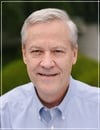
In the sermon titled "May God Fill Our Void," Bill Parker addresses the theological doctrine of God's sovereignty and the concept of human purpose as illustrated in Ecclesiastes 3:10-15. Parker argues that mankind experiences a God-given travail, symbolizing an inherent emptiness or void, which he describes as a lack of purpose and understanding of eternity that mankind attempts to fill through futile means. He supports this argument by referencing Ecclesiastes 3:11, which affirms that God has made everything beautiful in its time, and Psalm 39:5 to illustrate the fleeting nature of human efforts. The practical significance of the sermon lies in its assertion that only God, through the gospel of Christ, can genuinely fill this void. The message emphasizes that salvation and fulfillment come solely from the grace of God, conditioned solely on Christ’s redemptive work, thus challenging the notion of free will as a means to salvation.
“The theme of Ecclesiastes is the vanity, the worthlessness, the emptiness of life without God, without Christ, without truth, without God's grace.”
“Only God, by His power and His grace and His goodness in Christ, can fill that void.”
“My only hope of salvation and eternal life and glory is to be found in Christ, not having mine own righteousness which is of the law, but that which is through the faithfulness of Christ.”
“May God fill your void with the glory of God in the face of Jesus Christ and no other way.”
Auto-generated transcript • May contain errors
Comments
Your comment has been submitted and is awaiting moderation. Once approved, it will appear on this page.
Be the first to comment!