Bootstrap
Winston Pannell

A Priest Forever

Psalm 110
Winston Pannell October, 21 2007 Audio
0 Comments
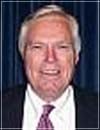
The speaker is Winston Pannell of Eager Avenue Grace Church in Albany, Ga. The message is Christ a Priest Forever.

Sermon Transcript

Auto-generated transcript • May contain errors

100%
I want us to spend our time this
morning thinking about who our great high priest is. We can find no greater subject
to talk about than Christ Jesus our Lord. I want us to spend this time
this morning talking about him. Paul wrote to the Philippian
church. Church at Philippi these words.
He says, Let this mind be in you, which was also in Christ
Jesus, who, being in the form of God, thought it not robbery
to be equal with God, but made himself of no reputation, and
took upon him the form of a servant. And being found in fashion as
a man, he humbled himself, and became obedient unto death, even
the death of the cross. This scripture revealed how God
the Son subordinated himself to God the Father in his office
as prophet, priest, and king for the purpose of redeeming
his people. At no time during this work of
Christ for the redemption of his people did he cease to be
God. God is eternal. The scripture
says that Jesus Christ is the same yesterday, today, and forever. His assuming human nature did
not diminish his deity, one iota. Romans 1 and verse 3 says that
he was made of the seed of David. That speaks of his humanity.
But that verse also says he was declared to be the son of God. That speaks of his deity according
to the spirit of holiness by the resurrection from the dead.
God the took into union with his deity through sinless humanity,
body and soul. It was his deity which gave efficacy
to his mediatorial work. In other words, it was as God-man
mediator that he fulfilled all the requirements of a holy God
for his people. In his office as prophet, Jesus
came to declare the way of a sovereign God in the salvation of ungodly
sinners. As prophet, he revealed the true
and living God to be, both a just God and a Savior. He revealed
how a holy God, who was by no means clearly guilty, could remain
just when he justified his people there at the cross. In his office
as prophet, Jesus revealed all the requirements of the Father
for the salvation of his elect to be met in the person and work
of the Lord Jesus Christ. The angel told Mary to call his
name Jesus, for he will save his people, not partially save,
not do his part, but he shall save his people from their sins. The Holy Spirit reveals the sinner's
absolute inability to meet even one condition for their salvation.
Jesus said this, and Bill quoted part of it in the Sunday School
message this morning. In John chapter 15, Jesus says,
I'm the vine, you're the branches. Without me, abide in me, and
I in you. Without me, you can do nothing.
So as in his office as prophet, he came to reveal the sinner's
absolute inability to meet even one condition for his salvation. And also he revealed Christ's
righteousness imputed to be the only justification of a sinner
before a holy God. Remember what Jesus said in the
Sermon on the Mount, except your righteousness shall exceed the
righteousness of the scribes and the Pharisees. You will in
no wise enter the kingdom of heaven. So why should we believe
this prophet, this one called Jesus? Well, because of who he
is, we should believe him. Jesus said in John chapter 8,
I speak that which I have seen with my Father. That's why we
should believe him. Jesus speaks what he has seen
with his Father. And in John 14, he said this,
He that loveth me not keepeth not my sayings, and the word
which you hear is not mine, but the Father's which sent me. We
should listen to this prophet because he is speaking the words
of the Father. Every word Christ spoke in his
prophetic office recorded in the Holy Scriptures is the revelation
of the Father's purpose and will in redemption. Every regenerate
sinner has heard and obeyed the voice of God. God spoke on the Mount of Transfiguration
to Peter, James, and John, and He said, This is my beloved Son,
in whom I am well pleased. Hear ye Him. Christ is the antitype
of all the Old Testament prophets. They all spoke of Him. They all
wrote of Him. In fact, it was Christ speaking
of Himself through the Old Testament prophets. When we read, like
Michael read the 110th Psalm, this is Christ speaking. David
wrote it, but it's the Spirit of God and Christ Himself speaking
it. Moses said this of this great prophet of Israel. in Deuteronomy
chapter 18. He says, The Lord thy God will
raise up unto thee a prophet from the midst of thee, of thy
brethren, like unto me. Hearken unto him, shall you hearken. So what does this prophet of
God say? And what are we to listen for concerning his mediatorial
offices as priest and king? He's a prophet, he's a priest,
and he's a king. Well, this 110th Psalm gives
us some insight into this question and the answers to it. This psalm
was written before the actual incarnation of Christ and his
suffering and death on the cross. So it's a prophecy of his mediatorial
responsibilities and the results of his offices to save his people.
So let's look back at Psalm 110, if you would, and look at verse
4. In verse 4, he is revealed as
a priest forever. after the order of Melchizedek. The Lord has sworn and will not
repent. Thou art a priest forever after
the order of Melchizedek. There are several important truths
here that should engage our attention. First of all, he says, Thou art
a priest. Under the Mosaic economy, God
assigned the duties of priest to the tribe of Levi. Aaron,
who was the brother of Moses, was the first high priest in
Israel. When he died, someone else was
appointed to take his place and perform the ceremonies and rites
of the tabernacle, including the yearly offering on the Day
of Atonement when the high priest went within the veil and offered
the blood sacrifice for the atonement of the sins of the people. And
under the threat of death, only priests from the tribe of Levi
were allowed to this ministry. But the scripture says that Jesus
is a priest. Christ was of the tribe of Judah.
God named him in Revelation chapter 5 the Lamb of the tribe of Judah. That was his name. His lineage
was not of the tribe of Levi. He was not from the loins of
Aaron. Yet God declares him here to be a priest. In Hebrews chapter
8, the Holy Spirit spoke this concerning this priesthood of
Christ. Now of the things which we have spoken, this is the sum. We have such a high priest who
is set on the right hand of the throne of the majesty in the
heavens. Christ is the antitype of all
the Old Testament priesthood types. It was toward and in view
of his priesthood that Aaron and his descendants ministered. God speaking here in Psalm 110
says, Thou art a priest. And then he says, Thou art a
priest forever. Hold your place right here and
turn to Hebrews chapter 7. We're going to be looking pretty
extensively at Hebrews chapter 6, 7, 8 and some in chapter 10. So I want you to hold your place
in Psalm 110 and turn to Hebrews chapter 7 in verse 23. He says,
Thou art a priest forever. One difference in the priesthood
of Christ and that of Aaron was the superiority of his person
over Aaron. Aaron was a man. Christ is the
God-man. Aaron died. All his successors
died. But Christ ever liveth to make
intercession for us. Look at Hebrews 7, verse 23. And they truly were many priests,
because they were not suffered to continue by reason of death.
In other words, the priests in the Old Testament, they died,
and another took their place. But this man, verse 24, because
he continueth ever, has an unchangeable priesthood. Christ's priesthood
is forever. Thou art a priest forever. Another
difference in the priesthood of Aaron and that of Christ is
that Aaron offered myriad sacrifices for himself and for the people.
Christ offered one sacrifice. Look at Hebrews 7 and verse 26. For such a high priest became
us, who is holy, harmless, undefiled, separate from sinners, and made
higher than the heavens, who needed not daily as those high
priests to offer up sacrifices, first for his own sins and then
for the people. For this he did once when he
offered up himself. So complete was Christ's sacrifice. No need. There was no need for
another. Another difference was that Aaron's
sacrifice was an atonement for sin. It was a covering. It didn't take away sin. It was
just a covering. Look at Hebrews 10 in verse 1. Hebrews 10, verse 1, the writer
says, For the law, having a shadow of good things to come, and not
the very image of the things, can never, with those sacrifices
which they offered year by year continually, make the comer thereunto
perfect. For then would they not have
ceased to be offered, because that the worshipers, once purged,
should have no more conscience of sin. But in those sacrifices
there is a remembrance again of sins every year. Those sacrifices
were a reminder to the nation Israel of their sinnerhood and
the impossibility of being accepted with God, justified before God
based on anything they could do, even the offering of those
sacrifices, which pictured the one sacrifice that would come.
Verse 4, For it is not possible that the blood of bulls and of
goats should take away sins. Wherefore, when Christ cometh
into the world, he said, Sacrifice and offering thou wouldst not,
but a body hast thou prepared me, in burnt offerings and sacrifices,
for sin thou hast had no pleasure. He said it's not possible that
the blood of bulls and goats could take away sin. Christ's
sacrifice satisfied God's law and justice. He put away sin. by the sacrifice of himself.
Look at Hebrews chapter 10 in verse 7. Then said Christ, Lo,
I come, in the volume of the book it is written of me, to
do thy will, O God. Above, when he said, Sacrifice
and offering, and burnt offerings, and offerings for sin, thy word
is not, neither has pleasure therein, which are offered by
the law. Then said he, Lo, I come to do
thy will, O God. He taketh away the first, that
he may establish the second. by the which will we are sanctified
through the offering of the body of his blood once for all. So
complete was Christ's sacrifice that no other was needed. Another
difference in the priesthood of Christ and that of Aaron is
our access into the fellowship of God. If you remember, under
the Mosaic economy, only the high priest had access into the
Holy of Holies, and that but once a year on the Day of Atonement. Look at Hebrews 9, verse 24. For Christ is not entered into
the holy place made with hands, which are figures of the true,
but into heaven itself, now to appear in the presence of God
for us, nor yet that he should offer himself often as the high
priest entered into the holy place every year with the blood
of others. Christ, by his one offering,
put away sin so complete that there is no need of another.
By contrast to this way of worship under the Mosaic economy, Christ
opened up a new and living way. Look at Hebrews chapter 10 and
verse 19. Having therefore, brethren, boldness
to enter into the holiest by the blood of Jesus, by a new
and living way which he hath consecrated for us through the
veil, that is to say, his flesh, and having a high priesthood
over the house of God, let us draw near with a true heart and
full assurance of faith, having our hearts sprinkled from an
evil conscience and our bodies washed with water." Under the
Mosaic economy, the sinner had restrictions to his worship. In Christ, we have the freedom
to come boldly unto the throne of grace at any time. What he's
saying here is that as long as Christ is the priest of God,
sinners have access to the throne of grace, and Christ is a priest
forever. And then back in Psalm 110 in
verse 4, the Lord has sworn and will not repent, thou art a priest
forever after the order of Melchizedek. Who is this Melchizedek? The
scripture says that Jesus Christ is a priest forever after the
order of Melchizedek. He is not Melchizedek. He is
not of the seed of Melchizedek. Although he was after Melchizedek
in his incarnation, he is before Melchizedek in time. He is, in
fact, Melchizedek's God, our great high priest. Look at Hebrews chapter 7 and
verse 1. For this Melchizedek, King of
Salem, priest of the Most High God, who met Abraham returning
from the slaughter of the kings, blessed him, to whom also Abraham
gave a tenth part of all, first being by interpretation King
of Righteousness, and after that also King of Salem, which is
King of Peace. without father, without mother,
without descent, having neither beginning of days nor end of
life, but made like unto the Son of God, abided a priest continually. Now consider how great this man
was, unto whom even the patriarch Abraham gave the tenth of the
spoils. And verily they that are of the
sons of Levi, who received the office of the priesthood, have
a commandment to take tithes of the people according to the
law, that is, of their own brethren, though they come out of the loins
of Abraham. But he whose descent is not counted
from them received tithes of Abraham, and blessed him that
had the promise. Thou art a priest forever, after
the order of Melchizedek." Who is this Melchizedek? Well, the
Scripture says in verse 1 that I read here in Hebrews 7 that
he blessed Abraham. Well, only God can bless. Only God can bless. God's people
are blessed with all spiritual blessings in heavenly places.
We're in Christ Jesus. The anti-type of the type, Melchizedek. Melchizedek was a type of Christ. He blessed Abraham. God's people
are blessed only as we're in Christ. Secondly, the scripture
says in verse 7-2 that Abraham worshipped him. worshipped Melchizedek. He says he gave a tenth part.
Well, we know that only God is to be worshipped. Our great High
Priest is Lord of Lords and very God of very God. Another thing
about Melchizedek was in verse 3 that he is King of Righteousness.
In verse 2, he is King of Righteousness and Peace. Well, we know that
Christ alone established righteousness Christ alone reigns in righteousness. He saves by righteousness and
he distributes and dispenses his peace as the result of his
righteousness. Turn over to Genesis chapter
14. We have the only other record of Melchizedek in Genesis chapter
14. Let's look at a verse talking
about the superiority of Christ over Melchizedek. In Genesis chapter 14, in verse
17, look at verse 17. And the king of Sodom went out
to meet Abraham after his return from the slaughter of Chetelomah
and the kings that were with him in the valley of Sheba, which
is the king's dale. And Melchizedek, king of Salem,
brought forth bread and wine, and he was a priest of the Most
High God. And he blessed Abraham and said,
Blessed be Abraham of the Most High God, possessor of heaven
and earth. And blessed be the Most High
God, which hath delivered thine enemies into thy hand, and he
gave him tithes of all." The tithe Melchizedek pictured the
eternal priest of God, Jesus Christ, who alone is King of
righteousness and King of peace. Look at verse 18. It says, Melchizedek
brought forth bread and wine, and he was the priest of the
Most High God. Christ, who alone is the priest
of the Most High God, brought forth bread and wine himself.
He brought forth his own body, which was broken, and his blood,
which was shed, as a payment to God for sin. For the Scripture
says that without the breaking of his body and the shedding
of his blood there is no remission of sin. It was by one offering
that he perfected forever them that are sanctified. It was his
obedience, his suffering and death on the cross that made
salvation to the Lord, satisfaction to the Lord, and justice, and
established righteousness and peace in the earth. Go back to
Hebrews chapter 7 and verse 3. He's described here as without
father, without mother, without descent. having neither beginning
of days nor end of life, but made like unto the Son of God,
who abided a priest continually." Melchizedek was without father,
without mother, without descent. This simply means that there
was no record of his ancestry or his birth or his death. There was not another like unto
him, before him or after him. And Jesus Christ, the antitype
of Melchizedek the Tithe, as God is without father or mother
himself. He has no beginning or end. Christ
is the priest forever. There was not another like him,
before him, nor after him. And another thing about this
priest is that he is a priest forever after the order of Melchizedek
by virtue of his father's choice and his oath. Psalm 110 verse
4 says, The Lord hath sworn and will not repent. What did he
swear? He swore that Christ would be
a priest forever after the order of Melchizedek. When men swear
an oath, they swear by God. When God swears an oath, he swears
by himself because he can swear by no greater. Look at Hebrews
chapter 6 verse 13. Hebrews 6 verse 13, For when
God made promise to Abraham, because he could swear by no
greater, he swore by himself, saying, Surely blessing I will
bless thee, and multiplying I will multiply thee. And so after he
had patiently endured, he obtained Abraham. After he had patiently
endured, he obtained the promise. For men verily swear by the greater,
and an oath for confirmation is to them the end of all strife.
In other words, when they make an oath, that's the end of the
deal. It's settled. Wherefore God,
willing more abundantly to show unto the heirs of promise the
immutability of his counsel, confirmed it by an oath, that
by two immutable things, in which it was impossible for God to
lie, we might have strong consolation who have fled for refuge to lay
hold upon the hope set before us, which hope we have as an
anchor of the soul, both sure and steadfast, and which entereth
into that within the veil wherein the forerunner is for us entered,
even Jesus. made a high priest forever after
the order of Melchizedek. Since God promised Abraham and
confirmed it with an oath, he engaged everything, every attribute
of his character into the fulfillment of that. And the scripture says
it's impossible for God to lie. God can't change his mind. Christ
cannot fail to be a priest forever because God said it and he swore
by it. Such is the high priest we have
to worship. So God, through Melchizedek,
blessed Abraham. And all the blessings of God's
elect from God to us are through his priest forever, the Lord
Jesus Christ. In Psalm 110, we have several
of these blessings listed. So let's turn back now to Psalm
110 and look at the rest of these verses. As our great high priest,
this priest who is forever, he's done several things. First, he's
conquered his enemies. Look at verse 1. The Lord said
unto my Lord, Sit thou at thy right hand, until I make thine
enemies thy footstool. The first thing he's done is
conquered his enemies. Secondly, he's conformed his
elect. In verse 2, 3, verse 3, he says, Thy people shall be
willing in the day of thy power. And the third thing I'd like
for us to look at is He continues forever. Thou art a priest forever. So let's look at these. First
of all, this great high priest has conquered his enemies. In
verse 1 it says, The Lord said unto my Lord. In other words,
in the original it reads like this, The Jehovah said unto my
Adonai. That's the way that's literally
written. God the Father said unto God the Son, sit at my right
hand. until I make thine enemies thy
footstool." David heard, through the Spirit, the voice of God
the Father here speaking to God the Son. And isn't that the way
we hear from God? We listen to his prophet, who
is the Lord Jesus Christ. This verse, verse 1, describes
how God has broken the back of Christ's enemies. The command
to sit, he says, sit at my right hand. This command denotes the
acceptance of God by God of a finished work and entrance into the rest
from one's labor. Christ, after he had obeyed perfectly
God's holy law, suffered under death the penalty of the cross
for the sins of his people imputed to him. His death brought perfect
satisfaction to law and justice and established perfect righteousness
to his people which God imputed to them at the cross. crushed
the serpent's head and destroyed his power to justly accuse and
condemn the brethren. The scripture says who can lay
anything to the charge of God's elect. Nobody can condemn. Nobody can curse. Nobody can
accuse. His death removed forever the
guilt and defilement of sin from the elect of God. There is therefore
now no condemnation to them who are in Christ Jesus. When is
the now? At his death on the cross. And
then he says, sit on my right hand, which denotes a position
of supreme authority. Christ in his kingly office,
as we speak, sits on the right hand of the throne of the majesty
on high to conquer his enemies, having conquered his enemies.
How has he accomplished this? We'll look at verse 2 of Psalm
110. How did Christ accomplish his
conquering of the enemy. The Lord shall send the rod of
thy strength out of Zion. Rule thou in the midst of thine
enemies. The Hebrew word for rod is the
word metal, which means branch, as in a vine. Remember Christ
said, I'm the vine, you're the branches. Your power is in me
and alone in me. This rod of Christ's strength
is the church of Christ. a rod out of Zion. That's what
the rod out of Zion is. It's the church of the Lord Jesus
Christ, commissioned by him, empowered by him, going forth
by him to conquer, conquering and to conquer by the preaching
of the gospel, which is God's standard of judgment. The church stands, even in the
midst of the enemies of the church, and the gates of hell, Jesus
said, shall not prevail against it. Utter destruction awaits
those who oppose the Church. Utter destruction awaits all
those who oppose God's way of salvation. Those who reject Christ
and His righteousness, imputed as all their salvation, shall
go the broad way, which leads to destruction. They are fitly
described in verses 5 and 6 here that we'll look at in just a
moment. They will have their way for a time, but the Scripture
said that that God will put them under
the feet of Christ, and every knee will bow, and every tongue
will confess that Jesus Christ is Lord to the glory of God the
Father. Although His enemies, Christ's
enemies, seem today to have their way, we know that by God's testimony
that they do what only God, by His determinate counsel and foreknowledge,
allows them to do. Look at 1 Corinthians chapter
15. 1 Corinthians 15 and verse 22 talks
about the end when all enemies shall be put under Christ's feet.
1 Corinthians 15 and verse 22, For as in Adam all die, even
so in Christ shall all be made alive, but every man in his own
order. Christ the firstfruits, as it
were, say that of Christ at his coming, then come at the when
he shall have delivered up the kingdom to God, even the Father,
when he shall have put down all rule and all authority and power. For he must reign till he hath
put all enemies under his feet. The last enemy that shall be
destroyed is death. For he hath put all things under
his feet. But when he saith all things
are put under him, it is manifest that God himself is accepted,
which did put all things under Christ. And when all things shall
be subdued unto him, then shall the Son himself also be subject
unto him that put all things unto him." The same gospel that
affects salvation on the elect of God is a stumbling block to
the reprobate, and it's a rock of offense to them. God shall
conquer his enemies. He has, in fact, conquered his
enemies. And he shall make his enemies Christ's footstool, even
death itself, which is yet to come. Then shall Christ subject
himself to God the Father. Every enemy of Christ and his
church shall be destroyed. This priest forever has conquered
his enemies. Secondly, he conforms his elect.
Look at verse 3. Thy people shall be willing. Look at Psalm 110, verse 3. Thy people shall be willing.
in the day of thy power." Well, those of us who have been conformed
to the image of Christ know and believe that the only thing that
makes us to differ from the reprobate is the grace of God. We are where
we are by the grace of God. And the blessing of all blessings
is to be shown and to be made willing to be saved by grace
alone. We are conformed only because
He made us willing. in the day of His power. We quote
this verse many times, but what does it mean to be made willing
in the day of His power? Who are God's people? Thy people. Who are God's people? And what
are God's people made willing to do? And when is the day of
Thy power? Verse 3 raises these questions,
but it also gives the answer. In the latter part of verse 3
it says this, In the beauties of holiness, from the womb of
the morning, thou hast the due of thy youth." God's people are
the beauties of holiness. He, being Christ, who is our
holiness, has made us holy. We are the fruits of His righteousness. We are the trophies of His grace,
born again from the womb of the morning in the day of God's power
by the due of His youth. by the Holy Spirit of God. He
uses the metaphor of dew here. And dew in Israel is a valuable
ingredient to life. In a dry and arid land, such
as Israel, where there is little rainfall, the distillation of
dew on the landscape is vital to plant and animal life. I had
the pleasure of making a trip to Israel one time, and I was
struck by the way, the amount of dew that collects overnight
in that dry air. Every rock, every piece of grass
is just hanging with dew. And that's the only way that
they can sustain life in Israel, because there's very little rainfall. There's no natural resources
of water much there, except for the Jordan River. So, dew is
a very important ingredient in the life of plant and animal. And there is an abundance of
it there in Israel. Well, the Holy Spirit, to us,
the Holy Spirit has the same importance in the spiritual life
of God's people. It is the dew of the Spirit which
germinates the seed of faith in the believer. It is the Spirit
which sustains and maintains and multiplies that seed. The scripture says that Christ,
whose days were shortened and who was covered with shame in
his youth, in other words, he was cut off in his youth, that's
what he's talking about in the due of thy youth here, provided
that due which is sufficient to every sinner for whom Christ
died. God the Father is here speaking
to God the Son in declaring his substitutionary work on the cross
that it would be successful in the salvation of every sinner.
for whom Christ died, his righteousness secured it, God's holiness and
justice demands it, and his omnipotent power shall perform it. The beauties
of holiness here are they that are robed in the garments of
Christ's righteousness imputed. They are trophies of grace because
they who came forth from the womb speaking lies are by the
day spring from on high, which is Christ himself, and are made
willing to bow to his truth, the truth of this great prophet
of God. They are made willing to take sides with God against
themselves in this matter of salvation. He makes them willing
to submit to Christ's righteousness for all salvation. He makes them willing to agree
with God concerning their standing and their state before God. He
makes them willing to admit that nothing done in them, done by
them, or through them can contribute to or diminish one iota from
their standing with God. That standing is made perfect
by Christ in His death on that cross. And He makes them willing
to repent of ever thinking anything but Christ's blood and righteousness.
He makes them willing to repent and believe the gospel of His
free and sovereign grace in Christ Jesus. He turns those of us who
were by nature enemies in our minds by wicked works into loving,
submissive servants of the Most High God. He rules in the hearts
of His people to show them His finished work there at the cross
for them. How does He accomplish this in
His elect? The Lord shall send the rod of
thy strength out of Zion. This same rod that the reprobate
rejected has an effect on the elect of God. He sends the rod
of his strength out of Zion and rules in the midst of his enemies.
It is the preaching of the gospel, Romans 1, 16, 17, that is the
power of God unto salvation to everyone that believes. To the
elect, it is the savor of life unto life. To the reprobate,
it is the savor of death unto death. The word midst in verse
2 here, the Lord shall send the rod of thy strength out of thine,
ruled out in the midst of thine enemies. That Hebrew word is
mind, ruled out in the mind of thine enemies. When the gospel
is preached to the mind of the elect, though enemies by nature,
they are made willing to believe their justification before God
stands fast from the day of the cross. The reprobate is left
in his unbelief. This is how God conforms his
people who were alienated and enemies in their mind by wicked
words. This priest forever is he who
conquers his enemies and conforms his elect. And last of all, this
great high priest is he that continues ever. Thou art a priest
forever, after the order of Melchizedek. In Psalm 110, verses 5 and 6,
we have the end of all those who oppose God. The verse says
that God shall strike through kings. He shall judge among the
heathen. He shall wound the heads of many.
In other words, none of his enemies will be left standing. God will
make them Christ's footstool. But look at verse 7. He shall
drink of the brook in the way, therefore shall he lift up the
head. He must drink of the brook, and the Hebrew word for brook
is flood, and it speaks of an overflowing flood of sin. He shall drink of the brook,
or the overflowing flood in the way. He must go the way of the
cross. He must drink of the cup given
him by the Father. We drink to satisfy thirst, don't
we? Christ drank damnation dry to
satisfy the thirst of God's holy law against the sins of his people. That's what he's speaking of
here. Jesus said this of himself. This is one of the last prophecies
of the Bible. The Son of Man must suffer many
things and be rejected of the elders and chief priests and
scribes and be slain and be raised again the third day. Why, such
is the cost of conquering his enemies, such is the cost of
conforming his leg. The scripture says that where
sin abounded like an overflowing flood, grace did much more abound. But the scripture here in verse
7 says that he would be raised again the third day because God
the Father was satisfied with his work of redemption and he
would lift up the head. That's what he said. He shall
drink of the brook in the way. shall he, God the Father, lift
up the head of Christ. He would raise him again the
third day. Listen to what Christ himself said in Psalm 3. Psalm 3, verse 1. Talking about lifting up the
head. Psalm 3, verse 1. Lord, this
is Christ speaking. Lord, how are they increased
that trouble me? are they that rise up against
me, all these heads of nations, all these heathens, all these
piles of bodies that he spoke of here in Psalm 110. He says there are many and they
rise up against me. Many there be which say of my
soul, there is no help for him in God. But verse 3 says this,
But thou, O Lord, art a shield for me, my glory, and a lifter
up of mine head. God has lifted him up and set
him down at his own right hand on the throne of majesty on high
until the end as I made his footstep. God has given him an everlasting
priesthood and that's beneficial to us because there will never
be a time when we won't need a mediator to stand between us. There never will be a time when
we need him to intercede for us before the throne of grace. In fact, the scripture says that
our song throughout the ages will be worthy as the lamb that
was slain to receive power and riches and wisdom and strength
and honor and glory and blessing. For he was slain and has redeemed
us to God by thy blood out of every kindred and tongue and
people and nation, and has made unto us our God, kings and priests,
and we shall reign on the earth. So this 110th psalm is a wonderful
picture of the person and work of our great high priest in his
mediatorial offices as prophet, priest, and king. And this psalm
is a reminder of and an encouragement to us to worship him in his glory. Let us say with the Father, thou
art a priest forever after the order of Melchizedek, who served
his office as priest of God well by offering his sinless humanity
upon the altar of his deity. He now reigns and rules as the
one mediator between God and man, the man Christ Jesus, who
thought it not robbery to be equal with God, but made himself
of no reputation, and took upon him the form of a servant, and
was found in fashion as a man. And being found in fashion as
a man, he honed himself and became obedient unto death, even the
death of the cross. God has also highly exalted him
and given him a name that is above every name, a priest forever,
after the order of Melchizedek.
Winston Pannell
About Winston Pannell
Winston Pannell was born in 1937 in rural Alabama. At the age of fifteen he became interested in religion and was baptized in the Armenian faith, as was Patricia, his wife to be and subsequently their three daughters. In 1985 the Lord confronted him with the true gospel and brought him to faith in God and true repentance from dead works and idolatry. It has been his passion to learn more of a Just God and Savior and his propitiatory work on behalf of his people given him by the Father in the Everlasting Covenant of Grace. The pulpit of Eager Avenue Grace Church in Albany Georgia has afforded him the opportunity to deliver this gospel of God’s free and sovereign grace in Christ, based on his righteousness imputed and received by faith as the whole of the sinner’s salvation. His desire is to deliver this gospel to the hearing of as many as the Lord shall save.

Comments

0 / 2000 characters
Comments are moderated before appearing.

Be the first to comment!

Pristine Grace Research Assistant

Pristine Grace Research Assistant

Ask me about articles, sermons, or theology from our library. I can also help you navigate the site.