Bootstrap
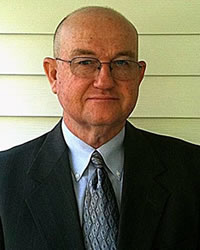
Gary Shepard

Christ, that Prophet like Moses

Deuteronomy 18:15-19
Gary Shepard July, 28 2017 Video & Audio
0 Comments
2017 Bible Conference

Sermon Transcript

Auto-generated transcript • May contain errors

100%
Again, it's always a blessing
to hear faithful men preach and proclaim the gospel. As I said earlier, I've listened
to Brother Gary for years, but never had the privilege of meeting
him in the flesh. So it was a great joy to finally
get to see him and get to meet him. He's everything everyone
told me he is. He's just a real gem. I'm really
thankful, Brother Gary, that you could come on such short
notice. It's a real blessing. Preach the unsearchable riches
of Christ. What a beautiful song. I love,
I don't think I ever heard it before, but I love that song. And since I saw you last, I've
had to prove that song. And it's been the death of a wife
and a stroke, the death of a sister-in-law, but the Lord has giving us grace
and status and kept us. And I thank you for all your support
and your prayers and your cards and your kind expressions. And I can't say much about that
because if I do, I won't be able to say anything else. But thank
you. I want you to turn tonight to
the book of Deuteronomy. Deuteronomy 18. The name and the title which is given to our Lord is the Christ. And that simply means the Anointed
One, God's Anointed. And in the Old Testament, under that
economy, there were three offices that were anointed at the command of God with the
special anointing oil. They did not simply take a drop
of sweet oil and touch the individual's head, but they poured out a hen
of oil and it ran down his garments. That would be like courts, plural. And one of those offices that
was anointed at the command of God was the office of prophet. They anointed the prophets. God said, touch not my anointed
and do my prophets no harm. And many today would say that
Jesus is just one of God's prophets. They say he has other prophets. But is Jesus simply one of God's
prophets? Or is he the prophet that we
find spoken of many times in the scripture? Over in the book of John, Just
read this to you. In John 1 it says, and this is
the record of John when the Jews sent priests and Levites from
Jerusalem to ask him, who are you? And he confessed and denied
not, but confessed, I'm not the Christ. And they asked him, what
then? Art thou Elias? And he said,
I am not. Well, are you that prophet? And he answered, no. Again, we read in John 6, I have a new Bible and I have
a little bit of trouble turning the pages. He says in John 6 and verse 14,
Then those men, when they had seen the miracle that Jesus did,
said, This is of a truth, that prophet which should come into
the world. Over in John 7, verse 40, many of the people,
therefore, when they heard this saying, said of a truth, this
is the prophet. And over in the book of Acts
in chapter 3 and verse 18 it says, But those things which
God before had showed by the mouth of all his prophets, that
Christ should suffer, he hath so fulfilled. Repent ye therefore,
and be converted, that your sins may be blotted out, when the
times of refreshing shall come from the presence of the Lord,
and he shall send Jesus Christ, which before was preached unto
you, whom the heaven must receive until the times of restitution
of all things which God hath spoken by the mouth of all his
holy prophets, since the world began. For Moses truly said unto
the fathers a prophet shall the Lord your God raise up unto you
of your brethren like unto me him shall you hear in all things
whatsoever he shall say unto you and it shall come to pass
that every soul which will not hear that prophet shall be destroyed
from among the people." What each one of those references
and each one of those people were speaking about is what we
read here in Deuteronomy 18. where he says in verse 15, The
LORD thy God will raise up unto thee a prophet from the midst
of thee of thy brethren like unto me, unto him ye shall hearken,
according to all that thou desirest of the LORD thy God in Horeb
in the day of the assembly, saying, Let me hear not again the voice
of God, the voice of the Lord my God, neither let me see this
great fire any more, that I die not. And the Lord said unto me,
They have spoken well that which they have spoken, I will raise
up a prophet from among their brethren, like unto thee, and
will put my words in his mouth, and he shall speak unto them
all that I shall command him. And it shall come to pass that
whosoever will not hearken unto my words, which he shall speak
in my name, I will require it. of him. Now there are two things in which
a prophet, it seems in the scripture, acts. A prophet is on the first hand
a mediator. Because he makes reference here
of Sinai and the giving of the law and the quaking of the mount
and the voice of God speaking. And the people said, don't ever
let God speak to us like that again. We cannot hear the voice
of God and live. I remember once hearing Brother
Scott Richardson say, I might have heard him say it more than
one time, but he said, God will not speak
to nor will he be spoken to by any sinner, any son or daughter
of Adam. And yet in our day there is this
unholy familiarity with God. He's my good buddy. He's my personal
friend. He's my sidekick. But the truth of the matter is
that God in His holiness will not speak, will not deal with
any of us in ourselves nor will He be spoken to by us. They said unto Moses, Speak thou
with us, and we will hear, but let not God speak with us, lest
we die. And if that was all there was
to it, if that was end of story, every single one of us would
perish. But according to these verses,
there is a promise of God concerning what he calls that prophet. And he says here that he will
raise. In other words, God determines
who he'll speak through. He determines the one that will
be this mediator. He determines the one and he
promises that he will raise up this individual. He'll raise him up in that nation. He'll raise him up among mankind. He'll raise him up, which means
he will be born. He'll raise him up at death. He'll raise him up in the gospel. This is Jesus Christ, the anointed
prophet of God. And he bears by this role the
very name that has to do with a communication coming directly
from God and so individually and personally by saying this,
in the beginning was the Word. and the Word was with God, and
the Word was God. And in the New Testament, he
makes it so very plain when he says, beginning in the book of
Hebrews, chapter 1, he says, God, who at sundry times and
in diverse manners spake in time past unto the fathers by the
prophets, He hath in these last days spoken
to us by his Son, whom he hath appointed heir of all things,
by whom also he made the worlds. In other words, if we hear from
God, especially in a saving fashion, in saving language, it will be
through His Son. He has in these last days spoken
unto us by His Son, by that prophet. John 1.14 says, And the Word
was made flesh, and dwelt among us, And we beheld His glory,
the glory as of the only begotten of the Father, full of truth.
And then we read this, for the law was given by Moses, but grace and truth came by Jesus
Christ. And then in John 1 and verse
16, this is a telling verse. He says, no man has seen God
at any time. The only begotten Son, which
is in the bosom of the Father, He hath declared Him. He has told out all that we can
know and receive in grace of God. He would be raised up among
the brethren. And did you notice that Moses
says here, by inspiration of God, that he will be a prophet
like unto me? There was no Hebrew prophet or
ruler that equaled Moses in the character and dignity of this
office or in the knowledge of God's will or the opportunities
of announcing it. Moses is a prophet, the prophet,
and this prophet would be like Moses. How is Christ like Moses? Well, he was supernaturally preserved
at his birth. In other words, Moses was preserved
when he was saved from the decree of Pharaoh to kill every Hebrew
newborn. And likewise, the Lord Jesus
Christ was preserved from a similar decree from Herod. Christ, like
Moses, is said to be the shepherd of this people. Psalm 77 says,
thou lettest thy people like a flock by the hand of Moses. He was God's shepherd. The Lord
Jesus Christ is the good shepherd. He's the great shepherd. He's
the chief shepherd. He's the one who lays down his
life for the sheep. He's the one who leads the sheep
and foals the sheep and carries all of them in his bosom. Then
we read that Christ, like Moses, was sent of God to his people. Psalm 105, he sent Moses, his
servant, whom he had chosen. Christ said, I came to do the
will of him that sent me. Christ, like Moses, spoke what
God commanded him to speak. In John 7, it says, Jesus answered
and said to them, my doctrine is not mine, but his that sent
me. Over and over again, we hear
Christ saying that he is that one that sent. He's the prophet
of God. And Christ, like Moses, is the
deliverer of his people. He doesn't just speak to them
and teach them and lead them. He delivers them. And not out
of Egypt, which represented sin and death, but out of sin itself. Out of death itself. He's not
simply delivering from Pharaoh, but the one who Pharaoh represents,
which is Satan himself. And not simply, but delivering
them from certain evils but from the very prince and power of
the air, the very evil one himself who's transformed into an angel
of light and so on and so forth. There is but one mediator between
God and man The Man, Christ, Jesus. And whenever we read in the Gospels, particularly in light of this
text, it says, everyone who hears Him is safe, but everyone who does
not hear and heed Him is lost. When God was telling Moses to go and to speak to Pharaoh,
He says some rather remarkable things. One of them is found in the book
of Exodus. He says, and he shall be thy
spokesman unto the people, and he shall be to thee instead of
a mouth, And thou shalt be to him instead
of God. In other words, he was saying
concerning Pharaoh, when Moses goes down to speak to Pharaoh,
Moses will be to Pharaoh as God, as if God was there. And then
he says it again, he says, When Moses goes down to speak to Pharaoh,
he will be as God to Pharaoh, and Aaron will be his prophet. What does that mean? Well, just
what we found out in the life of Pharaoh. He didn't listen
to Moses, he didn't listen to Aaron, and therefore he didn't
listen to God, and he met the wrath and judgment of God. You say, but Moses was just a
man. Or you say, well Aaron was just
a man. But the truth is, when he spake
the word of God, he spake as God. To hear when Christ sent
out those apostles, He said, He that hears you, hears me. And most especially, do we hear Christ, do we hear
that prophet, when we hear His Word. I wonder, have we ever heard
and believed what God's prophet says? The revelation of God is
in Jesus Christ. What does he say? He says, am the way, the truth, and the
life. I'm the way of God. I'm the truth
of God. I'm the life of God. Now we preachers, we can muddy
that up real good. We can explain to you all the
fine details of what that means. But what it means is there is
no other way to God except by Him. There is no other real truth
about God or anything else apart from Him. There is no life. All is death apart from Christ. And when we see on the Mount
of Transfiguration the Lord Jesus being transfigured, if you will,
glorified on that Mount, and Peter, James, and John are looking
all on the scene there as it unfolds before them, it says
He was talking. They saw Christ talking with
Moses and Elijah. the law and the prophets there.
And it was such a scene that they wanted to just build three
tabernacles and camp out there just like that. But the Lord spoke audibly from
heaven and the voice that came out of the clouds said this,
this is my beloved son, hear ye him. He's the one we better be listening
to. He's the one that is not only
the mediator, but he's the one that is the revelation of God. He is the one who is the word
of God. God has in these last days spoken
unto us by his son. He is the one that's a revelation
of God. What else does he say? He says, no man comes to the
Father but by Me. That's not real complicated. That's the absolute last word
as to the way that men come to the Father. No man comes to Him
but by Me. as the mediator, as the savior,
as the revealer, as the enabler. No man. And he said, this is the will
of him that sent me. People always wanting to know
the will of God. This is the will of him that
sent me. What is it? that of all which
he has given me, I should lose nothing, but raise it up at the
last day. This is the will of him that
sent me, that he that seeth the sun and believeth on him should
not perish, and I'll raise him up at the last day." What does he say? If you believe
not that I am He, that is this Prophet, this Savior, this Christ,
you're going to die in your sins. That's easy to understand, isn't
it? But unless God enables us to believe on Him. And that doesn't
mean believe in Him. That means to believe so as to
trust and rely and cast all of our weight and hope in every
aspect of our life and salvation of our soul on Him. What does
He say? I came not to call the righteous,
but sinners to repentance. I came to seek and to save that
which was lost. What does he say? Come unto me
all ye that labor and are heavy laden and I'll give you rest. But let me tell you what the
greatest thing he said was. Undoubtedly. The greatest words to sinners
like us Weak and hopeless and helpless and in ourselves so
awful that God had to come in human flesh and convey the message
and do the work of salvation to us. The greatest words that
he said, he said from the cross when he said, it is finished. Actually, that's just one word
in the original. But it is the thing that is most
naturally, we're most naturally resistant to. It's the thing
that we, if it was not for His grace, that we would never believe
it, we couldn't believe it, and that we'll stop believing it
today if He leaves us to ourselves. it, the work that the Father
gave him to do, which is the work of salvation, which is the
work of righteousness, which is the work of God, which is
the work of saving all of his people and glorifying God in
the process. Now the truth is, he said that over 2,000 years
ago. He did. So what gives anybody the idea
that they'll be able to come along in time and unfinish it so they can finish
it for him? or help him finish it, or add
anything to that which he finished. The pastor's wife is an artist. She actually gave me a pretty
picture that I've kind of been secretly wanting for a long time. But when she gave me that picture
today, just how do you think she would have felt if I had
reached in my pocket and took my pencil out and said, it's
nice, I like it, it's good, I know you finished it, but I think
it just needs this here. He said, it's finished. It's accomplished. You can't
add anything to it. You can't get a glory in it.
You can't improve it. It's done. Absolutely, completely,
perfectly, and as far as we're concerned, freely, totally finished. In other words, all of salvation,
all of righteousness, all that's necessary to satisfy God's justice,
all that's necessary to please God, all that's necessary to
honor God, and you can go on and on and on, and it's still
gonna sound like this same thing, it is finished. And that's what this book says. You see, you can't divorce the Word made flesh from the
written Word. Men are always trying to give
us this mystical person. And it's really funny because
the Lord God is giving this when he says, where are all you people
going seeking answers and things and experiences and all together? He says, shouldn't people seek
their God for answers? He gives all this long list of
charmers and consultants with familiar spirits or necromancers
or just all these things that he says are abomination to God. He said this is the answer. This
is the way. This is God speaking here through
this prophet. But we by nature want to hear something else. These same people, they said,
Moses, don't let God speak to us like that again, but you speak
to us, tell us what he said, but we want you to tell him something
else. So tell him that for him to tell
us what to do and we'll do it. He told them what to do, but they didn't do it. They were
never blessed on one occasion because of their obedience to
anything God commanded. It was always a blessing of grace. Peter said of this salvation
the prophets have inquired and searched carefully, who prophesied
of the grace that would come to you, searching what or what
manner of time the Spirit of Christ who was in them was indicating
when he testified beforehand the sufferings of Christ and
the glories that should follow. Peter said, we heard Him. We
saw, we touched, we handled, we heard the Christ. And this voice, which came down
from heaven, we heard when we were with Him in the Holy Mount. But we have a more sure word
of prophecy. When you do well to take heed,
as into a light that shineth in a dark place, until the day
dawn and the day star arise in your hearts, knowing this, that
no prophecy of scripture is of any private interpretation. In other words, There is something now more sure
than hearing that prophet speak audibly or God the Father speak
audibly from heaven. A more sure word of prophecy. Unmistakably clear. Unmistakably plain. Unmistakably
definite. Unmistakably authoritative. And it's this word. It's this word. And he said, you do well. You do well to search it. You
do well to hear it. You do well to read it. You do
well to study it. Until that day star. the son, but not just any son,
the son of righteousness arise in you with healing in his wings. He said, I am thy salvation I am the Lord thy righteousness. And he says, whoever it is that will not hearken unto my
words, which he shall speak in my name, I will require it of
him. Now there is one thing I am sure
of. The thing by which man will be
judged by is just what God has written in
His book. This is His Word, the written
Word, in separate be joined to the incarnate word, so that in a like verse, like
passage to the one before us here in Deuteronomy, he says
in Isaiah 8, And when they say unto you, Seek unto them that have familiar
spirits, Or unto we wizards that peep and mutter? When they say to you, well, I
hear this fellow's got a word from the Lord. Or I hear this fellow's got real
understanding. Or I hear this person's got a
lot of light and knowledge. I hear this person is a modern
day prophet. That's just people who peep and
mutter, claim to know, but he says, should a people not seek unto
their God? To the law and to the testimony. If they speak not according to
this word, it is because there is no light in them. No light. I tell my people at home, God-given faith only believes what God says. And you, and me, and everyone
else, we only believe what we know for ourselves to be true
in the Word of God. This preacher may tell you the
truth. But you only know it to be God's
truth if you look and search for it yourself and do like those
noble Bereans did Paul, search the scriptures to see if what
he said was true. Christ is that prophet like Moses. And as it says in Revelation
19, The spirit of prophecy is the
Lord Jesus Christ. False prophets are talking about
this, that, and the other, morality, family values, politics, you
name it. But the prophet like Christ is
talking about the Lord Jesus Christ. He says, this is my beloved son,
hear ye him. Especially when he says that
this salvation is a finished, completed, perfect work. that he accomplished, therefore
he gets all the glory for it. And we are just the recipients
and receivers of the benefit. God bless you.
Gary Shepard
About Gary Shepard
Gary Shepard is teacher and pastor of Sovereign Grace Baptist Church in Jacksonville, North Carolina.
Broadcaster:

Comments

0 / 2000 characters
Comments are moderated before appearing.

Be the first to comment!

Joshua

Joshua

Shall we play a game? Ask me about articles, sermons, or theology from our library. I can also help you navigate the site.