Bootstrap
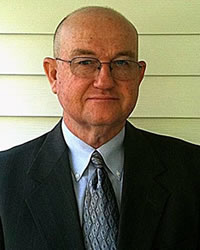
Gary Shepard

All Is Well

Genesis 4:1-8
Gary Shepard July, 27 2014 Video & Audio
0 Comments
2014 Bible Conference

Sermon Transcript

Auto-generated transcript • May contain errors

100%
By the way, Brother Tim and Debbie
left to get back on their journey south. There's some real bad
weather they're going to be running into that's predicted. I think
the bad weather's going to be south of us, but they've got
to run right into it. So you be remembering them, that
God would give them safety. Brother Shepherd's going to stay
over. Bless us by staying over until sometime tomorrow. I'm
going to see if I can hang on to him two or three days. But
he's not going to drive in the violent weather they're predicting
south of us. Every once in a while, I guess
it is good to be north because the southerners are going to
get the fierce storms. Brother Gare, you come preach
to us. We're so glad to have you. Boy,
this meeting has come to an end real quick, but we ask God to
speak to us again through His servant. And God bless you, brother,
as you preach to us. I hope at times to some in my
coming, but it seems that I've been a blessing to a lot more
in my leaving. Let me say before we begin the
reading in Genesis 4. And I thank God for this congregation. And I thank him for your kindness
and your generosity to me and to my family. I thank him for your fellowship
in the gospel. Let's begin reading in the very
first verse of Genesis 4. And Adam knew his wife, and she
conceived and bare Cain, and said, I have gotten a man from
the Lord. And she again bare his brother
Abel. And Abel was a keeper of sheep,
but Cain was a tiller of the ground. And in process of time it came
to pass that Cain brought of the fruit of the ground an offering
unto the Lord. And Abel he also brought of the
firstlings of his flock and of the fat thereof. And the Lord
had respect unto Abel and to his offering, but unto Cain and
to his offering he had not respect. And Cain was very wroth, and
his countenance fell. And the Lord said unto Cain,
Why art thou wroth, and why is thy countenance fallen? If thou
doest well, shalt thou not be accepted, and if thou doest not
well, sin lieth at the door. And unto thee shall be his desire,
and thou shalt rule over him. And Cain talked with Abel his
brother, and it came to pass, when they were in the field,
that Cain rose up against Abel his brother and slew him." Now, I've called this message
this morning, All is Well. And it would seem like that it
would be impossible to entitle a message like that
in the day in which we live. It seems that there is such blatant
wickedness, and I thought about it just a
moment ago that Although there was just a few people on the
earth at this time, and there are many, many more
times that number in our times, the degree of the manifestations
of sin depends on the number of sinners. The more sinners
there are, the more sin there is. But here we have in a maybe a
kind of a small capsule what is true from every day and every
one since the fall of our father Adam. And we have recorded in
this chapter the first murder. There are two sons on the earth,
two brother, and brother murders brother. When I think about that, I wonder,
How could that have happened without any guns? How could that possibly have
taken place? But when we think of it in light
of the lack of all the instruments that might be used, that did
not change the fact of the murder which is in the heart of sinners. But what I want us to notice
this morning is the words of God to Cain in verse 7. Let me read verse 6 again first. And the Lord said unto Cain,
Why art thou wroth, and why is thy countenance fallen? Then notice what he says next. If thou doest well, shalt thou
not be accepted? And if thou doest not well, sin
lieth at the door." Well, there are some things that
I'm sure of in light of what God says to Cain, and the first
one is this. He could not have been talking
about Cain obeying the law. The law had not yet been given. The law that said, this do and
live, it was still a long time coming. And I know this also. I know
that God is not establishing the principle of accepting us
or saving us by something we do. He says it's not of works lest
any man should boast. So what did he mean by this doing
well? We need to find out what that
means. Because it's the same with you
and with me as it was with Cain and Abel." What does he mean
when he tells Cain, if you do well, will you not be accepted? You see, the very first answer
to this, which is contained all throughout the and which is at
the heart of the gospel is found right here in verses three through
five. It says, And in the process of
time it came to pass that Cain brought of the fruit of the ground
an offering unto the Lord. and Abel he also brought of the
firstlings of his flock, and of the fat thereof. And the Lord
had respect unto Abel and to his offering, but unto Cain and
to his offering he had not respect." You see, it all had to do with
the offering that Cain brought, because that offering revealed
what he sought to be accepted by God on. It revealed how he
thought he as a sinner could worship, be blessed, and be accepted
by God. And he did so thinking that the
work of his hands would be that basis rather than the sacrifice
which God really required, which God had already provided in which
God accepted of Abel, and through it accepted Abel. You see, this first murder was
really about that basis. This first murder that took place
on this earth was really over a controversy of law or works
and grace. And it arose out of a hatred
of the one that God accepted by the one that God rejected. Did you notice what it says there? in verse 8. What took place prior to that
moment that Cain rose up and by whatever means he used, whether
he jumped on him and strangled him to death or took an oak bough
and beamed him on the head with it and killed him, what does
it matter? It took place because of something
they talked about. And Cain talked with Abel, his
brother. He talked with Abel, his brother,
and out of that conversation there was such an animosity in
his heart and a hatred in his heart not so much as a hatred
against Abel as it was the God of Abel. He couldn't get his
hands on God. So he took and laid hold of that
one who was accepted by God and he killed him. He slew him. And that is the conflict and
the controversy and the issue that has been between the people
of God and the people of the devil from that day all the way
to this day. Turn over to Galatians chapter
4 and look with me for just a minute at a verse because Paul in using
those two sons of Abraham, Ishmael, who is described as a child of
the flesh, and Isaac, who is called the child or the son of
promise. And there was a controversy between
them, and Isaac mocked I mean, Ishmael mocked Isaac, hated Isaac. And it says in Galatians 4, as
Paul talks about that, he says, but as then, just like it was
in Cain and Abel's day, just like it was in Ishmael and Isaac's
day, But as then, he that was born after the flesh persecuted
him that is born after the Spirit, even so it is now." It is a continuing controversy. And Abel, in obedience to God, And following that which he was
taught of his father Adam, he brought a blood sacrifice. Adam was taught of God. And he, as every believing father
and parent should be, he instructed his sons in the way of righteousness. And Cain rejected that, not so
much as simply from his father, but what God required. And Abel brought a blood sacrifice. Cain brought the work of his
tilling, his farming. Somebody said one time that Cain
evidently was a turnip farmer. Why? Because you can't get blood
out of a turnip, so they say. But rather than going to Abel,
his brother, who was a keeper of the sheep, and getting from
him what God required, which would have really humbled him. struck at the heart of his proud
self. He took the labors of his hand,
the fruits of his harvest, he sought to make that the offering
of God. But Abel brought the sacrifice
of blood. And what Abel brought as his
offering was simply a picture of Christ crucified. Somebody said one time as I sat
in a Sunday school class a long years ago, before I ever truly
knew the gospel, they said, Cain had offered his offering with
a better attitude and a better spirit, God would have accepted
it. And as lost as I was then, Brother
Jim, the Lord had evidently already begun to write in my heart His
gospel because it was like an alarm went off in my mind. And the thought was, that is
not really what it says. It says that the Lord had respect
unto Abel and his offering. In other words, God saw them
as one, because it showed the only way
God is worshipped the only way that he accepts sinners. You may be saying, who was it,
Elvis? I did it my way. Oh, no you won't. As a matter of fact, the Bible
tells us a number of times that there is a way that seems right
to a man, but the end thereof is the ways of death. There are lots of ways, but there
are only really two ways. Christ, who is the way, and no
matter what all those other ways are, they are still that one
way, that way of Cain, always ends in death. Turn over to Hebrews
chapter 11 and look with me in Hebrews 11 in that fourth verse
where we find this same man Abel. It says, By faith Abel offered
unto God a more excellent sacrifice than Cain. That is what I want, that more
excellent sacrifice. He says, by which he obtained
witness that he was righteous, God testifying of his gifts,
and by it he being dead. He is still speaking. He is still speaking. It says the Lord had respect
unto Abel and his offering, God who is no respecter of persons. That means He does not receive
us, accept us, or bless us based on the outward, on the countenance
is actually what that has reference to. He is no respecter of persons. And he didn't respect Abel's
person neither. He had respect to Abel's offering. He had respect to Abel's sacrifice. And God's testimony of him, which
is the only one that really matters no matter what men say, God's
testimony of Abel was this. That he was righteous. That he
was righteous. And when you read in Isaiah,
in that third chapter, let me read you this verse. Because
God says this and it never changes. He says, Say ye to the righteous that it shall be well with him. For they shall eat the fruit
of their doings." Let me ask you this. When you read in the
New Testament certain portions of Scripture wherein it speaks
of God blessing men and women or judging men and women according
to their works, Does that kind of bother you maybe a little
bit? I have a feeling, if you're honest,
it might ought to. But he says, Say ye to the righteous
that it shall be well with him, for they shall eat the fruit
of their doings. It was well with Abel. It was
not well with Cain. In the book of Acts, the apostle
preaching, he says, But in every nation he that feareth him, and
worketh righteousness, is accepted with him. Every person, whether they are
Jew or Gentile, Young or old, rich or poor, high standing in
life, low standing in life, every person that works righteousness
is accepted with Him. But that doesn't mean what the
natural man who in his heart wants to believe this and who
by religion is told this again and again, it does not mean what
false religion says it means. It does not mean what we by nature
want it to mean. It means what God means. Everyone that worketh righteousness,
they are accepted. was rejected, but he was told,
if you do well, would you not be accepted? And if you do not
do well, you will be rejected because your sin lies at the
door. Abel's sacrifice was a more excellent
sacrifice than Cain. And the only reason that he offered
this sacrifice was because God gave him faith. And faith, regardless
of what nature says or feels, faith believes what God says. So it says, by faith he offered a more excellent sacrifice
than Cain. What does that mean? It means
that God counted him righteous, as Tim said, through the one
that this sacrifice he offered pictured. He didn't really think that a
dead animal or that physical, literal blood would in any way
make atonement for his sins or make him in such a state to be
accepted by God? Because he was looking to the
one that that sacrifice represented. He saw in that sacrifice that
promised one. He looked to that coming Messiah,
that promised one, that Christ whose blood and whose cross death
is pictured in His sacrifice. He looked to God. He believed
God. And that is exactly what John
is talking about. Turn over to 1 John. This was
always kind of a scary bunch of verses to me. And the reason being because
we have such preconceived false notions concerning what it is
that is involved in working or doing righteousness. Look down
in 1 John chapter 2, that last verse, verse 29. John says, if you know that he
is righteous, you know that everyone that doeth righteousness is born
of him. My flesh rises up and tries to
do what I think it means by doing righteousness. And I have been, in my early
days, so taught that this doing righteousness involved living
right, doing right to my fellow man. doing right morally? Look over in chapter 3. Chapter
3 of 1 John, verse 7. Little children, let no man deceive
you. He that doeth righteousness is
righteous, even as he is righteous. He does righteousness. He is righteous. Well, look down
at verse 10. This is a real scary one. And in this, the children of
God are manifest and the children of the devil. Whosoever doeth not righteousness
is not of God. Neither he that loveth not his
brother." Only those who do righteousness
really love the brother. But the amazing thing is here
in John's speaking of this very thing three times, Guess who
he uses as the example? Look down in verse 10. In this the children of God are
manifest, and the children of the devil. Whosoever doeth not
righteousness is not of God, neither he that loveth not his
brother. For this is the message that
you heard from the beginning, that we should love one another
not as Cain, who was of that wicked one, and
slew his brother. And why did he slay him? Because his own works were evil,
and his brother's righteous. I want you to think about this
for a minute. What did God record about the
doings of these two brothers? You realize we don't have one
thing about either of their two lives. We can't say that Cain was a
drunkard or whatever might be ascribed to him. We cannot say
that Abel was a fine, upstanding man in the community. We only
have two things about these two men. And that was the sacrifice that
they offered. That was the picture of the grounds
that they sought to be accepted by God, the offering. We do not know what anything
about them else was. We just know about this business
of coming and offering and offering to the Lord. And we know that the Bible says
that Abel, in his sacrifice, did well. He did righteousness. Paul writes to the Galatians
and he says, knowing that a man is not justified by the works
of the law, but by the faith of Jesus Christ, Even we have
believed in Jesus Christ that we might be justified by the
faith of Christ and not by the works of the law, for by the
works of the law shall no flesh be justified. You're not ever going to be justified
by God, which means to be declared righteous by God, to be accepted
by God. on the basis of any principle
of doing. Somebody says, that's a little
too much grace for me. That's the truth. He says this to Titus, not by
works of righteousness which we have done, but according to
his mercy he saved us. I got a message kind of stirring
around in my mind, Pastor, over the last few days. I think I'll entitle it, Will
or Has. Religion is always talking about
how God will save you, but really the gospel is talking about what
he has done. Paul said he hath saved us. And when you think about the
man Abraham and we find the very first mention of righteousness,
it is spoken in Genesis 15 and verse 6 in this way concerning
him, just as it was with Abel. And he believed in the Lord and
he counted it to him for righteousness. Abraham sought to be accepted
by God, saved by God through the Righteous One that Brother
James spoke of, the Lord Jesus Christ, and only Him. He believed God. He dared not. ever seek to worship
God or be accepted by God or seek to be blessed by God through
any other way but that God required, God provided sacrifice. And what is being said here in
John, what was being said there in Genesis, is really the meaning
of the most oft misrepresented verse in the Bible, I think. That's found in the book of Romans,
chapter 10 and verse 13, where the apostle says, And whosoever
shall call upon the name of the Lord, they'll be saved. Whosoever shall call on the name
of the Lord. In other words, it will be well
with those that do this, but what is it to call on the name
of the Lord? You know, there are a lot of
people who love what they call the whosoever gospel. There is
no such thing. That word whosoever, if I, in
my limited grammar instruction, understand it, is a pronoun that
must be identified by something in the context near it. It's whosoever believeth, whosoever
will, whosoever shall call on the name of the Lord. Well, what
does that mean? Where I used to live, I lived
in a place they called a parsonage, and before my house was a road,
that went down by the church building. And on a number of
occasions, the local neighborhood drunk, he'd get right in the
middle of the highway, stumbling, staggering, hollering, quoting
scripture. Call on the name of the Lord.
Do you think that is what calling on the name of the Lord is? What does it mean to do righteousness? What does it mean to do well?
What does it mean to call on the name of the Lord? Well, there is something I noticed
in Scripture, and that is from the first mention
of it all down through the Old Testament. right down to Romans
10, when that term is used, it is always associated with something
else. Let me read you a verse concerning
Abraham. And he removed from thence unto
a mountain on the east of Bethel, and pitched his tent, having
Bethel on the west and Hai on the east, and there He built
an altar unto the Lord and called upon the name of the Lord. This is what it says of Isaac. And he built an altar there,
another place, another person, another time. He built an altar
there and called upon the name of the Lord. It has something
to do with this sacrifice. Calling on the Lord. is the same
as doing righteousness, is the same as doing well, is the same
as worshipping God only through that one sacrifice for sins forever,
only in Jesus Christ and Him crucified alone. That is the way Abel did it. That's
the way Abraham did it. That's the way Isaac did it. It says that he built an altar. That's the way Noah did it. You
ever stop and think about this? When the flood ended and that
ark came to rest on Mount Ararat and it dried off enough to where
Noah and his family could get outside of that ark and the Lord
opened that door and out Out comes all these critters, these
animals that there was so few of in that hour. What's the first thing Noah did?
He built an altar and he started killing some of them. Why? Because that's the only
way he could worship God. And you think God didn't know
that? Because of those animals, we say two by two by two, but
the truth is of those animals that were suitable and approved
of God for being sacrifices, he added to that number. Because that's the only way he
can be worshipped. The wages of sin is death. Without
the shedding of blood, there is no remission. There must be
a death accomplished by this perfect, innocent victim. That's the way we worship Him. Now, we've gotten awful sophisticated. We'd rather bring Cain's offering,
you know. We'd rather bring an armful of
turnips, almost, you might say. We'd rather bring the works of
our hands. We'd rather think that we can
do something that God will respect and receive. We've been told
to give to the Lord of our time and our tithes and our talents. He won't have any of that because everything we do is polluted
with sin. That's what we mean by total
depravity. It doesn't mean that we believe
that everybody is as bad as they could be. If you think it's bad
now, think of what it would be if God lifted the hand of His
restraining grace and mercy and let us be what we are, every
one of us. It'd be the survival of the fittest.
There'd be one man standing at the end. No, we mean just what the Bible
means, that sin has permeated everything about us, our faculties,
our doings, our heart, our mind, so that we don't have anything
to offer Him. Abel believed the promise of
God. Abraham believed the promise
of God, which was to receive a sinner through the doing and
dying of the Lord Jesus Christ. This has got to do with sin.
He said, if you do well, wouldn't you be accepted? But if you don't
do well, Sin lies at your feet, at your door. Something literally like this,
sin crouches as a line at thy door. Or a sin offering is near,
but you won't have it. What are we to work? What are
we to do? This is what our Lord said, because
men are always, always asking, what must I do to be saved? Tell me what work I should work,
and I'll do it. Do you know Israel was always
saying that to the Lord? Or just tell us what to do. Moses,
ask the Lord. Tell Him to make known to us
what we're to do and we're to do it. We'll do it. They never
were blessed one time based on their doing. But God sure gave them as an
example to us of the impossibility of such a thing. What does he
say? He says, this is the work of
God that you believe on him whom
he hath sent. You see, God is righteous to
forgive, to accept a sinner through the Lord Jesus Christ and his
sacrifice for sin because sin has been satisfied on their behalf. He is right to do it, and a sinner
is right to expect and have hope of all forgiveness and all salvation
through Christ, through the same One, God's right to deal with
the sin. Abraham said it right when he
looked over Sodom He's fearful of his nephew Lot. And he talked with the Lord and
he said, he said, I don't have to tell you this, but the judge
of all the earth will do right. You know what's happening here
between Cain and Abel? The judge of all the earth is
doing right. Doing right. He's blessing and accepting Abel. in that way in which alone he
can as the thrice holy and just God, and he is blessing him through
the way that he promised to bless him in. And he is as justly doing that
as he is when he rejects Cain and his offerings. is approached by Abraham. Abraham
reminds him, Shall not the judge of all the earth do right? If
there are fifty righteous men in the cities of the plain, or
he has to keep going down, the number gets smaller and smaller,
forty, thirty, twenty. If there is one righteous man
in there, do you know who survived that
judgment? You say, well, he was no saint.
Oh, but that's where you're wrong. He was a saint. And the reason we know that is
because God calls him, in the New Testament, just lot, righteous
lot, really justified lot. Counted and accepted as righteous
before God, not in His person, but in His Savior, in His substitute,
in His representative. I love a verse in the book of
Exodus when the Lord is describing that attire of the priest. The priests had all these special
garments that I preached for weeks sometimes on going through
the book of Exodus just on the priest's garment, that breastplate
of gold with the stones and the shoulder signets that had the
names of the tribes of Israel inscribed on them and that clean
garment and that cummerbund, all these things. but he was
to wear a golden crown or a golden miter. Right there. And Moses says, And it shall
be upon Aaron's forehead, that Aaron may bear the iniquity of
the holy things, which the children of Israel shall hallow in all
their holy gifts, and it shall always be upon His forehead, that they might be accepted before
the Lord." You see, Abel's sacrifice of
that lamb was just a picture of Christ and His person and
word. The mitre there on the forehead
of the high priest was simply another type of a picture of
Christ and Him crucified. He wore that as the one who bore
the responsibility of doing all the saving and all the representing
and all the atoning for the sins of those Israelites. And he wore
it. He bore their iniquity that day. might be accepted before the
Lord. He was always to wear it. He
was always to wear it. Isaiah said, It pleased the Lord
to bruise him. He hath put him to grief when
thou shalt make his soul an offering for sin. He shall see his seed. He shall prolong his days in
the pleasure of the Lord. shall prosper in his hand." And Paul, when he writes in Ephesians
1, and he begins by blessing the Father, blessing the Son,
blessing the Spirit, attributing all of those Ephesian believers
and their salvation the grace of God to them in this flowing
out of this sacred trinity of persons. He says of Christ, that it is to the praise of the
glory of His grace wherein He hath made us accepted in the Beloved. So I'll read those passages.
Oh, if you'd have done well, Cain. Or I'll read it where John
says, he that doeth righteousness. And I'll know what he's talking
about. He's talking about looking to Christ. I don't doubt that
one bit. This is the work of God. It has
to be worked by God, but it is to believe entirely, solely on
Christ and His blood and righteousness. Why this came to my mind, I don't
know. I got to thinking about the old town crier. You remember
when, even in the early days of this country in various towns,
especially in the Northeast, there was a town crier. He'd
go around making announcements. He'd ring a bell. Some called
him the bell man. In some places he would go from
town, I mean from street to street, he'd ring that bell, check the
lights, see if the oil was still burning in the city lights back
then, whatever it was. He'd state the time. It's midnight
and all is well. But I wasn't sure of the degree
of my understanding of that town crier. I Googled it. Tell me I'm not a high-tech individual. I Googled it. And come to find out, the town
crier was actually an official of the court. He wasn't just out there as a
bell ringer to be a tourist attraction. He was out there authorized by
the court to make an announcement. And he would say, oh yes, oh
yes, oh yes. That's actually O-Y-E-Z. And it means, hear ye, listen,
stop. I'm a representative of the court
and this is what the court says. It became actually, in the county
I live in, a kind of a cry as the bailiff opens court. Oh yes,
oh yes, oh yes, this court session of the court of Onslow County
is in session. That's what the gospel is all
about. That's all a gospel preacher is. Oh yes, oh yes, oh yes! Stand
still! Hear ye! Listen! Christ has already brought in
the everlasting righteousness, and the ground upon which He
accepts sinners is in His Son through His cross death. I am
not telling you to do this, that, or the other. telling you to
believe on Christ, believe the promise of God, believe the record
and message of God, that this is eternal life, eternal. God
has given to us eternal life, and this life is in His Son. Which is to say, all is well. It's well with the righteous. He that doeth well, he's accepted. You say, well, preacher, I'm
doing the best I can. That's not it. I try to live by the Ten Commandments. I try to live by the Golden Rule.
That's not it. The message is in Christ crucified,
all who look to Him. It's well. God bless you.
Gary Shepard
About Gary Shepard
Gary Shepard is teacher and pastor of Sovereign Grace Baptist Church in Jacksonville, North Carolina.
Broadcaster:

Comments

0 / 2000 characters
Comments are moderated before appearing.

Be the first to comment!

Joshua

Joshua

Shall we play a game? Ask me about articles, sermons, or theology from our library. I can also help you navigate the site.