Bootstrap
Gary Shepard

A Picture of Unbelief

2 Kings 7:1-2
Gary Shepard September, 17 2017 Audio
0 Comments
Gary Shepard
Gary Shepard September, 17 2017

Sermon Transcript

Auto-generated transcript • May contain errors

100%
Open your Bibles this morning to 2 Kings chapter 7. 2 Kings 7. I didn't know what to call this
message this morning. I thought about calling it Beware,
Unbeliever. Then I thought about calling
it The Lord That Believed Not. But I finally settled on calling
it a picture of unbelief. Look with me in verse 1 of chapter
7, first of all. Then Elisha said, Hear ye the
word of the Lord. Thus saith the Lord, Tomorrow about this time shall
a measure of fine flour be sold for a shekel and two measures
of barley for a shekel in the gate of Samaria. Then a lord on whose hand the
king leaned answered the man of God and said, Behold, if the
Lord would make winners in heaven, might this thing be? And he said,
behold, thou shalt see it with thine eyes, but shalt not eat
thereof. Thou shalt see with thine eyes
and not eat thereof. Samaria was under siege. They were surrounded and had
been surrounded for some time by the Syrian army. And they were starving. They
were literally starving to death. If you look back in chapter 6,
in verse 24, it says, and it came to pass after this that
Benidad, king of Syria, gathered all his hosts and went up and
besieged Samaria, and there was a great famine in Samaria. And behold, they besieged it
until an ass's head was sold for four score pieces of silver. Eighty pieces of silver. And the fourth part of a cab
of dung's manure, that is about a pint of dug dung, for five
pieces of silver. And it had gotten so bad, to
show you how bad it actually was, it was so bad, in verse
26 it says, and as the king of Israel was passing by upon the
wall, there cried a woman unto him saying, help my lord, O king. And he said, if the Lord do not
help thee, whence shall I help thee? Out of the barn floor or
out of the winepress? And the king said unto her, what
aileth thee? And she answered, this woman
said unto me, give thy son that we may eat him today and we will
eat my son tomorrow. So we boiled my son, and it eat
him. And I said unto her on the next
day, give thy son that we may eat him, and she hath hid her
son. And it came to pass, when the
king heard the words of the woman, that he rent his clothes, and
he passed by upon the wall, and the people looked, and behold,
he had sackcloth within upon his flesh. It had gotten that bad to the
point that they, starving to death, began to eat the children. And the amazing thing is here
that the king blames the prophet Elisha. Verse 31. Then said he, God do so and more
also to me if the head of Elisha the son of Shaphat shall stand
on him this day. He blamed the prophet. He blamed
the messenger of God for the famine, for the starvation, for
the enemy being against them. It says, But Elisha sat in his
house, and the elders sat with him, and the king sent a man
from before him. But ere the message came to him,
he said to the elders, See ye how this son of a murderer hath
set to take away my head? Look, when the messenger cometh,
shut the door, and hold him fast at the door, is not the sound
of his master's feet behind him. In other words, as the messenger
came, Elisha told those that were with him to shut the door
and hold it until this king got there, because he was following
close behind his messenger. And while he yet talked with
them, behold, the messenger came, came down unto him, and he said,
Behold, this evil is of the Lord. Why should I wait for the Lord
any longer? He not only blamed Elisha, the
prophet of God, but he blamed God. And just like every sinner in
one way or another blames God for their own sin, it was their
sin that had brought this all on. It was their defiance and
rebellion against God, just like all sin is. But then there comes a word of
mercy. There comes a message of grace
to the people. This is a type of the gospel
itself. Verse 1, then Elisha said, hear
ye the word of the Lord. You see, the gospel, just like
all the scriptures, is nothing less than the word of the Lord. Thus saith the Lord, tomorrow,
about this time, shall a measure of fine flour be sold for a shekel. and two measures of barley for
a shekel in the gate of Samaria." In other words, the prophet brought
a message of sure deliverance. He brought a message of truth. He brought a message of grace
because they did not deserve this. He brought a message of
deliverance. But in verse 2, it says, Then a lord, on whose
hand the king leaned. In other words, this was a prominent
individual. This is one of the king's right-hand
men. Then a Lord, on whose hand the
king leaned, answered the man of God and said, Behold, if the
Lord would make windows in heaven, might this thing be? In other words, it is the same
kind of reference as would be made concerning the flood. of the flood, it was said, in
the 600th year of Noah's life, in the second month, in the 17th
day of the month, the same day were all the fountains of the
great deep broken up and the windows of heaven were opened. In other words, this man said,
in other words, God would have to open up the heavens for this
to happen. He would have to do like he did
in the day of the flood. He would have to do as he did
in the day of the manna when the heavens were opened up and
the people were fed by the manna that God gave. He said, it's not likely that
God do this. It's not likely that God perform
such a miracle. It's not likely that this thing
could be done. This man was a nobleman. This man was an important person. He was a lord. He was in a particularly important
position, being the very one at the hand of the king. But he lacked faith. You see this? is nothing but
unbelief. This is nothing but defiance
and rebellion against what God has said, what God had promised. And this man, apart from grace,
This will be the story of every person born of Adam. You see, unbelief is a part of
our fallen nature. It is the absence of faith. The apostle called faith the
sin which does so easily beset us. It's natural to us. It's enmity against God. And it was and is, in every case,
simply to refuse to hear a God-sent messenger. It may have been on
this occasion that because this was Elisha and not Elijah, that
he refused to believe what he said. He refused to find hope
in the promise that was made, but it does not depend on the
messenger. It depends on the message and
it depends on the God who sends the message. It's faithful, he
who has promised. But make no mistake about it,
unbelief is simply rebellion against God's word, which is
rebellion against God himself. Preachers in our day set forth
the gospel as a thing to be received or rejected. They set forth the
gospel of Jesus Christ as something you might have as an elective,
add to your life, or disregard it. But this is the truth. The gospel of Jesus Christ is
the word of God. It is from God. And to disbelieve
and refuse the gospel is to deny and rebel against God himself. God cannot lie. God is not weak in any way. It makes us, in our unbelief,
to set up ourselves as God. It dishonors God. It displeases
God. It mocks God. And it is the means, now listen
to me, it is the means of lost blessings, all the lost blessings
which God determined to give to faith, to give to believers. Look at what it says about this
man again. He says, might this thing be? Could it be? It's not going to
be. There's no chance of it happening. It says here in verse 2, and
Elisha said, the prophet said, behold, thou shalt see it with
thine eyes, but shalt not eat thereof. You'll see it with your eyes,
but you'll not eat thereof. And in verse 20, it says, So
it fell out unto him, for the people trod upon him in the gate,
and he died. He never ate one cake of that
fine flour baked. He never ate one morsel. He never enjoyed this blessing,
not any bit whatsoever. And he, in the process, mocked
God. But did it come to pass? Did it come to pass? Look at verse 7. Of these people, maybe we better
go back to verse 3. It says, And there were four
leprous men at the entering in of the gate, and they said one
to another, Why sit we here until we die? We're going to die. So why sit we here? If we say
we will enter into the city, then the famine is in the city,
and we shall die there. And if we sit still, we die also. Now, therefore, come and let
us fall unto the host of the Syrians. If they save us alive,
we shall live, and if they kill us, we shall but die. And they
rose up in the twilight to go into the camp, unto the camp
of the Syrians. And when they were come to the
uttermost part of the camp of Syria, behold, there was no man
there. For the Lord had made the host
of the Syrians to hear a noise of chariots and a noise of horses,
even the noise of a great host, and they said one to another,
Lo, the king of Israel hath hired against us the kings of the Hittites
and the kings of the Egyptians to come upon us. Wherefore, they
arose and fled in the twilight and left their tents and their
horses and their asses, even the camp as it was, and fled
for their life. And when these lepers came to
the uttermost part of the camp, They went into one tent, and
did eat, and drink, and carried thence silver, and gold, and
raiment, and went, and hid it, and came again, and entered into
another tent, and carried it thence also, and went, and hid
it. Then said they one to another,
we do not well. This is a day of good tidings. You know, this is a day of good
tidings. This is a day of good news. Here we are as sinners, hopeless
and helpless just like they were and all the world around us is
nothing but bad news. They said this is the day of
glad tidings. That's what the gospel is called. Good news, glad tidings. and we hold our peace, if we
tarry till the morning light, some mischief will come upon
us. Now therefore come, that we may
go and tell the king's household, So they went, so they came and
called unto the porter of the city, and they told him, saying,
We came to the camp of the Syrians, and behold, there was no man
there, neither voice of man, but horses tied and asses tied,
and the tents as they were. And he called the porters, and
they told it to the king's house within. The king arose in the night and
said unto his servants, I will now show you what the Syrians
have done to us. In other words, it's a trick. This is too good to be true. It's just a trick. It's just
a false hope. It's just something to get you
wanting something. They know that we be hungry. Therefore, they are gone out
of the camp to hide themselves in the field, saying, when they
come out of the city, we shall catch them alive and get into
the city. And one of his servants answered
and said, let some take, I pray thee, five of the horses that
remain, which are left in the city. Behold, they are as the
multitude of Israel that are left in it. Behold, I say, they
are even as all the multitude of the Israelites that are not
consumed, and let us send out." In other words, these horses,
these few horses that are left, they're symbolic of just all
that Israel has left out. two chariot horses, and the king
sent after the host of the Syrian saying, Go and see. And they
went after them into the Jordan. and lo, all the way was full
of garments and vessels which the Syrians had cast away in
their haste. And the messengers returned and
told the king, and the people went out and spoiled the tents
of the Syrians. So a measure of fine flour was
sold for a shekel. and two measures of barley for
a shekel according to the word of the Lord. And the king appointed the Lord
on whose hand he leaned to have the charge of the gate and the
people trod upon him in the gate And he died as the man of God
had said who spake when the king came down to him. And it came
to pass as the man of God had spoken to the king, saying, two
measures of barley for a shekel and a measure of fine flour for
a shekel shall be tomorrow. about this time in the gate of
Syria. And that Lord answered the man
of God and said, Now behold, if the Lord should make windows
in heaven, might such a thing be. And he said, behold, thou
shalt see it with thine eyes, but shalt not eat thereof. You'll see it. And that is the
sad, sad part of eternal judgment in hell. That is the seeing,
the knowing of what was missed. because they did not believe
on the Lord Jesus Christ. Did it come to pass? Yes, it did. You see, what people
don't realize is that their unbelief does not change things. Their unbelief does not alter
God's promise. Their unbelief doesn't stop God,
and it doesn't keep blessings from those who do believe. You see, unbelief is ignorance. Paul said of his past, of all
the things that he did, and especially the things that he did against
the Lord Jesus Christ and his people, he said, I did it ignorantly
in unbelief. Now think about that. Here was
a man that believed in God, so to speak. Here was a man religious
and moral, a man with whom people could find no fault, no flaw,
a man who was esteemed and all so much like this Lord was naturally. But he was an unbeliever. He was an unbeliever because
he did not know and trust the true Christ. He was an unbeliever
and in his ignorance, he sought to punish the people of God. He sought to reject the true
Christ. He sought to establish a righteousness
before God by his doing. And whether we be religious or
whether we be irreligious, if we don't believe the truth,
if we don't believe on the true Christ as he set forth in this
book, we're unbelievers. Unbelievers. Paul said, for what if some believe
not? Shall their unbelief make the
faith of God without effect? He looked at his own people and
saw the majority of them rejecting Christ. He said, what if they
all reject Christ? Will it make the truth of God,
the faith of God, without effect? God forbid. Yea, let God be true,
but every man a liar. Every man a liar. You see, Paul
says to Timothy, if we believe not, yet he abideth faithful,
he cannot deny himself. And we look at this man and we
see what the end of unbelief is. It is death without grace. It is death without blessing. It's death without receiving
the promises. And just so, the rejection of
Jesus Christ. The exalting of what we believe
over what God has promised. The exalting of what we are above
who Christ is ends in even greater death, eternal death and judgment. Because that's the end of all
unbelief. When we read the Bible, there
are a lot of instances of unbelief. Abraham and Sarah, when the promise
came to them that Sarah would have a son and Abraham would
be the father of it in their old age, the Bible says Sarah
laughed. That's unbelief. Whenever in
Noah's day, The Bible says that for all that time, he was a building
of the ark. He was a preacher of righteousness. He was giving warning. He was
giving salvation, a message of salvation in the ark. But that
whole generation, all the inhabitants of the earth, save eight people,
died in unbelief. Moses on occasion, when he was
talking about deliverance from God and he began to, God began
to promise him what he would do. Oh, he said, there's no way
that can happen. That's unbelief because it did
happen. You see the only remedy and it
is not a self remedy. The only remedy for unbelief
is God-given faith. Now, we hear a lot about faith.
My faith, the faith, our faith. But I'm going to tell you, no
one believes on the true Christ except with God-given faith. You see, that's what God gives
his people in the new birth. That's what he gives them. He
gives them a heart to believe on Christ alone. He gives them
a heart to believe the truth. The covenant promise is, he says,
I will put in them a new heart. And it's amazing what preachers
have done with that. But I'll tell you the difference
in a man with a new heart and a man with the old heart is just
one. And that is faith to believe
on Christ. Because Paul says, with the heart
man believeth unto righteousness. A man that's born again of himself
and in himself, he'll do anything. As we have proof of in the Bible,
he will do anything naturally that anybody else will. I don't
care if people stand and say, well, a real Christian won't
do this. A real Christian left to himself
will do anything. But he'll believe on the Lord
Jesus Christ. Why? Because God's given him
faith. God's given her faith. It isn't
that they are trying to believe on Christ. It is simply that
they cannot do anything else but believe on Christ. I cannot
help but believe what the Bible says about him. And when all
this is preached and all this is said about the Lord Jesus
Christ, all the lies that preachers tell in their day, I know that
they're lies because they're not what he says in this book. For by grace are you saved through
faith. And that not of yourselves, it
is the gift of God. Not of works, lest any man should
boast. When Paul and others preach in
every place, it's this same thing that we read about in Acts 13. And it says, and as many as were
ordained to eternal life, they what? They believed. They believed. And you see, all who die in unbelief. They give evidence that they
were never Christ's sheep. Christ's sheep, every one of
them are going to believe. They're not going to be like
the goats he speaks about in Matthew that will eternally perish. And like those Pharisees that
Christ said, the reason you believe not is because you're not of
my sheep. But believe what? Somebody said, all you got to
do is believe. Oh, that's the only part. I've
got faith, they say. Faith in what? Any faith that
is outside of Jesus Christ, number one is false faith, and number
two, it's faith in yourself. Look at 1 John chapter 5. 1 John chapter 5. Now, this is
what God says. This is what the Apostle John
was led of the Spirit of God to write in 1 John chapter 5,
beginning with verse 9. I'll give you time to get that.
I want you to see this. I John 5, verse 9, if we receive
the witness of men, do we? Well, sure. We do it every day. The witness of God is greater. For this is the witness of God,
which he hath testified of his son. He that believeth on the
Son of God hath the witness in himself. He that believeth not
God hath made him a liar. There are a lot of liars out
there. They say Jesus is the one who
died for everybody. He said thou shalt call his name
Jesus, for he shall save his people from their sins. Because he believeth not the
record that God gave of his son. What is that? And this is the
record that God That God, not somebody, not some
denomination, not some preacher, not anybody else, not ourselves,
but God, hath given us. That's grace. You can't earn
it, you can't merit it. He's given us. He's given to
us eternal life. Which he says in another place,
is to know the true living God. And this life is in His Son. Now everybody in one way or another
wants eternal life and thinks that they'll have eternal life. They think they're going to live
forever physically to start with, but they're not. They think they're
going to live forever eternally, and that's eternal life, but
not so. Everybody's going to live forever,
exist forever, but not with God, not enjoying the blessings of
Christ. He said, this is the record that
God hath given us eternal life, and this life is in His Son.
Is this plain? He that hath the Son hath life,
and he that hath not the Son of God hath not life. How simple can it be? But the part that's not so simple
is bringing men and women to believe that truly and exclusively. that all of life is in Christ
Jesus, that he has done it all. You see, Abraham, as we saw, was naturally
unbelieving. He was unbelieving, but was given
faith by God to believe the promises, not only how God would bless
him with a son, but more importantly, how God promised to save him
from his sins and give him eternal life and make him righteous. Turn over to Romans chapter 4. I'm just going to read this to
you. Try to. Romans chapter 4, and look at
verse 13. Now Abraham, he was just like
you and me. He was a sinner. He fell in Adam. He had a sinful nature. He was
just like us. He lied about his wife to a king,
told him she was his sister. Just an ordinary man that enjoyed
the special grace of God. Verse 13, for the promise that
he should be the heir of the world was not to Abraham or to
his seed through the law. All these preachers of law keeping
and it's just... but through the righteousness
of faith." Now, what is the righteousness of faith? The righteousness of
faith is simply the righteousness of Christ, because faith lays
hold to, looks to, the Lord Jesus Christ as the Lord, our righteousness. For if they which are of the
law be heirs, faith is made void. and the promise made of none
effect. Everybody who seeks to work,
to be saved, to please God, they make faith void and the promise
of none effect. Because the law worketh wrath,
For where no law is, there is no transgression. Therefore it
is of faith." What? The promise. And all the promises
of grace. It is of faith that it might
be by grace to the end the promise might be sure unto all the seed,
not to that only which is of the law, but to that also which is of the faith of Abraham,
who is the father of us all." given as an example as a head
of those who believe. They're the seed of Abraham,
but not through the law. Whether Jew or Gentile, no one
through the law receives any promise of blessing, only in
Christ. As it is written, I have made
thee the father of many nations before whom he believed, even
God, who quickeneth the dead and calleth those things which
be not as though they were. He called Abraham a father before
he was a father. That's just like justification.
God declares us righteous, even though we're not righteous in
a person. He declares us righteous in Christ Jesus. Who against hope believed in
hope that he might become the father of many nations, according
to that which was spoken, so shall thy seed be. In other words,
natural hope would say, ain't no way, Abraham. You're an old
man, and Sarah's an old woman. Ain't no way you're having a
son. But he still had hope. Why? Because of God who promised. And being not weak in faith,
he considered not his own body now dead, when he was about a
hundred years old, neither yet the deadness of Saron's womb.
He staggered not at the promise of God through unbelief, but
was strong in faith, giving glory to God. That's what faith does, gives
all the glory to God, trusts God to fulfill the promise, has
hope in God. and being fully persuaded that
what he had promised he was able to perform, also able to perform,
and therefore it was imputed or reckoned to him for righteousness. Now it was not written for his
sake alone that it was imputed to him, but for us also, to whom
it shall be imputed if. But that if is really since.
Since we believe on him that raised up Jesus our Lord from
the dead. Jesus who was delivered for our
offenses and was raised again for our justification. Now the gospel, the good news
of the gospel is this. that Jesus Christ in his life,
death, burial, and resurrection accomplish the work of righteousness
necessary for God to declare or count all his people in him
as righteous in him. because he was delivered for
our offenses and raised because of our justification. Believing is a command from God,
and to His people comes the enablement that they don't have naturally,
because God's grace begets faith, and faith, though it is not the
cause of salvation, all whom God saves believe. Believe on the Lord Jesus Christ. That doesn't cause salvation. Faith does not, by the act of
it, make them righteous, but what they receive in Christ,
through believing on Him, does. Now there's something I want
you to notice here, quickly. They were saved, completely, by work, that they did not see. They were saved by work and by
victory that God alone accomplished. They got up one morning. These
lepers brought them some good news. The lepers were the first
to find out. They were the most needy, I guess.
That's the way it is. But they brought them the good
news. What's the good news? That God had wrought a great
victory over their enemies. That God had provided for them
food and clothing and money and everything, every picture of
salvation, God had done it and he had provided it by himself. What made the Syrians flee? What
made them so scared that they ran so hard that they threw down
the money and threw down, left behind the tents and the horses
and everything? And that is simply a picture
that God in Christ Jesus was reconciling his people unto himself. He was saving them altogether
by the blood he shed on the cross to make an atonement for their
sins. He didn't shed one drop of it
in vain, but he shed it for them. He purchased the church with
his own blood. He actually saved them and redeemed
them and delivered them. by himself. And when he had by himself purged
our sins, he sat down on the right hand of the majesty on
high. By one offering he hath perfected
forever them that are sanctified, them that God set apart in him. Because faith is the substance
of things hoped for, the evidence of things not seen. I wasn't there when they crucified
the Lord Jesus. I didn't see it happen. I had
no part in it. But that's my hope. That's my hope. To believe on Christ is to trust
His cross work of righteousness and no work of your own but to lean on Him. You just think, this important, knowledgeable,
probably moral, probably courageous, Some think he was like a three-star
general because the word has to do with three things. But he was an unbeliever. And it didn't make any difference.
The word of the Lord came true about him. When he was put in
charge of the gate and to take care of all that was happening,
the people were so hungry and starved that they just charged
the gate. And he got trampled. Never partook
of it. But that didn't stop them from
it. That didn't stop the promise
of God being true. That didn't stop the benefits
from falling their way. But he perished in unbelief. He didn't believe the promise
of God. And that's the destiny of everyone
else who is an unbeliever. You say, well, I believe God's
going to save all of His elect. I do too. But he says, believe on the Lord
Jesus Christ. He says they'll be saved by grace
through faith. And that will not be of themselves.
True faith can never boast of itself. Jesus said, I said therefore
unto you that ye shall die in your sins, for if you believe
not that I am he, ye shall die in your sins. If you believe
not that I am he. Who? The Christ, the Messiah, the Savior. All the prophecies concerning
the Messiah were never indefinite, universal. The Messiah would
come and save his people of which the nation of Israel was a type,
a people called out from among the peoples of the earth out
of every nation, tribe, and kindred, and tongue that God chose in
Christ before the foundation of the world. It was a man who the Lord told all things are
possible if you believe. He had a child that was very
sick in a bad way. And he looked to Christ and he
said, Lord, I believe. Help my unbelief. That's kind of like my, as they
say, mantra. That's my slogan. That's my daily
call. Lord, I believe. Help my unbelief. Help my not
trusting in all things. Well, you say, I don't have faith. I don't think I have faith. Well,
keep hearing the word. Because that's the way God gives
faith. He may not give it to you. I'm not saying He will.
But if He gives it to you, it'll come by hearing the gospel. Faith
comes by hearing, and hearing by the Word of God. He'll do
like He did here. He'll send the messenger to you,
or send you to a messenger that tells the truth. Christ said, these things are
written, that you might believe that Jesus is the Christ, the
son of God, and that believing you might have life through his
name. And he gives us another warning,
and that is all the people, all the people of that generation
who were delivered out of Egypt and traveled in the wilderness
on the way to Canaan. Everybody except two men perished in the wilderness, and
the Bible says why. They saw the miracles of God. But in their heart, they did
not trust Him and trust the Christ that was always being pointed
out to them. And they died in unbelief. So that the writer of Hebrews
says, let us labor, therefore, to enter into that rest, lest
any man fall after the same example of unbelief. When they were out in the wilderness,
dying of thirst, Moses was told by God to smite
the rock. It was a particular rock. And Moses took the staff and
he smote the rock. He hit it, he struck it, and
the water gushed out. and they drank, were saved. Paul says that rot was Christ,
the type of Christ. But later on, they were in a similar situation. And God said to Moses, you go
up to the rock and you speak to the rock. Moses, he got all angry. He got angry with the people.
And he went back and he said, I must fetch water from this
rock again for you. And he struck the rock again.
And for that reason, for that unbelief, he never entered into
Canaan. Saw it from afar, but never entered
into Canaan. Because Christ is only stricken
once. And all we have to do from then
on is speak to him, plead his grace, plead his forgiveness,
plead his mercies, believe on him. This Lord, this notable man,
though we do not know his name, we could call him Mr. Unbelief. and he's a picture of every one
of us, if God does not save us and give us faith to believe
the gospel. Let's don't fall by that same
example of unbelief. Our Father, we pray in this hour
that you would give to your people faith enable them, as Peter said,
to believe that Jesus is the Christ, that he accomplished what the
Christ was come to do, and that is to save his people from their
sins. The gospel is the good news that
he has saved us. He's done it by himself. He's
done it apart from our works. He's done it apart from everything. It's the gift of your grace. Help us not to be like this man,
who in logic and who in rebellion to you said, well, it's just too good
to be true. The gospel is, to your people,
too good to not be true. Because you've said it. Because
you've done it. Help us to believe on the Lord
Jesus Christ. And trust only in Him. For we
pray in His name. Amen. Amen.
Gary Shepard
About Gary Shepard
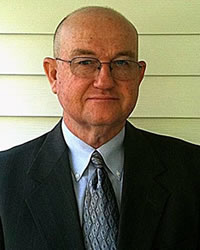
Gary Shepard is teacher and pastor of Sovereign Grace Baptist Church in Jacksonville, North Carolina.

Comments

0 / 2000 characters
Comments are moderated before appearing.

Be the first to comment!

Joshua

Joshua

Shall we play a game? Ask me about articles, sermons, or theology from our library. I can also help you navigate the site.