Bootstrap
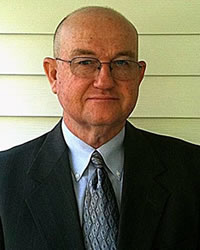
Gary Shepard

The WIlling Servant Doing God's Will

Hebrews 10:1-14
Gary Shepard August, 27 2017 Audio
0 Comments
Gary Shepard
Gary Shepard August, 27 2017

Sermon Transcript

Auto-generated transcript • May contain errors

100%
Before the world begins ? For God we love ? ? He chose
before His own ? ? And ever will be ? ? His rich eternal love
? ? For the name of the Lord ? ? May God be with you and me
? ? As He called it be ? ? From eternity ? ? No room to
both survive the loss and pain ? ? But God and mother's grace
came and took my place ? ? Thank God he included me ? Was paid my debt one day The
only way He died upon the tree To set me free In pure and sovereign
grace Jesus took my place Thank God He included me from eternity. No room to boast if I follow
Santa. But God, in wondrous grace, came
and took my place. Thank God In time the spirit soared, and
grace was brought. He took the Word of God, the
mighty rod. He broke my stony heart, and
it made them fall. Thank God he included me. He included me from eternity. No room to boast if I the love
sent down. And thou, in wondrous grace,
came and took my place. Thank God He included me. We may not all be able to sing it that well, but that's a song of thanksgiving
that every sinner saved by grace can sing. Thank God He included
me. He didn't have to, but in His
sovereign mercy He chose to. And in choosing to, He chose
us in Christ Jesus before the foundation of the world. I want you to turn this morning
to Hebrews chapter 10. Hebrews chapter 10. I know that we will all be accountable for hearing the Word of God. I'm not calling upon you to look
at my words, but I'm calling upon you to listen
to his words, the words by which you will be judged. I come to this tenth chapter
of Hebrews thinking about an old friend of mine. I was thinking about Brother
Scott Richardson, who was a long friend of mine. long friend of
Brother Rupert's and others, for over 30 years. A dear, dear
fellow, faithful preacher of the gospel. But he'd say something like this. He'd say, in order to be saved,
In order for anybody to be saved, somebody has got to do the will
of God. I remember hearing him say, salvation has got something to
do with the will of God. And that is so true. That is so according to the scriptures. But no sinner, by doing the law, by any principle
of obedience to any precept, can be saved. We read there in
Matthew chapter 26 that even with the Lord Jesus
Christ bodily present with them, they couldn't even stay awake. What a picture of the helplessness
and the hopelessness of sinful man. They couldn't even stay
awake. So rather than giving the law
as a means by which through our obedience we might be saved,
God gave it to show us that we could never be saved that way. Verse 1, he says, for the law,
having a shadow of good things to come, and not the very image
of the things, can never, with those sacrifices which they offered
year by year, continually make the comers thereunto perfect. For then would they not have
ceased to be offered, because that the worshippers once purged
should have had no more conscience of sins? But in those sacrifices
there is a remembrance again made of sins every year, for
it is not possible that the blood of bulls and of goats should
take away sins. No way by obedience to the law
that we could ever have one sin remitted. But thankfully, thankfully, somebody
did do the will of God. And therefore, He is the only
Savior, and His doing, the will of God, is our salvation. his doing the will of God. is our salvation. Verse 5, Wherefore,
when he cometh into the world, he saith, Sacrifice and offering
thou wouldest not, but a body hast thou prepared me. In burnt offerings and sacrifices
for sin thou hast had no pleasure. That is, these sacrifices, the
sacrifices under the law, could not satisfy God. They could not satisfy the justice
of God, and no sinful man could, so it was necessary that there
be another body. In other words, the body of Christ
is contrasted, though slightly compared, to all these other
bodies of bulls and goats and lambs and such. They could never
satisfy God, but this one satisfied God and met the needs of man
at the same time as a sacrifice for sins. They only typified,
they only pictured, they only showed in a type what would be
because one was prophesied as coming who would do the will
of God and be that sacrifice. Verse 7, Then said I, Lo, I come
in the volume of the book it is written of me to do thy will,
O God. all through the volume of the
book. That is the Old Testament. There is the promise coming and
even the Messiah himself speaking of his coming to do just exactly
this. Let me read you in Zechariah. Sing and rejoice, O daughter
of Zion. For lo, I come, and I will dwell
in the midst of thee, saith the Lord. And many nations shall
be joined to the Lord in that day, and shall be my people,
and I will dwell in the midst of them. And thou shalt know
that the Lord of hosts hath sent me unto thee. He often again
says, I'm coming, I'm coming. I remember Brother Henry Mahan
saying so many times, the Old Testament says, he's coming. The gospels say, he's come. And the epistles say, he's coming
again. But in the volume of those Old
Testament scriptures, it's written again and again, the Messiah
is coming and he's coming to do something. And that is the
will of God. Turn over to Psalm 40 with me. Psalm 40 is one of those Old
Testament passages in which he speaks of his coming and even
speaks the words that we have recorded here in Hebrews 10. Psalm 40 and verse 6. Sacrifice and offering thou didst
not desire. Mine ears hast thou opened? Burnt offering and sin offering
hast thou not required? Then said I, Lo, I come. In the volume of the book it
is written of me, I delight to do thy will, O my God, yea, thy
law is within my heart. Now one thing you might notice
in the midst of that is that he speaks of this coming, of
this doing, and he says in verse 6, mine ears hast thou opened. In other words, God found no
satisfaction, no pleasure in all those Old Testament sacrifices. But here is Jehovah's servant
saying in prophecy, but mine ears thou hast opened. Well, what in the world does
that have to do with what is being said in our text? Well, if you'll turn back over
to Exodus chapter 21, you'll find out that this is a reference
to what is called the willing bondservant. Under the law that
gave, that Moses gave to Israel, We find in this 21st chapter
of the book of Exodus in verse 1, now these are the judgments
which thou shalt set before them. God gave them through Moses and
this was the instruction. If thou buy an Hebrew servant,
six years he shall serve, and in the seventh he shall go out
free for nothing. If he came in by himself, he
shall go out by himself. If he were married, then his
wife shall go out with him. But notice what happens next. If his master have given him
a wife. If his master has given him a
wife. Just like God gave Christ a wife. God gave to his son a wife. And he says, if his master have
given him a wife, and she have born him sons and daughters,
the wife and her children shall be her masters, and he shall
go out by himself. He would have to nevertheless
leave them. They were still to be in a state
of slavery or bondage, but he himself could go out free. But verse 5 says, and if the
servant shall plainly say, I love my master, my wife, and my children,
if he loved his master, If he love his wife and children, I
will not go out free. I don't want to leave you. I
want to serve you and be with my wife and children. I love
you all. Then his master shall bring him
to the judges. In other words, everything under
the economy of Israel was to be done in the name of justice. So he says, then his master shall
bring him unto the judges, and he shall also bring him to the
door, or unto the doorpost, and his master shall bore his ear
through with an awl, and he shall serve him forever. So he says, the Lord has opened
my ear. That is Christ came as the willing
bond servant of Jehovah. He is at the same one with the
father. He says that I and my father
are one. But in this character, in this
role that he took upon himself willingly to be the bondservant
of Jehovah, he says, my father is greater than I. And the father
himself says, behold, my servant, my elect. And so Christ came,
as it says here, as the willing bondservant to do the will of
God. In other words, this servant,
as he moved about the house and as he moved about the town where
they were living, He appeared to be a servant, but all the
time, whenever anybody noticed his ears that they had been bored
through with this all, they know and they knew that he was a free
man serving as he would willingly and lovingly toward his master. And that's the way the Lord Jesus
Christ came to do the will of God. He came and he came to do
and he did what? The will of God. That's why it makes it so foolish. to talk about and to think about
and to imagine that salvation has anything to do with the so-called
free will of man. Why? Because man's will is not
free. It is bound, as it were, to a
fallen, sinful, unholy, ungodly nature. It cannot be free. Only Christ possess that true
free will because as God and as one who loved God and did
the will of God, altogether he can be such a person. But look back in verse 10, or
verse 8, Hebrews 10. Above, when he said, Sacrifice
and offering, and burnt offerings, and offering for sin, thou wouldst
not, neither hadst pleasure therein, which are offered by the law. Then said he, Lo, I come to do
thy will, O God. He taketh away the first, that
he may establish the second. There are many people who are
holding on to the law. But it says here that Christ
takes it away that he might establish the second. They try to divide
up all the things that were under the law to say this is this and
that's that. But the law is just like everything
else. It stands as either whole or
nothing. And he came to take it away that
he might establish the second. I read in Romans 10. where it says that Christ is
the end of the law to them that believeth. So that makes me to
know that those who hold on to the law, who claim it either
for salvation or sanctification, they really have not believed
on the Lord Jesus Christ, because Christ is the end of the law
to them that believeth. But look at what he says in verse
10. By the witch will, we are sanctified
through the offering of the body of Jesus Christ once for all. Once for all. By the which will? God's will. Whenever we read about God's
will in the scriptures, we ought to know immediately
that man's will is only that which is against God's will. And it will never be in effect It will never be because he was
a follower of Satan who said, I will be as the most high. But
it says this. In Ephesians 1 and verse 11,
in whom, that is in Christ also, we have obtained an inheritance
being predestinated according to the purpose of him who works
all things after the counsel of his own will. That's a sovereign will. And
as long as there is a sovereign will, every other will is against
that will and is subservient to that will. And that will,
as Christ said, will be done. Thy will be done. So Christ doing the will of God,
that is the purpose of God, is the accomplishing of that salvation
in Him which God purposed for His people, for His elect ones,
from all eternity. Look here at that verse, verse
10. By the witch will, that's God's
will, we were sanctified. Now that's a word, if ever there
has been a word in the Bible that has been abused by men. People think of it as a, and
they teach that it's some kind of second blessing or some kind
of second state that we go into because of the Holy Spirit's
work in us. But the word simply means set
apart. Set apart. Set apart unto God. Set apart to holy use. So he's speaking about thus being
set apart and sanctified through the offering of the body of Jesus
Christ once for all. That is, the will of God must
be, will be, has been carried out. Because the will of God to do
something is the doing of it, at least in part. Why? Because there isn't anybody who
can stop him. Who's going to stop him? So when
he wills to do something, it is as good as done, but it's
the doing of it that saves us, because he says, by the offering
of the body of Jesus Christ. That's what the gospel is about. I remember some years ago, there
was a bumper sticker on one of the denominations. I don't remember
which one, maybe Southern Baptist, but doesn't matter. They're all
the same. But one, this bumper sticker,
this slogan for the year, I saw it a number of times. It said,
offer them Christ. That was the slogan. And that's all a bunch of rebel
sinners want to hear, that Christ is up for the offer, that he's
up for the giving or the refusing. Offer them Christ. But the gospel
is not about an offer, it's about this offering. What does an offering in the
Old Testament signify? It is something given to God
to satisfy, to appease, to turn away His wrath, or to honor Him,
or to worship Him, or it's whatever He requires. We're set apart to God. And his will was carried out
by the Lord Jesus Christ through this offering, a sacrifice offered
to God on behalf of a people to satisfy God's justice in the
matter of their sins. Sins. And you know, the emphasis
here is also on this body. It wasn't just Christ Jesus wanting
to do something. It wasn't just His coming and
teaching and being an example. But He is made an offering. His body is an offering to God. That's why He's dying on that
cross. So what is the difference? between
all those offerings, all that bloodshed, what is the difference
in those offerings and this offering? This offering is His body, it
is the body and blood of Jesus Christ, and it accomplishes two
things. It satisfies God in the matter
of our sin because he is divine. How can one man die for a multitude
of men and save them? How can there be that much merit
and worth in his sacrifice because he is divine? He's God manifest
in the flesh. And the other part is that he
dies as a man, as an offering for sin. As a man, he dies for
men, that which men require if they're to be saved. So God says, He has by this one offering,
according to the will of God, this offering of a man whose
body is a man's body, but who's yet divine in the same body,
the same person. He's an offering for those who
God has set apart unto salvation. And then somebody says, well,
that doesn't seem quite fair. Salvation is not about fairness. It's about grace. It's about
God. It's about his right as God. It's about the will of God. And rather than me stating over
and over again some things that just reveal the natural depravity
and rebellion against God, such as, well, why didn't he die for
everybody? Why didn't he do this or that
or the other? This is just what he did. This is the will of God. And rather than fighting against
it, I ought to be hoping that God,
praying that God would make me willing to receive and to accept
and to acknowledge His right to be God and to seek Him to
save me. What an amazing thing it is if
He included me. in this will of grace. What an amazing, I mean, of all
the people that have ever lived in this world, of all the obscure
ones and all the awful sinners such as myself, of all the undisturbing
ones, what if he included me? Ephesians says, And walk in love,
as Christ also hath loved us, and hath given himself for an
offering and a sacrifice to God for a sweet-smelling savour. This offering differed greatly
from those Old Testament offerings. Verse 11, he said, and every
man standeth daily, ministering and offering, oftentimes the
same sacrifices, which could never take away sins. But, but, but this man, after
he had offered one sacrifice for sins forever sat down on
the right hand of God. One sacrifice for sins once offered. Was it successful? Did God accept
it? It says that after he had done
this, He sat down on the right hand of the majesty on high,
on the right hand of God. Now, there's one interesting
note in all of those Old Testament sacrifices and offerings. When
that high priest would go in every year, And those offerings
were offered at the command of God to show in a type the way
that He would take away sin. But they were offered again and
again. And then the man came out. He had to go back in and do it
again. And there was one piece of furniture
that was missing in that Holy of Holies. You know what it was? There wasn't
a chair there. There was no place to sit down
because his work, not satisfying for sin, and not being actually
the work of Christ, there was no place, no need for a chair,
because that priest's work was never done. It never put away
sin. It never satisfied the conscience
of those offerers, because it never satisfied God. But when
Christ entered into the Holy of Holies, when He entered into the presence
of God, on the behalf of these sanctified ones, offering His
body, His blood as an offering and sacrifice for their sins.
God accepted it. His work finished it, and He
sat down on the right hand of the Majesty on high. Sat down. No Old Testament priest could
do that. And listen to verse 14. For by
one offering he hath perfected forever them that are sanctified. Now that word perfected here carries with it the thought of
completion. He made every one for whom He
died, every one of these sanctified ones chosen of God before the
foundation of the world in Him and given to Him, He made every
one of them complete. Is that right? Well, he writes through Paul
in Colossians 2 and says, For in him dwelleth all the fullness
of the Godhead bodily, and you are complete in him, which is
the head of all principality and power. Complete in Him. Perfect in Him. Righteous in Him. Made the righteousness
of God in Him. Over and over and over The New
Testament pictures, speaks about, shows that the believer, all
believers, when Christ went to that cross, they are in Him. They've been in Him before the
foundation of the world. They'll be in Him as they are
now seated in the heavenlies in Him. He sat down at the right hand
of God. And Paul says in Ephesians 2,
we're seated in the heavenlies too. How are we there? Because our head and our representative
and our savior, we're as good as they are. Actually, we are
there already because we're in him. God views us in him. And this is the fulfillment of
a promise made by God in the everlasting covenant to these
sanctified ones. Look at verse 15. Wherefore,
the Holy Ghost also is a witness to us. After that, he had said
before, this is the covenant that I will make with them after
those days, saith the Lord. I will put my laws into their
hearts and their minds And in their minds I will write them,
and their sins and iniquities will I remember no more. Now
where the remission of these is, there is no more offering
for sin. That's why we don't have any
more sheep killings and bloodlettings. No more sacrifice, because there
is no more sacrifice for sins. This is the fulfillment of a
covenant. What is a covenant? The last
will and testament of somebody. The new covenant is simply the
new covenant of mercy and grace according to the will of God
in the Lord Jesus Christ. And this is all of their salvation. This is all of their security.
Listen to what I read, II Peter chapter 3 and verse 9. Now listen
to this. The Lord is not slack concerning
His promise, as some men count slackness, but is longsuffering
to usward. That's an important word in that
verse. This is not universal. It's to
us. It's to these sanctified ones. It's to the Lord's elect, his
people. The Lord is long suffering to
us were not willing that any should perish, but that all should
come to repentance. So many of you were like me,
you were the victims of the half-verse religion. They would say time and time,
well, you know, it's not God's will that any should perish,
but that all should come to repentance. Well, if it's not God's will
that anybody should perish, why are they perishing? You see, he's saying here, he's
long-suffering to us-ward. That's his people, that's these
sanctified ones. And he's going to wait, in a
sense, but he's going to fulfill all his will and purpose toward
them. He, because of Christ's death,
is not willing that any of them should perish, but he's going
to bring them all to repentance. not willing that any of them
should perish. Turn over to John chapter 6. John chapter 6. And look at first verse 36. Verse
36. But I said unto you that ye also
have seen me and believed not." Who's he talking to? He's talking
to these religious Jews. He's talking to these Pharisees
and Sadducees and such of their various sects. He said, you saw
me and yet you believe not on me. In another place, he says, the
reason you believe not is because you're not of my sheep. My sheep hear my voice and they
follow me. These sanctified ones will hear
his voice. They will believe. They will
believe the truth of the gospel. But he says in verse 37, not
worried about that one bit. All that the Father giveth me
shall come to me, and him that cometh to me I will in no wise
cast out." They're all going to come, Rupert. They're all
going to come believe. And he says, when they come to
me, I will not, I will not, I will not ever cast them out. Four. Because. I came down from heaven
not to do mine own will, there is as Jehovah's servant again,
but the will of Him that sent me." What did Christ come to
do? The will of the one that sent
Him, which is a will of salvation. a will to be accomplished in
the salvation of His people and the glorifying of His name. For I came down from heaven,
not to do mine own will, but the will of Him that sent me.
And this is the Father's will which has sent me, that of all
which He hath given me should I lose nothing, but should raise
it up again the last day. Do you think Christ accomplished the will of God? I just say, who could stop him? Can rebellious man stop him?
No. Could their free will stop him?
No. I, with my imagined free will
for a long time, stood in defiance of His truth. But you know what? His will to save me was more
powerful than my will to damn me. If His will is His will to save
you, If he loves you and if Christ has already died for you, he'll
have you because it's his will. It's God's will. Thank God it's
a will of grace and mercy to his people. Thank God He has a will and power
strong enough to overcome our wills, yea, even to make us willing. That was promised to the Lord
Jesus Christ. Thy people, thy people shall be willing in
the day of your power. John 17 says, These words spake
Jesus, and lifted up his eyes to heaven, and said, Father,
the iris come, glorify thy son, that thy son also may glorify
thee, that as thou hast given him power over all flesh, that
he should give eternal life to as many as thou hast given him. But look at verse 40. And this is the will of Him that
sent me, that everyone which seeth the Son and believes on
Him may have everlasting life, and I will raise him up at the
last day." You know, people talk about a
whosoever gospel, a whosoever believeth, a whosoever calls
from the name of the Lord. But those are always, those whosoevers
are always qualified by some action that they, that describes
them. So he says, this is the will
that sent me, that every one that seeth the Son, that is,
to see Him is not to see Him visually, it's a matter of faith. It's to see Him and to understand
what is said of Him in the Word of God, just like here in our
text. You know what we say, don't we?
When we're unclear about something and somebody's trying to describe
it to us and finally we say, I see. I see. I understand. Everyone that seeth
the Son understands what God is saying about His Son in this
book, and sees them by faith, which is what He says, believing,
and to see Him and believe on Him is to trust Him as having
put away your sins by the sacrifice of Himself, and there's therefore
no need of anything else, no more offering for sin. I went back and looked this morning
to make sure that I understand what he means by believing. If you notice, the word believe
here is believeth. So, what is it to believe? It means to trust and rely upon
solely, now, continuing to do so and
without ceasing. That's what it is to believe.
Oh, I once believed on the Lord. No, you didn't. If you ever had,
you would now. Well, I believe on the Lord.
No, you don't, if what you believe is not true to this book. To believe is to lean all your
weight upon, to trust entirely the Lord Jesus Christ and to
continue to do so and never stop. Never stop. It means that He's all my hope.
This means that He's all my salvation. It means that His doing, the
will of God, on my behalf. That's all my salvation. That's all my righteousness.
It's all my peace. It's all my joy, for sure. The Lord taught us to pray. Thy will be done. Thy will be done. You see, this is the will of
God that sent Christ that everyone that seeth the Son and believeth
on him may have everlasting life. And I'll raise him up at the
last day. Listen to some verses. Mark 16, he that believeth and
is baptized shall be saved, but he that believeth not shall be
damned. For God so loved the world that
he gave his only begotten Son, that whosoever believeth in him
should not perish, but have everlasting life. John 3.18, He that believeth
on him is not condemned, but he that believeth not is condemned
already, because he hath not believed in the name of the only
begotten Son of God. John 3.36, He that believeth
on the Son hath everlasting life, and he that believeth not the
Son shall not see life, but the wrath of God abides on him. John 5, 24, Verily, verily, I
say unto you, He that heareth my word, and believeth on him
that sent me, hath everlasting life, and shall not come into
condemnation, but is passed from death unto life. John 11, 25,
Jesus said unto her, I am the resurrection and the life. He
that believeth in me, though he were dead, yet shall he live. Verse Peter 2, 6, Wherefore also
it is contained in the Scripture, Behold, I lay in Zion a chief
cornerstone, elect, precious, and he that believeth on him
shall not be confounded. 1 John 5, 10. He that believeth
on the Son of God hath the witness in himself. He that believeth
not God hath made him a liar, because he believeth not the
record that God gave of his Son. And this is the record that God
hath given unto us eternal life, and this life is in his Son. How's all this received? through believing. He that believeth on Thee, Son. You believe on this Jesus? You
trust this work? He is doing the will of God as
the all of your salvation? I'm like Peter. When the Lord
said, to whom will you also go away? I don't have anywhere else
to go. I don't have any other way of
salvation. I'm such a sinner that unless
God saves me by His grace in Christ, I don't have anywhere
to go. These are the words of life. This is who he says eternal
life is in. This is how he says eternal life
is. Well, have you believed enough? No. But Christ has done enough. He's done enough. He died for
my sins, even the sin of unbelief. And it's not really a complicated
matter. I'm just trusting Him. Praying
that I'll always trust Him. Leaning on Him. Live or die. Sink or swim. As Henry used to say, I've got all
my eggs in one basket. I believe on Christ. I do believe
on Him. Right now I believe on Him. You believe on Him? Well, whatever happens, Paul
said, in everything give thanks, for this is the will of God in
Christ Jesus concerning you. If the will of God in Christ
saving me was so good, so perfect, then His will of God in providence
in Christ has to be too. When they asked in this same
chapter of John, verse 28, they said to him, What
shall we do that we might work the works of God? Jesus answered and said unto
them, This is the work of God that you believe on him whom
he has sent. This is what God calls upon us
to do, believe on his son. But it's also the work of God
necessary in us to enable us to do so. God the Spirit leaves us to ourselves. We'll never. If He turns His
back on us one instance, we'll be cast down in unbelief. But this one, everybody that believes on Him,
it says that about three or four times in the Bible, Old Testament,
New Testament, whoever believes on Him, They'll never be disappointed.
They'll never be ashamed. They'll never be confounded.
They can just rest. What to do? Well, if you believe,
to rest. Lean back. Doesn't that feel
so good when you're so tired and weary, just to lean back
and have something to bear your weight up? Or to get home on a trip to your
own bed that feels so good where you can just recline on it and
just let it support you entirely. Rest. That's what believing is. May God help every one of us
to do it. May the willing bond servants
work of doing the will of God Be our hope. Our Father, we thank
you in Jesus Christ. We pray that you would call someone
this morning, someone who hears this, to enter into that rest. through believing on this cross,
this Christ. We thank you for him and for
your grace to us. We pray in his name, amen.
Gary Shepard
About Gary Shepard
Gary Shepard is teacher and pastor of Sovereign Grace Baptist Church in Jacksonville, North Carolina.

Comments

0 / 2000 characters
Comments are moderated before appearing.

Be the first to comment!

Joshua

Joshua

Shall we play a game? Ask me about articles, sermons, or theology from our library. I can also help you navigate the site.