Bootstrap
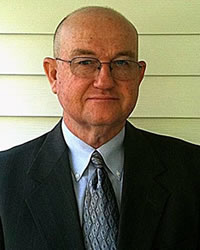
Gary Shepard

The Gospel Applied

Luke 4:16-30
Gary Shepard May, 7 2017 Audio
0 Comments

Sermon Transcript

Auto-generated transcript • May contain errors

100%
So, Blessed Father, hear our cry. Cast out sin, but draw us nigh. Not the merit we have none. For your mercy, for your Son. Blessed Jesus, make our plea. In your name, to God we plead. Through your blood, we seek his
face. Fly, oh priesthood. Blessed Spirit, lead our need. In our silence, intercede. Translate things we cannot speak. Heal the broken. ? Triune God, please grant our
prayer ? ? As your glory we declare ? ? May your promised kingdom
come ? ? May on earth your will be done ? you Turn in your Bibles this morning
to Luke chapter 4. Luke chapter 4. And I'll begin our reading in Verse 16, Luke 4, 16. And he came to Nazareth, where
he had been brought up, and as his custom was, he went
into the synagogue on the Sabbath day and stood up for to read. And there was delivered unto
him the book of the prophet Esaias, or Isaiah. And when he had opened
the book, he found the place where it was written, The Spirit
of the Lord is upon me, because he hath anointed me to preach
the gospel to the poor. He has sent me to heal the brokenhearted,
to preach deliverance to the captives, and recovering of sight
to the blind, to set at liberty them that are bruised, to preach
the acceptable year of the Lord. And he closed the book, and he
gave it again to the minister, and sat down, and all the eyes
of all them that were in the synagogue were fastened on him. And he began to say unto them,
this day is this scripture fulfilled in your ears. and all bear him
witness, and wondered at the gracious words which proceeded
out of his mouth. And they said, Is not this Joseph's
son? And he said unto them, You will
surely say unto me this proverb, Physician, heal thyself. Whatsoever we have heard done
in Capernaum, do also hear in thy country. And he said, Verily
I say unto you, no prophet is accepted in his own country. But I tell you of a truth. Many
widows were in Israel in the days of Elias. when the heaven
was shut up three years and six months, when great famine was
throughout all the land. But unto none of them was Eli
sent, save unto Sarepta, a city of Sidon, unto a woman that was
a widow. And many lepers were in Israel
in the time of Elisha the prophet, and none of them was cleansed,
saving Naaman the Syrian. And all they in the synagogue,
when they heard these words, were filled with wrath, and rose
up and thrust him out of the city, and led him unto the brow
of the hill whereon their city was built, that they might cast
him down headlong. But passing through the midst
of them, He went on his way. Now, I don't think that there
can be any doubt about who the speaker is in this text. He is the perfect, sinless man,
the Lord Jesus Christ. As a matter of fact, he is not
only that, he is the epitome of love. He is the love of God,
and he is God who is love. There's no question about him
being full of love. And also, we might notice where
he is. Where is he? He's in Nazareth,
his hometown. And I'm sure that he wanted the
best for all of them. He wanted good for all of them. After all, they're all his friends. They're his family. They're people
that he'd known all his life. And you might say that he is
now preaching his first sermon. His very first sermon. And if you notice the reception
of this message, the reception of it at the first is this in
verse 17. And there was delivered unto
him the book of the prophet Isaiah. And when he had opened the book,
he found the place where it was written, the spirit of the Lord
is upon me. Because he hath anointed me to
preach the gospel to the poor, he has sent me to heal the brokenhearted,
to preach deliverance to the captive, and recovering of sight
to the blind, to set at liberty them that are bruised, to preach
the acceptable year of the Lord. And he closed the book. And he
gave it again to the minister and sat down. And the eyes of
all them that were in the synagogue were fastened on him. And he
began to say unto them, this day is the scripture fulfilled
in your ears. And notice verse 22. And all
bear him witness. and wondered at the gracious
words which proceeded out of his mouth and they said, is not
this Joseph's son? Is not this Joseph's son? And the words that he speaks,
they're so wonderful. But if you notice, something
happened in verse 28. Verse 28 says, and all day in
the synagogue, when they heard these things, were filled with
wrath and rose up and thrust him out of the city and led him
unto the brow of the hill whereon their city was built that they
might cast him down headlong." That's a real difference in attitude. What happened? What happened? What brought about this change
of attitude? Well, there's one thing we know
for sure. He didn't change because he is
the same yesterday, today, and forever. He didn't become imperfect. He was still at that moment perfect. He didn't become unloving because
he is still unchangeably God manifest in the flesh. So what happened? What brought
about this change? It is obvious that what brought
about this change in their attitude toward him, it was in something
that he said. It was in something that he said. And all day in the synagogue,
when they heard these things were filled with wrath." You notice when there was just
a plain reading of the scripture, like they had heard so many times,
like I'm sure he read it so graciously and wonderfully being the word
himself. There was no problem. The problem lay and always lays
in when he made application of the gospel. Men can listen to
the reading of the word. But when it is explained, when
it is made application of, when someone like Philip gives
the understanding or shows men and women what it says, that's
where the problem is. And when you notice what it says
in verse 23, that he said unto them, you will surely say unto
me this proverb. Physician, heal thy self. In other words, whatsoever we
have heard done in Capernaum, do also here in thy country. And he said, Verily I say unto
you, no prophet is accepted in his own country But I tell you
of a truth, many widows were in Israel in the days of Elias
when the heaven was shut up three years and six months, when great
famine was throughout all the land. But unto none of them was
Eli sent. save unto Sarepta, a city of
Sidon, unto a woman that was a widow. And many lepers were in Israel
in the time of Elisha, the prophet, and none of them was cleansed,
saving Naaman, the Syrian. You see, their attitude was toward
Christ, just like the attitudes of men and women today. They thought if he had done great
miracles in other places, surely he would do them for them and
more even among his own hometown and his own people. In other
words, if all these people received these miracles such as in Capernaum,
What will He do here? What will He bless us with here? But the truth of the matter is
that this is a revelation. It is Christ showing us how grace
and mercy is actually given to people. It doesn't have anything to do with
your hometown, doesn't have anything to do with all of these things
like people think. And as a matter of fact, he gives
two illustrations. I've always said that God gave
the illustrations first. Because when he gave us the Old
Testament, he gave us all these illustrations, and Christ chooses
two of these illustrations having to do with the prophet Elijah
and the prophet Elisha. Because they were prophets sent
of God. They didn't just go where they
wanted to go. They didn't just go randomly
where they would. They were prophets sent of God,
and they went where God sent them. And God bypassed all these many
widows in the nation of Israel. And he bypassed all the many
lepers in Israel, and he sent Elijah and Elisha to a widow
and a leper in a Gentile nation. Why? Because he would. Because he wanted to. because He determined to, because
He willed to do, and He does according to His will in the
armies of heaven and among the inhabitants of men, and nobody
can stop Him. He did it because He is God. He's not a piece of silly putty
in our hands. He's not moldable or makeable
like we want him to be. He just is like he is, and that's
something we've got to be confronted with. He did it because he determined
to do it. because he chose to do it, because
he chose this widow, because he chose this leper. No getting around it. No apologizing
for him doing it. It simply states by Christ himself
that this is what God did. And they were confronted not
only with the truth of God's sovereignty. What does that mean? It means God can do what he wants. But they were not only confronted
with the sovereignty of God, they were confronted with his
sovereignty as far as grace and mercy is concerned. And you must be too. I must be
too. Because God gets no glory and
salvation is never accomplished by all the various things that
men say that it is. He's not who most people think
that He is. He's not who most preachers say
that He is. He's God as He is. And what He does is right. We don't know right by saying
God can't do this or God can't do that. We know right only by
virtue of what God does. And he writes in Ephesians 1,
it's just so plain and clear, he says in Ephesians 1 and verse
11, he says, in whom also, that is in Christ, we have obtained
an inheritance being predestinated according to the purpose of him
who worketh all things after the counsel of his own will." That's so conclusive. That's
so final. That's so sure, that's so absolute,
that's so sovereign, that's so good. He works all things after the
counsel of his will. Whatever happens on the earth,
what happens in this world in which we live, you can count
on it. It happened because of His will. And not only that, whoever is
saved, Whoever comes to the knowledge of the truth, whoever comes to
trust Christ and experience the grace of God, it is because of
His will. You see, before he said that,
Paul wrote these words in Ephesians 1. Blessed be the God and Father
of our Lord Jesus Christ, who hath blessed us with all spiritual
blessings in heavenly places, according as he hath chosen us
in him before the foundation of the world, that we should
be holy and without blame before him in love." That's sovereign, electing, choosing
grace and mercy. Paul expressed it like this when
he wrote to the Thessalonians. He said, I thank God that he
has blessed and he's speaking to believers at Thessalonica
just like he is speaking to believers in Ephesus. He said, I thank
God that he from the beginning has chosen you to salvation. And he has, according to his
will, sent Elijah to this widow of
Sarept. And he has sent Elisha to this
prophet, I mean, to this man named Naaman. And he did so just
because he would. So the thing that comes to their
mind on this occasion that we're looking at is this, if God could
do that then, then he can certainly do it now with respect to Jesus
and his miracles. They were expecting him to do
them good and bless them with all these physical blessings,
really, because by all right, he was one of them, surely he'll Heal a lot of sick
folks here. Surely he'll save a lot of people
here. Surely he'll open the eyes of
a lot of blind folks here. Oh, how many will he feed with
the fishes and multitudes here? But they found out that God's
gifts, that God's gifts he gives sovereignly to whom he will.
Because none deserve them. Because they were who they were
didn't mean that they deserve grace. Because of who they were
didn't mean they deserve these things. And it's the same today. It's the same today. With regard
to meeting the needs of men and women, and especially granting
spiritual healing in this business of salvation, the Lord simply
saves whom He will. And He determined a long time
ago. He chose them in Christ a long
time ago. He gave them to his son a long
time ago, according to the counsel of his own will, before there
was ever persons or devils or what. And we must be confronted with
the reality this reality that God is God and he saves whom
he will and we none deserve salvation. We don't even deserve the next
breath of air we take. It's not because We're Americans. It's not because we're conservative. It's not because we're Baptists. It's not because we're white.
It's not because we're good people. It's not because we don't have
any bad outward vices. It's not because of anything
that makes us worthy of salvation any more than anybody else. And what that does, it just hits
at our pride. You mean that somebody like Charles
Manson or Jeffrey Dahmer or all these people, Hitler, you name
them all, you mean that I don't deserve salvation any more than
them? That's exactly what I mean. And men and women in their pride,
blindness, self-righteousness, with all their works, they think,
just like these did, that God owes them something. What will
he do here? Capernaum, it's a crummy town,
I don't even want to think about it, and this place over here,
oh, but what about us? What's he going to do here? Nothing. He walked right out of that synagogue. But they showed something. They
showed in their reaction that they showed to this truth of
God's sovereign grace, they showed their true selves. They showed
what they really are by nature. And family and friends and townspeople
he'd grown up with. They didn't like him anymore. They didn't like him anymore.
And it's the same today. When natural men and women, especially
those involved in false religion, When their works begin to be
frowned upon as any ground of salvation, when any right to
the throne of God is cut off from them, we don't like you anymore. When he told them what God had
done, When he spoke the things that God had done, they were ready to kill him.
The perfect Son of God, love manifest in the flesh, truth. They wanted to kill him. Because he hit a nerve, and it's
always the nerve, that God doesn't owe you anything but hell. And
if he shows grace to you, if he shows mercy, it'll be in the
same way that he did to the widow and to the leper. It'll be just
because he would. Look over at John chapter 17. John 17 and verse 1, these words
spake Jesus and lifted up his eyes to heaven and said, Father,
the hour has come. Glorify thy son, that thy son
also may glorify thee. Now, what does it mean to glorify? We know by that verse, it cannot
mean make better. Because the father can't make
the son better and the son can't make the father better because
they're already perfect. But it means to reveal what one
is. Glorify thy son, that thy son
may glorify you, that he may show out what you are, who you
are, and the same with the son, that he might be known for what
he really is. Next verse. as thou hast given
him power over all flesh, that he should give eternal life to
as many as thou hast given him." How many? To as many as thou
hast given him. Not everybody. Not all people. not given all a chance, not done
all the stupid things that preachers in their invitations and in their
sermon say that he's done, that he should give eternal life to
as many as thou hast given him. And this is life eternal. that they might know thee the
only true God and Jesus Christ whom thou hast sent." What is eternal life? It's not
to live forever. It's to know him who is true
in Jesus Christ. Look at Romans chapter 9. Romans chapter 9, verse 7. Neither, because they are of
the seed of Abraham, that is, naturally, are they the children,
but in Isaac shall thy seed be called. Didn't Abraham have another
son by the name of Ishmael? God didn't look upon him. He
considered Isaac Abraham's only son. He was a child of the flesh,
Ishmael was, but he says, that is, they which are the children
of the flesh, these are not the children of God, but the children
of the promise are counted for the seed. For this is the word
of promise. At this time will I come, and
Sarah shall have a son. And not only this, but when Rebecca
also had conceived by one, even by her father Isaac, for the
children being not yet born, neither having done good, any
good or evil, that the purpose of God, according to election,
might stand. not of works, but of him that
calleth. It was said unto her, the elder
shall serve the younger. As it is written, Jacob have
I loved, but Esau have I hated. What shall we say then? Is there
unrighteousness with God? God forbid. For he saith to Moses,
I will have mercy on whom I will have mercy, and I will have compassion
on whom I will have compassion, so that it is not of him that
willeth, nor of him that runneth, but of God that showeth mercy. For the scripture saith unto
Pharaoh, Even for this same purpose have I raised thee up, that I
might show my power in thee, and that my name might be declared
throughout all the earth. Therefore hath he mercy on whom
he will have mercy, and whom he will he harden." And then the next thing he does
and says in that is he goes back to the illustration that God
gave of himself, which is the potter. When the potter takes the lump
of clay in his hand, it says it means that he's about to make
what he will of it. And like the potter, Paul said,
God makes some vessels unto honor and some unto dishonor. But he's the one that does it. And we have to be confronted
with this truth. Matthew 11 says, at that time,
Jesus answered and said, I thank thee, O Father, Lord of heaven
and earth, because thou hast hid these things from the wise
and prudent, and hast revealed them unto babes. Even so, Father, for so it seemed good in thy
sight. hid these blessed truths, hid
this way of salvation, hid these things from the wise and prudent
and revealed them unto babes. You see, the very thing, the
very thing that men rebel against, which is God shows mercy and
grace to whom he will, saves whom he will, the very thing
that men rebel against most naturally is our only hope. It's our only hope. Our hope is in what God wills
to do for us, because such is our state that it's the only basis upon which we can be saved. And he gave us two illustrations. He took the poorest of the poor.
a widow woman who had a son and had nothing. Now, she had nothing. First King says that she said
to Elijah, as the Lord thy God liveth, I have not a cake, but
a handful of beal in a barrel and a little oil in a cruise.
And behold, I'm gathering sticks that I might go in and dress
it for me and my son that we may eat it and die." That's rock
bottom. But that's where God will bring
you if he saves you. I don't mean he'll necessarily
make you poor. I don't mean he'll necessarily make you a winner.
But he'll empty your pockets of all your self-righteousness,
all your imagined good deeds, all the things that you think
recommend you to God. He'll strip you. He'll stain
your pride. He'll make you a bankrupt sinner if he saves you. The other was a leper. His name was Naaman. He was a
captain of the Syrian hosts who had been victorious. A mighty
man of valor, it says. He was just a real man's man. Just one problem. When he put
on all his medals, When he put on all his uniform, when he dressed
up in all the regalia for the parade and everything like that, he had a terminal disease called
leprosy. And leprosy is a disease of the
blood. He had an inward problem that
manifests itself in an outward problem, and that's just exactly
what sin does. But these are the only kind of
people that God saved, and they were both Gentiles. Oh, me. Wonder what they think of God's
sovereign grace. Wonder what that widow could
say to you now. Wonder what Naaman could say
to you now about sovereign grace. Oh, I hate that. Oh, I love that. If it hadn't been for God's mercy,
if he hadn't sent me a prophet, if he hadn't sent me somebody
to tell me and to show me something of God's mercy, I'd have perished
there. Wonder what they think about
God having mercy on whom he will. Wonder what Abraham, who's mentioned
here, would say about it. He would have died in the Ur
of the Chaldees in the idolatry of his family. Perished if God
hadn't had selective mercy on him. Wonder what about Isaac or Jacob? Oh, scoundrel that Jacob was,
just like me. He's the man I identify with
in Scripture. What about Rahab, the harlot
of Jericho? God just let a whole city be
destroyed. Saved Rahab. What about Matthew sitting there
as a tax collector despised? Or what about Onesimus who's
down in the prison house where Paul happens to be sent to prison
with him? What about all these such as
the Philippian jailer and the Ethiopian eunuch traveling out
in the desert? What about Solotarshis? Just a self-righteous religious
Pharisee hating God, doing everything he could against God and the
people of God despising the name of Jesus Christ. First thing
Ananias tells him, God wants you to know some things
Saul. What is that? That he's chosen
you. that he looked down on you before
the foundation of the world, and when there's no good in you,
he didn't look down to see what you'd do. He knew what you'd
do. He knew how helpless you were. He knew how dead in sins
you were. He knew how vile you'd be. He
knew how you'd fallen at him. He just decided he'd have mercy on you. We were two blind religious preachers just stumbling along, thinking
we were doing something good for God. He just had mercy. Just had mercy. You see, that
which we are naturally rebels to is the thing about God that
gives him all the glory, assures that he gets all the glory and
salvation, and saves us from our sins. Look at what he said there. He
stood up there and he read out of Isaiah 61. You look at that description. He said it was fulfilled that
day. Spirit of the Lord is upon me
because he has anointed me to preach the gospel to the poor. Saul wasn't poor. The Ethiopian
wasn't poor. But they were made poor before
God. They were beggars before God. He has sent me to heal up the
brokenhearted. Oh, my boyfriend left me. My husband left me. I'm brokenhearted. No, that's not this kind of brokenhearted. This is broken hearted over sin.
This is broken hearted over what you've been toward God. This
is broken hearted. This is real spirit wrought broken
hearted. To preach deliverance to the
captives, they said on one occasion, we're not in bondage to any man. And yet the Bible says that Satan
takes captive whom he will. In recovering of sight to the
blind. Blind to the truth. The God of
this world has blinded them to gospel truth lest they see the
glory of God in the face of Jesus Christ. They're blind to truth. Bruised. Set at liberty them
that are bruised. mostly bruised by false religionists,
liars on God, bruised over and over again, being told things
that they can do for God and God will accept them or things
that God wants them to do. I just hate, I concluded this
morning, I was thinking about it, I hate preachers that refuse
to allow God's people to enjoy grace. They're always putting a burden
on them. They're always beating them down.
They're always stressing what they do more than what Christ
has done. They're bruised. And then verse 19 says, to preach
the acceptable year of the Lord. Whoo! What is that? That is the last days. God hath in these last days spoken
to us by his son. It is the acceptable time of
the year, the time of grace, the age of grace, the gospel
dispensation, the time between the first coming and the second
coming of Christ. It's the time, the favored time. Time to favor sign. And you know that time hasn't
ended yet. Thank God it hasn't ended. There are so many who know nothing
of Christ. Our children, our loved ones,
our friends, people all over this place, all around us. Thank God it has not come to
an end. In Isaiah, he said the day of
vengeance too. But when Christ stood and read,
He just said, the acceptable year of the Lord. Now, it's going
to end. But the acceptable year of the
Lord doesn't mean the time in which men and women accept Jesus,
as they are told. The time when He's made His people
accepted in the blood. See, it doesn't matter whether
or not you accept Jesus or not. It matters whether or not Jesus
accepts you or not. Time of the gospel. The time
that God will accept all who look to Christ alone for righteousness,
for grace, for mercy, for salvation, for all, for all who plead his
cross death, for all whose righteousness they plead is the righteousness
of Christ imputed to them for all of their acceptance before
God. You see, God is and must be the first cause
and every part of salvation. That's why I like that song that
you sang this morning, the triune prayer. Blessed Father, blessed
Jesus, blessed Spirit, blessed Triune God, all persons of the
Godhead have engaged themselves in the salvation of God's elect,
so much so that they all shall surely be saved. So they treated him cruel. They denied him. They hated him. They were filled with wrath.
They sought to kill him. They were really good folks,
weren't they? I tell you, you want to find out how people really
are, you preach the gospel to them. That gives God all the
glory. You will find out what they are. If you don't preach it to them,
You can preach for as long as you want to, but if you preach
the gospel to them, they naturally hate God, unless
he does something for them. So Christ slipped out of that
city. And he came to Capernaum, verse
31, the city of Galilee, taught them
on the Sabbath days. And they were astonished at his
doctrine for his word was with power. And in the synagogue,
there was a man which had a spirit of an unclean devil and cried
out with a loud voice saying, let us alone. Well, that's pretty
much what they said in the last place, weren't it? What have we to do with thee?
Thou Jesus of Nazareth, art thou come to destroy us? I know thee
who thou art, thou holy one of God, the devil. He's got better
sense of about who Christ is than most preachers. These devils
cried out from the man. And Jesus rebuked him. saying,
hold thy peace and come out of him. And when the devil had thrown
him in the midst, he came out of him and hurt him not. And
they were all amazed and spake among themselves saying, what
word is this? For what with authority and power
he commanded the unclean spirits and they come out. And the fame
of him went out in every place, into every place of the country
round about. He went right straight to a demon-possessed
man, which, by the way, is a type of assault by nature. We always hear people talking
about, well, she's demon-possessed or they're demon-possessed because
they worship Satan or something like that. Everybody is demon-possessed,
captive at his will until God sets them free. And he walked
right straight up to this guy, and he started his rant and his
raving, and he cast him out. That's what he's got to do to
us. Cast out the devil, the deceiver. And he demonstrated us that same
power and grace. That's what he has to do for
us if we're saved. God sent Elijah and Elisha to
the least likely candidates for such favor. He sent them not
only with a miracle, but with a message, a message that involved
the faith that only he could give. He came to Naaman and he
says, Elisha said to him, well, just tell him. Oh, it's so humbling. God ain't gonna come down to
where you are in person. But he sends a message like through
Elisha. He sent a message to Elisha.
It was a humbling message. Go dip yourself in the Jordan
seven times. And the Jordan was an ugly river.
He said, are not the rivers of Damascus, Savannah, and far,
far, far better than this? He went away, he started away
mad. But some of his soldiers evidently
had a little more wisdom than him. He said, they said, Master,
if he had told you to do some great thing, you'd have done
it. If he tells you to do some great
thing, you do it. If God tells you to do some great
thing, you do it. Try to do it. But he's told you
to cease from doing and go wash. And what appears to the natural
eye to be a bloody, muddy river. But it says when he did that,
when he came up that seventh time, his flesh was like a baby's. cleansed, cleansed from all sin, cleansed
from all unrighteousness, cleansed. He by himself purged our sins. If you can believe on Christ, if you can repent Turn from your
idols the way you thought was right, which is what Naaman had
to do, by the way. He said, I thought. It's not
your thinking, it's God's word. If you can do that and trust
Christ and only Christ, he's done something for you. He's done something for you.
If He can reveal to your heart that
it's not what you do, but it's what Christ has already done
on that cross, He's done something for you.
And it's a miracle. But it's a miracle of sovereign
grace just like when he sent Elijah to that widow woman who
had nothing, gave her everything, and to Naaman, that filthy leper. Proud leper. How can you be proud
and be a leper? Well, he was. Same way you can
be proud and be a sinner. Christ applied to the gospel
in Nazareth. It caused him trouble. And it will. Still will right
now. But that's the gospel God uses
to save his people. So that they'll know of a surety
what he has really done for them. To the praise of the glory of
his grace. Father, we thank you this morning
for your mercy, for your sovereign grace and mercy in Jesus Christ, for giving to him a people and for making us one. Everyone you save will cry out. It is because of God. It is because
of your sovereign mercy to us. It is you who has saved us and
not we ourselves, not by works of righteousness, which we have
done, but according to your mercy. We pray that you'd make it known
to your people. In our day, we ask it in the
name of Christ and for the glory of Christ. In whose name we pray,
amen.
Gary Shepard
About Gary Shepard
Gary Shepard is teacher and pastor of Sovereign Grace Baptist Church in Jacksonville, North Carolina.

Comments

0 / 2000 characters
Comments are moderated before appearing.

Be the first to comment!

Joshua

Joshua

Shall we play a game? Ask me about articles, sermons, or theology from our library. I can also help you navigate the site.