Bootstrap
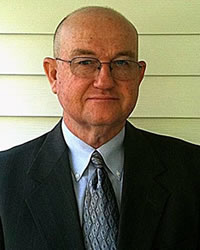
Gary Shepard

Enemies And Friends

Psalm 83
Gary Shepard December, 18 2016 Audio
0 Comments
Gary Shepard
Gary Shepard December, 18 2016

Sermon Transcript

Auto-generated transcript • May contain errors

100%
Let's pray. Father, we thank you for this
privilege of gathering together for the sole purpose of worshiping
you. Thanking you for all of your
mercies to us. We know all your people are worshipers. Worship you as you are and for
what you have done. We pray for your presence this
morning. We can do nothing without you. We ask that we might be enabled
to magnify your name. And to speak right things about
you. We pray in Christ name. Amen. I want you to open your Bibles
this morning to Psalm 83. Psalm 83. A psalm is a psalm. But I'm afraid that Songs today
about God are much different than songs that were written
in this day. And it is a most unusual psalm
by today's thinking. It is a plea to God. This is God's inspired word here. And it's a plea to God. It's
a call for God to rise up against his enemies. There are a lot
of songs like this. A lot of psalms. Because God has enemies. If you look down in verses 1
and 2, it says, keep not thou silence, O God, hold not thy
peace, and be not still, O God. It's a plea for God to move.
for God to act, for God to do. For lo, thine enemies make a
tumult, and they that hate thee have lifted up the head. They hate God. They don't hate
their God. But they hate God as He is, as
He reveals Himself in Scripture, and they make a tumult. They make a tumult, and they
lift up their head against God. In Psalm 81, we read, the haters
of the Lord should have submitted themselves unto Him, but their
time should have endured forever. Let me read you in Psalm 2. Why do the heathen rage and the
people imagine a vain thing? The kings of the earth set themselves,
and the rulers take counsel together against the Lord and against
his anointed, saying, Let us break their bonds asunder and
cast away their cords from us. He that sitteth in the heavens
shall laugh. the Lord shall have them in derision. Then shall he speak unto them
in his wrath and vex them in his sore displeasure. In Isaiah we read, who hast thou
reproached and blasphemed, and against whom hast thou exalted
thy voice, and lifted up thine eyes on high, even against the
Holy One of Israel. And if you notice how they demonstrate
this hatred for God whom they can't reach, they can't touch. And so they demonstrate this
hatred toward God, this animosity toward God in this way. Verse
3 says, they have taken crafty counsel against thy people. and consulted against thy hidden
ones, they have said, come and let us cut them off from the
being a nation, that the name of Israel may no more be in remembrance. For they have consulted together
with one consent, they are confederate together against thee. When you look at the history
of Israel, all the nations were enemies to God, and therefore
enemies to his people. And it's the same in every day,
in every age, that those we read about in Galatians and other
places, It says that they are against the true people of God. They are against the true message
of God. And there are many examples of
this over history. When you look down in verse 6
through 8, it says, the tabernacles of Eden. and the Ishmaelites,
of Moab, of Hagarenes, of Gebel, and Ammon, and Amalek, and the
Philistines within the inhabitants of Tyre. Asher also joined with
them. They have holden the children
of Lot. All throughout all the ages of
Israel, there were these enemies and they were named nations and
people and enemies of God. But look what is prayed for.
Look what is asked for. I'm wondering concerning these,
if we think that this is the proper attitude. Look down at what it says here.
Do unto them as unto the Midianites, as to Cicera, as to Jaban at
the brook Kishon, which perished at Endor, they became as dung
for the earth, make their nobles like Oreb and like Zeb, yea,
all their princes as Zeba and as Elmunio, who said, let us
take ourselves the houses of God for a possession." Now, that's
pretty harsh language, because especially when the Lord tells
us to love our enemies, But you recall that these are His enemies. These are those who set themselves
against Him. And so we read in Psalm 39, Do
not I hate them, O Lord, that hate Thee? And am I not grieved with those
that rise up against thee? I hate them with a perfect hatred. I count them mine enemies. And then we read in Romans 9. As it is written, Jacob have
I loved, but Esau have I hated. That's an amazing statement when
preachers in our day tell people that God loves everybody. In Psalm 119, he says, through
thy precepts, I get understanding. Therefore, I hate every false
way. In Psalm 119 again, Therefore
I esteem all thy precepts concerning all things to be right, and I
hate every false way. That means if I love the truth,
If I love all the ways of God, if I love His Word and all that
it says, I must hate every false way. Then James records these words. Ye adulterers and adulteresses,
know ye not that the friendship of the world is enmity with God? Whosoever, therefore, will be
the friend of the world is the enemy of God." All throughout
these things. And if you notice in verses 9
through 11, those that are described, Gideon, who we have all heard
of, Gideon slew thousands of the Midianites. The Lord led
him and he went and he slew thousands of the Midianite people by the
plan that God gave him. Caesara that is mentioned here. In Judges 5, it speaks of a woman,
and it says, she put her hand to the nail and her right hand
to the workman's hammer, and with the hammer she smote Caesara. She smote off his head when she
had pierced and stricken him through his temples. In other
words, this was a leader of a people who were the enemies of God,
and he fell at the hands of a woman who took a nail and drove it
through his temple. He destroyed Jaban, the king
of Canaan. In Judges 7, it says, and they
took two of the Midianites, Oreb and Zeb, and they slay Oreb upon
the rock Oreb and Zeb. They slew at the winepress of
Zeb and pursued Midian and brought the heads of Oreb and Zeb to
Gideon on the other side of the Jordan. Then in Judges, again, it says,
Then Ziba and Zalmuna said, Rise thou and fall on upon us, for
as a man is, so is his strength. And Gideon arose and smote and
slew Ziba and Zalmuna and took away the ornaments that were
on their candles' necks. And this is what the prayer or
the song or the thing is calling out for, God to rise up and to
deal with all his enemies, with all these people. And if you
notice the language of verses 12 through 17, it says, who said
unto us, let us, who said, let us take ourselves the houses
of God in possession. In other words, these enemies
came against the people and they said, let us take the houses
of God for our possession. Let us overrule them and overtake
them. Oh my God, make them as a wheel,
as a stubble before the wind. In other words, he's calling
for God here to make them like a hurricane, blow them like the
wind. And as a fire burneth a wood,
and as a flame setteth the mountains on fire, so persecute them with
thy tempests, and make them afraid with thy storm. Fill their faces
with shame, that they may seek thy name, O Lord. Let them be
confronted in trouble forever. Yea, put them to shame and to
perish. And what is the strange thing
about this is God did just exactly that. History, Bible history, The history
of the world records multitudes of people who came up against
God and they lost. They lost everything. And the amazing thing to us is
not only has God answered that question and that plea, he's
going to answer that. Because the God of the Bible
kills people. Now, I'm sorry, that's just the
way it is. And all you have to do, now listening
to this world, listening to all that is said about God in this
world today, you would never know it. But when you read the
Bible, when you read God's Word, it is obvious, it is blatant
that the God of the Bible destroys his enemies. He deals with his
enemies harshly. He deals with them eternally. How many times do we see a bumper
sticker that says, smile, God loves you. Wouldn't that have been a foolish
thing to be put on the back of the ark? When God destroyed the whole
antediluvial world with the flood and he wiped out every living
thing on the Bible and the earth except what was in the earth. When he rained down fire and
brimstone on Sodom and Gomorrah and destroyed all the people
and all the inhabitants in the cities of the plume. When we read in the Bible that
he destroyed 180,000 soldiers in one night. when we read time and again when
10,000 fell by the sword and 20,000 by the plague and it's
just everywhere you look. Because it is a fearful thing
to fall into the hands of the living God. You see, the Bible says that
our God is a consuming fire. And as this psalm and others
like it, and just like every book in the Bible, tells us God
will deal with his enemies. God just has enemies and friends. There is no neutral ground. There are no neutral people. There are no in-betweens, because
he says it like this. He that is not for me is against
me. That's simply the way it is. And his enemies, according to
this book, and I speak only by this book, his enemies are simply
everybody outside of Christ. everybody outside of Christ. And so we ought to ask ourselves
this morning the question, are we his enemies or are we his
friends? Because that matter is important
and it is a matter of eternal consequences. Are we his enemies
or are we his friends? And if you notice, What it says in verse 18, it
says, that men may know that thou, whose name alone is Jehovah,
are the most high over all the earth. Now there's one issue that's
going to be decided. I say decided, it's already decided. But there is one issue that is
going to be manifest as clear and as plain and as without chance
of being changed whatsoever, and that issue is that God is
sovereign over all things. Now, in our day, like when I
ask, when I tell people where I pastor, and I tell them the
name of the church, the question is, how do you spell that? Because we don't really know
what a sovereign is. We don't really understand what
a sovereign is. But a sovereign is simply this,
and I'll put it as plainly as I can. A sovereign is one who
does anything he pleases. He does it when he pleases. He does it to whom he pleases,
he does it how he pleases, and there is not one person that
can stop him. Now we have in a sense lesser
sovereigns in various places demonstrated in the Bible in
these kings such as Nebuchadnezzar and various kings throughout
all. They did what they pleased to
that people. But they are just simply pictures
and illustrations in one sense as to who God really is. He's the absolute sovereign of
the universe. I remember a song that people
used to sing in the Bible school a lot. And it says something like this,
everybody ought to know, everybody ought to know who Jesus is. You ever seen that? Well, the truth is, everybody
is gonna know. In other words, those that have
already died from Adam to this day, they know right now exactly
who Jesus is. And who is he? He is the King
of kings and Lord of lords. He doeth whatsoever he will in
the armies of heaven, and nobody can stay his hand, and on earth
He does everything after the counsel of his own will. But not only is everybody going
to know, everybody's going to find out, but some are going
to find out in judgment, as these that are described, and some
are going to find out in mercy, grace. They're going to find out that
God is sovereign in creation, that He is sovereign in providence,
and they are going to find out that He is sovereign in salvation. Now, I know how preachers are
nowadays. They say things like this, well,
God's done all He can, but now it's up to you. Or God wants
everybody to be saved, so it's up to you. It's your decision,
your will, your choice. God has done everything He can
do to influence that decision on you all time and time again. But that is not what the Bible
says. The God of the Bible loves who
He wills. And these people are going to
find out what Moses found out when he asked God to show him
his greatest glory. You can imagine what Moses had
seen at this point. He had seen miracles and a host
of other things, but he asked God, he says, let me see your
greatest glory. And God replied to him. I will be gracious to whom I
will be gracious, and I will have mercy on whom I will have
mercy. And so profound is that, so necessary
to the message of the gospel is that, that Paul is led by
the Spirit of God to repeat those words in chapter 9 of the book
of Romans. God says, I will have mercy on
whom I will have mercy and whom I will I harden. That's the God of the Bible.
And that's the one with whom we have to do. We're not going
to change him. We're not going to delude him.
We're not going to bring him down off his throne. We're not
going to change his way of doing anything like that. We're going
to have to find out what Jonah found out, that salvation is
of the Lord. Jonah, he went back. He's down
in the belly of the whale and he's at the bottom of the sea. He doesn't want to go to preach
to these people because they're Ninevites, they're heathen people. But at the bottom of the sea,
he turns his eyes toward Jerusalem and he says, salvation is of
the Lord. It's of the Lord in its initiation,
it's of the Lord in its presentation, it's of the Lord in its accomplishment,
and it's of the Lord in its perpetuation, but it is most especially of
the Lord with regard to its choice. We're going to have to find out.
what Nebuchadnezzar found out. Now, Nebuchadnezzar was as close
to an earthly sovereign as I imagine you can get. If he said to somebody, take
and kill that man, take this one's head off, give this one
100,000 shekels or so, there wasn't anybody who could defy
him and say to him, don't do that. But this is what he's led to
say. This is what he found out. It says, at the end of the days,
I, Nebuchadnezzar, lifted up mine eyes unto heaven, and my
understanding returned to me, and I blessed the most high. Somebody said, the word sovereignty
is not in the Bible. Well, there it is in a nutshell,
the most high. These enemies of God, they stood
up and they're going to find out who the most high is. Nebuchadnezzar He thought he
was everything. He thought he did everything.
He stood up on the balcony and said, oh, this great Babylon,
which I have made for my own glory. And the truth was, God
had put him there. The truth was, God had given
him the strength. The truth was, God had given
him the wisdom. And so right that moment when
he says that on the balcony of his palace, he's brought down
by God to being like a beast. And he says, at the end of the
days, I, Nebuchadnezzar, lifted up my eyes unto heaven, and mine
understanding returned to me, and I blessed the Most High,
and I praised and honored him that liveth forever, whose dominion
is an everlasting dominion, and his kingdom is from generation
to generation. and all the inhabitants of the
earth are reputed as nothing, and he doeth according to his
will in the army of heaven and among the inhabitants of the
earth, and none can stay his hand or say unto him, What doest
thou? He found out who the Sovereign
was. He found out who the Most High
was. And that ought to bring us to
this thing. We ought to be saying, I don't
want to be the enemy of God. It's a deadly thing to be the
enemy of God. It's a frightful thing to fall
into the hands of the living God. It's a thing that just is
beyond your ability to comprehend. You see, this world changes,
but he says, I am the Lord. I change not. This week, this
year, my wife died, but God did not stop being sovereign. I had
a stroke, but God did not stop being sovereign. Some of you
endured hardships and trials. It doesn't matter. God still
is ruling and reigning over all things. I know one thing. I want to be
the friend of God. But the Bible tells us that we
are all of us, as we are born and as we are naturally enemies
toward Him. I didn't say we're enemies. I
said we act as enemies. It tells us that our natural
mind is enmity against God. Turn over to Ephesians chapter
2. Paul is writing to these believers
at Ephesus who have been blessed by God's grace, but he reminds
them of what they were. In Ephesians 2 and verse 3, he
says, among whom, oh, verse 2, It says, the spirit that now
worketh in the children of disobedience. All right. Among whom also we
all had our conversation in time past in the lust of the flesh,
of our flesh, fulfilling the desires of the flesh and the
mind, and were by nature the children of wrath, even as of by nature, by action, by everything
that we do, acting as enemies concerning God. Then turn over
to Colossians chapter 1 and listen to what Paul says in Colossians
1 and verse 21, that were sometime alienated,
and enemies in your mind by wicked works, yet now he hath reconciled." Enemies in your mind, enemies
in your heart. Enemies by nature, enemies by
everything that is said and done and unacceptable to God. But God does have some friends. He has some friends because He
has befriended them. He has some friends by grace. He has some friends because he's
been a friend to them. Now God cannot be friends with
the unholy. with the unrighteous, with no
center in themselves. Perish that thought right out
of your mind. Don't think you'll act independently
and stand before God with such a foolish notion as this, well,
me and God got it all worked out. would have to treat you like
the Grinch and not touch you with a 39 and a half foot pole. If God accepted you in yourself,
he would cease to be God because he would not be holy. because
he would not be just, because he would not be righteous, because
he would not do the things that were necessary to maintain himself
in his purity and his holiness as God. There was a man, God has given him to us is a
wonderful illustration. There was a man by the name of
Abraham and he was such a friend. You know how I know that? Because
God says he was his friend. Listen to this. And the scripture
was fulfilled which saith, Abraham believed God. And it was imputed
unto him for righteousness, and he was called the friend of God." Now, I know that Abraham is the
friend of God. But how did Abraham become the
friend of God? It says here that Abraham believed
God. And of all the things that can
be said and must be said and are said in the New Testament
about Abraham, four times at least, it is said, Abraham believed
God. Now, the first thing that the
friend of God begins, I believe, is this. He begins to believe
God. He begins to believe God in contradiction
to what he's always thought. He begins to believe God in opposition
to what men say. He begins to believe God over
all things in this world. Why do you believe in creation
and not evolution? Because I believe God. Why do
I believe that salvation is all of grace? Because I believe God. Why do I believe that salvation
is not of works? Because I believe God. And a
host of other things that go on ad nauseum, endlessly, because
I believe God. You see the friends of God believe
God's word. Now, if I called you my friend,
my confidant, I've always been amazed at this,
how you can know somebody so long and experience so many things
from them, and somebody can say something about them, and you'll
say, oh, is that right? No. I know that person. I know they would never say that. I know they would never do that.
I know who they are, and I know they would never, never, never
do that. We come to God because he's given
us his word. Outside of that, your word is
as good as mine. Your opinion is as good as mine.
But the truth is, we have to believe God. And in order to
believe God, you've got to know what he said to believe it. Listen to this. It's in Romans
10. is speaking here, and here is
a verse that almost everybody knows. Verse 11. For the scripture saith, whosoever
believeth on him shall not be ashamed. Armenian preachers preach that.
Everybody preaches that. Whosoever shall call on the name
of the Lord shall be saved. For there is no difference between
the Jew and the Greek, for the same Lord is over all, over all
is rich unto whosoever call, all that call upon him. For whosoever
shall call upon the name of the Lord shall be saved. Well, everybody
knows that. But what they don't know is the
rest of that statement. It says, how then shall they
call on him in whom they have not believed? And how shall they
believe of him they have not heard? And how shall they hear
without a preacher? And how shall they preach except
they be sent? As it is written, how beautiful
are the feet of them that preach the gospel of peace and bring
glad tidings of good things. Well, I heard a preacher preach. But I still wouldn't act like
the friend of God. Because he didn't preach the
gospel of peace. Because God didn't send him.
Because he did not preach the word of God. He did not preach
glad tidings. Well, what do you mean? I mean,
he said that you had to live right, that you had to do right,
that you had to do this and that and the other and make decisions
and come to the front, but he didn't preach anything glad. Glad tidings is that there's
hope for sinners. Glad tidings are about grace,
that salvation is all of grace. It's not your works, it's God's
work, and Christ has finished that work, and we receive it
through believing, but He even gives the faith to do that. You see, Christ said, to those
people in his day. They were so carried away with
Abraham, they claimed Abraham as their father and they rejected
the Lord Jesus Christ. But he said, your father Abraham
rejoiced to see my day and he saw it and was glad. How in the world Did Abraham see the day of Christ? He saw him by faith. He saw him
in all the types and shadows that God provided for him to
look to, to see how God is. All the sacrifices and offerings
that he gave to Abraham. But mostly, Turn over to chapter
4. Now Paul, being led of the Spirit of God,
answers the question, What shall we say that Abraham,
our father, as pertaining to the flesh, Always a Jew, he referred
to Abraham and to other Jews as being his, as pertaining to
faith. What shall we say that he's found? For if Abraham were justified
by works, he hath whereof to glory. If Abraham was righteous
by works, if he had salvation that God would accept, He can
toot his horn, but not before God. For what saith the Scripture? Abraham believed God, and it
was counted to him for righteousness. Now what? The only thing that
could make Abraham the friend of God, he got by believing. He didn't get it by doing, he
didn't get it by trying, he didn't get it any other way, he got
it by believing. That was the channel or conduit
that grace came to Abraham as. Now to him that worketh is the
reward not reckoned of grace but of debt. If God is going
to deal with you based on what you've done, it won't be grace,
it'll be a debt. But to him that worketh not, not for salvation, not for righteousness,
to him that worketh And that ought to make us rejoice.
But the truth is, we're so proud and we're so against God that
we naturally reject the way of salvation as a gift, as a righteousness
that is given as a gift, as faith being given as a gift. We want
to say, Jesus and me. But to him that worketh not,
but believeth on him that justify the ungodly, that declares righteous
the ungodly, his faith is counting for righteousness. And then he
brings up another friend of God. And of this man, it was said,
he was a man after God's own heart, David. David did some bad things. David
was an adulterer. David was guilty of lying. David was guilty of numbering
the people against the will of God. David was a bloody man. But it says, even as David also
describes the blessedness of the man. Oh, everybody now makes
me sick. They're just talking about, oh,
I'm blessed, blessed. How are you today? Blessed, blessed.
Not blessed unless you're in Christ. He says, even David also
describes the blessedness of the man under whom God imputes
righteousness without work. What does that word impute mean?
It means count. It means to put to your account. It means when God looks at the
ledger books of eternity and he sees your name right beside
it is righteous through our Lord Jesus Christ. Saying, Blessed are they whose
iniquities are forgiven and whose sins are covered. How could that
be? By what Christ did here on this
earth. Blessed is the man to whom the
Lord will not impute sin. Now that's a blessed man. There are three imputations spoken
of in the Bible. One is in the book of Genesis,
and you can read about it in Romans 5, but it is the imputation
of Adam's sin to the whole human race. It says Adam sinned, and
when he sinned, we all sinned in him. That's why we are born
in sin and shapen in iniquity. That's why we're born by nature
the enemies of God. The second imputation is this. God laid on Christ the sins of
his friends, his people. In other words, he held Christ
accountable for them. He made Christ their surety. He made Christ responsible for
all of their sins, the entirety of them, laid on Him, made to
meet on His head. That's what the Bible teaches.
Not everybody sinned, but the sins of His people He laid Isaiah 53. It says, for the transgression
of my people was he stricken. That's the second imputation.
And the third imputation is the imputation or the counting of
all those people righteous in Christ. So It looks like Abraham, David,
describing the man as blessed, to whom the Lord will not impute
sin, to the one whom the Lord imputes righteousness without
his works. Where can that be? Only in Christ
Jesus. So it says, Abraham believed
God. Do you believe God? That's easy
to say, I believe God. It's another thing to say that
I believe what he says about salvation. That salvation is of the Lord. That it's 100% of grace. That it is his work and not mine. Christ's work and not mine. That
he is the one who's, as he said on the cross, finished the work. Abraham bowed to God's way of
salvation. And every one of his friends
bowed to his way of salvation. They wouldn't apart from his
grace. They wouldn't apart from the
work of his spirit. But because he determined that
they be his friends, he sent his spirit. It makes them willing. Verse 23 of chapter 4, Romans
says, Now it was not written for his sake alone that it was
imputed to him, but for us to whom it shall be imputed if we
believe on him that raised up our Lord from the dead, who was
delivered for our offenses and was raised again for our justification. The if here is since. It says,
since we believe, it shall be imputed to us. It shall be imputed
to us, and that's what causes us to believe. So Romans 5 says, But God, verse 8, but God commended
His love toward us in that while we were yet sinners, Christ died
for us. Much more than being now justified
by His blood, we shall be saved from wrath through Him. We're by nature the children
of wrath. Because of our sins, we deserve
wrath. We can do nothing to save ourselves
from wrath. But being justified by the work
that he did, we shall be saved from wrath. For if we, when we
were enemies, acting like enemies. We were reconciled to God by
the death of his son. Much more, being reconciled,
we shall be saved through his life. Now, God did not need to
be reconciled to us. He hadn't changed. He counted
us as his friend before the world began. These people, these elect,
he counted them as his friend. He doesn't need to be reconciled
to us, but we need to be reconciled to him. We showed ourselves most unfriendly. And as sinners, we need to be
saved by Christ. And as such, we shall be saved
from wrath through him. And that makes us joy in the reconciliation. God was
in Christ, reconciling us unto himself. I believe it was Amos, the prophet,
who said, can two walk together except they be agreed? All of God's friends agree with
him. They agree with what he says
about them. They agree with what he says
about himself. They agree with what he says
about Jesus Christ being the only Savior. They agree. that salvation is
by what he does and not what they do. Psalm 2 continued on
and it said, kiss the son lest he be angry and ye perish from
the way when his wrath is kindled but a little. Blessed are they
all who put their trust in him. Well, when do we begin to show signs of being his friend? When we begin to agree with him. When we begin to believe his
word. When we begin to act accordingly. When we begin to take his word
above all Most will die as the enemies
of God. The pictures that we find in
the Old Testament clearly show this. Nation, the nation of Israel,
that small nation, they were the only ones, with few exceptions,
that were the friends of God. But they were not except in a
type and a shadow of that nation and holy people that he chose
and gave to Christ that he might redeem them. Be a friend and believe. Abraham believed God and it was
counted to him for righteousness. He believed God would provide
the righteousness. And that righteousness was in
one who was coming that was none other than the Lord Jesus Christ. It may be that Abraham got a glimpse of the pre-incarnate
Christ. Because it says, for this Melchizedek,
king of Salem, king of Salem, king of righteousness, king of
peace, for this King of Salem, priest of the Most High God, met Abraham returning from the
slaughter of the kings and blessed him. And Abraham fell down on his
feet and worshipped him. Now, if that had been an angel,
he said, oh, don't do it. But he fell down and worshipped
him. But he was the priest of the
most. I'm glad my God is the most high
God, the most high, that does according to his will. It's a
wise will, it's a good will. I thank him. Father, we pray that you would
count us among your friends. We know that you're that friend
that sticketh closer than a brother. We pray that we might be found
willing, bowing, submitting to your kingdom and glory. I praise you in the name of our
Lord Jesus Christ. Amen.
Gary Shepard
About Gary Shepard
Gary Shepard is teacher and pastor of Sovereign Grace Baptist Church in Jacksonville, North Carolina.

Comments

0 / 2000 characters
Comments are moderated before appearing.

Be the first to comment!

Joshua

Joshua

Shall we play a game? Ask me about articles, sermons, or theology from our library. I can also help you navigate the site.