Bootstrap
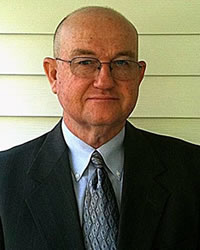
Gary Shepard

Precious Predestination

Romans 8:28-39
Gary Shepard May, 1 2016 Audio
0 Comments

Sermon Transcript

Auto-generated transcript • May contain errors

100%
Turn back in your Bibles to the
place of our reading there in Romans chapter 8. Romans chapter 8. The apostle
Peter tells us in his first epistle, that those which believe, or unto
those which believe, He is precious. That is, the
Lord Jesus Christ is precious. And I know this, I know also
that those who believe are given what he calls, like precious
faith. And so all who do believe, and
all to whom Christ Himself is truly precious, All his words are precious. Whether they come from his lips,
or whether they come from one of his apostles, such as this
man Paul. All his words, all his doctrines,
they're precious. And for that reason, I've chosen
as the title for this message, Precious Predestination. Precious Predestination. And I realize that most in our
day would really scoff at such a title. I realize that natural men and
women, especially religious natural men and women, they hate this
doctrine. They hate it because it is so
contrary to the idea of human works and merit. And so they are described in
Matthew 7 as one day standing before Christ and saying, We cast out devils in your name. We did many wonderful works in
your name. But then He'll say to them, Depart
from Me, ye that work iniquity. I never knew you. And our Lord said, Whosoever
is ashamed of me and my words." This is one of his words. Whosoever is ashamed of me and
my words, you can't separate Christ from His Word. He said, I'll be ashamed of them
before my Father, and before all the holy angels." But if you go back and you read
what the Apostle has written up to this chapter, if you have
some understanding of the state and condition in which he describes
all men and women by nature, Such as in Romans chapter 1 and
Romans chapter 3, none that doeth good, none that understandeth,
none that seeketh after God. And even in like Romans 7 where
Paul, even as a believer, still has to describe himself in this
way, O wretched man that I am. What you find in this chapter
then becomes absolutely essential. It is, as we say, the only way. And knowing and experiencing
these things, Knowing something about what God says He is, and
what we are, and all our inabilities, and natural rebellion. Knowing
and experiencing these things makes the doctrine of sovereign
grace. The doctrine of predestination
necessary. Absolutely necessary. And the truth is, this very doctrine,
this thought, this free grace of God, this precious truth,
it sustained this man Paul. And it has sustained and comforted
and delighted all true believers throughout the ages. You see,
Christ said, My sheep hear My voice. They hear My words. They find comfort and delight
in My words. And even though this is the case,
even though we find it so plainly stated in the Bible, and even
though we know it historically to be the strength and the encouragement
of God's elect through all the ages, in our day, there is hardly
a preacher who will preach it. And if he is forced by some circumstance
that he finds out of his hand, if he is forced to face it, he
seeks to delude it. Or he seeks to apply it only
to the nation of Israel. Or he speaks of it only to call
it heresy. He has no delight. to preach
it, feels no need to preach it. And the reason is because these
are the things that assure that God gives all the glory. Did you ever notice how the very
doctrines that men stand against and refuse to preach The very
ones they call heresy, as Paul said, they are the ones that
assure that God gets all the glory. And here's another reason they
won't preach it. They won't preach it because
it will not meet their goals and objectives. It will not produce
their numbers. It will not produce their visible
evidences. It will not build up their rolls,
and their boards, and their numbers, and all these things, the things
in which men glory. Oh, we had 500 in Sunday school
last week, or we built this great building, or we started this
program. You see, all those things glorify
what men have done, and this truth exalts and glorifies what
God has done. And predestination exposes us
for the real rebels that we are, It exposes us in our natural
self-righteousness, and it shows us to be the helpless wretches
that we are. It shows us the true need we
have for grace. I remember many years ago when
the Lord first began to open to my understanding this truth. And some of you were present
at that hour in the denomination, and as I began to preach it,
a very self-righteous man, a very self-exalted teacher, began to
circulate a book, a little booklet. And that booklet was written
by one of those sensationalist preachers that hate the grace
of God, but he entitled it, Predestined to Hell. No. No. But if you notice here in this
text, I don't see any negative at all. Do you? You can read
it through again and again, and you might be like the man who
read a similar portion to a fellow, and he said, do you believe this?
He said, not the way you read it. But how can you read this
and find any negative in it whatsoever? Because what we have here is
a very positive thing. As a matter of fact, in light
of what he said up to this chapter, surely we have to view this as
a very positive thing. Because he begins, like in this
29th verse, with two words. He says, "...for whom?" This is not just about events. It is in reality about individual
human beings. For whom? And he just uses that
and introduces that thought based on what he said in Romans 8.28.
Everybody loves Romans 8.28. They think they quote it all
the time. Oh, you know the Bible says that
all things work together for good. No, it doesn't. There is no general application
that can be made in these verses. What it says is, and we know
that all things work together for good to them that love God. To them. who are the called according
to His purpose, or according to purpose. He calls them on
purpose. Brother Mahan said one time,
everything God does, He does on purpose. He's never trying or attempting
or failing at anything. Everything that is done, God
does on purpose. He says here, for these, for
whom, and it does not just mean events, it surely does mean these
individuals. He says, for whom He. You see that little pronoun? He's talking about the living
God. He's not talking about God as
an individual views Him or wants to think of Him, and that's the
idea amongst most people in our day. God is simply who you want
Him to be. No. He's the unchanging, ever-living,
always the same thrice holy God for whom He, this has something
to do with what He's done. And therefore, such as you and
I are, the creatures, we're powerless to protest it, and even because
of this, it's too late. He's already done it. Somebody
said, well, God can't do that. No, this is about what He's already
done. For whom? He. That is, Almighty
God. He's already done it. And to
such who write such booklets as the man wrote, claiming to
be a preacher of God's gospel, if God, determined and predestined
every one of Adam's race to go to hell, what could you do about
it? What could I do about it? You see, men and women, they
don't mind saying things like this, well, God can do anything
He wants to. And then when you tell them what
He's done, we'll have none of that. He can't do that. This is what He has already done. God's already done it. As a matter of fact, where were
you and I when He determined to cast a third of the angelic
hosts into darkness, reserving them in chains of darkness? Nobody said, God, You can't do
that then. These mighty angels, they couldn't
say, You can't do that to us. This is what God has done. For
whom? He. And it says, for whom He
did foreknow. And this is not simply God having
prior information about it. That would simply make it just
another version of man's work. Salvation by man's work. God
did what He does based on what He sees man will do. That's foolishness. You see, foreknowledge with God
is foreordination. He foreordained. And most especially,
it has to do with forelove. He did this, and He did it as
an act of love. And that's exactly what Paul
writes in Ephesians chapter 1. That what he did in predestination,
he did it in love. And here are all these folks,
they talk about the love of God, but they don't talk about that
love in action. They talk about the grace of
God, but they don't talk about it as anything but them improving
on something that God did or something that He offered. No,
it says, for whom He did foreknow, He did predestinate. It's already done. Too late to
fuss, too late to feud over it, too late to try to change what
cannot be changed. He did predestinate. And rather than deny this, or
rather than fight against it, we need to find out what that
means in the light of all the Scriptures. God did something. Before you
and I were ever on this earth. Before Adam was ever created
in that garden paradise. Before he ever fell. Before the angel sang, it said,
he did predestinate. What in the world does that word
mean? And I can tell you this, if you
go anywhere other than the Bible to find it out, You're in trouble. You are in trouble. Because this
word used six times or so in the New Testament, it surely
is this word. But what it says and the doctrine
that it represents is everywhere from the book of Genesis all
the way to the book of Revelation. It simply means something like
this, to mark out beforehand. And it's not the notion like
men have, God has a wonderful plan for your life and if you
would let Him, He'd love to carry it out. No. For whom He did foreknow, forelove. These individuals, He did predestinate. That word proeriso is a word
that is close kin to the word from which we get the word horizon
from. Who determined the horizon? When you wake up in the morning,
is it your free will that determines where the sky and the land will
meet? Do you determine where the horizon
is? No way. He marked it out beforehand. He marked all these things out
beforehand. And right in the middle of that
word is that word, destiny. Destiny. But it's preceded by
that prefix, pre. Pre-destiny. And people and preachers
who do not feel like that they can interpret that the way the
Bible does, they try to interpret it in such a way as to keep it
from saying what it says. But it still says pre-destiny,
doesn't it? Oh no, we like to control our
own destiny. You listen to these sports figures
and people on television. What do you believe? Well, we
believe a man is in control of his own destiny. What utter rubbish! How many have set out to control
their own destiny and fallen so short of it No. He says they are predestinated. We know if you go down to the
bus station, will you just get on a bus that has no destiny,
no destination marked on it? If we applied the same logic
to human life, you might wind up in Kalamazoo, Michigan. You might wind up somewhere on
a plane headed for Mexico or wherever it might be. You want
to know ahead of time your destiny. And my friend, with the matter
of our souls and the matter of eternity, that's in the hands
of God. That is in the hands of Almighty
God. And this is not fatalism. Somebody
said, that's just fatal. This isn't fatalism or fate or
some impersonal force or something like this. This is what the thrice
holy God does. The only good being in the universe. The only wise being in the universe. It's a wonderful thing that the
only almighty, absolutely sovereign being of the universe is also
the only one who is essentially love and essentially good. This
is what He's done. If we could just think about
that. This is what God has done. And predestination is God's eternal
purpose and plan to make His people like the Lord Jesus Christ. Does that sound bad to you? That sounds good to me. to be
like the Lord Jesus Christ, to be like that perfect God-man,
to be accepted in that beloved One. You see, if you look at
that verse again, here is the objective of God in predestination. He says, "...for whom He did
foreknow, He also did predestinate to be conformed to the image
of His Son, that He might be the firstborn among many brethren." What is God's purpose in this
business of predestination? It's to conform a people to the
image of His Son. And if you really want something
to think about, you can just look at that verse without the
addition of the translators, without that additional to be,
and read it as it is, He also did predestinate, conform to
the image of His Son. You see, to conform is to make
of a like form one with another person. To render one like another,
or having the same form. Listen to what he says. Paul
is saying twice in Philippians 3, Oh, that I may know Him, and
the power of His resurrection, and the fellowship of His sufferings,
being made conformable unto His death." And that's passive there,
being made conformable. You see, if I'm made conformable
to the death of the Lord Jesus Christ, God's going to have to
make me so. If I ever am anything like Christ
in this sense that He is speaking of here, it will have to be a
work that God Himself does because He describes me in such a condition
in these previous chapters as being absolutely helpless and
hopeless so. Again, He says, "...who shall
change our vile body, that it may be fashioned or conformed
unto His glorious body according to the working whereby He is
able even to subdue all things unto Himself." He'll have to do it. And you
see, this is not the same word that we find in Romans 12 and
verse 2. where He tells us like this,
"...and be not conformed to this world, but be ye transformed
by the renewing of your mind." Different word. He says that He might conform
us to the image of His Son. In other words, predestination
has to do with God's Son. I'm just going to get rid of
predestination. I don't want to talk about it.
I don't want to deal with it. I don't want to face it. I don't
want it as part of my theology. I don't want it as a part of
my God. My God doesn't have anything
to do with it. Well, you just threw out Christ. If you come into the Scriptures
and you cut out every one of these portions out of your Bible
where that's at, you have left yourself with no Christ and no
hope. Man made in the image of God,
But that image was defaced by sin, defaced in the fall, and
so that we come forth now, shapen in iniquity, we come bearing
the image of the earthly. If God hasn't determined and
doesn't bring us into some kind of conformity to His Son, we'll
perish. Well, what does he mean when
he says conformed? Now, I can't misuse a verse of Scripture. I know preachers do, and I know
lots of commentators do, and all this. But when the apostle
Peter speaks of our being partakers of the divine nature, To take that and use that as
to say that we in some way become, as some have said, like Christ
in every way. I'm not buying that. You say,
why not? Because He's God manifest in
the flesh. And because that word partakers
there is translated other places and is close akin to a word that
means fellowship. We don't, like the Mormons believe,
I think, that we don't become little gods. We don't become
little Jesuses. But we are in some way conformed
to Christ. And as such, we are brought through
the exceeding great and precious promises of His gospel, we are
brought to have fellowship with God. We who are so fallen in
ourselves are brought to be able in Christ to have fellowship
with God. You can't even see the President. You can't see the billionaires. And yet the Scripture talks about
our having fellowship with God. How could we ever have fellowship
with God? Because we both look to the same
fellow. He laid help on one who is my
fellow. That's the Lord Jesus Christ.
He's God, He's man, all together in that one Person, absolutely
in every way, with the exception of sin, the same. How could I have fellowship with
God? Because I have been brought to
agree with God that this one fellow, His life, His death,
His blood, His sacrifice, His mediation, His redemption, everything. We agree on that. We agree on
that. But it has to do, first of all,
with standing. Standing. Now, there are people
who do not like the term positional. I don't care. How many times
does Paul speak of God's people being in Christ Jesus? It would take you a while to
search them out. If that isn't positional, if
that isn't in standing before God, I don't know what it would
be. We're in Christ Jesus. We're
standing before God in Christ Jesus. And so when you look down
in verse 30, he says, "...moreover, whom He did predestinate, them
He also called, and whom He called, them He also justified, and whom
He justified, them He also glorified." They have a standing before God. And it's all in Christ. It is
all in the Lord Jesus Christ. Because this calling here that
he is speaking of belongs to eternity. Now realize that there
is a calling that is spoken of Elsewhere in the Scripture, like
in 2 Thessalonians 2.14 and Galatians 1.6, that has to do with time
and experience. He calls all His people effectually. But this calling here means named. He didn't get it out of order
here. I've heard commentators take
these verses and they try to work it around so that it fits
their theology. They try to put this calling at the end. But if you'll notice here, it
follows predestined. Called. What did He do? He named them. That's what He
means. He named them. which is the same
as He chose them. And He wrote their names in the
Lamb's Book of Life. He named them. Don't try to fight
and make the Word of God fit your theology. He calls all His people. But here it means He named them.
He singled them out. He identified them. Wrote their
names in that Lamb's Book of Life. And it says that they are in
this standing, justified. Justified. What does that mean? It means that He counted them
and declared them to be righteous in Christ. That's the only way
we could be counted righteous. You see, God counts His elect
in Christ before His coming into the world in the same way He
does after He came and died. He views them as standing righteous
in Christ. Somebody said, no, it wasn't
until Christ died. Listen. Listen to God's Word
and not your logic. Because if they weren't such,
he could never have spoken long before Christ came of Abraham
and called him righteous. He could never have delivered
Lot out of Sodom were he not righteous." This is a standing
before the law and the justice of God. This is a declaration
by God. As Gil said, this is an act of
God, an imminent act of God. And the only way that God must
act in this way is if He acts in a just way. He called all
His people, named them, called them, declared them righteous
in the Lord Jesus Christ. And so when they come into this
world, they're His righteous sons in
Christ. They're not righteous in themselves. They never become in this world
righteous in themselves, no matter what you might think that they
might come. But they are in His sight. That's
the only way a holy God could love us. That's the only way
He could rightly bless us. That's the only way He could
accept us. And when He determined not to
impute the sins of His elect to them. He determined also to impute
to them the righteousness of Christ. And if you've got the righteousness
of Christ, if you're counted righteous in Jesus Christ, you're
justified. Justified. deal with us in some haphazardous
way? You see, He conformed us to Christ
because the righteousness of Christ is imputed to us, and
we view Him as He is and for what He's done, and only in Him
being justified by faith simply means that we count the righteousness
of Christ to be, and Him alone to be, the only ground upon which
God counts us righteous. We're justified by the one that
true faith looks to. We're justified, as Paul says,
by His blood. We, through God-given faith,
receive that, come to the knowledge of it, lay hold of it. But it
isn't our faith that does it. The righteousness of God, meaning
Christ's glorious person and His work. We believe He has made
Him to be sin for us, dying that death for our sins, that we might
be made the righteousness of God in Him, so that Paul says
in chapter 3, being justified freely without a cause in us. by His
grace through the redemption that is in Christ Jesus. It also means conformed as to
relationship. We are conformed to Christ in
this standing before God. We are conformed to Christ with
regard to relationship. What is the relationship of the
Lord Jesus Christ to the Father." He's His Son. Well, look over
in Ephesians chapter 1. In Ephesians chapter 1, like
I've tried to tell you many times, Most true Greek scholars believe
that the last two words of verse 4, they are actually the first
two words of the statement in verse 5. So he says, "...in love." This isn't an act of God whereby
He just acts frivolously, or as a tyrant, or as a host of
other things men had called him to be for such, he says, "...in
love, having predestinated us unto the adoption of children."
Oh, I like that. I like adoption. And all adoption,
all spiritual adoption, is in Christ Jesus, and it flows out
of divine love and divine predestination by Jesus Christ to Himself according to the good pleasure
of His will. Not free will. How can anything such as the
notion of free will permeate all religious thought on the
earth? When you read this book, it is
according to the good pleasure of His will. The notion that you and I in
our ignorance and blindness would have a better will for ourselves
than God is absolutely absurd. God is love. God is mercy. And you think that you can do
wiser and better and receive better at your will than His? No. Paul writes to the Galatians,
and he says, everything that God does in our experience flows
out of this. He says, and because you are
sons, God has sent forth the Spirit
of His Son into your hearts, crying, Abba, Father. John says,
"'Beloved, now are we the sons of God, and it doth not yet appear
what we shall be. But we know that when He shall
appear, we shall be like Him, for we shall see Him as He is.'" We are viewed by God as such. We are loved by God as such.
We're provided for by God as such. We're protected by God
as such. What will you do for your children? What will you do? If you love them, you'll do everything
you can to help them, to protect them, to teach them, to pray for them. You do everything.
Do you think the Father is less than that? You see, in Christ, by His predestination,
by His determination that we be so, we receive the adoption
of sons. We have a relationship with God. And then also, brought into conformity,
determined that we be conformed to Him in our experience. What was his experience? He was
despised by the world. He said, the world will hate
you because the world hates me. Tried. Tested. Wasn't Christ
so tried and tested in the wilderness? Rejected. Forsaken. Afflicted. Persecuted by false
religionists. But sustained through it all. Always sustained. Always held
up. Always kept. Brought to the fire, yes, but
carried through the fire. Trials, tribulations, yes, but
they are more precious than gold. Then conformed with regard to
an inheritance. An inheritance. Look down in
Ephesians 1 at verse 11. In whom, that is Christ, in whom
also we have attained an inheritance being predestinated according
to the purpose of Him who worketh all things after the counsel
of His own will." You're going to throw out predestination,
huh? You don't want to hear anything
about it. Well, shut your ears to any mention of an inheritance. Because everyone who receives
what he calls an eternal inheritance, receives it by predestinating
grace. Over in Romans chapter 8 in our
text, but back at verse 17, Paul says, if we're children,
if we're the children of God, If we are predestined, conformed
to Christ, in that we receive the adoption of sons in Him,
and if children, verse 17, then heirs, heirs of God, and joint
heirs with Christ. If so be that we suffer with
Him, that we may be also glorified together. An inheritance. Paul said, Wherefore thou art
no more a servant, but a son. And if a son, then an heir of
God through Christ. I love the word inheritance because it has no merit in it
whatsoever. Joseph, suppose I were your son.
And you are a wealthy man. You are rich in a lot of ways. But suppose you are wealthy and
I'm this sorry lad that bears your same name. And you die and
you leave everything to me. Somebody's going to say, boy,
that kid didn't deserve that. But that's what grace is all
about. If you in any way deserve it, it's not grace. What do you have to do to receive
an inheritance? Just be the heir. He says, if
you're a son, you're an heir. And a joint heir. with the Lord
Jesus Christ. Peter says, "...to an inheritance
incorruptible and undefiled that fadeth not away, reserved in
heaven for you." And you know that if this is
God's purpose, if this is His objective, He has to predetermine
every event, every detail in order to bring it to pass. Everything. Because if one little thing is
out of His control, that just messes up the whole thing. That would just mess up the whole
thing. Everything before the world began,
Everything including the fall of man. Everything being predestinated
according to the purpose of Him who works all things after the
counsel of His own will. Every detail. Christ said, even the number
of hairs on your head are numbered. Pretty simple with mine these
days. And after the chemo, it's a growing
number with my wife's these days. Every hair. That's about as minute
a detail. Every hair on the hair is numbered. Every event, especially the death
of Christ. You'd be surprised to know how
many people in this world think the death of Christ is just everything
going to miss. Everything out of control. God
unable to stop the hands of men. But Peter said, Him being delivered
by the determinate counsel and foreknowledge of God. and by wicked hands have crucified
and slain." When they all gathered up, Acts 4 Peter says, they gathered
together to do what God before determined to be done. Here it is. Verse 29 again. that he might be the firstborn
among many brethren." Now, to the great masses who say,
well, if you believe this, you're talking small God, small numbers,
this, that, and the other. He says, many brethren. He doesn't say all will be brethren,
but He says many. And I'll tell you what, I'll
take God's many over man's all any day. And dare we to think that He
who is described as the everlasting Father that He would not have
a sufficient number of children so as to bring glory to His name? He'll bring many brethren, many
sons to glory, the Apostle says. And that chief goal will be the
glory of Christ. I'm telling you, He is going
to get all the glory. God will not share His glory
with another. Christ will be the firstborn
of many brethren. He is the firstborn of all creation. The firstborn from among the
dead. The firstborn from the dead. His church is the assembly
of the firstborn who is registered in heaven. Not a few, but many. The head of a chosen race. Brethren,
brought into fellowship with himself and with the Father. All because of the will of God.
And all for the glory of God. And all through the work of God. The will of God conforms us to
Christ. the good pleasure of His will,
the work of God conforms us to Christ, He works all things,
the grace of God conforms us to Christ, is to the glory of
His grace, and the Spirit of God conforms us to Christ. Because everyone that He chose
to salvation, Paul says, whereunto he called you by our gospel." The fact that he calls us in
that he names them assures that he calls us through his gospel. We declare this truth because
it is God's Word. We declare it because it's essential
if we have a proper view of God. We declare it because it's necessary
to know what grace really is. We declare it to humble the pride of sinners. We declare it to assure and strengthen
true believers in the certainty of their salvation. We declare
it that we might be stirred to love and praise and serve the
Lord God for His special grace and mercy to us. We declare it that His people
might be excited and encouraged to good works. It's not just higher doctrine. It's not just for mature believers. It's virtually the first thing
that God sent Paul down to Ananias to hear. He said, God's chosen you, determined
that you would see His Son, hear His Word, You're saved because God determined
it. And if you're saved, it's because
God determined it. If anybody else is saved, it's
because of God's predetermined purpose that He gave to His people
in Christ before the world began. And that's precious. That's precious. God's precious in all that He
is, and He's precious in all that He does. And He says what
He's done. Our Father, this morning we give
You praise and honor. We give You thanks. We give You
all the glory that poor, miserable sinners can give You. We lift
up praise such as we are able to, and we thank you. We are thankful
that you determined to have mercy on us. You did not leave us to
our wills or our ways or our works, but you saved us for your
glory. We thank you and pray that you
would ever bow our hearts before it. Enable us to trust you and
believe on your Son. We thank you in His name. Amen.
Gary Shepard
About Gary Shepard
Gary Shepard is teacher and pastor of Sovereign Grace Baptist Church in Jacksonville, North Carolina.

Comments

0 / 2000 characters
Comments are moderated before appearing.

Be the first to comment!

Joshua

Joshua

Shall we play a game? Ask me about articles, sermons, or theology from our library. I can also help you navigate the site.