Bootstrap
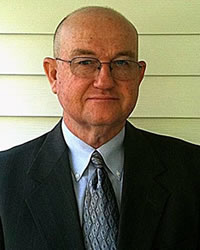
Gary Shepard

Thoughts For An Expected End

Jeremiah 29:11
Gary Shepard April, 17 2016 Audio
0 Comments
Gary Shepard
Gary Shepard April, 17 2016

Sermon Transcript

Auto-generated transcript • May contain errors

100%
Please turn back to the book
of Jeremiah, where we read chapter 28, but
I want you to look with me in chapter 29. I know that as we look at all that is going on in the world
around us at the present hour, and are filled with such wonder
as to why this is the way it is, or that is the way it is, We might ask this question, what is God thinking? What is God thinking? I can't say that I know in everything, but I do know what He's thinking
concerning His people. He refers to them as My people. Christ came to save His people. And I know that the day in which
we live is very much like the day in which Jeremiah lived. Israel was in captivity to Babylon. When you read these chapters,
you read of that captivity, And you find out that their captivity was because of sin. And their captivity, because
of sin, is a picture of ours. How men are born in this world, Self-deluded, Satan-deluded,
naturally deluded into thinking themselves to be free. But we are slaves to our nature
of sin, and we are captives of Satan in our natural state. And therefore, Jeremiah, as the
prophet of God, and truly every servant of God, must act and
speak as the Lord commands. Paul told Timothy the same thing. He said, the servant of the Lord
must not strive, but be gentle unto all men, apt to teach, patient,
in meekness instructing those that oppose themselves, if God
peradventure will give them repentance to the acknowledging of the truth."
and that they may discover, that they may recover, rather, themselves
out of the snare of the devil, who are taken captive by him
at his will." They are taken captive by him
at his will. And so God commanded this prophet
Jeremiah, who was his true prophet, to send a letter from Jerusalem
to these captives and to speak according to what the Lord says. He had a word from God. Even in this hour, he had a word
from the Lord. And he had that word because
God gave it. He had that word just like in
this day, God has a word for His people, and it is the gospel. It is a report. It is a message
from God, and it is good news from God. But the message of the gospel,
just like the message in Jeremiah's day, did not appeal to the flesh. It was not news of the kind of
deliverance that they wanted. Jeremiah prophesied they would
be in captivity for seventy years. But by nature, they wanted the
kind of prophecy that the man Hananiah had just spoken. He said, two years and the bondage
of Babylon will be broken. And so Jeremiah, after first
agreeing, or saying in so many words, I hope your prophecy is
true, he departs and he leaves, but God speaks to him. And so
in chapter 29 it says, "...these are the words of the letter that
Jeremiah the prophet sent from Jerusalem unto the residue of
the elders which were carried away captives, and to the priests,
and to the prophets, and to all the people whom Nebuchadnezzar
had carried away captive from Jerusalem to Babylon." This was
a letter that was sent to all. It was a word of the Lord that
was sent to all. And in this letter, God warns
them particularly of two things. If you look in verse 8, He says,
"'For thus saith the Lord of hosts, the God of Israel, let
not your prophets and your diviners that be in the midst of you deceive
you.'" Hananiah pretends to speak for
God. And he speaks a prophecy that
you naturally want to hear. But do not let these deceivers
delude and deceive you. I have not sent them." And in
the New Testament it tells us, try the spirits whether they
be of God or not. And the prophecy that was given
according to Jeremiah is only a true prophecy if that which
is spoken by the prophet comes true. But we have a better standard. Only that which is spoken that
is true and consistent with the written Word of God is true. Peter called it a more sure word
of prophecy. And the second thing that he
warned them about was this, also in verse 8, he says, "...neither
hearken to your dreams which ye cause to be dreamed." In other words, do not be deceived
by these false prophets and deceivers, and don't deceive yourself. The dreams that you cause yourself
to dream, don't believe in your own fantasies, in your own logic,
No matter what it is, if it is not according to God's true Word,
it's no better than a dream. All the opinions, all the theories,
all the thoughts, all the beliefs of men and women not founded
in the Word of God will prove a deadly dream. In Isaiah he says this, "'It
shall be as when a hungry man dreameth, and behold, he eats,
but he awakes, and his soul is empty. Or as when a thirsty man
dreams, and behold, he drinks, but he awakes, and behold, he
is faint, and his soul hath appetite.'" It may seem to satisfy you temporarily. It may seem to be logical to
you naturally. It may seem to be the very thing
that you want to believe. But he said, it'll be just like
you lay down hungry, you dream a dream that you're full, but
when you wake up, You're still hungry. You're still empty. But in the midst of all that
was said to these people, in the midst of all of this prophecy
concerning a continuing overall captivity, God makes a declaration. And he distinguishes what men
say naturally that he thinks to what he really thinks, and
most especially what he thinks pertaining to his true people. Look at what he says in verse
11. He says, for I know the thoughts
that I think toward you, saith the Lord, thoughts of peace and
not evil, to give you an expected end. Now what he is doing here is
not only distinguishing what his true thoughts are toward
his people in spite of what such as Hannah and I say, but what
his true thoughts are to his people even in the midst of a
time and situation of captivity that they were surrounded by.
at this hour. And every part of it is worthy
of our notice. Every part of it is to be taken
as God's Word, neither the opinion of men or our own opinion, because
He begins by saying this, for I know, This is God, and He says to us,
I know. In other words, these false prophets
didn't know, and still don't know, and neither did the people
of God at that time, but God knew. I don't know how many times in
this book we're reminded by God that He knows. I know. And God not only knows,
but the only ones that also know apart from God are those He tells. Those He gives ears to hear. Those He reveals His knowledge
to, which is called the knowledge of the truth. We only know of
what God knows and what God thinks by that which He reveals to us. He reveals things He knows in
His Word, but we have no understanding, no ability, no faith to apprehend
or comprehend what He says in His Word. But by His grace, He says, I
know. For the Lord knoweth the way
of the righteous, but the way of the ungodly shall perish."
In other words, He distinguishes this knowledge so as to make
the knowledge He has of His people and the things that concern them
to be something He delights in. He loves. He desires to see come
to pass. In Psalm 37, he says, the Lord
knows the days of the upright, and their inheritance shall be
forever. He knows. And so, when Paul writes to Timothy,
he says in 2 Timothy 2, "...but shun profane and vain babblings,
for they will increase unto more ungodliness. And their word will
eat as doth a canker, of whom is Hymenaeus and Philetus, who
concerning the truth have erred, saying that the resurrection
is past already, and overflow the faith of some." But he says, nevertheless. That
was the way it was in Jeremiah's day, in Ezekiel's day, in every
other day, and that's the way it is in every other age and
time since the fall of Adam. But nevertheless, the foundation
of God standeth sure having this seal, the Lord, knows them that
are His. And let every one that nameth
the name of Christ depart from iniquity." Let every person, not just cease
from sinning, but most especially, let every one of His depart from
any effort whereby they would seek to save themselves, or please
God, or add anything to what He's done. That's all iniquity. But the Lord knows them that
are His. And so Peter writes virtually
the same thing, and he says, the Lord knows how to deliver
the godly out of temptations and to reserve the unjust unto
the day of judgment to be punished. He knows. And so he begins this
statement with that reminder to us. It isn't what you think,
or I think, or this preacher thinks, or that one thinks, or
whoever it is, this philosopher, this celebrity, it doesn't matter
who it is, the Lord knows. He says, I know. And what does He know? He says,
I know the thoughts that I think toward you. I know the thoughts." You see, when we read this Word,
and God is pleased to open our understanding of it and give
us to hear, we are actually entering in to the thoughts of God. He said, I know the thoughts
that I think. Toward you. Toward you. And the first thing that we would
have to acknowledge in the light of all the Scripture is this,
they are not the thoughts that you and I naturally think. God
gave us a great example of that in the man-naming. And Naaman
stands as a sinner, a man who is leprous, which is a picture
of sin, and when he is confronted by the prophet of God that comes
down, sent to where he is, he responds first of all to what
the prophet says in this way, but I thought, I thought, And that's the way it is with
us all by nature. And that's especially the way
it is in our day. When anything pertains to God
is spoken of or mentioned, when anything that pertains to our
condition, what we are before God, everybody's got their own
thoughts. Let me tell you what I think.
It doesn't matter. That's the truth. It does not
matter. Because we can think something
all we want to, and that doesn't change the reality and the truth
of it, not one iota. He says, which of you, by thinking
or by willing, can add one cubit to your statue? Well, let me
tell you what I think. Well, if what you think means
so much, why don't you think yourself into losing those 15
pounds that you've been wanting to lose? Or if what you think
changes everything, if what you will means so much, why don't
you will yourself into having that million dollars you've always
wanted? I thought about it this morning. How many people in a place and
in a situation just like we mentioned this morning, such as Ecuador,
how many of those people had you asked them just prior to
that trembling that began beneath their feet, do you think everything
is going to be alright today? Do you think we'll have an earthquake
today? Do you think the buildings will crumble today, that people
will die under the force of those falling objects? Do you think?
No, I don't think so today. But it didn't change one thing. And He does not think that we
are what we think we are. He does not think that man's
work and man's will and man's worth will be acceptable in his
sight, but rather thinks that what we call good works for the
most part are nothing but sin. How many times have we read or
heard quoted A portion of a verse of Scripture wherein God says,
My thoughts are not your thoughts. We do that often. But what that verse of Scripture
and the verses surrounding that verse of Scripture have to do
with is our standing with God. Not who you think ought to be
president. And so, in Isaiah 55, he says
this, let the wicked forsake his way. What's that? His way of being righteous before
God. His way of being accepted by
God. His way of being pleasing in
God's sight. His way of going to heaven, whatever
you want to use. He says, let the wicked forsake
his way, and the unrighteous man his thoughts. And let him
return unto the Lord, and he'll have mercy on him. And to our
God, for He will abundantly pardon, For my thoughts are not your
thoughts, neither are your ways my ways, saith the Lord. For
as the heavens are higher than the earth, so are my ways higher
than your ways, and my thoughts than your thoughts." You see, there's a way that seems
right to us. There's a way that we naturally
think is right. And it always, in one way or
another, has to do with something that we imagine ourselves to
be, or that we're trying to become, or something that we've done,
or experienced, or felt, or whatever it is. But he says, the ways
thereof. That's the way of death. You see, you only find out the
way of life by what God says. And what He says is this, He
says that the thoughts to His people, they're always the same, because
His will and His purpose and His thoughts toward them, they're
always the same. I know the thoughts that I think
toward you. Because God's thoughts toward
His people, they're unchanging. He's not some fickle-hearted
or fickle-minded being that is one thing one day and another
thing the other day. He's always the same yesterday
and today and forever, and His thoughts toward them, they arise
out of His everlasting love for them. Sometimes they are even found
ashamed of the thoughts that they think toward Him. But it doesn't change the thoughts
that He thinks toward them. I know the thoughts that I think
toward you. Those in captivity thought that
His way of dealing with them was their destruction, But it
was really their deliverance. He sent them into captivity for
70 years for their good. You can go back in Jeremiah 24.
where it says, "'Thus saith the Lord, the God of Israel, like
these good figs, so will I acknowledge them that are carried away captive
of Judah, whom I have sent out of this place into the land of
the Chaldeans for their good.'" You see everything. from the
fall of our father Adam in the garden to everything that has
transpired from that time, not to say anything about before
that time, but from that hour and that time right down to this
present hour and what's going on right now is for their good. You say, what is God thinking
in all this? He's thinking the thoughts of
grace and mercy and salvation to His people. You see, God's purposes and His
providence toward His spiritual Israel are for their salvation. And the blessed thing is, what
God thinks toward them, that's what He does. He doesn't think about saving
them. If He has thoughts of their salvation, He saves them. He
doesn't just think about blessing them in the sense like you and
I do. We think, but we're not able
to deliver. If He thinks these thoughts of
grace and mercy and salvation to them, they'll everyone have
it. And they'll change, and they
often do, up and down and in and out. But He's the One who
works all things after the counsel of His own will. Known unto God
are all His works from the beginning of the world. He knows what He thinks. And
what does He say that His thoughts are toward His people? Thoughts
of peace. Thoughts of peace. You know,
there are a multitude of people in this world who right this
very hour are looking for some kind of peace. Peace of mind, peace of life,
peace in a war, some kind of peace. But there is no peace of any
kind about anything apart from the God of peace. That's right. And we're like this. Here's a
bucket of cool, fresh water. Sign on the bucket says, this
is water, clean, pure, fresh, drinking water. And we're standing there with
a shovel, digging holes all around it. Trying to make ourselves
a well. Trying to dig up some water.
Trying to get something to quench our thirst. Worrying ourselves
to death. Wearing ourselves out. Fast approaching
eternity. And we're digging. And we're
seeking. Well, I think maybe this will
help satisfy this thirst. But it won't. But his thoughts toward his elect
are thoughts of peace. That is, to bring them into peace. Not thoughts of evil. Here were
these people, they were living in a state of captivity. They were living in some probably
harsh conditions. They were having to work and
do all these things. But his thoughts toward his people,
they were not thoughts of evil. But they were thoughts of peace.
Let me read you a verse that is one of the most marvelous
verses. You can turn there if you want.
It's in 1 Thessalonians chapter 5. 1 Thessalonians chapter 5. And
there the apostle writes to these people at a place called Thessalonica,
and he says one of the most amazing things here. You know, this is a letter too. The book of 1 Thessalonians is
simply a letter. And all the epistles in the New
Testament, they're all just letters. As God moved these apostles to
write these to His people, what does He say? For God hath not
appointed us to wrath. Now I'm telling you what, you
could do every work in this world. You could walk down an aisle
a dozen times. You could be dipped in somebody's
water pool or sprinkled by somebody's holy water. You can do anything. But it will not give you peace
in your heart until God enables you to believe just what He said. For God hath not appointed us
to wrath." Is that really true? To those he enables to believe
that, it is really true. is true to all His people that
He gave to Christ, and Christ went to that cross and redeemed
them by His precious blood. That's the evidence of it. He
has not appointed us to wrath. Does our sin deserve wrath? Oh
yes. But He laid that wrath. on the head of Christ. For God
hath not appointed us to wrath, but to obtain salvation by our
Lord Jesus Christ, who died for us, that whether we wake or sleep,
we should live together with Him." That's right. Whether we wake, Whether we're
asleep, we're always living in Christ. We always have our life
in Him. And His thoughts to His chosen
people are toward them and for them in Christ. And He sent Christ
to accomplish the things necessary for our peace. And Christ is
Himself the Prince of Peace that God has appointed, and He is
the only way that there can ever be peace between God and a sinner. Look over in Colossians chapter
1. There's so much here, but I just
want you in conjunction with what he's saying here, these
thoughts of peace. You see, the gospel is a revelation
of God's thoughts of peace to His people, but how is it? Look
at verse 20. Speaking of Christ, Paul says,
"...and having made peace, through the blood of His cross. He made it. He made it through
His cross death. He made it through His shedding
of blood as a sacrifice for our sins. And having made peace through
the blood of His cross by Him to reconcile all things unto
Himself by Him, I say, whether they be things in earth or things
in heaven, and you that were sometime alienated and enemies
in your mind by wicked works, yet now, hath He reconciled in the body of His flesh through
death to present you holy and unblameable and unreprovable
in His sight." What a wonderful three verses. He made peace. He reconciled
us to God. He made us to stand holy and
unblameable before God through His death in our place. And so that's why he calls his
gospel the gospel of peace. Good news. Glad tidings. Can you just imagine some soldier
somewhere like in World War II out in a far away island in the
Pacific? He's been under a barrage of
fire. He's seen his buddies die all
around him. He's seen people get wounded
and have to be carried off. He's gone without food and maybe
without water, and he's just under a constant barrage from
the enemy. And then all of a sudden everything
stops. And the word gets transferred
from foxhole to foxhole. The war is over. Just lay down your weapons, crawl
out of your foxhole, Because the war is over. And that's what God is saying
in Christ through the Gospel. That His thoughts toward His
people are peace. Peace, peace, peace. But not only that, it says His
thoughts and His purposes are toward them for peace to bring
them to an expected end. An expected end. To give, that means it will all
be by grace. To give them and bring them to
an expected end. What will our end be? What is
our expected end? We can only by His grace answer
this question. that the psalmist asks in Psalm
39, Lord, make me to know mine end. Well, what is your expected end? Well, I'm hoping to go to heaven. Expected end. Balaam, who was a false prophet,
said this, "'Let me die the death of the righteous, and let my
last sin be like his.' But it wasn't." You see, the Lord thinks of His
people only in Christ. All of His elect are chosen.
in Christ, redeemed by Christ, brought to life in faith in Christ,
and will end up like they began before the foundation of the
world in that everlasting covenant, which is blood fully ratified,
they'll still be in Christ. You see, God's thoughts were
thoughts of peace, thoughts of good when He chose
them in Christ and gave them to Christ. His thoughts were thoughts of
peace when He counted us righteous and imputed to us the very righteousness
of Christ. His thoughts were peace to them
when He sent them the gospel of peace. And when His Spirit
brings that peace to our hearts, His thoughts were always peace
to us. You say, well, what about this?
Or what about that? Always working us to peace. Always
guiding us and bringing us back to Christ for peace. always his thoughts, brings us to a happy issue, an
end and a desired expectation. Because I can tell you this, his expectations for his people are far greater and far more
wonderful and far more marvelous than you and I could ever expect
of ourselves. He didn't do what he's done just
to see how everything turns out. He's worked it all. to an expected
end. He'll give them not the expectation
of their fears, nor the expectations of their fancies, but the expectations
of their faith. The end which He has promised
and which will turn for the best to them. There's always a set
time to favor Zion. So, they'll everyone be brought to fully and freely be completely
saved from their sins and totally accepted by God in the Beloved. They'll everyone be brought to
have their vile bodies changed so as to be like the glorified
Christ who has redeemed our bodies as well. They'll everyone be
brought to stand gloriously received in the presence of God and all
the holy angels. And they'll everyone be brought
to dwell in his presence worlds without end and serve him forever. and that everyone be brought
to worship God free of all sin and with a far greater understanding
and far greater capacity than they do now. The hope of the righteous shall
be gladness, but the expectation of the wicked shall perish. May we be found like the psalmist
who said, My soul wait thou only upon God, for my expectation
is from Him. What is God thinking? Well, I'm sure there are a lot
of things that I don't or could never Think as he does. This is what he thinks toward
his people. I know the thoughts that I think toward you, saith
the Lord, thoughts of peace and not of evil, to give you an expected
end. May the Lord help us to rest
in Him. Expect from Him. Father, this morning we give
You thanks for Your precious promises that You have made to
be yes and amen in Your Son. We know that we are unworthy
of Such precious promises. We know if left to ourselves,
our end would be truly unending judgment and separation from
You. Help us to look to Christ. To trust and rely upon Him. to believe what you say about
what He's accomplished in His life and death for us. Help us to think as you think
and as you say that it might give peace to our hearts. Watch
over us as we go out into this coming week. Keep us. Guide us, provide for us, help
us as it pleases you. For we pray in Christ, Amen.
Gary Shepard
About Gary Shepard
Gary Shepard is teacher and pastor of Sovereign Grace Baptist Church in Jacksonville, North Carolina.

Comments

0 / 2000 characters
Comments are moderated before appearing.

Be the first to comment!

Joshua

Joshua

Shall we play a game? Ask me about articles, sermons, or theology from our library. I can also help you navigate the site.