Bootstrap
Gary Shepard

The Hearing Ear

John 8:47
Gary Shepard August, 23 2015 Audio
0 Comments
Gary Shepard
Gary Shepard August, 23 2015

Sermon Transcript

Auto-generated transcript • May contain errors

100%
Turn back, if you would, to that
eighth chapter of John where we had our reading. I was just
noticing in the last hymn that we sung, something that was written by
the hymn writer the late 1700s. He evidently knew something about
what I want to talk to you about this morning. In the last verse
of that hymn, O Thou in Whose Presence, he wrote, Dear Shepherd,
I hear, and will follow Thy call I know the sweet sound of thy
voice. Dear Shepherd, I hear." The necessity of salvation being all of grace
and all by the work and power of God alone is plainly demonstrated in the
Scriptures in so many ways. We must be saved. And there are so many things
and so many pictures that show us the sinner's condition. by disease, by death, all these
many things. And one of those things has to
do with our being deaf, has to do with ears, has to do with
hearing. You see, those that Christ is
speaking to here In John chapter 8, they had a claim on God. As a matter of fact, they said,
God is our Father. And they had a very public, they
had a very sincere, they had a very devoted profession of
religion. They had a claim to Abraham as
their father, their national father. And they were the seed
of Abraham naturally. They descended from the man Abraham. But that did not make them such
spiritually. What we think that we are does
not make us anything. As a matter of fact, it leaves
us as what we really are. Naaman said, I thought. But by his thinking, he could
not cure his leprosy. is described as the friend of
God. But the promises that God made
to Abraham, though He did make a promise to him after the flesh,
but the promise that He made to Abraham had to do with a seed. And Paul tells us that that seed,
singular, is Christ. But he had also promises that
were made to his seed, that is, in the plural. And they are his
spiritual seed. Abraham is called in Scripture,
their father. Paul says in Galatians 3, "...know
ye therefore that they which are of faith, the same are the
children of Abraham." But these people, they demonstrated as
men in all ages do, They demonstrated that they were not this seed. They demonstrated that they were
not the children of God. And we know that by what Christ
says of them. If you look down, In verse 37
of John 8, he says, I know that you are Abraham's seed, speaking
of his seed after the flesh, but notice the last part, but
you seek to kill me because my word has no place in you. Then if you look at verse 9,
They answered and said unto him, Abraham is our father. Jesus saith unto them, if you
were Abraham's children, you would do the works of Abraham."
And of all the works that Abraham did, the one we read about in
the Scripture several times is this, it says, and Abraham believed
God. And then if you look down in
verse 40, he says, But now you seek to kill me, a man that hath
told you the truth which I have heard of God. This did not Abraham. You do the deeds of your father. Then said they to him, We be
not born of fornication, as if to say Christ was. We be not
born of fornication. We have one Father, even God. Jesus said unto them, If God
were your Father, ye would love me. For I proceeded forth and
came from God, neither came I of myself, but He sent me. Why do you not understand my
speech? Even because you cannot hear
my word." Ye are of your father the devil, and the lust of your
father you will do. He was a murderer from the beginning,
and abode not in the truth, because there is no truth in him. When he speaketh a lie, he speaketh
of his own, for he is a liar, and the father of it. And because
I tell you the truth, you believe me not. Which of you convinceth
me of sin? And if I say the truth, why do
you not?" Believe me." You see, the thing that Christ
pointed out here as being the evidence that they were of their
father, the devil, was simply this. They did not believe Him
as He told them the truth. And what he says, he says in
verse 43, describing this condition, he said, you cannot hear my word. You cannot hear my word. Well, let me ask you this. Don't
you suppose that they, just like you and me, had ears on their
head? Evidently, there was some natural
hearing to what he said because they rejected what he said. And they, in turn, sought to
kill him. Don't you think they had Natural
ears? They surely had natural ears,
but they did not have the spiritual ear. And so, look at what he says
in that 47th verse, which is actually my text. This is what
Christ Himself says. This is words coming from the
very mouth of the Son of God. He says, "...he that is of God
heareth God's words. Ye, therefore, hear them not,
because you are not of God." God. Here are all of these who
claimed God as their Father, and He says to them, you hear
them not, because you are not of God. Because he that is of
God, Here's God's Word. We have to know, if we know anything
about the New Testament especially, that He is talking here about
being born of God. He that is of God, that is born
of God, heareth God's Word." As a matter of fact, they are
those who truly do have God as their heavenly Father. This same apostle writes in 1
John, and he says this, "...whosoever Believeth that Jesus is the Christ."
And that certainly means more than to just believe in Him or
that He exists. He says, Believeth that Jesus
is the Christ. He is born of God. There are a lot of people in
this world who believe in Jesus. but not as He is described in
the Scriptures, Old Testament and New, as the Christ. That's the Anointed One of God. But whosoever believes that Jesus
is the Christ is born of God. Turn back over to John chapter
1. And look at John chapter 1 as
John describes the reason why, after most reject Christ and
will not receive Him as He sets Himself forth in the Scripture,
he says, "...He came unto His own," verse 11, And His own received
Him not." That is exactly what's happening in John 8. These Jews,
His own earthly national people, they were not receiving Him.
But notice the next verse. But as many as received Him,
there were those who did receive Him. There were those who did
not have the devil as their father. There were those who did hear
him. But as many as received him,
to them gave he power to become the sons of God, even to them
that believe on his name." Some did hear Him, some did receive
His words, some did believe on Him. But look at verse 13, "...which
were born, not of blood, nor of the will of the flesh," and
note this one, "...nor of the will of man, but of God." They
didn't believe because they were a nationality or from a particular
family. They did not believe and receive
Him because they were of themselves good, essentially good. And they did not, because of
a decision of their will, receive Him. They received Him because
they were born of God. They were born from above. And
this is more than simply the new birth, though that is absolutely
essential. Christ saying in John 3, you
must be born again. You must be born of God. You
must be born from above, or you cannot even see or enter the
kingdom of God. But when he says of God here
in John 8, it means that and more. This means to be brought
forth by God as the object of His grace. It means to have been
chosen by God. Chosen to be His own children. It means to be brought forth
by God in that everlasting covenant and so much more. These who hear
His Word are of God. And the characteristic again
of these who are of God is that they hear God's words. And hearing, as it absolutely
has to be here, hearing is hearing so as to believe and to understand
and to act on what is heard. My wife accuses me of having
sometimes bad hearing. And the reason she knows that
my hearing must not be very good is because I don't act on what
I've said that I heard. Sometimes I think she accuses
me of having selective hearing, and maybe that's the case. But
to hear, in this sense, and in the true sense, to hear is to
just more than audibly receive into our natural ears a sound. These who hear God's Word, receive
His Word, they are of God. The reason that they hear what
He says is because they are of God, and the evidence of that
is it doesn't, as we say, just go in one ear and out the other
ear. They hear so as to also understand,
and from that understanding to will and to act. or maybe to cease from acting. But not all will. Not all will
hear. Not all will believe. Not all will receive. Why? Because they're not of God. You
see, the only reason that the Lord's people hear is because
of His grace, is because of His choice, because of His will. And men and women left to themselves,
they do not hear because they will not hear. They will not
hear. They do not have ears to hear
His words. When the prophet is describing
the idols that men make, he says, they have ears but they hear
not. But then he says this, and they
that make them and worship them are like them. They have no ears. And when you read in the Revelation,
turn over to Revelation chapter 2, and listen to this same apostle
here in the book of the Revelation expressing this as he writes
to all these seven churches in Asia Minor, and giving instruction
throughout all these two chapters. Look at Revelation 2. In verse
7, he says, "...he that hath an ear, let him hear what the
Spirit saith unto the churches." In other words, to each of these
churches, but in truth to all of the Lord's people, He has
something to say, mostly about Christ. And what does he say
then? He that hath an ear, let him
hear what the Spirit saith unto the churches. Look down in verse
11. Again, he that hath an ear, let
him hear what the Spirit saith unto the churches. Again, doesn't
everybody have ears? They don't have these ears. The
message of the gospel, though it falls on deaf ears naturally,
will be heard by some people. Look over in verse 17, "...he
that hath an ear, let him hear what the Spirit saith unto the
churches." Verse 29, "'He that hath an ear, let him hear what
the Spirit saith unto the churches.'" And he goes on again and again
with this through these second and third chapters in speaking
this message, and at the end of each of these groups of statements,
he says the same thing. "'He that hath an ear, let him
hear,' what the Spirit saith unto the churches." In other
words, the gospel, the word and gospel of Christ as it is taken
by the Spirit is a message to His people. And they're going
to hear it. They're going to hear it. Because
he's not talking here about the physical, natural ear, he's talking
about the ear of faith. He gives his people, as you read
in Ephesians 2, the gift of faith. And that faith is the faith that
is given to believe and receive what he calls the word of faith,
the gospel. The gospel is preached, the word
goes out, he says, for obedience among the nations. The gospel
is heard by the people of God and is therefore obeyed. Somebody says, well now, what
is there to obey about the gospel? Well, he tells us that he will
bring his vengeance against those who obey not the gospel. You see, the gospel is a command. It's not an invitation so much.
It is a command of God. to cast off everything else and
believe on the Lord Jesus Christ. These Jews, they knew in their
minds what Christ was saying. They recognized by their natural
ear and understanding what He was saying and what it meant,
especially to them in their religion. but they wouldn't hear it. It
amounts to this, they were saying, we'll hear none of this. But the people of God, even though
the preaching of the gospel falls for the most part on these deaf
ears, the Spirit of God is pleased to give this hearing ear of faith
to the sheep of God. to his people, and he does it
as the gospel is preached and read. You say, are you sure of
that? Well, Paul says in Romans 10,
so then faith comes by hearing, and hearing by the Word of God. You see, in order to hear something,
Something has to be said. And the ear of faith that God
gives to His people is the ear that hears what He says above
everything else. And the life that the Spirit
gives in the new birth is evidenced by this faith, by this hearing. And those who are born of God,
they believe the Word of God. Now, I know there must be millions
of people, and they claim that they believe the Word of God. I believe the Word of God." That's
the easiest thing to say, and they'll thump their hand on their
Bible at the same time. But the amazing thing is, when
you go to describe from the Word of God, Christ as He is, God
as He is, men as they are, they're just bewildered. Never heard anything like that.
Don't want to hear any more about that. And so it goes to them,
as we use in our description, the gospel goes to them like
water off a duck's back. And it does to everyone except
those who are of God. And what do they do? They hear. God's Word. That is, they receive
the Word of God and they believe on Christ not as some kind of
mythical figure or historical figure, but they believe on Him
as He is revealed in the Scriptures. How do you know? who Jesus is. How do you find out the true
Christ from Antichrist? How do you distinguish the one
Paul calls the Lord Jesus Christ from those he refers to as another
Jesus? When we hear His Word. And the problem in our day and
in every age is that men and women cannot have heard the Word
in this sense because they've never heard the Word. Because
everything from pulpits all over this land and in every kind of
religion, everything has to do with everything but Christ. We'll all gather together, we'll
sing. We'll get together, we'll eat. We'll all have this social connection. We'll all do all these things. We'll have this one talk about
morality issues. We'll have this political action
group. We'll do all these things, but
we won't hear God's Word. We won't really hear what God
says in His Word about who He is and what we are. And this spiritual hearing, when
the Lord is pleased to give it to us, is like when a person
with little or no ability to hear gets a new hearing aid. I don't know how many people
over the years that I've known before they got them. And then
all of a sudden, they get a new hearing aid or a problem with
their hearing cleared up, and the next thing is, I never heard
those sounds before. I never heard that music that
is now so sweet to my ear. I never heard that. Or like it
was in Scripture, those that Christ came to who were literally
and physically deaf, and He put His hands in their ears. Or He
made up spittle and told them to go and wash in the pool of
Siloam, or whatever it was. But He gave them hearing. He
caused them to hear. And you see, the thing is, God
has to give this ear. That's why I'm saying to you
this morning, That our state is such, naturally, that though
we hear, we don't hear. God has to give us this ear. That's what the writer of Proverbs
tells us. When he says in verse 12 of chapter
20, "...the hearing ear and the seeing eye, the Lord hath made
even both of them." You see, we preach the gospel of God's
glory and His grace in Christ to all. We don't look and try
to decide who it is that hears. He commands His gospel to be
preached to all creatures, all nations. But we preach it knowing
also that though all by nature cannot and will not hear, We
know that God has promised that He'll give ears to some, and
they will hear. If you go back to the book of
Isaiah and read through the book of Isaiah, one thing that you're
going to find on one hand is this. He tells the prophet, he
does this to Ezekiel too, he says, you're sent to a rebellious
people who have not ears, they will not hear. And then it won't
be long before you'll read one of those covenant promises when
he says, but I'll unstop their ears." I'll cause them to hear. I'll give them this hearing ear
of faith. And so that's what he's saying
there in John chapter 10 concerning the sheep. He tells those Pharisees,
he says, you believe not because you're not of my sheep. But then
he says this, My sheep hear my voice." In John 10, verse 16,
he says, "...of the sheep I have which are not of this foal, them
also I must bring, and they shall hear my voice." And then he says
in verse 27, "...my sheep hear my voice, and I know them, and
they follow me." They who hear are of God." And if you turn
back to John chapter 6, look at verse 45 at what Christ says
concerning these people who are described in the prophets. John 6 verse 45, it is written
in the prophets, "...and they shall be all taught of God, Every
man therefore that hath heard and hath learned of the Father."
You see, it's more than just a hearing of the ear. Every man that hath heard and
hath learned of the Father, what do they do? He says, they come
to me. They leave everything else. They leave all hope. They leave
all profession of religion. And they come to Him who is our
only hope. When Christ was describing the
difference, the critical difference between those who hear in this
sense, this is how He described it in Matthew 7. He says, "...therefore
whosoever hears these sayings of mine, and doeth them, I will
liken him unto a wise man which built his house upon the rock."
You know what he says, and the storms came, and the winds raged,
and all these things happened, but his house stood firm. Why? Because it's on a rock. That's
who he describes as those who hear his sayings and do them.
Well, listen to this, "...and everyone that heareth these sayings
of mine, and doeth them not, shall be likened unto a foolish
man which built his house upon the sand." What happened there? Rains came, floods came, storms
came, and the house fell. And he says, "...and great was
the fall thereof." What was the difference? The man who heard,
who heard in this sense the sayings of Christ and did them, that
is, trusted them, rested in them, relied upon Christ and only Him,
they were like the man who built his house upon the rock. When our Lord stood before Pilate,
And he told Pilate at Pilate's asking, he responded to Pilate
in the greatest truth, in the clearest words, things that are
absolutely glorious when you stop and think about them. But Pilate didn't believe him. Oh, he may have been a little
fearful, he may have even got a little emotional, I don't know.
But Christ says, they that are of the truth, He said, they'll
hear. They'll hear. You see, these who are hearing God's Word
are those who are receiving it. receiving it as words from God
Himself. To be relied upon being there
from God who is absolutely, unchangeably faithful. They are concerning
Christ who is Himself the truth. And so our Lord says this, And I think about this often
because I see so many people who wear pins and bumper stickers
and all these things, and they say the most foolish things,
and they're thinking this in their mind, I'm not ashamed of
Jesus. I'm not ashamed of being a Christian. Well, yes you are. Because you
reveal that you know nothing about His Word, because if you
did, you wouldn't be doing those things. But this is what Christ
says, "...whosoever therefore shall be ashamed of Me and of
My words." You can't separate Christ. from His words. You can't separate Christ from
the Gospel. You can't separate Christ from
the Scripture. You can't make you a Christ,
you say, this is what I believe, apart from the Scripture. He
says, "...whosoever therefore shall be ashamed of Me, and of
My words in this adulterous and sinful generation, of him also
shall the Son of Man be ashamed, when he cometh in the glory of
his Father with the holy angels." All His words. Those who are
of God hear all His words. They don't go to the Word of
God. Like most preachers take them
as if to a buffet to pick and choose this and leave that and
all this kind of stuff. This book is a body of truth
and it's about Christ the truth. And it's the truth about who
He is and what He's done. The most are ashamed of His words. They don't like the words that
ring clear with His absolute sovereignty. They don't like
the fact that in this book it tells us without doubt that He's
the One who determines the eternal destinies of men and women. Now,
people would take rather the words of a poet who would say,
I'm the captain of my fate. Or preachers who say the same
thing when they say, well, Christ has done all He can, now it's
up to you. That's not what this book says. Or when they hear that this is
all by His choice, salvation by His will, and by His Word,
and through His righteousness. We will not hear this. Tell us
something inspirational. Tell us how to live. Tell us
how to guide our families. Tell us how we're to do and live
the Christian life. I'll tell you, the most people
I meet and know, they already know a whole lot more than they're
doing. Do I need to tell you not to
cheat on your husband? Do I need to constantly bombard
you with things about what you're not to drink or smoke or whatever
this is? Don't you really, if you have
a conscience at all, mostly know those things? I'm to tell you
how God saves sinners. Who He is. as this holy and gloriously
righteous God. And most are ashamed to hear
words concerning His particular death and His absolute success
as the Savior. They say, He couldn't have done
it all. Didn't He leave something for
us to do? A preacher can't tell me what to do. If I told you
what to do, you'd just perish. I'm to tell you who did it all.
The gospel is not about your doing, the gospel is about what
He's already done. And so there are about three
words, which are actually one word in the original, that no
sinner ever hears. No sinner ever really believes
and rests in except God gives them the ear. And that's the
word He spoke from the cross when He said, It is finished. Now, it either is or He lied. Can we actually hear that in
the matter of our souls, in the matter of our sins, in the matter
of our standing before God, in the matter of our eternal destiny,
in the matter of righteousness? It's finished. Now, you can walk
up to a man who has no hearing. You can say a lot, and it won't
benefit him at all. But if he hears, if he hears. And so that's what
he's saying here. He that is of God hears God's
words. Men and women in our day don't
want to hear the Word of God. They don't want to hear Him in
either the Old Testament prophecies or in the parables or whatever
it is. Hear him say, I lay down my life
for the sheep, or no man comes to the Father but by me. And
a host of other things that are spoken in Scripture such as,
not by works of righteousness which we've done, but according
to His mercy He saved us. Those who hear. a sinner who
has been given ears to hear. There is nothing on this earth
that has a higher authority than God's words. The psalmist says in two places
that he accounts the Word, the Law, the Truth of God to be the
authority on everything And he says, and I hate every false
way. There's nothing that overrides
the truth of God. But not only that, there's nothing
that blesses more, or makes us to rejoice, or gives us hope,
or peace, or rest for our souls besides His Word. An old preacher said, if when
I finish preaching, if all you've heard is my voice, you'll be
none the better for it. But if you hear His words, words
which none ever hear apart from His grace and power, but words
all His people hear, you'll rest in them. You'll rely on them. You'll trust in them. Paul warned,
he said, in the last days they'll heap to themselves teachers having
itching ears. That's the natural ear. And what
that simply means is they'll find them somebody who'll tickle
their ears, scratch their ears, and they'll find them. They find
them all the time. If all we have is a fleshly desire,
we can find some preacher, some religious group somewhere to
meet the need. If he ever opens our ears to
hear what he says, we'll have to have his gospel. We'll have
to hear his word. Every prophet and every preacher
Every apostle can say with John, we are of God. He that knoweth God, heareth
us. He that is not of God, heareth
not us. We'll hear what God says through
His prophets. We'll hear what He says through
His apostles. And we'll hear what He says from those who speak
what they speak, or we'll not hear anything. Not hear anything. The Father spoke from heaven,
and He spoke audibly from heaven. And He said this, This is my
beloved Son. Here He is. He hath in these last days spoken
unto us by His Son. What God has to say to us, if
it be in grace and mercy and salvation, will be all together
in Christ and about Christ. My prayer is, I'm always praying that I'd be
a better preacher. Make it more clear. Speak more
of His actual Word. But my prayer is also that He
will unstop some ears. Blessed are those people whose
ears He unstops, those to whom He gives this hearing ear. He that hath an ear, let him
hear what the Spirit saith to the churches. Father, this day
we pray that our great weakness in no way can hinder your great
ability. We know that the message of Christ
and Him crucified falls on deaf ears. But we know also that in
your great grace there is a people that you've promised that you
will give to them this hearing ear of faith. They will believe
your words. only Your words. They will seek
to hear Your words. They will rest, find peace and
comfort and help and salvation in Your words. We pray that there might be such
found in this morning, this place, among these people. For we ask
it in Christ's name, Amen.
Gary Shepard
About Gary Shepard
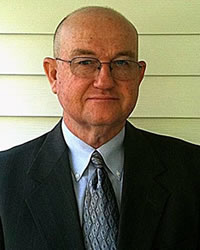
Gary Shepard is teacher and pastor of Sovereign Grace Baptist Church in Jacksonville, North Carolina.

Comments

0 / 2000 characters
Comments are moderated before appearing.

Be the first to comment!

Joshua

Joshua

Shall we play a game? Ask me about articles, sermons, or theology from our library. I can also help you navigate the site.