Bootstrap
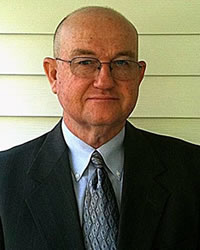
Gary Shepard

Made

Romans 5:19
Gary Shepard July, 26 2015 Audio
0 Comments

Sermon Transcript

Auto-generated transcript • May contain errors

100%
Let's bow for prayer. Our Father, we thank you this
morning for the grace that brings us
into this place. We thank you for the reason that
we have together. We thank you for the grace that
brings us. We thank you for your Spirit
and pray that He might be the enabler so that we might worship
you this day in spirit and in truth. You know my great weakness in
every way, and I pray that you might help us, that you'd be
mindful of us, that you would be in our midst to take the things
of the Lord Jesus Christ and reveal them unto us. May everything
that is said be in accordance to your truth, and therefore
may all the glory be to you and to you alone. Help us, we pray,
for we ask it in the name of Christ. Amen. Turn in your Bibles this morning
to the book of Romans, to Romans chapter 5. And I want
to begin by reading one verse. Actually, this one verse makes
a kind of summary what is said by the Apostle. And that one
verse is verse 19. For as by one man's disobedience
many were made sinners, so by the obedience of one shall many
be made righteous. I do believe that our understanding of what is
said in that one verse reflects our understanding of what salvation
by grace really is. And the first thing that I want
us to notice today is the one who wrote it, and
the authority by which he wrote it, as well as those to whom
he wrote it. Look back in chapter 1, beginning in verse 1, where Paul
says, a servant of Jesus Christ, called
to be an apostle, separated unto the gospel of God, which he had
promised afore by his prophets in the Holy Scriptures concerning
his son Jesus Christ our Lord, which was made of the seed of
David according to the flesh, and declared to be the Son of
God with power according to the spirit of holiness by the resurrection
from the dead, by whom we have received grace and apostleship,
for obedience to the faith among all nations for his name, among
whom are ye also the called of Jesus Christ. not simply effectually called,
but named, the named of Jesus Christ, to all that be in Rome,
beloved of God, called to be saints, or call saints, grace
to you and peace from God our Father and the Lord Jesus Christ. Christ. These words are written
by the Apostle of God as he was directed by the Spirit of God. And he writes it, therefore,
under God's authority. And he writes it to these at
Rome and to all that are the called of Jesus Christ, the objects
of His grace. And what he says in verse 19
has to do primarily to do with the Lord Jesus Christ
and to the people of God. And so he says in that 19th verse,
"...for as by one man's disobedience many were made sinners, so by
the obedience of one shall many be made righteous." Now when
you read that verse as well as this whole portion of scripture. Whatever he's talking about here,
these that he speaks of were all passive. They were all inactive
concerning what was done. And for that reason, he says
here that they were made these things. And that's the title
of my message this morning. Made. Just one word. One very, very important word. Not only here, but elsewhere. They were made. But I'm not going to try to play
some kind of a shell game using various Greek words. Every word, irregardless of what
a modern definition of that word might be, has to be defined based
on the context in which God gave it. It's defined by its use in
this chapter of Scripture, and it is also defined by the whole
of Scripture. No Scripture, no verse, no word,
is of any private interpretation. And I thought about it, the King
James Version in God's providence and in God's purpose has pretty
much been the main English version The main English translation
for God's people in this world since 1611. 1611. And I'm sure
during these 404 years, Not only with this translation,
but also others that might be okay, I suppose. It would be
a very tiny percentage of people, a very, very tiny percentage
of people, who have come to this book and read these words, who
were able to speak Greek, or read Greek, or understand Greek. So they have therefore taken
it in its plainness, reading its words for what they say,
without some scholar standing at their shoulders, without somebody
skilled maybe in the language to instruct them, they've come
to these words, they've come to this book, they've come to
this translation that God obviously in His purpose has given us,
and God has brought them to believe what He says. Now this is what
I do firmly believe, and that is that Almighty God, in His
infinite wisdom, in His infinite knowledge, in His infinite ability,
He is able to say what He means. And I'm sure of this also. He
means exactly what he says. But oftentimes, the case among
people, the case among preachers especially, is that they are
like the watchmaker. They're like the man who could
take the watch, separate it in all its parts, identify and name
and speak of the use of each and every one of those little
tiny cogs and wheels and springs and such. But the problem was,
once he had it all scattered out, looking at its various pieces,
he couldn't tell what time it was. God save us from such a
minute scrutinization of the Scriptures to be like that watchmaker
and not be able to tell what time it is, what this message
is that we find in God's Word. And when you read this passage,
and I'm centering in on this one verse because, as I said,
it sums it up, but when you read it, there are two groups here
in this verse, and in this text, it speaks of what they were made. If I was talking to a carpenter,
He wouldn't have much problem understanding what it is to make
something. But these two groups of individuals,
they are said to have been made something, and they were made
this in and because of two men. Is that not right? As a matter
of fact, it's very definite. These two individual men, and
they are spoken of because these two men represented them. They represented them, and always
in Scripture we keep finding, in some way or another, this
principle of representation again and again, not only in words,
but in pictures. And one of those pictures is
when a man by the name of David went out to face another man
by the name of Goliath. And I say that's a picture of
representation simply based on the principle that Goliath himself
laid down as being the basis of their battle. Now, I'll assume
you might not remember exactly the words, but it says that he
stood and cried unto the armies of Israel, and said unto them,
Why are ye come out to set your battle in array? Am I not a Philistine,
and you the servants to Saul? Choose you a man for you, and
let him come down to me, And if He be able to fight with me
and to kill me, then we will be your servants. But if I prevail
against Him and kill Him, then ye shall be our servants and
serve us." Now there isn't in all the Bible a more clear picture
of representation in two men. And what happens to one group,
such as Israel, happens because of what David does or fails to
do. And what happens to these Philistines
all happens because of what Goliath does or what he's not able to
do. But you can count on it. It will
be a dramatic, it will be a radical, it will be a final thing that
happens to all these people that they represent. And what we find
here is that these two men and these two groups are set before
us and it is shown what they were made and that is both bad
news and good news. There's always the bad news.
As Brother Richardson used to say, that's what makes the good
news, good news. But that's what we have here
is both bad news and good news. Bad news to all in this sense,
they were made sinners. Did you see that? By this one
man, through something he did, He being the head, the representative
of all our race there in the garden. It says they were made
sinners. As a matter of fact, so real
is this representation that it says in a previous verse that
in Him, all that were in Him, represented by Him, all sinned. All sinned. And in him the many
were made sinners." But the other side of the coin here, in the
other group, in the other man, is this good news which says
that they were made righteous. Made righteous. And how could
we read Not only here, but elsewhere. How could we read what is set
forth by the Spirit of God to us and not know that what they
were made has to do with what they are or became before God? You see, you and I were not present
in either time or account, except in this representative person. And each and every one are made
whatever they are made in this sense, and it shows what they
became or how they now stand in the sight of God. It doesn't
matter what they are, in the sight of somebody else. This
book is about our standing and relationship to the living God. So whatever they're made here,
it has to do with how they stand, whether or not they're accepted
by God Himself. This has to do with their standing
before God in His holiness, and most especially, it has to do
with their standing before God in His justice. You don't hear
very much about God's justice in our day. Maybe you might hear
something about God's justice when some crime, like in the
past week, was committed. Then people talk about someone
standing before God's justice, or being dealt with by God's
justice. But what happened to this race
of people that stood in the one that is undoubtedly first spoken
of here, all these people who stood in Adam? What happened
to them? They sinned. And not only that,
they were made sinners. They were made sinners before
they ever personally or individually sinned. If we never see that,
we'll miss the gospel. If we never come to understand
how that God dealt with that first representative man by the
name of Adam, we'll have no understanding of God's truth. Some people talk
about an age of accountability. The Bible knows nothing of that.
And if there was an age of accountability for everyone in Adam's race,
it would have to go back to that hour that they all stood in Adam
and fell in Adam, there in the garden. But then he talks about those
who are in that second man. That's all he talks about here
as far as God's dealings. That's all he talks about here
with regard to these that are in these two men. And so he says
that these that are in Christ Jesus, that they were made righteous
and they were made so before they did anything. In chapter
9, Paul describes it in this way, using two twins as an example. How one is favored of God and
the other is left to himself, it says, before they had ever
done any good or evil. And then he tells us here in
this chapter, that even though there was not a law, Even though
there was not a command to break from the time that Adam fell
to the time that God gave that law to the children of Israel,
even all that time, people still died, didn't they? They died. Why? Because they were sinners
in themselves. They were sinners. They came
forth. From the womb, every one of them
born, even though there was no law, they came forth from the
womb as sinners, they came forth speaking lies. Speaking lies. And what they became, what these
that are spoken of here in this text, what they became was not
what they were in themselves. This all has to do with what
they were in these men. And that's why in our day when
religion, false religion, always is talking about what you are
or should be or you should try to become, they don't have any
understanding of the gospel. What they became was what they
were not, was not what they were in themselves. And what they
became, they did not and they could not make themselves be
by something they did. They didn't do this. You can
read this again and again. And it always hinges on this. What they became by what this
man did, and what they became by what this other man did. You
see, there is a real simplicity in the gospel. But it is so simple
that you and I, apart from the grace of God, not only will never
understand it, we'll never believe it. Why? Because it takes everything out
of our hands. It takes away all those foolish
decisions and all those foolish works that men rely on and go
out to meet God with. And what they were made in this
text as we see, and elsewhere in the New Testament, as well
as being pictured in the Old Testament types and shadows,
they were made by what the Bible calls imputation. I hear people sometimes use that
word as if it was a dirty word. Use it as if it wasn't the real
deal. But the truth is, imputation,
which by the way, is an oft-mentioned Bible word and doctrine. Imputation means to charge to
one's account. Now keep that in your mind. To
charge to one's account. And here, in this situation,
as these stand before God in either one man or the other,
it results in either condemnation or justification. In the one,
these were made sinners. In the other, these were made
righteous. And thus, all men were made something
depending on which of these men they're identified with." Now
we're all going to find that first connection. We all, by
natural birth, by natural genealogy, We all, by God's appointment
there in the garden of Him as the federal head of our race,
we all find that condemnation in Him. Men can say what they
want to. We can think that we are something
that we're not. We can parade in this world like
that fairy tale wherein the emperor wore no clothes. But for sure,
we're going to find ourselves in that first Adam. I hear folks
talking all the time about genealogy. You know, I'm a descendant from
this one. I'm a descendant. We were talking
earlier about relationships and cousins and all these things.
But there's one thing for sure. If I don't catch you in one of
these family names, I'll catch you in the head of our race,
Adam. Doesn't matter what color your
skin is. Doesn't matter where you were born. Doesn't matter
whatever who it is that might have told you you're this or
that or the other. Every one of us, as somebody
brilliantly discovered, not all that long ago, when they said,
we've determined by all these DNA samples and genes and all
these things, that man evidently had a common ancestor. God said
that a long time ago. And so we find ourselves in that
first Adam all by nature. But how does anybody find themselves
in that second Adam or that last Adam? The Lord Jesus Christ. That's only by God's grace. That's
only by He is putting us and accounting us in Christ in what
is called the everlasting covenant. And while every person, everyone
born in this world has got to find themselves in that first
man, not everybody will be found in that second man. Someone says, well, that's not
fair. This hasn't got anything to do about fairness. It has
to do about grace. It has to do about the will of
God. It has to do with His doing whatever
He willed in the armies of heaven and among the inhabitants of
men. It doesn't have anything about what we're doing. It has
to do with what He's done. You say, well, I don't think it's
fair that everybody fell in at Him. Well, that doesn't matter. Whatever you decide in time will
never alter or change what God has already done before time. Whatever God does, that's what's
right. And let me show you, if I could
just briefly, let me show you the wisdom of it. Because if
God dealt with us in that first Adam and brought us to a standing
whereby we had nothing to do with ourselves, then that enabled
Him to bring us into another standing. To deal with us based
on the same principle in another man, the man Christ Jesus. If you turn over to 1 Corinthians
chapter 15, in one verse of Scripture, this same apostle who never deviates
from this principle ever throughout all his writings, if you turn
to 1 Corinthians chapter 15, in one verse he says it about
as plainly as it can be stated. Twenty-two. He says, "...for
as in Adam all die." That's all that can be the consequence of
sin. All in Adam. And that's all,
naturally. In Adam, all die, even so, or
like on the same principle in Christ. shall all be made alive."
In Adam, all died. All died. That's what it says. But in Christ, those who are
in Him, they're made alive. All has to do with our relationship
with these two men. And so, rather than being able
to get any glory for anything that we do, all we can do, if
God is pleased to reveal to us what He's made us in that second
man, the last Adam, all we can do is thank Him. All we can do
is praise Him. All we can do is seek to live
for His glory. In Adam, all sinned, all died,
all are dying, and all face eternal death." And that would be the
end of the story, were it not for grace. But there's good news. And that's the good news of the
gospel. And that's good news for a people
in Christ. Somebody says, I don't want anything
to do with that. I'm not interested in that. It's
not for you then. We just learned not long ago
where Christ the Shepherd said, my sheep hear my voice and they
follow me. If you're not interested in this,
it's not for you. But it's going to be good news
to somebody. Who's that? All these in Christ. As a matter of fact, that's what
they're going to find out. They're going to find out by
God's grace that He has put them in Christ. They didn't put themselves
in there. When he dealt with them, they'll
find out like Paul was writing in 2 Corinthians 5, when he says
this, God was in Christ, reconciling the world unto Himself, not imputing
their trespasses unto them, and have committed unto us the word
of reconciliation. What's the word of reconciliation?
The gospel of peace. That He made peace by the blood
of His cross. But what does it say that God
did concerning these? He said He didn't impute. He
didn't charge to their account their trespasses. He did not, by an act of His
own sovereign free will, and that's the only free will there
is in this universe, He did not, impute or charge to their account
their sins. And I'll tell you what the Bible
says about that. The Bible says that's a blessing.
How are you today? I'm blessed. Not if this is not
your case. The only way you can be blessed
is to be blessed by God in Christ, and when he blesses his people
in Christ, he blesses them with all spiritual blessings. Everything. So Paul writes in this previous
chapter, chapter 4 of Romans, he says, blessed is the man,
blessed is that woman to whom the Lord will not impute sin. Would you find that to be anything
that you'd be delighted in or interested in? That the Lord,
that the One who's in charge, that the One who says, live or
die, that the One who's the just God of heaven and earth, that
He would not hold you accountable for your sins? I don't know about
you. But this sinner would find that
very good news. I mean very good news. Now, if
you don't have any sins, if you're not a sinner, well, in the first
place, you'd just be a flat-out liar. But if that could be the
case, there'd be nothing here for you, would there? There's
one thing that is said of the Lord's people first of all. You know what that is? They're
sinners. But this is the reason that Christ
came. He came into this world to save
sinners. Paul said, "...of whom I am the
chief." You'll call His name Jesus for He'll save His people
from their sins. Christ died for our sins. So it'd be a blessing. And this
act of non-imputing, And this act of imputation, we have to
attribute it to God. It's not the consequence of something
you do. It's not even the consequence
of your faith, if God gives you faith to believe it. You see,
the most subtle deception in our day, in my mind, is to take
all these glorious things of the grace of God and then, in
a very subtle way, make it total error by saying that something
man does, even in his believing, is the cause of it. This is all
the act of God. This is all the act of God. It says all things are of God. and He does His will among men,
and He determined before the world was not to impute the sins
of a people that He chose in Christ, this last Adam, He will
not and did not impute their sins to them." It's a world. It's described
as a world, but it's a world in Christ. It's a world in the
sense that it is a people that is among both of these individual
groups of people we read spoken of in Scripture, Jew and Gentile. It's a people out from among
them. And He's purposed to be gracious
to them. But you have to ask this question. If God, being just, did not charge
them with their sins, did not impute their sins to them, what
did He do with them? He didn't just sweep them under
the carpet. Who did He charge these sins to? Somebody's got
to pay. Somebody's got to bear the responsibility. Over the course of the history
of Israel, the Old Testament economy, it was said of that
high priest that he had to bear the burden of the holy things. He had to bear the burden. So
what did God do? He imputed all their sins to
Christ. He didn't impute their sins to
them, but He laid them on the Lord Jesus Christ. That's what
all the Old Testament pictures show, represent. Whether it was
the priests or whether it was the worshiper taking that sacrifice
and putting their hands on the head of it, confessing their
sins or confessing the sins of the people, and then taking that
innocent victim and slaying it, shedding its blood. But there
was always identification. There was always that picture. You see, the Lord Jesus Christ
was made. Think about that word. He was
made before God's justice what He was not In himself. Now when Adam sinned, and the
Bible says that all his race were constituted sinners before
God, were they sinners in themselves then? They hadn't even been born,
most of them. Hadn't even been born. And so
here is this one who is described as having been made sin. He was made what he was not in
himself. And he was made this as the representative
of this second group, and he stands before God as their substitute. That's the principle of the gospel. Representation. And by that representation,
substitution. God dealing with these in a substitute. And He's held accountable for
their sins, though He was not in any way a sinner. I don't know how long I have
on this earth. I don't know how long you'll put up with me. So
however long it is, I want to make sure you know this. Though
he was made to stand before God, to be dealt with in the place
of his people, and be treated as a sinner, he never was in
himself. You can open a real can of worms
if you leave that basic Bible truth. Because I'm telling you
this, I'm an ignorant man in so many ways, but this I know,
before God in His holiness, a sinner cannot die for a sinner. He cannot do it. God will not
accept it. And he is held accountable because
he's this representative man, because he's this substitute,
and the description that we read even back in the Old Testament
shows that their sins were imputed or charged to him. Hold your
place and look back in Isaiah 53. Isaiah 53. Now Isaiah is talking here about
a report. And he says it's a report that
no one will believe except those to whom the arm of the Lord is
revealed. Look at verse 4. He's talking
about the Messiah here. He's talking about the Lord Jesus
Christ. He says, surely He hath borne
or carried our griefs and carried our sorrows. Now, as we read
this, you make sure you notice whose griefs, whose sins, whose
iniquities that are spoken of. It's ours. It's the sins, the
griefs, the sorrows, the inequities of this people he comes to represent. He says, "...yet we did esteem
him stricken, smitten of God, and afflicted." But lest anybody
think it was because of his sins, the prophet says, "...but he
was wounded for our transgressions." You can put your name there if
you're believing on Him. And you can think for a minute
about the ugliness of your sins. But He was wounded for our transgression. He was bruised for or in the
place of our iniquities. The chastisement of our peace
was upon Him, and with His stripes we are healed. All we like sheep
have gone astray. We've turned everyone to his
own way. And the Lord, in an act that was only His,
And the Lord hath laid on him the iniquity of us all. The language of scripture is
so clear. It was for our iniquities. It
was the chastisement we were due. It was for our sins. For
our griefs and our sorrows. Our sicknesses of sin. And the
Lord laid on Him, or as it is, made to meet on His head all
our iniquities. You say, well, I hate that God
dealt with us in Adam like He did. Oh, that's not what I'm
thinking. I'm thinking I'm so glad He dealt
with us in Christ like He did. Absolutely. And the Scriptures, Just so you
and I don't ever fall into that trap, no matter however it comes,
or no matter by whoever it is spoken of, that we don't fall
into any such a notion that Christ became sin in any other way,
except as our substitute and by imputation. He has sewn throughout
this book such clear, clear illustrations and declarations of his perfect
being. He came into this world to die
for sin, not to be a sinner. And so we read again and again,
especially in the book of Hebrews, where we find all this connection
between Christ and the priest, and Christ and the sacrifice,
and Christ and the blood, and all these things, but we read
again and again like this. He says, "...for we have not
a high priest which cannot be touched with the feeling of our
infirmities, but was in all points tempted like as we are, yet without
sin." Again, "...for such a high priest became us, who is holy,
harmless, undefiled, separate from sinners, and made higher
than the heavens, suited us." Again in Hebrews, "'How much
more shall the blood of Christ, who through the eternal Spirit
offered Himself without spot to God, How did he offer himself? Without spot to God. Purge your conscience from dead
works to serve the living God. And then Peter says this, And
he goes back to all those Old Testament lambs and the Passover
lamb and such as that. He said, but now you know that
we were not redeemed by corruptible things such as silver or gold
or the blood of beasts or anything like that, but with the precious
blood of Christ as of a lamb without blemish and without spot. What's the first thing when Moses
is given those instructions? Told about all these sacrifices. He said, you take those sacrifices
that you would offer, and you shut them up to themselves, and
you watch them, and you make sure they don't have a blemish,
or a lame leg, or a bad eye, or whatever it is. And there's
a reason for it. He said, it must be perfect to
be accepted. My friend, all the way up. All
the way up to the hour that He yielded up the ghost, that He
laid down His life, because there was nothing in Him to cause divine
justice to take it. So as the surety of His people,
as the One who from old eternity had pledged himself to bear all
their responsibility, he laid down his life. You see, he's
God in the flesh. And God cannot change. He is immutable. And he is Jesus
Christ The same yesterday and today and forever. That man that dies on the cross,
he is God made manifest in the flesh. And the apostle says of
him that he was made sin for us. Now, turn over to 2 Corinthians. 2 Corinthians chapter 5. And look at the last verse. Paul
gives this statement as a reminder to the Lord's believing
people to be reconciled to whatever God brings to pass in our lives
if we're His people. Don't ever lose sight of this.
He says, "...for He hath made Him to be sin for us who knew
no sin, that we might be made the righteousness of God in Him."
Now, this is the same thing, the same principle of representation
and substitution that Paul carries throughout all his epistles. What does that mean? That he
was made sin for us. Actually, that to be is in italics. Made sin for us. Well, it simply
means as every Old Testament type, and as every other place
in this book means, it simply means that he stood before God
as the substitute for sinners. He was made sin for us. He was dealt with by God. as if he were a sinner, because
he bears the sins of his people in his own body on the tree. And he's not made a sinner in
any way except by this imputation, which is very real. It was so
real whenever Adam's race fell in him. And it is so real when
Christ's people are made the righteousness of God in him. To be made sin for his people
means that he died the death of the cross which is for sin. It means to be made sin as is
to be made a curse for sinners. because we find that same word
in Galatians 3. Christ hath redeemed us from
the curse of the law, being made a curse for us. What did that mean, being made
a curse for us? It meant the same thing as being
made sin for us. Except Paul goes a statement
farther. He says, "...for as it is written,
Cursed is everyone that hangs on a tree, that dies under the hand of divine
justice. If you look back at our text
in that 19th verse, he says, "...for as by one man's disobedience,
Many were made sinners, so by the obedience of one shall many
be made righteous." There is a parallel drawn. And it's drawn throughout the
whole text here by the Apostle. And what is being said is that
our fall in Adam was by one disobedient act. He didn't get drunk, have
a big party, fornicate. No. By one act, eating of that
tree that God said, do not eat of. By that one act of disobedience,
the many were made sinners. But, in this parallel, By this
other man, by his one act of obedience, the many were made
righteous. What act was that? That was his
death. That was his laying down his
life in death. If we talk about acts, You see,
we cannot talk about the acts of Adam being the cause of the
fall unless we were to talk about the acts of the Lord Jesus Christ
being the reason for righteousness. No, we lose the parallel there. It was by the one man's act of
disobedience that the many were made sinners, and it was by the
one act of obedience that the many were made righteous. Now men, in a very subtle way,
they want to hang on to the Old Testament economy. They want
to say that His active obedience under the law is our righteousness. You do not find that in this
book. And there's a reason for it. Because when we fell in this
first man, the law had not yet been given. Not only that, Paul
writes these words first of all to those who were for the most
part Gentiles. He writes it to those that roam.
And the Gentiles were never under that law. that the Lord Jesus Christ, in
His body, in His person, rendered a perfect obedience under every
law of God. He had to, or He couldn't be
the sacrifice. But had He rendered perfect obedience
as a man under every law of God on the earth at that time, and
then ascended back into heaven, we'd have died in our sins. Why? Because we had already fallen
in Adam to such a depth that it was irretrievable. It could
not be undone. The soul that sins, what? Shall
surely die. The wages of sin is death. You can't change that. You can't
undo that. If under every law that we fell
under, Christ could live in our place, actively obedient to that,
then we wouldn't have to die if that was the case. If it could
be reversed. But it couldn't be reversed.
Because God said, Adam, in the day that you eat of that tree
in the midst of the garden, you'll surely die. Die. And the wages of sin is death.
And what was said of Adam said to his race as we stood in Adam. So what is that one act of obedience? It's his death. He could have
done everything that could be done for a sinner from heaven
except one thing. And that he had to come to this
earth and take on a body. perfect sinless body in order
to die in the place of his people. That's what divine justice demanded. Christ's cross death is that
one act of obedience. That's what Paul says in Philippians.
I wish we could get a hold of it. I wish we would take the
Word of God instead of the Word of men That's why, listen to
me, that's why in all these places that claim to be reformed and
claim to be grace and all that, they preach Christ crucified
as if it was a little appendage to be put on the end of the sermon
or something. And instead we'll have a marriage
seminar, or instead we'll have a lesson on your finances, or
instead we'll have some kind of a class on how to live in
the workplace or something. You can tell me what you want
to. Those people neither believe or know the gospel. Paul said,
I'm going to preach to you. what I preached to you in the
beginning, and that is how that Christ died according to the
Scriptures." Paul, in talking about the glorious perfection
of Christ as the God-man and saying he thought it not robbery
to be equal with God, He says in Philippians 2, and being found
in fashion as a man, he humbled himself and became obedient unto
death. Not just any death. He says,
even the death of the cross. The death of the cross is Christ
dying for his people. The death of the cross is divine
justice taking the surety and exacting of him all that was
required to put away the sins of his people. Again to the Colossians he says,
"...in the body of his flesh through death to present you
holy and unblameable and unreprovable in his sight." Hebrews 2, for
as much then as the children are partakers of flesh and blood,
he also himself likewise took part of the same, that through
death he might destroy him that had the power of death, that
is, the devil. In this 8th chapter when Paul
is talking about God being for us, When he talks about God,
who shall lay anything to the charge of God's will, it's God
that justifies us. Next statement, it is Christ
that died. God help us never to see anything
more glorious than the suffering Savior. His death made it right. His death made it just for God
to be just and the justifier of all who believe on Christ. For Him to be that just God and
a Savior. And this is the glory of grace.
By one man's act of obedience, the many were made righteous. You can look at any of them in
this world at any time, even with our self-righteous eyes,
and you will not find them perfect. You will not find them righteous.
But that's what Christ made them in God's sight. And that's the
best news I ever heard. That's the grace of God. God dealing with us. because
He could not in any other way deal with us in a substitute,
in this representative man, in our David. He says, this sinless Christ
was made sin for us in our place that we might be made the righteousness
of God in Him. It doesn't say by Him here, does
it? It says in Him. And that's the
only place there is any righteousness. In Him who is the Lord our righteousness. In Him. And this is the standing
of all who are in Christ. Justified. By an act of the Father
in eternity, through the Lamb slain from the foundation of
the world, and received through that faith which God the Spirit
gives to each one of them in time. It's very progressive. in its revelation, but it's all
at once with God. He's the eternal God. The promise of life and salvation
is given to them that believe on the name of the Lord Jesus
Christ. When Paul says, concerning glorying,
he said, no flesh shall glory in his presence. Why? Because of God, Christ is made
unto us. What was that? 1 Corinthians
1.30. God made Christ unto us. Wisdom, righteousness, sanctification,
and redemption. You can talk about what you made
yourself to be all you want to. It's like a man said one time,
he said, the self-made man has a fool for a creator. Stamped
on the souls of every one of God's people, every one that
will ever enter His glory, is made by God. made the righteousness of God
in him." Abraham, he lived a long time before Christ
died on the cross. But God enabled him to believe.
And all these things that God told him and showed him, and
though the Savior had not yet come, Abraham saw his day and
he was glad. God help us to be found among
those for whom Christ was made sin and who are made the righteousness
of God in Him. Father, we bow and we praise
You and we worship You and we thank You for your gospel, for
your word. Give us heart to receive your
words without the commentary of men. Help us to believe that
it shall be and that it is even as you say it. Grant by your
grace that we might be found in the last Adam. Help us to rejoice that there
aren't going to be any more Adams. He's the last Adam. And all who
are in Him will never be taken out of Him. They're one with
Him. In a grace union with Him. We
thank you for our Savior. We thank you for this one man.
And for this one act of obedience. His obedience unto death. even
the death of the cross, how it shows what sinners we must be
in ourselves, how far we must have fallen, how helpless we
must be. But we thank you for our David. We praise you in his name. Amen.
Gary Shepard
About Gary Shepard
Gary Shepard is teacher and pastor of Sovereign Grace Baptist Church in Jacksonville, North Carolina.

Comments

0 / 2000 characters
Comments are moderated before appearing.

Be the first to comment!

Joshua

Joshua

Shall we play a game? Ask me about articles, sermons, or theology from our library. I can also help you navigate the site.