Bootstrap
Gary Shepard

Preaching and the Repentance Preached #2

2 Timothy 2:24-26
Gary Shepard May, 26 2015 Audio
0 Comments

Sermon Transcript

Auto-generated transcript • May contain errors

100%
Please turn back in your Bibles where we were
last Sunday morning. Let me read once again a couple
of those verses. 2 Timothy chapter 2. 2 Timothy chapter 2, beginning in verse 24, "...and the servant of the Lord." There is no other title given. There is no reverend so-and-so. Because those who truly preach
the gospel, they are the servant of the Lord. And because they
are the servant of the Lord, they make themselves the servants
of His people. Your servants for Christ's sake. And he says, and the servant
of the Lord, must not strive, but be gentle unto all men, apt
to teach, patient, in meekness instructing those that oppose
themselves, if God, peradventure, will give them repentance, to
the acknowledging of the truth, and that they may recover themselves
out of the snare of the devil, who are taken captive by him
at his will." Last week we looked at the Scriptures
concerning this preaching and the repentance that is preached. And we felt the need in light
of what is said and preached in our day, first of all, to
show what biblical repentance is not. It's not so much that
this world thinks that it is. And we sought to show how the
repentance that Paul is talking about here is characterized according
to him as being toward God. It is repentance toward God. And it has something to do with
acknowledging God for who He is, and especially as He declares
Himself to be in His Word. We acknowledge His glory in all
things. And our minds are changed because
our hearts are changed. And He gives to His people that
new heart which is simply the heart of faith. We acknowledge
Him because we are brought to believe on Him, to believe His
Word. And it is to acknowledge, as
we read in these verses, it is to acknowledge His truth, the
truth of God as to who He is, and how He saves, and who Christ
is, even though it has been so contrary to what we always thought. You see, our thinking that God
was one way did not at any time change how He really is. And neither shall all our opinions
gathered together ever alter in any way what God says about
Himself and about His salvation. It is an acknowledging of the
truth. Look back in verse 25. He says, the servant of God is
to, in meekness, which is simply quiet strength, Moses being in
his day the meekest man on all the earth, But in meekness, instructing
those that oppose themselves, you see, to oppose God and to
oppose His truth is simply, in reality, to oppose yourself. He says, if God, peradventure,
will give them repentance to the acknowledging of the truth. In it, there is this acknowledging
of the truth. And so, furthermore, as we think
about and look about this matter of biblical repentance, it is
also that we acknowledge and believe the truth as it concerns
His majesty and His sovereignty. You say, what do you mean? I mean, everyone who is brought
to repentance is brought to acknowledge about God things like we find
over and over again in the Old Testament as it was acknowledged
by the people of God. Job was brought to acknowledge
this. He said, the Lord gives. and the Lord takes away." How
do you acknowledge that, Job? Blessed be the name of the Lord. It was in the man Eli at the
death of his son, when he is, as we all are at these times,
brought to be confronted with God as He is and as He has done. And so he acknowledges God. He says, it is the Lord. Let him do what seemeth him good. It is to believe what God is
never ashamed to say about Himself when He says plainly and clearly,
I kill and I make alive. That is, we acknowledge God not
only as the ruler over all things, but we acknowledge Him as the
One who does in His creation that which He would. When Paul describes Him in Ephesians
chapter 1 and that eleventh verse, He gives us a truth He declares
concerning God, something that everyone that God saves has to
be brought to acknowledge. And that is this, He works all
things after the counsel of His own will. You see, we're brought
in repentance to acknowledge that God can and will do with
me what He will. Have we found that out yet? God
not only can, but He will do with each and every one of us
as He would. He can hate Esau and love Jacob. And when men and women reply
and rebel against that and say, well, God can't do that, we are
simply in our blindness and ignorance in defiance to that which is
and has always been. He didn't say, I might. He says,
I hated Esau and I loved Jacob. And in it we acknowledge that
He has ordained, that He has predestinated, that He has determined
the bounds of all, and He has established His purpose, and
that He, in His right as God, can do with His own what He will. When he says, can I not do with
my own as I will, he's not asking our permission. He is simply
stating this truth that as God, he acts as God, he saves like
God, and he, in his clearest illustration of himself, is that
potter. You remember Jeremiah had to
make a trip, he says, down to the potter's house. And this
is what happens when God brings a sinner to repentance. We make
that trip down to the potter's house. And we watch and we believe
that He does as He says He does of that same lump to make one
vessel under honor and another under dishonor as it pleases
the potter. We find out that the clay does
not tell the potter what to do. And that is exactly what Paul
is saying in Romans 9 when he uses the very same illustration
and tells us that it is never of him that willeth or of him
that runneth, but it is always of God who shows mercy. He rules over all. He is that one in His Son who
says this, when viewing how Christ was received at Capernaum and
at various other places, and how He was rejected at some of
these places, believed on by others in other places, it says,
"...and at that time Jesus answered and said, I thank Thee, O Father, Lord of heaven and earth, Because
thou hast hid these things from the wise and prudent, and hast
revealed them unto babes, even so, Father, for so it seem good
in thy sight." We have to be brought from this mighty eye. to bow down before the glorious
God of heaven, to bow down before the Lord Jesus Christ as the
King of kings and Lord of lords, and acknowledge His authority
and His rule and His dominion over everything, especially us. And we have to be brought like
that King of old that we all have read about and heard about,
that King Nebuchadnezzar of old. When he stood and he looked out
over all the kingdom of Babylon, and he praised the work of his
own hands, he said, Oh, this great Babylon that I have made
by my own hands and for my own glory. Not so, Nebuchadnezzar. And so the Lord brought him down.
The Lord stripped him of everything, all of his imagined glory and
power and ability and all these things, and brought him to repent
of that very notion of what he is and as to who God is, and
this is what he confesses. He says, "...and all the inhabitants
of the earth." are reputed as nothing. And He, that is God, does according
to His own will in the army of heaven and among the inhabitants
of the earth, and none can stay His hand or say unto Him, What
doest Thou? He's an absolute sovereign over
His creation. If you're a male, He made you
a male. If you're a female, He made you
a female. Whatever it is, wherever you
were born, whenever you were born, whatever mental faculties,
whatever health that you have, you have it because God gave
it to you. And all these upheavals in our
society in this day, all the things that go on in such a blasphemous
way, when you trace the roots of them, they go strictly back
to this defiance against God's absolute sovereignty over all
things. Why do I want to be what I'm
not? To rebel against God. And it doesn't matter if in Ireland,
or if in the United States, or whoever it is, if we all get
together and we vote a majority vote for something to be contrary
to what God says it will be, it will not matter one bit. But when God saves us, He'll
bring us not only to acknowledge His absolute right over all things,
that right that was demonstrated by simply telling Adam and Eve
in the garden, do not eat of this tree. We'll acknowledge
it. We'll confess that this is true
about God. We'll say with Eli, whatever
happens, it is the Lord. We'll know of a certainty with
twenty-twenty hindsight that it was the Lord's will because
it happened. And He'll give us grace to be
glad that it did. To be thankful that it did. That He is an absolute Sovereign
over providence. That He is the absolute Sovereign
over salvation. And not only that, but in repentance
we are brought to acknowledge the truth of His holiness and
our sinfulness. One day Job was brought to this
place and he confessed before men and God. He said, I've heard
of You by the hearing of the ear. But now mine eye seeth thee. I thought you were this way,
I thought you were that way, I have heard of you, but now
mine eye seeth thee. Wherefore, I abhor myself, and
repent in dust and ashes." Turn over to Isaiah chapter 6. Isaiah chapter 6. Isaiah evidently
was a man who was very impressed with his king and what his king
did and accomplished and how he was. He wrote down whatever
the king did. But there came a time. You see,
he was not only a scribe, he was not only a man of some natural
abilities and wisdom, he was one of God's elect. And so there
had to come a time when he found out just exactly who the king
was and just exactly who he was, but the only way for that to
ever take place was for him to find out who God is. So in Isaiah 6, beginning in
verse 1, it says, in the year that King Uzziah died, God will
have to kill our gods. He'll have to deal with our gods
in order to reveal who the true and living God is. In the year
that King Uzziah died, I saw the Lord sitting upon a throne. Isn't that amazing? All these
people now, they see Jesus in a vision, and He's doing this,
and He's doing that, and He's doing the other thing. One fellow
told me one time he saw a vision of Jesus and He was wearing a
black robe. They see Jesus as a little, besandled
man walking on the seashore of Galilee. But when the Lord reveals
Himself to a sinner, Just as he did Isaiah. He said, I saw
the Lord sitting on a throne, and He was high and lifted up. And His train filled the temple. His glory, His majesty, His deity,
His perfections filled everything so that there was no room for
anything else. And above it stood the seraphims. Each one had six wings. With
twain he covered his face, and with twain he covered his feet,
and with twain he did fly. And one cried unto another and
said, Love, love, love." Is that what he said? Is that what
they say? Is that the attribute of God
that all the heavenly beings seek to magnify, praise, glorify,
and exalt the Godhead for? No. They cried out in this triune
praise, Holy, holy is the Lord of hosts, the whole earth is
full of His glory. And the posts of the door moved
at the voice of Him that cried, and the house was filled with
smoke, was filled with that Shekinah glory." That's the way it was
when Saul of Tarshish on his way down to Damascus. Mr. Big Shot. Mr. Religious Man. Mr. Moral Man. And the Lord God smote him, and
struck him with blindness, and revealed some measure of his
glory to him, so that in that instant, whoever it was, Saul
says, Who are you, Lord? Whoever you are, you're the Lord. And here is Isaiah. He sees the
Lord high and lifted up. And if we hadn't seen Him like
that, we hadn't seen Him. And then said I, woe is me. You see, that's the reason why
people walk around in our day like religious peacocks strutting
so proud of themselves, so happy about what they are like those
Pharisees were, because they do not know who God is. When the Bible says, and I quote
this so often, I get embarrassed, but this is the truth. And that
is, He says that in His light, We see light. In other words,
everything is darkness apart from the light of God, especially
as it is in Christ. The light of His Word. And when
Isaiah found out who the Lord was, he said, Woe is me, for I am undone. Because I'm
a man of unclean lips, and I dwell in the midst of a people of unclean
lips. Why do you say unclean lips?
Because just as Christ said, out of the abundance of the heart
the mouth speaketh. Or as I've always said, whatever's
in the well, that's what comes up in the bucket. So why is it,
Isaiah, that you no longer look so good? Why is it now that you're
confessing woe to yourself, and not only to yourself, but to
every other member of Adam's race? He says, "...for mine eyes
have seen the King, the Lord of hosts." You see, we acknowledge His holiness,
and it is in the light of His glorious holiness, in the light
of that holiness that is central to all that God is, that we find
out something about who we are. Who we are. I saw three men on
a TV show, three commentators. I think it was Friday evening.
And I looked at those three men and I thought, something is very
different. They all three had white shirts
and ties. But the one on one end and the
one on the other end, whether it was TV, I don't know what
it was, but they both looked like they were just alike. Their shirts were just alike,
just white shirts. But the man that was in the middle,
his shirt was so white, it almost looked blue. It was so brilliantly
white. I don't know if he was just wearing
a new shirt, but I thought those other two men sitting by themselves,
had he not been there, their shirts would have looked like
white shirts. But with him in the middle, their shirts looked
like yellow shirts. And in the light of God's holiness,
in the light of the divine perfection, in light of the fact that God
who sits on the throne, who rules in sovereign majesty over all
men, He is infinitely and majestically holy. And so in His light, we find
out what we are. And in repentance, we are brought
to acknowledge and confess the truth about what our imagined
righteousness is. What is it? Now everybody that
we read about there in Matthew 7 that stands before Christ,
they're strutting their righteousness. We've done this, and we've done
that, and we've done the other things. But how do we know how we really
are? How do we know how what we've
done really stacks up before God? We know by His truth. What a blessed Wonderful day
it is to a sinner if God gives him repentance and enables him
to believe that he is what he is based on what God says that
he is. Somebody said we are what men think we are, and we
are what Close family members think we are, and we are what
we think we are, but they don't count. We are what we are based
on what God says that we are. And He says, all our righteousnesses
are as filthy rags. Man at his best state is altogether
vanity. that salvation is not in any
way or at any time by works of righteousness that we have done. As a matter of fact, in repentance, we repent of those
things. You just go to Philippians chapter
3 and hear the Apostle Paul who demonstrates there his own repentance. He begins by telling us that
he was a Jew, he was a Pharisee, touching the law blameless, a
moral man, an upstanding pillar in the community. All these things
recognized by his peers, admired by them, zealous, But he's repenting of those things. You know, if you and I have to
go one day back to find something we've done or something we've
stopped doing in order to give us any measure of assurance,
we're lost. We can't go back and look at
anything. and find anything except sins. Paul said, I counted it all but
loss. Not most of it, but all of it
as lost for Christ. As a matter of fact, the repentant
soul of Tarshish says, I was before a blasphemer. Well, I was saved way back in
all that false religion, but I came to the doctrines of grace.
No, the doctrines of grace don't save anybody. The doctrine of
Christ is what God uses. Now, it is the doctrine of grace,
but it is not simply salvation is not moving from one theological
position to another one, It's being confronted by a revelation
of who God is. And we acknowledge the truth. Where were you back then, Paul?
I was lost. Lost. There was no way I could
have been saved. I didn't know the truth. Christ
said, you shall know the truth and the truth shall make you
free. You didn't know the truth. I
didn't know the truth. He said, I was before a blasphemer. He writes to those Ephesians,
he says this, he says, speaking of Christ, he said, in whom you
trusted after that you heard the word of truth. What was that? The gospel of
your salvation. I heard a lot of gospels. I believed
a lot of Gospels. But they were all the Gospels
of how to be saved. The Gospels of how to save yourself. The Gospels of how to help God
save you. One day he confronted me with
the Gospels of my salvation. All those things. A rejection and a renunciation
of all those old things, old works, old feelings, old sincerity,
all the works and identifications with the rituals and the ceremonies
of false religion. He said they were dead works.
And he calls it repentance from dead works. Why does he call
them dead works? Because the end of them are death. That's what he's saying in Matthew
7. They say, have we not done many wonderful works in your
name? Christ said, I never knew you. You see, it's nothing but idolatry
to worship a God who's not God. Not the true and living God. That's what John says. He's given
to His people an understanding that we may know Him that is
true. And in repentance, God brings us
to acknowledge the truth that He is just in all His judgments. God is just in all His justice.
How in the world, when everything about salvation, everything about
this gospel wherein the righteousness of God is revealed, how is it
in this day when men and women think they're hearing the gospel
and there's nothing about God as a just God and a Savior? He said, I'm God. And beside
me there is none other." How are you? A just God and a Savior. You see, when God brings us to
repentance, we acknowledge that He and His justice are right
and just in all things. Is He just to punish sin? Yes,
He is. And yes, He will. Yes, He has. Was He just to punish sin in
the flood when most everybody on the known earth at that time
died under the judgment of God in that flood? Was God just? Well, let me ask you this. Was
He just to save Noah and his family? Yes, He was. Why? Because Noah found grace
in the eyes of the Lord. And the grace that God showed
to Noah is that righteous grace, that grace that reigns through
righteousness, and that salvation that was pictured, that is in
and through and by Christ and Him crucified, which is what
that ark pictures. Was He just to rain fire and
brimstone on the cities of the plain? If all those inhabitants of those
cities and the plain, and that is an issue there with Sodom,
obviously. Homosexuality. They may have already voted that
homosexuality was alright. It didn't change God's justice,
did it? He rained down fire and brimstone on that city, and He
destroyed every one except righteous Lot. You say, how in the world
could ever God call Lot righteous? He's righteous because God made
Him righteous. Is He just in all judgments? An earthquake comes, destroys
a multitude of people. Don't get me wrong. Since I am
just like every other sinner, that has an effect on me. But
if God did it, it's just. It's righteous. And He's just
to punish my sins. He'd be just and is just to punish
the sins of my loved ones. And the truth of the matter is,
hold on to your hats. According to what John says in
the Revelation, when all harlot Babylon, all the unbelievers,
they're all cast into that lake of fire. You know what the Lord's people
are going to be saying? Hallelujah. You read it, Revelation 19. Hallelujah. The Lord God Omnipotent liveth. And I am satisfied that there
will be a lot of people that I have prayed for and have wept
over and been concerned over, not simply just in my own family,
but a multitude more. that it breaks my heart right
now just to think about them and the course that they've taken.
But in that day, when the Lord has wiped away all the tears
of His people, when His just judgment finds its final execution
in the sentence against Him, His people will say, Alleluia.
Alleluia. The Lord God Omnipotent reigneth. And all our sins are against
Him. If thou, Lord, shouldest mark
iniquities, O Lord, who shall stand? David said, Against thee
and thee only have I sinned, and done this evil in thy sight,
that thou mightest be justified when thou speakest, and be clear
when thou judgest. God's just. In repentance, we
acknowledge also the truth of His own sovereign mercy and grace
to save whom He will and to leave others to the just consequences
of their sin. You see, when we see the glory
of God, and most especially the glory of His grace, we find out
that God is not obligated or indebted or bound or influenced
to save any of Adam's race. He has bound Himself to save
a people, but it's not because they deserve
it. If God shows mercy to you and me, it will be just because
He would. And when he could find no reason
in any son or daughter of Adam to show mercy upon them and be
gracious to them, he retreated back into himself. Somebody can look at you and
say, he doesn't deserve mercy, or she doesn't deserve mercy.
And God just says, I will have mercy on whom I will have mercy. And I will be gracious to whom
I will be gracious." That's the glory He showed to Moses. I can remember reading certain
portions of the New Testament especially, and I would mark
a line under it. I had an old red Bible. I thought
that was something spiritual, you know, if you had a red Bible.
stood for the blood or something, you know. And I'd mark in that
Bible, I'd mark all the so-called free will universal sounding
verses and kind of read quickly over the other verses. But when God brings us to repentance,
not only do we quit fighting against doctrines such as election,
and predestination. We're brought to see that if
it weren't for the two, we'd never have hope. We're brought
to see that they are inseparably joined to the Lord Jesus Christ. The Lord used Brother Henry Mahan
to teach me a lot of things, but the first thing that he taught
me It was like light coming on. A door flying open wide. When
he told me to make sure that I understood that election was
being chosen in Christ, that predestination had to do with
being conformed to the image of Christ. It's all God's work. It's all God's will. But it's
all in Christ. We can entertain those doctrines
in our head, play around with them, debate them, discuss them,
argue about them. But when He gives us the grace
of repentance, we find out how glorious they are in the Lord
Jesus Christ. And for sure, repentance is always
characterized by receiving of mercy and grace in and through
and by the one that God has appointed and given, the Lord Jesus Christ. You can go back over and read
Acts 20 and verse 21 where Peter and Paul are all through their
preaching and he tells us this, God grants repentance toward
God and faith in the Lord Jesus Christ. Why faith in the Lord Jesus Christ? Well, where you find true repentance,
you're going to find faith in Christ alone. They're like Siamese
twins. Siamese twins. Because when God shows us all
that we are to repent of and turn from, He also at the same
time reveals to us Him who is the truth. Repentance toward
God, faith in the Lord Jesus Christ. Repentance to the acknowledging
of the truth. He is the truth. And most specially,
He is the truth as He is hanging on that cross. He's the truth
about God, because He's God manifest in the flesh. He's the truth
about how God is this infinitely holy and just being. He's the
truth about how the only way is that God can put away sin,
and that's by a perfect sacrifice. And we're brought to repent of
our way of trying to save ourselves. and trust Christ who is the way. We're brought to forsake our
own self-righteousness to rest in His righteousness, that one
that is outside of ourselves, but God imputes it to us. He reckons it to be ours as the
gift of righteousness. And I've got to quit, but let
me just say a couple more things. Number one, this is not a one-time
act. We believe, we have believed,
we are believing, and we shall believe. That's the way repentance
is. We have repented. We are repenting. We shall repent. You say, why
keep repenting? Because that same attitude that
is natural to our flesh, to always be reaching out to try to cling
some part in salvation, to have some hand in it, some help in
it, or some improvement. I say this, every believer in
this building this morning, I'm sure you're way ahead of me.
Way ahead of me. I hope you are. But as far as
outward obedience, as far as faithfulness, as far as sincerity
and zeal, if you get so far ahead of me, you'll be out of sight. You'll still only have one hope.
You'll still only have one righteousness. You'll still only have one sanctification. And they're all in Christ. But let me say finally, where
does repentance come from? You say, I'll repent whenever
I want to. No, you won't. If you look at our text, and
it is about as clear on this as anything could be, Paul's instruction to young Timothy
was, in meekness instructing those that oppose themselves,
if God peradventure will give them repentance to the acknowledging
of the truth. It's the gift of God. As a matter of fact, everything
about salvation is a gift. Somebody says, well, salvation
is conditioned on faith. No, it's not. Faith is not a
condition of salvation. Faith is caused by salvation. He saved us and called us. He gives us faith. as a consequence
of Christ coming into this world and dying, that we might receive
this gift. For by grace are you saved through
faith, and that not of yourselves, it's the gift of God." Well,
that's the way repentance is. It isn't that we come up with
one gift to ourselves and God comes up with the other gift.
No. He comes up with both. Repentance
toward God and faith in the Lord Jesus Christ. We read there in
Revelation 16 and verse 9, no matter what comes, all the judgments
outwardly, all the cataclysmic events in the elements, all the
hurricanes, and tornadoes, and earthquakes, and floods, and
mass murders, and wars, and all these things, all the plagues,
and diseases, and cancer, and deadly viruses, and all the rampant
criminals wherein we are brought in fear of our lives, none of
these things produce repentance. It's the gift of God. If I'm brought to repent, it's
because He gave me repentance. And God, in grace by the working
of His Spirit, does give to His people this repentance to the
acknowledging of the truth. But what's it associated with?
What's Paul talking to Timothy about? He's talking about preaching
the gospel of Christ crucified. He says, you're to do it in meekness,
you're to teach, you're to instruct, because it's in the midst of
that context that God gives to His people. under the sound of
this gospel wherein He's revealed repentance. We preach Christ and God gives repentance to His
people. It is repentance toward God.
He changes our mind about who He is and what He's done, who
He's done it for. and how he's done it in Christ.
And he gives us faith to believe on Christ. Father, this day we
pray that in our midst, that in our day, that in the midst
of all this blatant, outward, vile ungodliness that you would
call out your sheep that you would give to them this gift
of repentance, this gift of faith, that their hearts, their minds
would be turned and changed at the revelation of yourself to
their souls. We thank you for your mercy to
us, and we pray that all might be done by your gracious hand
and for your glory. We ask it in Christ and Him alone. Amen.
Gary Shepard
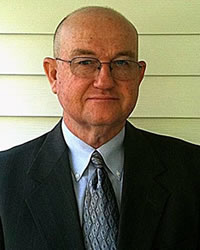
About Gary Shepard
Gary Shepard is teacher and pastor of Sovereign Grace Baptist Church in Jacksonville, North Carolina.

Comments

0 / 2000 characters
Comments are moderated before appearing.

Be the first to comment!

Joshua

Joshua

Shall we play a game? Ask me about articles, sermons, or theology from our library. I can also help you navigate the site.