Bootstrap
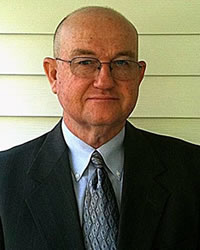
Gary Shepard

The Way Which They Call Heresy

Acts 24:1-16
Gary Shepard August, 3 2014 Audio
0 Comments
Gary Shepard
Gary Shepard August, 3 2014

Sermon Transcript

Auto-generated transcript • May contain errors

100%
I want you to turn in your Bibles
to the book of Acts. Acts chapter 24. I'll begin reading in verse 1. And after five days, Ananias
the high priest descended with the elders and with a certain
orator named Tertullus, who informed the governor against Paul. And when he was called forth,
Tertullus began to accuse him, saying, seeing that by thee we
enjoy great quietness, and that very worthy deeds are done unto
this nation by thy providence, we accept it always, and in all
things, most noble Felix, with all thankfulness." Notwithstanding
that I be not further tedious unto thee, I pray thee that thou
wouldest hear us of thy clemency a few words. For we have found
this man a pestilent fellow, and a mover of sedition among
all the Jews throughout the world, and a ringleader of the sect
of the Nazarenes, who also hath gone about to profane the temple,
whom we took and would have judged according to our law, but the
chief captain Lysias came upon us, and with great violence took
him away out of our hands. commanding his accusers to come
unto thee, by examining of whom thyself mayest take knowledge
of all these things whereof we accuse him. And the Jews also
assented, saying that these things were so. Then Paul, after that
the governor had beckoned unto him to speak, answered, Forasmuch
as I know that thou hast been of many years a judge unto this
nation, I do the more cheerfully answer for myself. because that
thou mayest understand that there are yet but twelve days since
I went up to Jerusalem for to worship. And neither found me
in the temple disputing with any man, neither raising up the people,
neither in the synagogues nor in the city, neither can they
prove the things whereof they now accuse me. But this I confess
unto thee, that after the way which they call heresy, so worship
I the God of my fathers, believing all things which are written
in the Law and in the Prophets, and have hope toward God, which
they themselves also allow, that there shall be a resurrection
of the dead, both of the just and unjust. And hereby do I exercise
myself to have always a conscience void of offense toward God and
toward men. This text has been on my mind
all of this week, and especially one verse in the verses that
we read. Paul the Apostle was not always
known by that name. He was long before known as Saul
of Tarsus. He was a religious Jew, a teacher
of the Scriptures, a very moral man, raised in that religion,
a leader, and also a Pharisee. But he was nonetheless, even
though all those things, a lost man. A religious zealot who did
against God, thinking that he was doing for God. But as you might remember, Christ
intercepted him on the road to Damascus, He revealed the truth
to him. He taught him. He gave him faith to believe
the truth. And he brought this man to trust
Christ as the one way to God. As the way of salvation. as the way of truth and as the
way of righteousness. And after the Lord was pleased
to deal with him in this grace and power and mercy, he confesses
when he writes to Timothy that he was before a blasphemer. an injurious man, a persecutor
of the true church of God. But as we read in our text, the
religious leaders of his day have now had him arrested and
brought before the governor. And just as it is in this day,
It was easier to get somebody to have flowing, convincing speech,
such as this orator, Tertullus, and it was easier for him and
them just to call him by label, to just label him, rather than
to ask him what he believed. rather than go to the trouble
to find out what he believed, and to look especially, as those
noble Bereans did, to search the Scriptures to see if what
he said was true. And as it always is, they would
not honestly look to the Word of God. for fear that they would find
that what the apostle Paul now preached was true. He would say
of these very people in another place that they had a zeal toward
God. But it was not according to knowledge,
because they were going about to establish their own righteousness
and had not submitted themselves to the righteousness of God in
Christ, whom Paul preached. And the chief priests and this
orator and all these Jews together, they called what he preached
and what he believed, heresy." That's the verse that has been
in my mind this week. It is verse 14 when Paul responds
to those, his accusers. He says to Felix, but this I
confess unto thee, that after the way which they call heresy,
so worship I the God of my fathers, believing all things which are
written in the law and in the prophets." In other words, they called the
way that Paul preached, and I'm not talking about his method,
I'm talking about his message. He preached Christ as the only
way. Just as Christ said, I am the
way. But he says, these call that
way heresy. Or, as it also is, a sect, or
a cult even. And if you turn over to 2 Peter,
you will find the Apostle Peter in his warnings, speaking in
verse 1, saying, a servant and an apostle of Jesus
Christ to them that have obtained like precious faith with us through
the righteousness of God and our Savior Jesus Christ." And
when you get down to what he is talking about, He says in
chapter 2, But there were false prophets also among the people,
even as there shall be false prophets among you, who privately
shall bring in damnable heresies, even denying the Lord that bought
them, and bring upon themselves swift destruction. and many shall
follow their pernicious ways, by reason of whom the way of
truth shall be evil spoken of." In other words, with regard to
those who Peter writes to, and with regard to the Apostle Paul
on this occasion, The way of truth, or the way of righteousness,
he says, it is evil spoken of. It is called heresy, or simply
the teachings of a sect. But I thank God, as Paul surely
must have, I thank God that we do not, and when I say we, I'm
not only talking about myself and this congregation, but I'm
talking about God's true people everywhere in every age. I thank God that we do not believe
what men say that we believe. We believe what we believe. And we believe what the Bible
says. And the reason why what we preach
and believe is such a shock to men and women in every age, it
is because of their ignorance of the Word of God. It is because,
as Paul says, the God of this world hath blinded them. He has played on their fallen
nature and held out before them what they by nature want to believe. All the old confessions of faith
almost, they begin with something like this, we believe that the
Scriptures are our only rule of faith and practice. Almost every one of them somewhere
will make that statement. But the truth is, We really believe
that the Scriptures shall be our only rule in what we are
to believe and what we are to do. We have that same thought
in Psalm 119 and verse 105 where he says, "...Thy Word is a lamp
unto my feet, and a light unto my path." And while we don't
follow any particular confession, we confess faith in all the doctrines
of Holy Scripture. We believe Not only that the
Bible is the Word of God, we believe God in what He says in
the Word of God. And believing that, we believe,
first of all, what the Bible says about man. And that is that when Adam fell
in the garden, being the representative man that he was, all his race,
being all of mankind, fell in him to such a degree, to such
a place, that sin has left us in this awful state and condition
of spiritual deadness. In Adam, all die. Adam, in the day that you eat
of the fruit of that tree in the midst of the garden, you
will surely die. And that we are said to be by
God spiritually dead, and this spiritual death leaving us dead
to God in all areas, including our will. Some seem to imagine
that we might be dead, or mostly dead, or partly dead, but the
Scriptures say that we are D.E.A.D. dead, and that includes our wills. So that when you come to the
book of Romans and you hear that description in Romans chapter
3, we believe it is exactly what God says through the Apostle
is the state of man. Look over in Romans 3. Paul has just removed any barrier
or distinction between Jew or Gentile. And he has brought the
whole world in guilty before God, and all under sin." Look
in verse 10, "...as it is written, There is none righteous, no,
not one." There is none that understandeth,
there is none that seeketh after God, they are all gone out of
the way, they are together become unprofitable, there is none that
doeth good, no, not one." That doesn't leave anybody out. He says, they are all gone out
of the way. Their throat is an open sepulchre. With their tongues they have
used deceit. The poison of asp is under their
lips, whose mouth is full of cursing and bitterness. Their
feet are swift to shed blood. Destruction and misery are in
their ways, and the way of peace Have they not known? There is no fear of God before
their eyes." That is the state and the condition of all men
apart from grace. And so Paul says to those Ephesians
who have been the recipients of God's grace, he reminds them
saying, and you hath he quickened who were dead in trespasses and
sins. And while some would say man
is in bad shape in every way, but left with some will or ability
that he can come to God or come to Christ or believe Him, Christ
says it this way. He says, no man can come to Me
except the Father which has sent Me draw him. And then as if he knows that
we are so slow to hear, and so unable to believe, he continues
a little later saying, therefore said I unto you that no man can
come unto me except it were given unto him of my Father. Now that is not only what Christ
said, but it's the very truth that Paul preached, writing to
the Corinthians and saying, "...but the natural man receives not
the things of the Spirit of God, for they are foolishness unto
him, neither can he know them, because they are spiritually
discerned." In John 6, Christ says, you search
the Scriptures, speaking to some of these very same people. You
search the Scriptures, for in them you think you have eternal
life, and they are they which testify of Me, and you will not
come to Me that you might have life. What is the evidence of
that death? You will not come to me that
you might have life. And then in Romans 8, Paul says,
because the carnal mind, that's the mind that we're born with,
our natural minds, the carnal mind is enmity against God, for
it is not subject to the law of God, neither indeed can be. And then we read what God says
through the prophet Jeremiah, when he shows us the truth about
the one part that men and women say is still somehow good, that
we are essentially good because maybe we have a good heart. But the Lord says, is deceitful
above all things, and desperately wicked, and who can know it?"
And so, when we come to the ministry and life of the Lord Jesus Christ,
And we find Him not healing every person in the world, but we find
Him healing a blind man here, or a deaf man here, or a dumb
man here, or a lame man here, or a paralytic here, or raising
a dead person here. Those miracles are all miracles
just to show the state and condition of every sinner as we come into
this world and what is required by the power of God to save us. And when you look at every picture
of man and all the record of history, When you look with every
true examination of our own hearts and our own experience, it all
agrees with what God says about us. And men make a terrible mistake. They read what God says that
we are, the awful, helpless, and hopeless state that we are
in by nature. And they imagine that because
God commands us and tells us to do, somehow that we have the
ability to perform it. But He doesn't make those commands. With any thought of our being
able to do any of them, He makes these commands, and He joins
that command with His power to His people, and He's the one
that brings us to do it. There is none righteous, no,
not one. There's none that doeth good,
none that understandeth, none that seeketh God. We are all
together totally, absolutely depraved, sin having permeated
all of our whole being and rendered us before God as helpless, hopeless
sinners. But not only that, we believe
what the Bible says about whose choice it is, and whose decision
it is that actually counts and affects true salvation. We believe that God chose a people
unto himself. to be the objects of His grace
without any consideration or view of anything in them or done
by them." He's the first cause of all things, especially in
the matter of salvation. And men do as they often do,
resting the Scriptures to their own destruction, and they hide
in a false view of foreknowledge. They say what that means is that
God looked down, and He foreknew or foresaw who was going to trust
Him and believe on Him, and therefore He made them His people. That's not what foreknowledge
means in the Bible. Foreknowledge means most of all
foreordination. It has to do with forelove. And the words we find in Scripture
that bear out this truth about God's choice, that He chose a
people in Christ in that everlasting covenant before the world began,
we have such words as chose and chosen and elect and election
and words like them everywhere in the Bible. We have the example
of it in the nation of Israel. And when you come to Romans chapter
9, and look down in Romans 9 and verse 10, Paul, this same apostle,
says forth this truth and this doctrine of God's electing grace
using two men that they were very familiar with. Two brothers,
two twins. Look at verse 10. Paul says,
and not only this, but when Rebekah also had conceived by one, even
by our father Isaac, for the children being not yet born,
neither having done any good or evil, that the purpose of
God, according to election, according to His choice, might stand not
of works, but of him that calleth, it was said unto her, The elder
shall serve the younger. As it is written, Jacob have
I loved, but Esau have I hated." Now, when we are by nature brought
to confront such statements as verse 13, and we try whatever
means we can to explain it away or attribute it to national Israel
or all the ways men and women do, and when they're confronted
with it, they just finally have to say something like this, well,
I don't believe that. We believe that. I believe that. I believe that it is God's right
to love who He would and hate who He would. And I know that
He has every reason to hate Esau, viewing him in Himself, just
like He'd have every reason to hate me and every other sinner
if He viewed us only in ourselves. But what we need to try to learn
is how he could love Jacob, that scoundrel, that supplanter and conniver. But he loved him and he chose
him in the Lord Jesus Christ. We believe that it is not man's
choice that determines salvation, but that it is God's choice.
That we are, as Paul says to the Thessalonians, down to give
thanks always to God for you, brethren beloved of the Lord,
because God has from the beginning chosen you to salvation through
sanctification of the Spirit and belief of the truth. It's
His choice. It's His decision. It's not whether
or not we accept Christ or not. It's the fact that God makes
all His people accepted, Paul says, in the Beloved. In Romans 11, Paul gives this
as his doctrine. He says, "...even so then at
this present time also there is a remnant according to the
election of grace." And if by grace, then it is no more works,
otherwise grace is no more grace. But if it be of works, then it
is no more grace, otherwise work is no more work. What then? Israel hath not obtained that
which he seeketh for, but the election hath obtained it, and
the rest were blinded." It's all of God. His choice, His work. He says, writing to the Thessalonians,
knowing, brethren, beloved, your election of God. And when He
writes to the Ephesians, He breaks off in the very beginning of
that epistle with praise and thanksgiving, blessing God the
Father. He says, according as He hath
chosen us in Christ, before the foundation of the world. And then we believe what the
Bible says about Christ's death. And we have a view of the atonement
such as the one we find in the Scriptures. Some call it a limited
atonement. And they say that they believe
that Christ died for everybody. But the truth is, everybody who
believes that some will go to hell, they believe in the limited
atonement. But as to the extent and the
design and the purpose of the atoning work of the Lord Jesus
Christ, the Scriptures are so plain. And they set forth His death
as a particular death, as a particular work of redemption for a particular
people. And some old preacher said once,
he said, if there was no other verse in all the Scripture, I
would have to believe that Christ's work of redemption is a particular
work for a particular people just based on what God says here
through the prophet Isaiah. He says he was taken from prison
and from judgment. He's talking about Christ, the
Messiah. And who shall declare his generation? For he was cut off out of the
land of the living." Now listen to this, "...for the transgression
of my people was he stricken." Who did Christ die for? For the
transgression, God says, of My people was he stricken." When
Paul writes and gave instruction to those elders at the church
at Ephesus, he said, "...take heed therefore unto yourselves
and to all the flock of which the Holy Ghost hath made you
overseers, to feed the church of God." which he hath purchased
with his own blood." But I don't think that the design
and the purpose and the extent of Christ's death is ever any
clearer than it is when our Lord in John chapter 10 says two times
exactly who He dies for. He says, I am the good shepherd. The good shepherd giveth his
life for the sheep. Then just a few verses later,
As the Father knoweth me, even so know I the Father, and I lay
down my life for the sheep. And he turned to the same people
that would persecute Paul in Acts 24, the same crowd, the
same religious mob, and he would say to them, you believe not
because you are not of my sheep. His name shall be called Jesus,
for He shall save His people from their sins." The very principle
of substitution that is of Christ dying in the place of His people,
it requires His death, a particular death for them. And the very
nature of divine justice, if God be just. Those that Christ
died for, they must go free. They must be justified. And then we believe what the
Bible says about God's will and God's power in saving these sinners. That is, that God effectually
calls and brings and causes to believe on Christ. Each one of
these He's chosen, and these that Christ has died for. Now, if you want to find out
something not only interesting, but very educating, Take an honest look at the word
will in a concordance. And if you look at that word
will, what you're going to find is that most every time it has
to do with the will of God. And you will find whose will
it is That is the determining will in salvation. But somebody says, you've got
to have faith. I don't disagree with that. But
faith is not the cause of salvation. Faith is the consequence of being
saved by the grace of God in Christ. Our Lord said, "...all
that the Father giveth me shall come to me, and him that comes
to me I will in no wise cast out." How can He be so sure of
that? That all the Father gives Him
will come to Him because of irresistible, effectual grace. We're not talking
about the grace of you or the grace of me. Mainly because there
is none in us of ourselves, but we're talking about the grace
of Almighty God. Those that He justifies, He calls,
Paul says, "...who has saved us and called us with an holy
calling, not according to our works, but according to His own
purpose and grace which was given us in Christ Jesus before the
world began." And then James says this, he says, "...of His
own will." Well, but what if we don't will? "...of His own
will." Begat he us with the word of truth." And then somebody always says
something like this, Oh, but you can resist God's will. Can resist God's will? Every
sinner that's ever lived on this earth has resisted God's will. But none of God's elect have
ever resisted it successfully. Never ever resisted it successfully. You have to think of the one
who calls, because His call is a holy and mighty summons. He calls by His Word and by His
Spirit, and effectually brings every one of His people to Christ
in faith. This is not a haphazard thing.
And then we believe what the Bible says about the security
of all that God saves. He says they're kept, K-E-P-T,
kept by the power of God under salvation. He says, I give to
them eternal life and they shall never perish. And you can add
all the buts, if, what, as, and such as that you want to add
after that, it's going to still say, I give unto them, my sheep,
eternal life, and they shall never, no never, no never perish. He's the author of eternal salvation. If I were a preacher in this
day preaching what most preachers preach, I'd feel like a salesman
who's going out and he's selling two dollar watches in the full
knowledge that while they may work long enough for them to
get out of his sight, they won't work tomorrow. This is an eternal,
everlasting salvation. And we believe these things to
be true, not because a man said they were, but because that is
what the Bible says. And these things are not all
the gospel, but there is no gospel apart from them. They are essential
things to God, making sure that He gets all the glory in the
salvation of sinners. But did you notice what else
Paul said there? He said, "...but this I confess
unto thee, that after the way which they call heresy, thank
God what men call it doesn't make it such. So worship I the
God of my fathers," notice this, "...believing all things which
are written in the Law and in the Prophets." And since what
he had was the Old Testament, the Law and the Prophets and
the Psalms, he said, everything that is written, all things as
they concern the Lord Jesus Christ. And if there's one thing that
if you read the Old Testament, You have to see over and over
and over again, it has to do with the way, the only way God
can be worshipped and a sinner accepted by God. How many priests were they that
God established? How many offerings and sacrifices
were made? How many times was the blood
brought before that mercy seat? Again and again and again and
again. The Old Testament Scriptures
showed in type and picture and prophecy More times than you
and I will ever have knowledge of in our lifetimes, how that
the one way that a sinner can come before God and be accepted,
it is by a perfect, sinless sacrifice, death, and blood of the Lord Jesus Christ. Everywhere. Again and again. Just like we read in 2 Corinthians
5, verse 21, where it tells us that God dealt with him who knew
no sin, and made him to be sin for us, that we might be made
the righteousness of God in him. We know that the Bible says all
through those Old Testament Scriptures, in type and picture and shadow,
things about Christ. But He's also declared this plainly,
that He is the Lord our righteousness. He's the one that God has given
as our righteousness. We are made the righteousness
of God in Him. God has not only imputed the
sins of His people to Christ who has paid that debt, but He's
also imputed to us the very righteousness of God in Christ. We behold the Lamb. We follow the Lamb. We believe
that Christ is all. We believe, as Paul said, we
determine to know nothing among you save Jesus Christ and Him
crucified. Our salvation in its essence
took place on the cross, where our Lord uttered those words
that ought to be thrilling words to every sinner's heart who believes,
it is finished. We believe in the absolute sovereignty
of God. As the psalmist, we believe that
our God is in the heavens. He hath done whatsoever He hath
pleased. As in Daniel, all the inhabitants
of the earth are reputed as nothing, and he doeth according to his
will in the army of heaven and among the inhabitants of the
earth, and none can stay his hand or say unto him, What doest
thou? We believe his counsel shall
stand, and he'll do all his pleasure. We believe He's the One who works
all things after the counsel of His own will. We believe in
God's predestinated purpose concerning all things, all events, especially
as they pertain to His people. Paul writing to the Romans said
in chapter 8, for whom he did foreknow, he also did predestinate
to be conformed to the image of his Son that he might be the
firstborn among many brethren. And you know there are people,
preachers especially, who would just throw out Any mention, any
notion, any teaching that has to do with predestination? That word means to mark off beforehand. Pro arisa has to do with the
word that we get our word horizon from. You got any idea who establishes
that line between heaven and earth? the boundaries God did. Before we ever were, before we
ever breathed, before we ever saw it, He works, He marks off
beforehand. Paul to the Ephesians, having
predestinated us unto the adoption of children by Jesus Christ to
Himself according to the good pleasure of His will. in whom also we have obtained
an inheritance, being predestinated according to the purpose of Him
who works all things after the counsel of His own will." I believe
that. We believe in the divinity of
Christ, that He is God. As this same apostle says, and
without controversy, great is the mystery of godliness. God
was manifest in the flesh, justified in the Spirit, seen of angels,
preached unto the Gentiles, believed on in the world, received up
into glory. The Word was made flesh. and
dwelt among us, and we beheld His glory, the glory as of the
only begotten of the Father, full of grace and truth." And
we believe all the attributes of God. Not just one attribute. Surely He is a God of love and
mercy and grace, but He is also infinitely holy and righteous
and just, almighty and unchanging, wise, a God of truth. And those attributes, all stated
in Scripture, find a harmony together so that He can be to His people
a just God and a Savior. We believe the gospel is to be
preached to all men. Our Lord said, Go ye therefore
and teach all nations, baptizing them in the name of the Father,
and of the Son, and of the Holy Ghost, teaching them to observe
all things whatsoever I have commanded you. And lo, I am with
you always, even unto the end of the world." He didn't say,
Go and get converts. Go and get decisions. Go and
tell people just to believe. He said, go into the world teaching
them to observe, to believe, to obey the things that I command
you. Go ye into the world and preach
the gospel to every creature. He'll be a saver. Every preacher
of the gospel, their message will be a saver of death unto
death to some, as it was in all these cases. But it'll also be
a saver of life unto life to some. We believe that grace is not
a license to sin, but quite the contrary, it's the only true
motivation to holiness of life. I write unto you, little children,
that you sin not. Shall we continue in sin that
grace might abound? God forbid. Though we are not
saved by works, lest any man should boast, we are his workmanship,
created in Christ Jesus unto good works, which God hath before
ordained, that we should walk in them." A particular people
zealous of good works. The grace of God that brings
salvation hath appeared to all men, teaching us that denying
ungodliness and worldly lusts, we should live soberly, righteously,
and godly in this present world." We believe that. We believe that
baptism and the Lord's Table are the only two ordinances of
the church. We believe that baptism is only
by immersion, based on what the Word itself means, and because
of what the Bible says of those who are to be baptized. No infants. It's believers' baptism. He that believeth and is baptized
shall be saved." And we believe that because of what it represents.
The death, burial, and the resurrection of Christ. And we believe the
elements of the Lord's table are but remembrances. They're
not sacraments. They're remembrances of the body
and blood of Christ. And we believe that the glory
of God is chief in all things. All of salvation is to the praise
of the glory of His grace. We say with the apostles, to
Him be glory forever and ever. The gospel of salvation must
glorify God in all His holy character. His glory lies in how He can
be a just God and justify the ungodly. We believe there is
one gospel. The gospel of God, the gospel
of grace, the gospel concerning His Son, the gospel of your salvation,
the gospel of peace, as they are all descriptive terms in
Scripture of the gospel, and everything else, Paul calls another
gospel. And we're not promoters of anyone
or anything but the Lord Jesus Christ. We're not part of any
man-made denomination, which is what all denominations are,
who will simply say is the apostle. But we are the circumcision,
the true Israel of God, spiritual Israel. And that only because
of God's free grace to us. We are the circumcision which
worship God in the Spirit and rejoice in Christ Jesus and have
no confidence in the flesh. And all a person has to do to
see if what we believe is true, to see if this way that so many,
as is the case in Paul's day, call the way that is heresy. All you have to do is open the
Bible and ask God to teach you the truth without any of the
help of men and without any of their second opinions. We'll say like Paul, we are what
we are by the grace of God. We believe salvation is of the
Lord, that it is all by grace alone and not works, that it
is all in the Lord Jesus Christ, and therefore it is all for His
glory. And God's people believe it, no matter what men call it. No matter what men call it in
their contempt, their unbelief, their hatred toward the true
God, and we know that we would still be just like Him, were
it not for the grace of God. After the way that they call
heresy, So worship I the God of my fathers, believing all
that is written in the Law and the Prophets. Father, this day we look to You to do with these
pitiful words what You will. We know not of ourselves, the
purpose whereunto you send it. We have so little understandings
of the things of your providence and workings, but we pray that
you would bind our hearts to these things. Cause us to rejoice
in your grace to us. Keep us from any haughty or proud
spirits, but may they humble us. And as we pass by our fellow
man in this world, even these who make such statements cause
us to remember that there goes us but for the grace of God. We thank you for our Lord Jesus
and for your mercy to us in Him. We give you all praise and all
thanks and pray in His name, Amen.
Gary Shepard
About Gary Shepard
Gary Shepard is teacher and pastor of Sovereign Grace Baptist Church in Jacksonville, North Carolina.

Comments

0 / 2000 characters
Comments are moderated before appearing.

Be the first to comment!

Joshua

Joshua

Shall we play a game? Ask me about articles, sermons, or theology from our library. I can also help you navigate the site.