Bootstrap
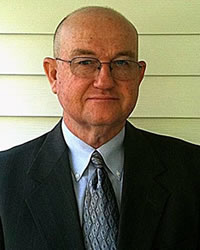
Gary Shepard

The Prayers of the Righteous

James 5:16-18
Gary Shepard April, 27 2014 Audio
0 Comments
Gary Shepard
Gary Shepard April, 27 2014

Sermon Transcript

Auto-generated transcript • May contain errors

100%
The book of James and the last
chapter, chapter 5. I'll begin reading in verse 16. Confess your faults one to another,
and pray one for another, that you may be healed. The effectual
fervent prayer of a righteous man availeth much. Elias was a man subject to like
passions as we are, and he prayed earnestly that it might not rain,
and it rained not on the earth by the space of three years and
six months. And he prayed again, and the
heaven gave rain, and the earth brought forth her fruit." There have been, it seems, so many situations of
late wherein We've been asked to pray for someone, pray for some matter concerning
ourselves, or our families, or our friends, or our brethren. It seems like that the matter
of prayer comes up again and again, even in about every social media that
you see. I have heard sickness spoken
of and situations mentioned on some of the social media sites
wherein someone will invariably post prayers going up. Or people will ask others to
say a prayer for someone. I truly believe that there is
a big difference between saying a prayer and praying. A big difference. James here in his instructions
And in his encouragements concerning prayer, especially for our brethren,
makes a statement that has been on my mind all week. It just keeps coming back to
my mind. And that statement is the one
in the latter part of verse 16. where he says, "...the effectual
fervent prayer of a righteous man availeth much." That's kept
coming back to my mind this week. We've been asked and desired
to pray for Olivia's daughter and others. And James says here, not only
for the purpose of instructing us and teaching us, but also
for the purpose of encouraging us. He says, the effectual fervent
prayer of a righteous man availeth much. And there are three things that
came to my mind, three things that I want us to consider in
this statement, and that we find actually described by the Apostle,
who is led by the Spirit of God to write this, three things that
are set forth in this statement. And the first thing that always
comes to my mind, the first thing that really strikes me in this
statement is the persons that are described. There's no doubt
about him distinguishing the persons whose prayers avail much. He says, The effectual fervent
prayer of a righteous man, or of righteous men, including all,
male or female, in Christ, he says, of the righteous. He's not talking about all that
passes under the guise of prayer in any age and day, because men
have called prayers Words and sentiments and things that they
have offered up to their gods for all as long as time has stood. What he's talking about here
is the prayers of the righteous. And this is exactly in line of
something that we read in the book of Proverbs. We need to
listen to this verse and take instruction. In Proverbs 15 and
verse 29, he says this, The Lord is far from the wicked, but he
hears the prayer of the righteous. He's far from the wicked, but
he hears the prayer of the righteous. Now when we read about the persons
that are described by the Apostle in this statement, We run immediately,
if we know anything about the Bible, we run immediately into
a great problem. Hold your place here and turn
back to the book of Romans, where in the third chapter of Romans,
another apostle, also led by the Spirit of God, the apostle
Paul, He tells us in Romans chapter 3, beginning in verse 9, and
speaking of himself as a Jew and two Jews. What then? Are we better than they? Are we Jews better than the Gentiles? No, in no wise. For we have before proved, both
Jews and Gentiles, that they are all under sin." And he says,
this is not my new doctrine. This is what God has already
and always said concerning all of Adam's race in themselves. As it is written, there is none
righteous, no, not one. So when he says God hears the
prayers of the righteous, and then he says here and tells us
that no son or daughter of Adam in themselves are righteous,
Who is he talking about? Who is he talking about? You
see, not all who say they pray, not all who perform a ritual
or prayer, or talk as if they have the ear of God, they're
not really praying. I don't care how much they do
it. I don't care how impressive it
is. They cannot of themselves pray
to God as they are to God as He is. Just can't do it. Because in ourselves we are nothing
but the wicked. There's none righteous. And not
only that, not the religious, such as the Pharisees, who knew
this thing in a kind of a head manner, but at the same time,
they thought they were righteous. In John 9, this is what they
told the Lord. Now we know that God heareth
not Well, actually, the truth of the matter is that is the
only ones God does hear. But if any man, they said, be
a worshipper of God, and doeth his will, him he heareth. They didn't think themselves
to be sinners. They thought themselves surely
to be doing the will of God. And so, what they were saying
was, if God hears the prayers of anybody, it must surely be
us. And we read there in Luke chapter
18 of this very example that Christ gave us concerning this,
when He says that He spake this parable unto certain who trusted
in themselves that they were righteous and despised others. If you remember in our reading,
it says that the Pharisee prayed. But it says, the Pharisee prayed
thus within himself. He wasn't praying to God, he
was praying to himself. He was praying to the God of
his own imagination. And he said, I thank you that
I'm not as other men are, just like I'm not as this publican
is, or those who are extortioners, or whatever it might be that
they are. I thank you I'm not like they
are. That's not prayer. But it says
of that publican, that he would not so much as lift up his eyes
toward heaven, and he smote himself on the breast, and he prayed
this to God, Be merciful to me, thee sinner. Not the religious
who pray. And not only that, it says of
them and others like them, Paul talking about his own people,
he said, for they, being ignorant of God's righteousness and going
about to establish their own righteousness, they have not
submitted themselves to the righteousness of God. In other words, those
who are going about to establish their own righteousness and have
not submitted to the righteousness of God which is in Christ, they're
not the righteous. Pray all they want to. Pray as
that Pharisee. And not only that, but the Lord
Jesus uses these people and their like are in every age that followed
that. And before that, He said, "'For
I say unto you that except your righteousness shall exceed the
righteousness of the scribes and the Pharisees, you shall in no case enter the
kingdom of heaven.'" They were the morally pure, supposedly. They were the learned scholars
of the Bible. They were the very religious
faithful. They tithe, they said. They did all of these things. They dressed in a special way. They showed themselves before
the world as those who were so pious and outwardly dedicated
to God. But our Lord Jesus came on the
scene, And that which was highly esteemed of man, he showed to
be an abomination to God. He said, except you got a better
righteousness than these that you admire for theirs, you'll
in no case enter into the kingdom of heaven. And the prophet Isaiah
says this, he says, led of the Spirit of God, all our righteousnesses,
they're as filthy rags. You see, these are not the self-righteous. But these are they who are righteous
by the grace of God in the Lord Jesus Christ. They confess with
their heart that He is not only their righteousness, but the
only righteousness they possess. And they are said to be, by the
Apostle in 2 Corinthians 5.21, those who are made the righteousness
of God in Christ. It's not what they do that is
their righteousness or that makes them righteous. They have been
made or accounted righteous in the sight of God in Jesus Christ. Made the righteousness of God
in Christ. And they confess that they of
themselves and by themselves have no righteousness. Now I thought that in some 66
years of my life that I had heard the self-righteousness of man
displayed and promoted and stated by individuals to a degree that
was unimaginable until I read one in the newspaper. until I
read a statement that was made to a reporter by the man that
was the former mayor of one of the largest and most prominent
cities in the world, New York City. And this is what he said,
I am telling you, if there is a God, When I get to heaven, I'm not
stopping to be interviewed. I'm heading straight in. I have earned my place in heaven. It's not even close." Unquote. Can you imagine? Can you imagine
the blindness and the audacity and the self-righteousness from
which that statement flows, that's exactly the opposite, the extreme
opposite of those James is describing here. These are the righteous. And they are the object of God's
grace that it says reigns in righteousness. They have been
made righteous because God in grace, in a righteous way, has
made them righteous in His Son. He's given them in Him the gift
of righteousness. They've been declared righteous,
or as the term is biblically justified, by God who has imputed
to them the very righteousness of Christ. They're the righteous. And they are those among whom
Abraham was also accounted such. It says that Abraham believed
God and it was counted to him for righteousness. Abraham, even
in his day, looked outside of himself, and apart from his own
doings and his own sin, he looked out to God, believed the promise
of God, and was righteous in the Lord Jesus Christ. He did not trust in himself. And when you stop and think about
it, true prayer is just the opposite of self-trust. And it is said to be the very
heritage of the Lord's saints when in Isaiah 54 he says, saith the Lord." Can we say what God says? Can
we say our righteousness is of Him? It is from Him. It is by Him. It is for Him. Their righteousness, He says,
is of Me. And then when he goes to describe
them in Ezekiel chapter 16, that ugly, vile, bloody, aborted infant
in the field which describes us in our natural state and in
our self-righteousness, And he begins to say what he did in
sovereign free grace and mercy to her, his church, his people. He lifts her up, he washes her,
he decks her out, he clothes her, he bejewels her. And then
he says this, And thy renown went forth from among the heathen
for thy beauty. For it was perfect through my
comeliness which I had put upon thee, saith the Lord." That's
who the righteous are. They've not done one thing in
themselves. They have nothing to offer to
God. They have nothing in the way
of righteousness that they did not receive as this free gift
of God totally in Jesus Christ of whom they proclaim this truth. He's the Lord, our righteousness. Turn over to Romans chapter 4.
Romans chapter 4, where Paul makes it so very clear, so unmistakably
clear. He begins in this fourth chapter
saying, What shall we say then that Abraham our father, as pertaining
to the flesh, has found? Abraham given as a prominent
biblical figure? One of the patriarchs? Abraham
described as the father of all who believe. What has Abraham
found? For if Abraham were justified
or declared righteous by works, he hath whereof to glory. He made glory before man. If
he were justified by his own works, if he declared himself
righteous by his own works, he could boast before man, but not
before God. And you see, if we go back, The
basis upon which we think ourselves saved or justified or righteous,
if we go back in our minds and look to something that we have
done or a decision that we've made or an experience that we've
experienced, we don't really have anything, anything to stand
before God. I've always been amazed. When
you go to the Old Testament and you read about the life of Abraham,
so many amazing things about Abraham, his exploits, all these
things that happened concerning him, amazing in every way. And yet, when you get to the
New Testament, several times is his name mentioned, but not
pertaining to those things But it says, Abraham believed God. Abraham believed God. Verse 3 says, For what saith
the Scripture? Abraham believed God and it was
counted unto him for righteousness. He did not receive righteousness
by doing, he received righteousness through believing. Now, to him that worketh, tries
to establish his own righteousness, to him that worketh is the reward
not reckoned of grace, but of debt. If you could be righteous
before God and actually be so by your doing, it would be God
simply paying you or honoring what you've done as a debt. And
it would not be grace. but to him that worketh not."
Do you understand that? That flies into the face of everything
that is natural to us. It flies into the face of everything
we grew up being taught in most cases. You're just a little fellow. And mom and daddy, when you act
up a little bit, they say, now if you want to go to heaven,
You better be a good boy, a good girl. What is that? That is an appeal to something
that is natural to us, but used even maybe by well-meaning parents
to dictate what we do as if there is with it a promise of reward
for our doing or a threat if we don't do. And so religion comes along,
it knows that. The devil knows that. And so
everything that goes under the banner of God, though it is really
the banner of Satan, is based on something that we do to be
righteous. If you'll join our church, you'll
be righteous. If you'll go down into this baptismal pool, you'll
be righteous. If you put your name on our row,
you'll be righteous. If you quit drinking and smoking
and cussing and running around, you'll be righteous. No! Maybe
you ought to do all those things. But none of those things, or
abstaining from doing those things, will ever make you righteous
or me. This has to do with those who
are truly righteous before God. But to him that worketh not. That's not a hindrance to what
the Bible calls good works. That is a command that we are
to avoid at all costs any notions of our standing just before God,
righteous before Him, on the basis of what we do. "...to Him
that worketh not, but believeth on Him that justifieth the ungodly."
That's not the God of our day. Now you can just mark that down.
That's not the God of our day. The God of our day is presented
as a God who justifies, who blesses, that's the word of our day, who
blesses those who are godly. That's a lie. "...to him that
worketh not." but believes, trusts in, relies
solely upon Him who justifies the ungodly, his faith is counted
for righteousness." You mean faith itself is? No. The one
true God-given faith lays hold of. That's the Lord Jesus Christ. True God-given faith always,
rather than trust in self, always relies and looks to the Lord
Jesus Christ. He's the only righteousness there
is. And then he gives this example
in verse 6, he says, "...even as David..." Oh, David. He's a works preacher's worst
nightmare for an example. Oh, David. Do you ever read a
Bible story growing up that told all about David, or as one old
news commentator used to say, the rest of the story? about
David the adulterer, or David the murderer, or David who sins
in numbering the people, and of all the illustrations that
the Spirit of God would bring to the mind and heart of the
Apostle Paul, it's David. Even as David also describes
the blessedness of the man. The blessedness of the man. He's
blessed of God. He's happy because of what God
has done for him in grace. He's a blessed man. Blessed is
the man unto whom God imputes. I hate it when people try to
take that word, that beautiful Bible word, and talk about it
as if it was a dirty word, or talk about it as if it was a
mere legal matter, or a mere theological matter. What does
it mean to impute? It means to reckon to the account
of another. The blessed of God is that person
unto whom God imputes or reckons to the account of His people
righteousness without works. You mean to tell me that on the
ledger of God, the profit and loss statement of God made toward
every one of His people, Without them lifting a hand, without
them doing anything, and as a matter of fact, with them doing everything
but that, God writes down in the plus side, in the profit
side, of that account and ledger, righteous. That's exactly right. You say, well, preacher, what
about our lives? What about this and that and
the other? There is a lot to say about that. But we know nothing
about the truth and the gospel of God's glory until we find
out how it is that He justifies us sinners and makes us righteous.
That's who He's talking about, James. The righteous man. Then verse 7, he says, saying,
Blessed are they whose iniquities are forgiven and whose sins are
covered. Blessed is the man to whom the
Lord will not impute sin. You say, you mean you look over
there in the negative side of that column? In the minus, in
the deficit side? And here a sinner is, such as
David. Here he is, not only is there
righteousness accounted to the positive side, but there's nothing
on the deficit side. How is it that God could ever
justly look upon any sinner and make them righteous on one side,
and yet at the same time not account their sins to Him, not
charge them with sin, because He's charged them to the Lord
Jesus Christ. They've been made the righteousness
of God in Him, through Him, by Him, which involves the Lord
laying on Him their sins and Him dying for their sins, paying
that sin debt and counting them righteous by viewing them, each
one, only in Christ. Then you come down to verse 20.
It's talking about Abraham. He's staggered not at the promise. He's an old man. God's going
to give him a son. It's so against nature. It's
so against logic. It's so against the physical.
It's an impossibility as far as human bodies at that age are
concerned. God's going to give him a son.
It says he's staggered not at the
promise. But that was not the only promise. That was just a picture of the
promise that God would give him righteousness through a coming
son that would come through his earthly lineage. He staggered not at the promise
of God through unbelief, but was strong in faith, giving glory
to God, and being fully persuaded that what He had promised He
was also able to perform, and therefore it was imputed to Him
for righteousness." But look at verse 23. Now it was not written for his
sake alone that it was imputed to him, but for us also, to whom
it shall be imputed if we believe on him that raised up Jesus our
Lord from the dead." Actually, what's being said in this verse
is that it is imputed. Since this letter was written
to the Lord's believing people, He said it's imputed to us also
since we believe on Him who raised up Jesus our Lord from the dead. Jesus who was delivered for our
offenses, suffered at the hands of God's justice for our offenses,
and was raised because of our justification, because God declared
us righteous through His person and death. That's who the righteous
are. It's not who we think it is by
nature. It's not who false religion It
says forth as those who are righteous, but these, God's elect, who have
been made righteous by God imputing to them the righteousness of
God in Christ." That's the person described. But not only that, but we have
secondly, the prayer described. And he says that it is the effectual,
fervent prayer of a righteous man. Not the longest prayers. Not the loudest prayers. Not the most emotional prayers. You know the Pharisees prayed
long prayers. Christ said, Woe unto you scribes
and Pharisees, hypocrites, for you devour widows' houses, and
for a pretense show. Make long prayer. Therefore you
shall receive the greater damnation. They prayed long. He said, When you pray, Use not
vain repetitions as the heathen do, for they think that they
shall be heard for their much praying." We're going to bombard
heaven. We're going to throw like spitballs
toward heaven our prayers. We're going to pray so much,
we're going to pray so long, we're going to pray so loud that
God will have to listen to us. No, He doesn't. It's not the
most eloquent prayer. It's not surely the best public
prayer. Listen to our Lord. And when
thou prayest, thou shalt not be as the hypocrites are. For they love to pray standing
in the synagogues and in the corners of the streets, that
they may be seen of men." I've been in restaurants and in walks
a group from a religious organization. You can just tell the preacher,
he stands out like a sore thumb. They all sit down. And they're
going to attract attention from all over that restaurant because
they're all going to say, let us pray. They have their reward. So you don't pray, do you preacher?
I pray and thank the Lord for what He's done and given to me. I'm not praying to them. I'm praying to Him. Prayer being a matter of the
heart, a conscious sense in our heart of thankfulness and gratitude
for what God has given us. He said they make long public
prayer and they have their reward. What did they want to be seen
of me? Look at me. Look how religious
I am. Look at me. I'm praying to God. You're not praying to God. I'm
praying to God. He says, "...but thou, when thou
prayest, enter into thy closet, and when thou hast shut thy door,
pray to thy Father which is in secret, and thy Father which
seeth in secret shall reward thee openly." So if it is not this kind of
praying, What is it? What is effectual, fervent prayer? Well, the translators that I
would trust the most, the gospel preachers in ages past that were
true gospel preachers such as Robert Hawker and others, they
say that this word, these words mean something like this. inward
wrought prayer. You say, what do you mean? Meaning that it is wrought in
the soul, in the heart, by that One who gives the spirit of prayer,
the author of prayer, the Holy Spirit of God. It begins in us. Not on our lips. Not even simply in our heads. But in our hearts. Wrought in
our hearts by the Spirit of God. It's not like we ought to pray.
It's like we have to pray. Lord, just let me find a place
somewhere where I can get out of this crap. Pour out my heart
to you." It's called by this same Apostle James, the prayer
of faith. How can it be the prayer of faith?
Well, if the Spirit of God has moved me to pray, can I not believe
God? The in-wrought prayer. That prayer that is the product
of the working of God's Spirit in us, that prayer of the Holy
Spirit, turn over to Romans again in the 8th chapter. Romans chapter
8 and look down in verse 26. Likewise, the Spirit also helps
our infirmities." You see, that's what we're going to find, is that effectual fervent prayer flows from the hearts of God's
people in spite of their infirmities. Likewise, the Spirit also helps
our infirmities, for we know not what we should pray for as
we ought." It seems to me that the most
sincere, heart-wrought prayer that ever finds itself in my
own heart is the acknowledgement that I, in myself, do not know
how to pray, what to pray for, and I'm found bowed in submission
to the will and the wisdom of God. But the Spirit itself maketh
intercession for us with groanings which cannot be uttered. And he that searcheth the hearts
knoweth what is the mind of the Spirit, because he makes intercession
for the saints according to the will of God." According to the
will of God. Because all true prayer, all
effectual fervent prayer, all inward wrought prayer wrought
by the Spirit of God is for the glory of God, first of all. For the glory of God. And it
is according to the will of God It's only when the Spirit of
God brings us to remember, to acknowledge, that we don't know
what's best. That He alone knows what's best. And that He, for His own glory,
and because of the mediation of the Lord Jesus Christ, would
hear us. when we pray. Because in truth,
He's the true righteous man. But when John begins to tell
us and remind us about how this all works, he says, we have an
advocate. He said, if you say you don't
sin, you're a liar and you make God a liar. But nevertheless,
we have an advocate with the Father. A go-between. And who
is He? He's not just Jesus Christ. He's Jesus Christ the Righteous. I'm afraid so often times that
our prayers are just vain repetitions, and I count myself among the
guilty. But when the Lord works in our
hearts, And the Spirit of God stirs in us that spirit of prayer
and faith to believe God, to believe His promises, to rely
upon His wisdom, to know that He is working all things together
for good to them that love Him, to them that are the called according
to His purpose. We have peace. And there'll be a lot of people who when God gives healing or
God gives blessing or whatever it is, that they're standing
right there ready to take the credit for it. It's because we
prayed for you. But it's always because the righteous
pray. Job had some self-righteous friends. They looked down on Job. They
pointed out his failures and his faults. They accused him
of self-righteousness. But when it came down to the
final analysis, he prayed, and the Lord told
his good friends, He said, you go offer sacrifices. And if my
servant Job prays for you, I'll hear him." Isn't that something?
You mean he doesn't hear everybody? No. He doesn't hear these who
are very religious, very moral, very selfish? No. Poor old pitiful
Job. Bits of unbelief. Failures. But he said, if Job prays for
you, I'll hear him. I've often thought over this
world who's so quick to take credit for prayer and such as
that, you know, and, well, God healed you because we prayed
to Him. And they find out that it's because
the Lord's true people, His true people prayed. And their prayers
were nothing but sin. as is evidence in their willingness
to get the glory. And the example that James gives
here, he's also amazing, Elijah. Elijah. Oh mighty prophet of
God, Elijah. It says, Elijah was a man subject
to like passions as we are. He had similar weaknesses, you
could say. But he prayed. Somebody said,
God would never have His servant pray for judgment. Read the first
verse of 1 Kings 17. He prayed. And it rained not on the earth
for three and a half years. But then he prayed again. And
the heaven gave rain, and the earth brought forth her fruit.
There were Ahab and Jezebel and all the false prophets, about
850 of them, Elijah, after the Mount Carmel
experience, had taken out and slain every one of them. And
when they had failed with their praying, this poor old weak fellow,
who not long after that, is found down under a juniper tree. So
he's saying here, it's not by our self-strength or our amazing
abilities or faithfulness or any of this. Elijah was found
under a juniper tree ready to say, God, just take me on. But in spite of that, he prayed.
I believe, if I'm not mistaken, a prayer of 64 words. I won't even fill one page in
anybody's prayer book. Sixty-four words. And God answered from heaven.
God rained fire down from heaven on that offering, those sacrifices
that had been covered over with barrels of water until it was
obvious and evident that they were thoroughly absorbed and
waterlogged. He rained fire out of heaven,
consumed the sacrifice, licked up the water out of the trenches.
That's the example. Elijah, he was a man of similar
weaknesses and afflictions as we are. But he prayed. The Spirit of God wrought in his
heart this prayer. The prayer of faith. And then
we have the promise described. The effectual fervent prayer
of a righteous man availeth much. Which means is strong, has efficacy,
prevails because with these words is the idea of strength and power. overcomes resistance and secures
the object, which does not mean that it changes God's mind. I
do believe that most people have a notion that prayer somehow,
well, they say it, prayer changes things. Not God. You don't change what's perfect.
You don't change what's right. He said, I am the Lord. I change
not. And it's for that reason you
sons of Jacob are not consumed. I look back at some of the things
I've prayed for, and I say, thank you, Lord, that you did not answer
in the way I prayed. In my ignorance, in my self, glorying in my self-righteousness,
in my self-love. But what it does, it changes
us. When the Spirit of God works in our hearts, the spirit of
prayer changes us. Because that's the only time
we can truly in our hearts pray as we're taught to pray, Thy
will be done on earth as it is in heaven. So John says in his epistle in
chapter 5 of 1 John, and this is the confidence that we have
in Him, that if we ask anything according
to His will, He hears us. He hears us. If He has made us
the righteousness of God in His Son, then we not only ought to
pray, we ought to find an encouragement to pray. Not for our glory, not
even primarily for the good of those we pray for, but for the
glory of our God. Because that inward wrought prayer,
brought in us by the Spirit of God. He says, "...availeth much."
God has purpose on many occasions to bring forth
the accomplishment of His unchanging and eternal will through the
prayers of His people. Contingency plan for God to dry
up the earth for that three and a half years when Elijah prayed
the first time? Or maybe a change of mind to
bring the rain and give the rain when he prayed again the second? I don't know. He does all things
according to the counsel of His will. But He glorifies Himself
and He blesses His people. through prayer to Him. The effectual,
fervent prayer of a righteous man availeth much. I don't know what much is, but
He does. He does. And if we're not found
as the Lord's believing people on this earth, if we're not found
praying for each other, as is the context it, in all matters, sickness,
whatever. And for this earth, and for other
people, who will? And more importantly than that,
who can? But those made righteous by the
grace of God in Christ. So I'd say, like Paul, pray for
me. Please pray for me. Pray ye one
for another. Pray for these that we feel by
God's Spirit inclined to pray for. And may He get all glory
and honor. Our Father, this morning we come
through the mediation of Your dear Son. We come confessing
need and fault, not only in ourselves, but in each other. Finding, Lord, our hearts stirred
by Your Spirit to pray, and yet not knowing of ourselves how
to pray, but to pray that Your glorious, good, and wise will
be done among all people at all times for the glory of Your name. And knowing, Lord, that all that
You do as we look to Thee, whether we even in this moment understand
it or not, You are working together for good to Your people. We pray for these that are sick
that are upon our hearts and our minds. We pray that You'd
have mercy and help, that You would give us, Lord, not only
now but throughout every day, the spirit of prayer and supplication. that we might thank you and that
we might plead with you for all our needs. Help us, we pray,
for we ask it in the name of our Lord Jesus Christ. Amen.
Gary Shepard
About Gary Shepard
Gary Shepard is teacher and pastor of Sovereign Grace Baptist Church in Jacksonville, North Carolina.

Comments

0 / 2000 characters
Comments are moderated before appearing.

Be the first to comment!

Joshua

Joshua

Shall we play a game? Ask me about articles, sermons, or theology from our library. I can also help you navigate the site.