Bootstrap
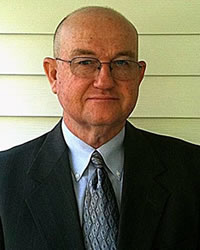
Gary Shepard

Why Jesus Was Born

1 Timothy 1:15
Gary Shepard December, 22 2013 Audio
0 Comments
Gary Shepard
Gary Shepard December, 22 2013

Sermon Transcript

Auto-generated transcript • May contain errors

100%
What a blessing it is if the
Lord enables us in this life to sing of His worthiness. That's the song of His people
for all eternity. Worthy is the Lamb that was slain. I want you to turn this morning
to the book of 1 Timothy. 1st Timothy. In the very first chapter we have one of those verses that seem to sum up all of the
Scriptures, seem to sum up all of the Gospels. If you look down in verse 15,
the Apostle Paul writes in this epistle, and he says, This is a faithful
saying, and worthy of all acceptation, that Christ Jesus came into the
world to save sinners of whom I am chief." My message this morning I call,
Why Jesus Was Born. There will be a lot of people
talking today about the birth of Jesus Christ. Sad it is to say they won't say
very much about what his incarnation actually involved. Paul writes to Timothy in the
third chapter and he says, without controversy, great is the mystery
of godliness God was manifest in the flesh. This was not a mere normal birth,
but God was manifest in the flesh. But if there be few that believe
that, hear that, there will be even less. who know and who will
say why he came. There are three things that are
emphasized in the scripture and spoken of by men and women in
general. One is the birth of Christ. The other is the death of Christ. and the other is the resurrection
of Christ. These three facts are believed
by a lot of people. But as to the why of them, as
to what the scriptures say the accomplishment of them is, there
are few that seem to have any understanding at all But this
is exactly what the gospel, the true gospel, actually declares. And that is why the gospel of
the grace of God in Christ is fit and relevant to our present
hour and to our greatest need. And in mercy God has preserved
this statement so that it will be stated in the present tense
as long as the world stands. It will say the same thing as
long as time stands. He says this is a faithful saying. He doesn't say it was or even
that it will be. They both are true. He states
it in the present. This is a faithful saying. It is a word for now and it is
a word for all who will listen. And in the midst of all the unfaithful
sayings that are spoken in this world, this saying is distinguished
as truly being such. And there's one thing that becomes
obvious as we read that one verse, and it is that the gospel is
a saying. The gospel is a saying or a speaking,
a proclaiming, a declaring, and heralding of news, of truth,
of the word of God. The gospel is called in another
place the testimony of the Lord. It is described as being, to
some people, God tidings. It is not a fable, it is not
a myth, it is not a legend, or a tradition, or a rumor, but
it is nothing less than the declaration of the eternal God. It is the very thing that Isaiah
spoke of in the first verse of Isaiah 53. Same message, which
he describes as a report. Who hath believed our report,
and to whom is the arm of the Lord revealed? It is a report
from God, and yet it remains to fall on deaf ears and without
understanding unless God is pleased to reveal it. And the word say
here is the word logos, which is the word John often uses when
he speaks concerning the living word, the Lord Jesus Christ. And not only John, but Peter
also, he uses this word and he most definitely associates that
which cannot ever be separated, which is the living word from
the written word. Peter writes, he says, being
born again, not of corruptible seed, but of incorruptible by
the word of God, which liveth and abideth forever. He goes on just a bit later and
says, but the word of the Lord endureth forever, And this is
the word which by the gospel is preached unto you. The gospel is a saying, or as
Paul says here, it is the word, the written word concerning the
living word, the Lord Jesus Christ. And he writes to those Corinthians
and he makes this statement, he says, but as God is true,
our word toward you was not yea and nay. You hear a lot of preaching
in our day that amounts to just that. It is yea and nay at the
same time. It is yea concerning what God
does, but then they turn on the other hand and tell you what
you must do, or what you must do to make what He has done effectual,
so helpless sinners find this to be also the nay message. But Paul says, Our word to you. What we preached to you was not
yea and nay, for the Son of God, Jesus Christ, who was preached
among you by us, even by me and Silvanus and Timotheus, was not
yea and nay, but in him was yea." Somebody says, our message is
negative. Oh, no. Our message is the only
positive message in this world. It is all yea or yes in Christ. He says for all the promises
of God in him. Now if you want promises from
God outside of him, you'll never have them. But he says, all the
promises of God in him, that is in Christ, are yea, and in
him, amen, unto the glory of God by us. So Paul is telling us that this
subject, or this teaching, and this doctrine concerning Jesus
Christ, that is the sum of it, as taught by John and by Paul,
and even by Christ himself, it is a true message. It is a true word. It is, as he describes it, not
only a saying, but a faithful saying. That means it is trustworthy. That means you can hang all hope
of salvation on it. That means it will stand when
this earth is no more. It is trustworthy and accurate
and a very definite saying. And it is not because Paul or
any man says so, but because this is the word of God. This
is what God says. He says in Deuteronomy, know
therefore that the Lord thy God, he is God the faithful God. This is a faithful saying because
it is the saying of the faithful God who keeps covenant and mercy
with them that love him and keep his commandments to a thousand
generations. The apostle tells us, faithful
is he that has promised. It says that he is faithful and
just to forgive our sins. It says that he ever abides as
faithful. So Paul says in another place,
God is faithful by whom you are called unto the fellowship of
his Son, Jesus Christ our Lord. This is a saying. This is a word
or a message or a declaration. And it is faithful, trustworthy,
because God who spoke it and sent it is faithful. As a matter of fact, it reveals
and shows the faithfulness of God to himself. It shows his
faithfulness to all his purpose, to his decrees, to his law and
to his justice, to his love, to his mercy and his grace, to
his word and his promises, to all his character and all his
attributes perfectly. It is a faithful saint. And surely it shows us the faithfulness
of Christ to the Father. That is to all his covenant pledges. It shows the faithfulness of
Christ to his chosen people whom he pledged to save. And it shows
also the faithfulness of the Holy Spirit. to carry out and
to ensure and to apply all blessings to those that the Father chose
and those whom the Son redeemed by his blood. It shows him faithful
to give them new birth and to call them to Christ, giving them
faith to believe this message. It is a faithful saying. And he then goes on, he said,
it is a faithful saying that is worthy of all acceptation. He declares that this gospel
is to be preached to every creature we have opportunity to preach
to. And it is worthy of all exception
that is true and worthy to be received and believed and trusted
in and relied upon, suitable exactly to God as he is and suitable
to sinners that it's preached to. But if you remember at the hour
when Paul wrote this to Timothy, that great distinction that God
had made when he distinguished these Jews from all the other
people on the earth, that distinction between Jew and Gentile. And here is the Word of God that
had only been said, the Work of God that had only been done
through these Jews for so many years, and yet this is the announcement
of this Gospel. that it goes out to a people
that are found among the Jews and the Gentiles. That middle
wall of partition having now been broken down, the message
goes out and Paul himself is describing himself as the apostle
to the Gentiles. So that means that whoever it
is Jew or Gentile, or as it is more particularly, to be received
by all kinds of persons, whether they be male or female. It's reward of all acceptation,
whether they're young or old or rich or poor or learned or
unlearned or near or far, it's to be received as a treasure. Those who receive it, receive
it and find it to be like a treasure. He says as it goes from faith
to faith through earthen vessels, it is to be valued and valuable
and to be esteemed highly by all. It's worthy of all acceptations. But sooner or later, we have
to come down to this main issue, and that is, what is this saying? What did God say through the
prophets, through all the types and the pictures, all the ceremonies,
all the sacrifices of the Old Testament. What does this saying
say for such as John the Baptist, the Apostle Paul, Peter, James,
John, whoever they are, they all spoke with one voice. They did not speak in the Old
Testament by the prophets of salvation one way, and then by
these apostles in the New Testament of salvation in another way. They all spoke this same saying,
which was this. Jesus came into the world to
save sinners. Now if you were an Old Testament
prophet, such as Isaiah and others, you would be crying out that
the Messiah, this one person, this Christ, is coming into the
world to save sinners. Joe, you read it there in Isaiah
9. If you you would be saying not only
that Christ Jesus has come into the world to save sinners, and
also stating that he is coming again into this world. But it all boils down to this
fact. Christ Jesus came into the world
to save sinners. Now there's something that's
obvious here. And that is, if he came into
the world, he must have existed prior to his coming into this
world. Which he most certainly did,
being the eternal son of God. You see, Bethlehem is not, or
was not, the beginning. It was not the beginning of God's
salvation, and it most especially was not the beginning of God's
Son. John the Apostle, in his gospel
account in chapter 1, makes this statement. He says, and the Word
was made flesh, but long before that. He says
the Word that was with God, the Word that was God, The Word that
was in the beginning, that is the Word that was made flesh
and dwelt among us, and we beheld His glory, the glory as of the
only begotten of the Father, full of grace and truth. He was the Word before He became
flesh. As a matter of fact, where you
read there in Isaiah, it says, and unto us a child is born,
unto us a son is given. It doesn't say that the son is
born. No, he's the eternal son of God. He's the pre-existing one. He came into this world, this
son that is given, and he became the child that was born. And I'll say this one more time. that of all that God has done,
and of all that he could do for us, having from heaven created
this earth, spoke it into existence, called prophets, done great and
mighty, marvelous works, did everything for every person that
has ever lived on this earth, sustained them, But the one thing
he couldn't do for heaven, from heaven, and that is he could
not do what's necessary to save sinners like us. Why is that? Because in order to save sinners
like as we are, like as he came to do, He must have a body by
which he would then be able to die. To die. Because that's exactly what God
requires in the matter of our sins. That never changes. You say, well, God decided to
save us. Oh, but he didn't decide to sweep
our sins under the carpet. He didn't decide to turn his
back on our wickedness and our rebellion and our breaking of
his law. He didn't decide to violate his
eternal character that we just sung of, which is his holiness. And because he said, the soul
that sinneth shall surely die. And because he declared that
the wages of sin is death in order to save us. He must come
into this world. He must be this child that is
born. He is Christ Jesus. That is Christ,
God's anointed and appointed Savior. And He is Jesus, the
God-man, Jehovah Jesus. He came to do the will of Him
that sent Him. He came to do the work given
Him. He came, as Paul says, in the
fullness of time, made of a woman, made under the law to redeem. How could He redeem? Because
redemption all the way through the Old Testament and into the
New is always by the shedding of blood. I know how we are. We just rather
set up a little nativity scene somewhere and be done with the
whole thing acknowledging Jesus was born. We'll stick up a wooden
cross somewhere and we'll just say, Jesus died. We'll have a
service outside at daybreak and we'll just acknowledge the fact
that Christ rose from the dead. But what in the world was that
all about? When somebody says, Jesus was
born, I want to say, so what? Or Jesus died, so what? Or He rose again, so what? What was that all about? Why
did He come into this world? What did He accomplish by His
coming? Daniel said He came to make an
end of sins. Daniel in that prophecy said
that Messiah would bring in everlasting righteousness. The scriptures
say that He was made, sent for us that we might be made the
righteousness of God in Him. When He came into this world,
He showed Himself the Lord our righteousness. In John chapter 4 he says to
men, his own disciples, when they're talking about physically
eating, that's usually the way we are. We're more interested
in the belly than the soul. But he said to them, My need
is to do the will of him that sent me, and to finish his work. His coming was about a work that
is described elsewhere as the work of righteousness. Again
he says in John 17, I have glorified thee, Father, on the earth. I
have finished the work which thou gavest me to do. And then
in that final hour, in John 19, it says that when he had received
the vinegar, he said, it is finished, and he bowed his head and gave
up the ghost. And I wish we could see this. I wish we could understand this,
that Christ Jesus came into the world to save. Did I read that wrong? It says that Christ Jesus came
into this world to save. If his mission was to save every
person, he miserably failed. If his mission was to make everyone
savable, then it is a total failure. But it says that he came into
the world to save. Not to give men and women a chance. Not to make us savable. Not to
make salvation possible. Not to make an offer. He came
to be the offering. He came to be that one offering
for sin forever. He came to be that sacrifice
for sins and thereby to save. That's what He came to do. Without the aid of any person,
totally apart from, except for the reception of all the responsibility
for their sin, separate from sinners, he came to save. And I'll tell you what, it's
a miserable religion. It's a miserable message. When
men stand in the pulpit and they're always putting people to doing. Always laying on them the bondage
and all the heavy laden stuff. Rather than pointing them to
the Savior. Somebody said, well Jesus does
save us, he saves us, but watch out. He, the man stands there and
he makes us like a beast of burden, not like a son or an heir, but
like a beast of burden, like a slave. Well, you need to do this. If
I'm always emphasizing what you need to do, rather than telling
you what Christ has done, not only will you be miserable,
but if you ever think for just one minute you've done something
to please God, you'll pat yourself on the back and you'll steal
the glory that belongs to Christ alone. He came into this world to save.
Either he did or he didn't. He came into this world and every
true believer is brought to confess what Jonah confessed from the
belly of the whale. Salvations of the Lord. From Alpha to Omega. the beginning and the end. Turn
over to a verse that I know will be read today. Look back over
Matthew's gospel in chapter 1. This is a verse just like the
one we're looking at this morning. It's one of those says all verses. And it right here is concerning
the birth of Jesus Christ. And it has to do with what a
God sent messenger tells Mary and Joseph that he's to be named. Look at verse 21. And she shall
bring forth a son. And thou shalt call his name
Jesus. For. Because. There's a reason for it. Jesus
is Jehovah the Savior. Jehovah Jesus. For he shall save. Do you see that? There's nothing left to one day
finding out in heaven how many or who will be saved. He shall
save. Isaiah had said, he shall not
fail, for he shall save his people
from their sin. We have the Marine Corps at our
front door. They have had a slogan for a
long time. I don't know if it is still their
slogan or motto, but it said, the Marines are looking for a
few good men. That's what false religion is
looking for. Clean your act up. Straighten
up. Fly right. Christ came into this world looking
for a bunch of sinners. Save His people from their sins. They're sinners. If you look back at the second
epistle to Timothy, In that first chapter of 2nd Timothy, look
down at verse 9, what Paul says. He writes, these are all letters
written to believers. He speaks of God and he says
in verse 9, who hath saved us? That's always the language of
Scripture. Salvation has nothing to do with
your decision, or your will, or your work. Says He saved us. Saved us. Suppose you owed a million dollars. You had
a million dollar note. And somebody went down to the
bank tomorrow morning. With a suitcase full of cash,
they walked into the bank, talked to the banker, and said, you
know Joe or Sarah, whoever it is, they got a note here for
a million dollars. I'm here to pay it. And so they pay it. Not only
do they pay it, they receive that receipt in your name that's
marked paid in full. You ever gotten any of those
receipts? I don't think I've gotten very many of them, but
they sure are nice when you get them. You see it says paid in
full. Now let me ask you something. Does what you do the next day
or the next day, whenever that message gets to you, does that
change anything at all about what's done? You say, well if it's paid, it's
paid. It's legally satisfied. Not to be reversed. Well that's
exactly what the Lord Jesus Christ is doing on that cross for somebody.
He's paying it in full. And His obedience to God, that
obedience unto death, that life laid down, is an irreversible
payment. And it's all our salvation. That's it. That's all of it. You say, what about our future
sin? They were all future then. You
say, what about if I fall? What if I stumble? That's sin. What about all those things you
never even think about, will never know about? He put them all away. And so
that's why Paul says, God who hath saved us. and called us within holy call. He saved us having identified
us, chose us in Christ before the world began, viewed us in
Him as righteousness, trusted all that He would do in His cross
death as our substitute, not according to our works. but according to his own purpose
and grace which was given us in Christ Jesus before the world
began. But is now made manifest by the
appearing of our Savior Jesus Christ who hath abolished death
and hath brought life and immortality to light through the gospel.
Now, here's this bank loan you've got. The man's gone in and he's
paid every penny of it. Got the council note. And he's
a busy man. And so he says to one of his
assistants, he says to somebody he's appointed, somebody he trusts,
he said, You go and find Joe or Sarah, whoever it is. You
go find them and you take this cancel note to them. And you
tell them it's all paid. All paid. Well, it's already paid before
you ever find out about it. But it sure is good news when
you do. That's what the gospel is. It's
glad tidings to a people who find out that God has saved them. That Christ died for them in
their place. That he was the ransom for their
sins. He paid their debt in full. Listen to Titus. Titus chapter 3 verse 4, But
after that the kindness and love of God our Savior toward man
appeared, not by works of righteousness which we have done, but according
to his mercy he saved us by the washing of regeneration and renewing
of the Holy Ghost which he shed on us abundantly through Jesus
Christ our Savior. that being justified by his grace,
we should be made heirs according to the hope of eternal life. This is a faithful saying, and
these things I will that thou affirm constantly. That is, the good news of the
gospel is never to cease being preached to God's people, that
you affirm constantly. You tell them this. You remind
them that salvation is all of grace, that God has saved them,
that Christ has died for them and totally accomplished their
salvation. You say, well, if you keep telling
people that, They'll go out and they'll just live like they want
to. Let me tell you something. People
live like they want to regardless. God doesn't do something for
our want to. Our want to is never anything
but to sin. But he said you keep telling
them this. Why? Because this is the motivation
to obedience to God. You keep affirming these things
constantly, that they which have believed in God might be careful
to maintain good works. These things are good and profitable
unto men. In other words, what he's saying
here is that we are to preach the grace of God in Christ and
finish salvation in Christ alone, and this will be exactly what
men say. that it won't do. He said preach it that we might
carefully, that we might be careful to maintain
good works. You see salvation is what Christ
came to accomplish in full for his people and he said it's finished. If He saved me, I'm saved. The problem is most folks haven't
ever been lost. They maintain a high moral standard. They want to hear about doing
because that's what everything they've got is based on. Based on what they've not done.
Like that fairy said, Lord, I thank you that I'm not like other men. I give. I conduct myself uprightly. I'm not like this publican over
here. But that publican smote himself
on the breast. He said, God, be merciful to
me. Be sinner. Wait a minute. Isn't this what
Paul just said in his verse? I'm the chief, I'm the sin. But that's what all the people
who are saved by grace are brought to feel. The reality of their
own sinfulness. And have the knowledge that the
only way they could be saved is by the grace of God. By one
outside of themselves who had to do everything. Which is what
Christ is. So the publican, he was the sinner
in his eyes. Paul was the sinner in his eyes. Guess what? I'm the sinner in
my eyes. Oh, wretched man that I am. All his people are sinners, but
he dies for them. He shall save his people from
their sins. Long before he ever came into
the world, the whole notion of the death of Christ was clearly
distinguished and declared by Isaiah the prophet, among others. God said, for the transgression
of my people was he stricken. And like an old preacher said,
if there wasn't another verse in all the scripture that taught
clearly particular redemption, if that was the one, I'd have
to believe it. For the transgression of my people
was he stricken. He shall save his people from
their sins. He came into this world to destroy
the works of the devil. He came into the world, John
says, to be the propitiation for the sins of his people. He
came into this world because he loved us and therefore he
came to give himself for us. He came to do something. He came
to save and he did it. You look over in Revelation chapter
5, where you have one of those pictures
in the Revelation of all God's people gathered before the throne. And they were singing that song
I was telling you about earlier. They were singing about that
song about the land. Verse 9 it says, And they sung
a new song, saying, to open the seals thereof, for
thou wast slain, and hast redeemed us to God by thy blood out of
every kindred, and tongue, and people, and nation, and hast
made us unto our God kings and priests, and we shall reign on
the earth. That's why Jesus was born. And sad it is to say that if
that's not what your Jesus did, if that's not why he was born,
then you have the wrong one. He did all. He finished all. You say, well, that's right. But salvation is then conditioned
on faith. No, it's not. God's salvation is the cause
of faith. What Christ did on that cross
guarantees that everyone that he did it for, the Holy Spirit
will, because of that, give them faith and they'll believe on
him. So his true preachers, they're
not on a fool's mission. They're not trying to win the
world to Jesus. We already know the world all
by nature hates the Lord Jesus Christ. But if you're a sinner, that old preacher said a sinner
is a sacred thing, for the Lord has made him such. You're a sinner. I've got a message of hope. If you've failed so many times
trying to Pick yourself up by the bootstraps and do something
that would be pleasing to the thrice holy God, but failed. That's the glad tidings of the
gospel. That is the faithful saying that
is the truth as to why Jesus was born. He came into this world
to save sinners. Call his name Jesus for he shall
save his people from their sins, from all their sins. May we be enabled to look to
him and trust him alone. Father, this day we give to you
all glory and praise and honor in the Lord Jesus Christ. Worthy is the Lamb that was slain. We thank you that in great mercy,
according to your purpose and grace, He came into this world
to save sinners, chosen sinners by your grace. And He saved us, called us with
a holy calling. Your purpose of love and mercy
to us was made manifest in His coming in death. Now He brings life and immortality
to light through the gospel. We thank you for our beloved
Savior, for mercy to such wretches as we are. Help us. Give us more grace that we might,
in light of such a precious salvation, be careful to maintain good works
in this world. Bless your word to our hearts,
for we pray in Christ's name, Amen.
Gary Shepard
About Gary Shepard
Gary Shepard is teacher and pastor of Sovereign Grace Baptist Church in Jacksonville, North Carolina.

Comments

0 / 2000 characters
Comments are moderated before appearing.

Be the first to comment!

Joshua

Joshua

Shall we play a game? Ask me about articles, sermons, or theology from our library. I can also help you navigate the site.