Bootstrap
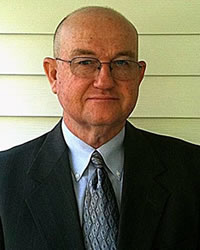
Gary Shepard

The Forgotten Attribute

Romans 3:21-28
Gary Shepard October, 20 2013 Audio
0 Comments
Gary Shepard
Gary Shepard October, 20 2013

Sermon Transcript

Auto-generated transcript • May contain errors

100%
Turn with me in your Bibles to
the book of Romans and the third chapter. Romans chapter 3, and
I'll pick up at where our reading left off, beginning in verse
21. Paul continues, "...but now the
righteousness of God without the law is manifested, being
witnessed by the law and the prophets, even the righteousness
of God, which is by faith of Jesus Christ unto all and upon
all them that believe. For there is no difference. For all have sinned and come
short of the glory of God, being justified freely by His grace
through the redemption that is in Christ Jesus, whom God has
set forth to be a propitiation through faith in His blood, to
declare His righteousness for the remission of sins that are
past through the forbearance of God. To declare, I say, at
this time His righteousness, that He might be just and the
justifier of him which believeth in Jesus. Where is boasting then? It is excluded. By what law? Of works? Nay, but by the law
of faith. Therefore, we conclude that a
man is justified by faith without the works of the law. Now, I sincerely want to speak
to you as clearly and as carefully as I can today. My desire is
to follow the instruction that was given by the Apostle Paul
to Timothy. when He said, preach the Word,
be instant in season, out of season, reprove, rebuke, exhort
with all longsuffering and doctrine. There is no preaching. There
is no exhortation. There is no correction. to be
found for any of the Lord's elect except through doctrine, the
doctrine of Christ. So I want to begin this morning
by asking you this question. How good do you have to be to
go to heaven? How good do you have to be? Well, I'll tell you, and I can
tell you only because the Lord showed me. I've not always known
this. But you have to be absolutely,
100% perfect. Perfect. And when you say that,
I know that someone always rises up, and they'll say something
like this, but nobody's perfect. Nobody is perfect. So I'll ask
you another question. Do you imagine for one minute
that statements like that, such as saying, well, nobody is perfect,
do you imagine that in any way such a statement will excuse
us then in God's sight? You say, God wouldn't require
something that we couldn't do. But we've been looking, just
last Wednesday, on how he gave that law to Moses for a people
who were right then breaking it at the foot of the mount. You see, he will not accept our
excuses, and he will not lower his requirements, because God
is perfect. And for that reason, He gave
all those instructions such as He did in the books of the law,
and in all those sacrifices to show us that's what He requires. God requires perfection. He said of those sacrifices and
offerings, He said, it shall be perfect to be accepted. He doesn't have a different standard
for one, and then a different standard for another. There is
one God, He is perfect, and He requires perfection. So, the thing that is absolutely
necessary for us to enter into God's heaven, into God's presence,
and be accepted by Him, is this absolute perfection. He cannot. and he will not receive
anything less. And I say that because all through
this book, there is a clear declaration in many different ways and words
that God in this perfection is also just. He is just. And His justice is
not tainted like modern justice. And this is true of today's Gospels,
which are simply Gospels without justice. God's justice, rather
than being honored in the preaching of our day, is for the most part
dishonored. And the sad thing is that the
very thing which is essential to the glory of God, which is
set forth as a sparkling jewel in His perfection, and undoubtedly
essential to the justification of a sinner by God, this justice
is unknown, is denied, is obscured, is misrepresented, and men and
women are pointed to and led to and turned to their own feelings
rather than God's facts. You can have all kinds of feelings,
but if they're not based on God's truth, they do not matter. They may be real feelings, But
they're not based on real facts. And what do we so plainly see
in the word justification itself? That is, there in the word justification
or justified stands this word itself, justice. God's justice is demonstrated
in justification. When He justifies a sinner, He
justifies them in accordance with His justice. So I would
say that in our day, the justice of God is a forgotten attribute. That's the title of my message
today, The Forgotten Attribute. But while it may be forgotten
or deliberately disregarded by most, most preachers, most religionists,
it is not so with God. It is not so with His Word. And therefore, it is not so in
His gospel. God has not forgotten His justice
in His gospel. You see, there can be no satisfaction
in my soul. There can be no peace in my conscience
without there be first the realization by faith through the Word of
God That God is satisfied. That His justice is satisfied. And people want the effect, they
want the benefits of Christ's work. without acknowledging and
without understanding and without believing what God says is the
single ground of it, the single way in which He's just and the
justifier. And here in Romans chapter 3,
as in so many other places, the apostle Paul speaks several times
of God's righteousness. And what we have to understand
that when he speaks of God's righteousness, He's not so much
speaking of it as a quality here. He's not so much speaking of
it as His essential holiness. Now, I want you to notice what
I'm going to say. If you look back to verse 21,
He speaks about the righteousness of God. The righteousness of
God without the law is manifested. though it's witnessed to by the
Law and the Prophets. Verse 22, "...even the righteousness
of God, which is by faith of Jesus Christ unto all and upon
all them that believe, for there's no difference." There's no difference
in any of the sons and daughters of Adam, whether they be Jew
or Gentile, male or female. They, everyone, as Paul says
here, have sinned, not only in acts of sin, but they sinned
in their father Adam. Just read Romans 5. And so, though
they are all the same in that sense, God has made some people
to differ according to His Word. And He has saved them, but saved
them in a way that is consistent with Him and in a way that honors
all His attributes even His justice. He saved them in a way whereby
He remains righteous. Look down in verse 25. Speaking
of Christ, He says, "...whom God has set forth to be a perpetuation
through faith in His blood, to declare His righteousness for
the remission of sins that are passed through the forbearance
of God." Verse 26. To declare, I say, at this time,
His righteousness, that He might be just, and the justifier of
him which believeth in Jesus." Several times there, he speaks
of God's righteousness, and he speaks of this showing, or this
declaring of God to be righteous. Righteous in the salvation of
sinners. And though God's holiness and
His righteousness are inseparably joined, you can't chop God up
and leave out what you want. Though His holiness and His righteousness
are inseparably joined, there seems to be in Scripture a distinction
that is made. You see, God is holy in His being,
and he is righteous in his character." Or, he's holy in his doing, being,
and he's righteous in his doing. Holy is what God is, and righteousness
is what He does. If He's holy, He has to do righteously. And His righteousness is because
of His holiness. But holiness is not a word of
relationship. Holiness is a word of nature
and being. And God is and would always be
holy if He hadn't created anything. Is that right? If He hadn't made
any person, He'd still be holy. He'd still be the Holy One. He'd
still be that One whose name is Holy. But the Word and the
term righteousness assumes the existence of others. It assumes
that God is not the only one that exists, but some have been
created, and therefore there is some interaction or relationship
between God and them. And in righteousness, God must
do right according to every one of them. That's what Abraham
said. When he prayed so concerned about his nephew Lot and his
family in that wicked city of Sodom, he reminded God, of what
God already knew and what all the Lord's people know that He
has revealed it to, He said, "...shall not the judge of all
the earth do right?" In other words, you're going to do right
to every inhabitant of the cities of Sodom and Gomorrah and the
plains if you damn every one of them and destroy them with
fire and brimstone, you will be right in doing so. You will do right, you will justly
condemn them and judge them for their sins. But if you save my
nephew Abraham, you're going to do right. You're going to
save him in a way in which you will be honored as much in how
you save him justly as how you judge them justly. And that's
why in the miracle of grace, when Peter makes reference to
this same nephew by the name of Lot, He describes him as righteous
law. Oh my! In that wicked city that
came up in his judgment before God to such a degree that he
did not wait for eternity, but he rained down fire and brimstone
out of heaven and burned them, destroyed them to the ground. But He delivered one man, and
he is righteous Lot. But you can read what little
bit we have of Lot's life and conduct of life there in that
brief history. And you won't find, I don't believe,
lot doing anything that any religious or moral person in our day would
call righteousness. You see, righteousness is a word
of relationship which shows that God, who is holy, that He must
be righteous in His attitude and His dealings and His government
as it concerns His creatures. The judge of all the earth will
do right. And Paul reminds us of what we
see in the whole of Scripture concerning justification, which
is, by the way, simply God declaring a sinner righteous. It's an act of God. It's a declaration
of God. And so God declares some of Adam's
race righteous, in a way whereby he remains just, and at the same
time, sends out a gospel that gives him this good news. And
in this good news, we find the declaration of God's righteousness. Paul states four things so clearly
here. One is that the grace of God
is the source of justification. It doesn't flow out of any effort
or initiation by man. The grace of God is the source
of justification. He declares also that the blood
or the death of Christ is the meritorious cause of justification. He says also, thirdly, that God-given
faith is the means by which it is received and appropriated
and enjoyed by His people. And he says, fourthly, that it
is apart from law. You see, but it's plain In these
verses especially, to see that at the heart of justification
is this declaration or manifestation of the fact that God is righteous
or just in justifying sinners through the blood of the Lord
Jesus Christ. And there can be no gospel, which
is, by the way, good news. There can be no gospel. There
can be no true faith. There can be no real justification
which does not show God to be righteous and just. Turn back over to Romans chapter
1. The Bible says that Noah, in
that whole time he was in the building of the ark, it says,
Noah was a preacher, of righteousness. If you look here in Romans chapter
1, you find another preacher of righteousness. And in verse
16, he tells us, he says, "...for I am not ashamed of the gospel
of Christ, for it is the power of God unto salvation to every
one that believeth, to the Jew first, and also to the Greek
for their end." Where? In the gospel. Is the righteousness
of God revealed, displayed, manifested, revealed from faith to faith
as it is written, the just or the justified shall live by faith. Now, I know that many in our
day, they claim to believe, and they claim to preach, and they
even defend what they call justification by faith. They say, we believe
justification by faith. We believe, we preach justification
by faith. But it is not the justification
of Scripture because it is void of the justice of God. It leaves
God unjust and it denies the need for Him to be just. There's no justice in it. You
see, on the one hand, most claim justification by an act of their
faith rather than by an act of God. What determines whether
or not you are justified? Was it something you did? Or
was it something God did? That justification that is in
Christ, was it made to come in effect to you by something you
did, even believing? Or is it an act of God, an act
of His grace? And then many, they say some
true things about justification, But then they deny them all by
some practice. I can assure you of this, that
the baptism of infants is a complete denial of justification by faith. True baptism is believer's baptism,
not some infant that you want to call a covenant child, but
rather those in this covenant are those who believe, and to
teach that any part of salvation is conferred upon the recipient
through baptism? Does something happen to us in
baptism? What happens in baptism is that
that believer, that saved sinner by God's grace, is brought in
this public act and confession to confess the one ground upon
which they have hoped of being saved. And that's through the
dying and the burial and the resurrection of the Lord Jesus
Christ as our substitute, as our Savior. Or if they in any
way by the taking of bread or wine as so-called sacraments
or as they really are to them means of grace to them, that's
the denial of justification by faith. That's the trust in the
picture rather than the substance. And this especially, belief in
a universal atonement, believing as the most of so-called Christianity
in our day does, believing that Jesus Christ died on that cross
for the sins of every person, that's a mockery to God's justice. You say, well, how is that a
mockery to God's justice? Well, we know by what Christ
said, that some are already in hell, and that the greater part
of Adam's race will perish for all eternity. So if these Christ
died for, if they enter into that judgment in hell, it would
be for a second time, and God wouldn't be just. If one soul
that Christ dies for perishes, God wouldn't be just. I always
wonder why. I do know why. It's spiritual
blindness, because I knew that myself. Why we will not even
stop to think about the injustice of saying Christ died for everybody,
and yet a great part of them are going to go to hell and perish.
Somebody says, But there's that sin of unbelief. And all I got
to say to that is, can you not hear the Bible saying that those
God saved, Christ died for all their sins? He didn't die for
everyone but the sin of unbelief. He died for all the sins of His
people, and therefore, every one of them shall be saved, and
they'll be everyone saved justly. And I'll tell you another thing.
Believing that God does something to us or in us that makes us
justifiable is false. I hear that a lot. God does something
for us in the new birth or God does something for us in like
a second blessing or something. He does something to us and for
us and therefore on that basis we're justified before God. No.
If we ever find a ground of peace in anything done by us or in
us, we're automatically in trouble. We believe what the Scriptures
talk about righteousness being imputed to the Lord's people.
That's so plain, undeniable, so associated with justification. But imputing of righteousness
is not God putting something on us, but God putting us in
somebody, the Lord Jesus Christ, and dealing justly. with our
sin in Him." Paul says, apart from the law. But since the term
here used repeatedly is God's righteousness, we're forced to
acknowledge that this redemption, this grace, this propitiation,
this death of Christ, has something to do with the satisfaction of
divine justice. Because in these particular verses,
he's not talking about righteousness being imputed to us. But he's
talking about God's righteousness being declared. And this gospel
wherein His righteousness is revealed. It's revealed. It's revealed and shown in the
act of Christ's death. And it is revealed and shown
in the preaching of that gospel of Christ crucified. You see, this is the only hope
and the true joy of a justified sinner. And this is the only
good news that a sinner could ever, ever hear and find. It is the knowledge of a satisfied
God. In other words, we only find
satisfaction in our hearts and in our consciences when we find
God is satisfied. You say, well, I'll just tell
you, preacher, I'm satisfied. You can say what you want to,
I'm satisfied. Well, you can be satisfied all you want to.
But if God's not satisfied, it won't do you any good. It won't
do me any good. You see, if God has not saved
us in a way in which we're not justified, and the peace that
He speaks of belonging to His people is that peace that Christ
made by the blood of His Son. If not this way, He cannot declare
us righteous without doing it a righteous way. And this He
says, this way He says is apart from law. And that is because
the law had to do with a man doing right, but the gospel has
to do with God doing right. And since the gospel concerns
how Christ died for our sins according to the Scriptures,
then we have to look at the Scriptures to see what His death involved. And what we find is, as Paul
says here, His death is a propitiation or a propitiatory sacrifice. Verse 25, Paul says, "...whom
God hath set forth It actually says, whom God has set forth
a propitiation. A propitiation to declare His
righteousness. A propitiation. In other words,
Christ's death, His blood, His sacrifice is a sacrifice to God
which turns away His wrath and expiates our guilt and places
us in His favor. God Word. It's first God Word. I'll never forget. As long as
I live, I hope I never forget it. And that's what Brother Richardson
used to say so well when he'd say, before God could do anything
for you and me, He had to first do something for Himself. We
don't really matter, but He does. And that's why when Abraham took
Isaac with him, it says, they were going up into the mountain
to worship God. How do you worship God? Even
as a young lad, Isaac had already been taught the one way that
God can be worshipped. He looked around and he said,
Daddy, I see the sword, I see all the wood, I see the fire,
but where is the sacrifice? We ought always to remember Abraham's
words to that boy. He said, God will provide Himself
a sacrifice. And if you turn over in the book
of Leviticus, where we read about the scapegoat, it shows that
these two goats were taken and there were lots cast for these
goats. One lot for the Lord, One lot
for the people." Well, what did they do with the lot, the goat
that the lot fell on for the Lord? It's in Leviticus 16. It
says that they took that lot, they took that goat and slew
him, spilled his blood, took his blood there and sprinkled
it on the mercy seat, the priest did. Then they took the other
one. And the priest came and laid
his hands on the top of that second goat and confessed the
sins of the people. And then they had a fit man to
take and lead him out into the wilderness all the way as far
as he could go and turn him loose never to be seen again. Now that's
what happens. Here are all the sins of God's
people. They're all forgiven. They're
all put away. They're never to be remembered
again. God has cast them behind His back. I hear that sometimes
in preaching, but before that could happen. Before that goat
could ever be turned loose, that scapegoat, that goat upon which
the Lord's lot fell on, first had to be taken and slain in
an act of justice against those sins of the people. If he's not
slain, then that other goat cannot be taken away. Christ does not
die in the place of His people. If He did not come as our surety,
if He does not die as our substitute, He cannot be our Savior, and
we cannot go free. I'll wear you out reminding you
of all these things, I guess, but when they came to get Christ
in the garden, and He's there with those disciples, here is
in a sense justice, Actually injustice by man, but
a picture of God's justice. They've come to lay hold on Christ. What does He say? That if you've
come for me, you're going to take me. Let these go. Justice
won't require the same payment of two. If Christ died for my
sins, I don't have any sins. I don't have any debt. God has
provided Himself a sacrifice on my behalf. When He speaks
of His own self in Isaiah 45, He says in verse 21, "...tell
ye, and bring them near. Yea, let them take counsel together. Who hath declared this from ancient
time? Who hath told it from that time? Have not I the Lord, and there
is no God else beside Me? a just God and a Savior, and
there's none beside me." I used to hear a preacher that was supposed
to preach grace, and I heard him a couple of times say some
things that really made me wonder. He'd quote that verse, and he'd
say, God is a just God, but He's a Savior too. Is there a but
in that statement in the Scripture? No, there's an and. Job's question,
if you remember, was, how can man be just with God? How can
God be just and a Savior? Only through the suffering and
the death, the cross of the Lord Jesus Christ. In that death,
he is being just in dealing with the sins of God's elect, and
at the same time, he's saving them. Christ is the sacrifice,
and by that, he's the Savior. We'll call his name Jesus. So
it says in Matthew 1.21, and that for a reason, it means Savior.
For He shall save His people from their sins. I'll bring my
righteousness near. It shall not be for all, and
my salvation shall not tarry. And I will place salvation in
Zion for Israel, my glory. Daniel said of Messiah, He'll
bring in everlasting righteousness. That's what I'm interested in.
Everlasting, unchanging, perfect righteousness whereby to stand
before God and worship Him and rejoice in Him and with all His
people, worlds without end. An old writer said it is of the
first importance that God should be glorified where sin had so
dishonored Him. Sin outraged His holiness, insulted
His majesty, defiled His righteous government, and offended His
perfect character. The cross made good all this
and did so publicly before the universe. And now Paul says that
it is not simply by faith, nor just faith. Or just faith in
someone kind of mystically identified as Jesus. Look down at verse
25 again. "...whom God has set forth a
propitiation through faith in His blood." And when he said
that, that tied the dying of Christ to all those Old Testament
pictures of Christ that shows us that it is not simply faith
in a person, the mystical person, because you cannot separate the
person of the Lord Jesus Christ from the work of the Lord Jesus
Christ. He is Christ crucified. He came into this world on a
mission from the Father, And that was to accomplish the salvation
of God's elect in that entirety. The Father gave Him power, that
is, this authority as the Mediator-Redeemer. that He might give eternal life
to as many as the Father had given Him. And that is exactly
what He did. He hung on that cross and cried
out just as He yielded up the ghost, it is finished. You might say there had been
a big scandal going on throughout the history of this world. Here
is the wicked one. and all his agents. And he's
looked at the Lord's people, people like Abraham. Abraham
was not such a fine fellow. He was not such a strong man. When he found out that there
was a possibility that that heathen king was going to take Sarah,
his wife, for his own wife, he went to lying right away. I can just see the devil. I look at Abraham, he's the faithful
one. You say you're a just God and
you're going to forgive the sins of this lying man? Then there was Noah. God uses
him and blesses him in so many ways. And the next thing you
know, he's found in his tent laying out naked, stone drunk. And his sons are there gawking
at the tent door at him. Oh yes, some righteous man you
are there. God, you've made a big mistake. He's not righteous. But God has
said to Noah, thee have I seen righteous in my sight in this
generation. Then there's old Jacob the conniver,
David the murdering adulterous king. You call these people righteous. But if you notice, When Christ
came into this world, die and die. There now goes forth a declaration,
a gospel, that declares, that shows how that God dealt justly
and righteously with Abraham, Isaac, Jacob, David, every one
of those Old Testament believers. Because He dealt with them through
that one hanging on that cross. And His justice was satisfied
in the matter of all their sins as well as all the sins of God's
people in every age. God was right to forgive Abraham.
He was right to forgive Noah. He was right to declare all His
people righteous because they have no sin. Christ put it away. Like that little chorus we used
to sing sometimes. Did you hear what Jesus said
to me? They're all taken away. Your sins are pardoned and you
are free. They're all taken away. So when Paul steps back, and
he says not only in the death of Christ, but in the message
that goes forth, telling of the death of Christ, and who He died
for, and why He died, and how He died to satisfy God's justice
for the sins of His people. Paul says, Who shall lay anything
to the charge of God's elect? He didn't say, Who shall lay
anything to the charge of every single person in the world. He said, Who shall lay anything
to the charge of God's elect? Next statement. It is God that
justifies. Next statement, it is Christ
that died, that rose from the dead, that's seated at the majesty
of the right hand of God on high. whoever lives, to make intercession
for us." You see, Christ, because His blood is the perpetuatory
sacrifice, He becomes to us the Mercy Seeker. Though John says
it like this, he reminds us in that first epistle. And he said,
I write unto you little children that you sin not. But he says,
if anybody says that they haven't sinned, they lie, and they make
God to be a liar. But He says, if we confess our
sins, He is faithful and just to forgive us our sins and to
cleanse us from all unrighteousness. I'm thankful that that hidden
attribute, forgotten attribute by men, was not forgotten by
God. He made salvation sure by dealing
with sinners like myself in a just way. And in a way that he is
both just and the justifier of those that believe in Jesus. That's not to say He'll be just
and justifier to you if you believe on Jesus. Know the fact that
He has been just and justified you. That'll be the cause of
all His people being brought to believe on Him. I'm glad He
didn't forget justice. Father, this day we give You
thanks and praise. We're thankful that it tells
us in Your Word that all Your people will be taught of God. That's what we seek. That's what
we pray for, to be taught of God by Your Spirit and by Your
Word. We pray that in this day, You
would call out Your people. You'd cause Your sheep to hear
Your voice and follow You. Do not follow a denomination
or not follow a preacher or not follow a systematic theology,
but that they would follow you and be brought to believe what
you say. We pray for that young man, Lord,
that's on our heart. Mightily show yourself gracious
to him. Save him not only from his sins,
but save him from being counted among those who tell lies about
you. It is the truth that sets us
free. The word of the truth, the gospel
of our salvation. Father, we give all things willingly
into your hand, thy will be done on earth as it is in heaven.
We pray you'd teach us and bless your word, your instruction to
our heart. Make us to glory and be rejoicing
all that you are and in all that you've done in Christ and him
crucified. We pray in his name. Amen.
Gary Shepard
About Gary Shepard
Gary Shepard is teacher and pastor of Sovereign Grace Baptist Church in Jacksonville, North Carolina.

Comments

0 / 2000 characters
Comments are moderated before appearing.

Be the first to comment!

Joshua

Joshua

Shall we play a game? Ask me about articles, sermons, or theology from our library. I can also help you navigate the site.