Bootstrap
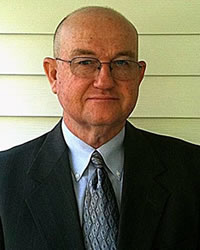
Gary Shepard

Forgiven And Forgiving

Genesis 50:15-21
Gary Shepard September, 22 2013 Audio
0 Comments
Gary Shepard
Gary Shepard September, 22 2013

Sermon Transcript

Auto-generated transcript • May contain errors

100%
If you would turn in your Bibles
first of all this morning to the book of Genesis, the last
chapter, chapter 50. The title of my message today
is, Forgiven and Forgiving. And here in Genesis chapter 50,
where we find this man Joseph, as a type of Christ and also
as a type of true believers. And we find probably the greatest
or one of the greatest examples, this isn't simply an illustration,
that somebody made up, this is an actual example of forgiveness. If you look down in Genesis chapter
50, what we find is in verse 15, it says, "...and when Joseph's
brethren saw that their father was dead." You remember, these
are the same brothers who had so badly mistreated Joseph. They hated him by nature. They stole his coat. They washed it in blood of an
animal, told their father that he had been slain by a wild animal. They cast him down into a pit. They sold him into slavery to
a band of slave traders, where he went down into Egypt and went
down into prison. But he had now become second
over all of Egypt. And when his father died, these
his brothers, they began to be a bit worried. And when Joseph's
brethren saw that their father was dead, they said, Joseph will
peradventure hate us and will certainly requite us all the
evil which we did unto him. And they sent a messenger unto
Joseph, saying, Thy father did command before he died, saying,
So shall ye say unto Joseph, Forgive, I pray thee now, the
trespass of thy brethren and their sin, for they did unto
thee evil. And now we pray thee, forgive
the trespass of the servants of the God of thy father, And
Joseph wept when they spake unto him. And his brethren also went
and fell down before his face. And they said, Behold, we be
thy servants. And Joseph said unto them, Fear
not, for am I in the place of God? But as for you, ye thought
evil against me, but God meant it unto good to bring to pass,
as it is this day, to save much people alive. Now therefore fear
ye not, I will nourish you and your little ones, and He comforted
them and spake kindly unto them. He comforted them. He spake kindly
unto them. He freely forgave Now, how was it that this man
Joseph was able to do something such as this? Something that
is so contrary to our fallen natures. Well, he was able to
do it, of course, by the grace of God that the Spirit of God
wrought in his heart. He enabled him to forgive his
brethren. But not only that, he did it
because he came to know himself by God's grace as one who had
been forgiven of much, much more by God Himself. There are a number of verses
in the Bible concerning forgiveness, but I know of none that is much
more sobering or ought to be sobering and serious to you and
I than some verses found in Matthew chapter 6. Matthew 6. And verse 14, our Lord says,
For if you forgive men their trespasses, your heavenly Father
will also forgive you. But if you forgive not men their
trespasses, neither will your Father forgive your trespasses. In other words, God is saying
that if you do not forgive your brethren their trespasses against
you, God will not forgive your trespasses against Him. Now, it would almost seem that
He is saying that God's forgiveness is contingent upon our forgiveness
of others. But we interpret that verse or
these verses as we do everything else in the Bible with all the
other verses in the Bible. And what he's saying is that
if we forgive not, then obviously we do not know anything about
God's forgiveness. In other words, God's forgiven
people, because they are such, they are characterized as those
who forgive. It is not contingent upon our
being, our forgiving, but it is characteristic of our being
forgiven by God. God's people forgive because
they have been forgiven by God Himself. And not only that, whatever
men could do in sinning against us, It is absolutely nothing
compared to our sin against God. So He calls upon the Apostle
time and again to admonish us by saying things like He says
in Ephesus 4. He says, "...and be ye kind one
to another, tenderhearted, forgiven one another, even. Now listen to this. This is always
the basis upon which all instruction, correction, reproof, rebuke,
teaching, whatever it is, with regard to our relationships to
others, it is always set forth in the context of grace, in the
context of the gospel. He says, be kind one to another,
tenderhearted, forgiving one another, even as God, for Christ's
sake, hath forgiven you." Even as or just like Christ, God has,
for Christ's sake, forgiven you. Turn over to Colossians chapter
3. Colossians chapter 3, and listen
to Paul writing to the Colossians in chapter 3 and verse 13. He says much the same thing. "...forbearing one another, and
forgiving one another, if any man have a quarrel against any,
even as Christ forgave you, so also do you." So also do you. Now, what we find is that word
forbearing so closely joined with forgiving. I've heard people say things
like this, well, they didn't ask me to forgive them. But when
you stop and think about it, did God forgive you or me based
on our asking? As a matter of fact, in the Scriptures,
we find that God forgave us in Christ before we were ever born,
before we ever ask any forgiveness of Him. His forgiveness of us
is the basis upon which He brings us to ask Him for forgiveness. It is always for Christ's sake. In Mark we read, he says, "...and
when you stand praying, forgive, if ye have ought against any,
that your Father also, which is in heaven, may forgive you
your trespasses. But if you do not forgive, neither
will your Father, which is in heaven, forgive your trespasses."
It's the same thing. All our forgiveness of others
is always based on the fact and the reality of all that God has,
for Christ's sake, forgiven us. And then we always are confronted
with such things as this, whenever we're confronted with a continual
offense. In other words, how often are
we to forgive those, we might say, well, they keep doing it
over and over again. Well, the truth is, that's the
case of every sinner. The truth of the matter is, in
the matter of sin, if there was ever a term that applied to us,
it is the term of repeat offenders. We are constantly offending. We are constantly sinning against
each other. We are constantly acting out
this nature of sin in our flesh. One day, Peter, Asked the Lord,
he said, Lord, how oft shall my brother sin against me and
I forgive him? Seven times? After seven times,
you know, we say things like, I've had about enough of this.
After seven times he said, Jesus saith unto him, I say not unto
thee until seven times, but until seventy times seven." Seventy
times seven. Why is that? It is because in
reality, we are all in the same boat. Turn over to Psalm 30.
where Joe read earlier. I say we are to do so because
the truth of the matter is we are all in the same condition,
we are all in the same state of guilt in ourselves, not only
in the matter of sinning against God, but in the matter of sinning
against each other. Who was it said in the Old Testament,
God forbid, that I should not sin against God in failing to
pray for you? I thought as was prayed here
earlier, I thought about when the prayer was made and God was
thanked for me, I thought to myself, am I guilty of not being
thankful for you as I ought to? I'm sure I am, to not pray for
each other as the Bible commands, to not be concerned over the
other's welfare. All these things, they're sin,
and we're all in this same boat. If you look down here in Psalm
130 at that third verse, listen to what the psalmist says. He
said, "'If thou, Lord, shouldest mark iniquities, O Lord, who
shall stand." Oh Lord, who could ever stand? What are iniquities? Well, iniquity is simply anything
and everything that is unequal to perfect Anything that is not
equal to the standard of God's law, but most especially to the
standard that He revealed in the man Christ Jesus. In yourself,
in myself. in our words, in our thoughts,
in our deeds, in our motives, could we ever say, any of us,
at any point in this world, in this life, that we, in ourselves,
are just like Jesus Christ? If He's the standard, if He's
the rule, and we are measured by that standard, not by each
other, The apostle warned about those who compare themselves
with themselves. But if we compare ourselves with
Christ, how do we stand? Have we sinned? Have we failed? He said, Lord, if you should
mark iniquities, and that word mark means to judge sin. It means to require an account
of and to demand satisfaction for, to take a strict account
of. I can tell you this, God's account
of you and me is a lot different than the account we make of ourselves. Even as believers, we don't see
our faults, we don't see our failures, we don't see our shortcomings,
we don't see all the things we do, but we sure can see it in
others. Job says, if I sin, then thou
markest me, and thou wilt not acquit me of mine iniquity. If I sin, I may not confess it,
I may not even know it, I may not recognize it, but Lord, You
know it." And Malachi says, "...but who may abide the day of His
coming, and who shall stand when He appears?" Lord, if you should
mark iniquities, Who can stand? That is, as opposed to sinking
and falling. Who shall stand? Not one single
one. Not one son, not one daughter
of Adam, absolutely considered in themselves at any point in
time, even as believers, based on what they do and don't do,
they could not stand excepted by God. Jeremiah says, "'For
though thou wash thee with miter, and take thee much soap, yet
thine iniquity is marked before me,' saith the Lord God." In
them, he says, who can stand before His indignation, and who
can abide in the fierceness of His anger? His fury is poured
out like fire, and the rocks are thrown down by Him. You can't
stand. On your best day, on that day
when you have prayed, on that day when you've read your Bible,
on that day when you've helped somebody, on that day when you've
thought the best thoughts you've ever thought, on that day in
yourself, you cannot stand. So what right do you have in
any way to look any differently upon your brother? I thought
about that verse in Ecclesiastes where the wise Solomon, by the
Spirit of God, is enabled to say something that we ought always
to remember. He said, man at his best state. What's his best state? Well,
the best state of a man has to be to be in Christ. But on this earth, man in himself
at his best state in himself is altogether vanity. And if we've ever been made to
know, and my friends, that's the only way we'll ever know,
if we've ever been made conscious of this terrible state and condition
that we're in as sinners, If He ever brings us low in ourselves
to see what we really are in ourselves, if He ever rolls back
that curtain that blinds us by nature and lets us see the blackness
and the darkness of our own souls, we'll have to seek mercy outside
of ourselves. You can't help me. I can't help
you. because we're both in the same
state and condition. Now, there's a kind of a double
whammy, if you want to call it, in this. And that is, on the
one hand, we have to be brought to see ourselves as such, and
we've never seen ourselves as such if we're always condemning
somebody else. But if He ever brings us to see
what we really are, He has good news for us. Isn't that a great
contrast? When a sinner is brought by the
Spirit of God to see and to feel and to know themselves for the
sinners that they are, and at the same time have heaped upon
them the blessing of gospel grace. You see, the gospel is glad tidings,
is good news to those who know themselves to be sinners. Those who know that their sin
is against God and who know that it will, it must be punished. You see, God, He never ever in
grace or in His gospel of grace denies the reality of man's awful
sinful condition. How do we know that? Well, He
says here, "...if thou, Lord, shouldest mark iniquities, who
could stand?" And let me tell you this, just passing, if we
ever are brought to this state, of knowing what we are as a sinner
and knowing what sin is against God, we'll never ever be able
to take that knowledge and on the basis of grace, excuse our
sin. Doesn't matter what I say about
you, Joe, I'm saved by grace. Doesn't matter what I do to you,
doesn't matter how I act. I heard a man tell me one time,
he said, I don't care a bit about what I do. Is that grace? We
don't know anything about grace. If we have such an attitude towards
sin, such a light notion about how we're to act or treat others
or conduct ourselves in the world, we don't know anything about
grace. Because grace brings first this great condemnation and sense
of the awfulness of sin. But in the next verse, what does
he say? He says, "...but there is forgiveness
with thee, that thou mayest be filled." If God marks our sins,
and He will, He has, He does, who can stand? We are like one
fellow said, comparing ourselves to the other. We are like those
fleas that is boasting because one flea has jumped a little
bit higher off the earth than the other one has. Or like two
coal miners like I used to see come out of the coal mines of
Kentucky. One saying, I am not as black
as you are, when they are both covered head to toe with the
black coal dust. I am not as ignorant as you are.
How ignorant are you? don't know anything at all. But
he says, there is forgiveness with thee. And I wonder sometimes
if we really hear and have any sense of the magnitude of that,
because whenever in time this statement is read, as long as
God enables somebody to read it, proclaim it, it's going to
be in the same tense. There is forgiveness with thee."
There is pardon, there is forgiveness, the forgiveness of sin, and where
is it? Is it with our efforts and our
self-justification and our explanations and our apologies or our promises
of reform or our feelings? No. Is it with man's ways? Is it through a priest on this
earth? Is it through Mary or the Pope
or a preacher? No. Forgiveness is with God. You say, preacher, pray for me.
I've had people to say this to me. People pray for me. But when
they say it, it's almost like this, I want you to pray that
God will forgive my sin. I want you to pray and do something
by which you can tell me that I'm forgiven. I'm sorry. Forgiveness is with God. It's
from God. In Daniel 9, we read, "...to
the Lord our God belong mercies and forgivenesses, though we
have rebelled against Him." It's sad to say His elect are always
in this world just like that nation of Israel that pictured
them was. That's right. But they and our
fathers dealt proudly and hardened their necks, and hearkened not
to thy commandments, and refused to obey, neither were mindful
of thy wonders which thou didst among them, but hardened their
necks, and in their rebellion appointed a captain to return
to their bondage." Well, God killed them, I guess, didn't
He? He says, "...but thou art a God ready to pardon." ready
to forgive, ready to be gracious and merciful, slow to anger and
of great kindness, and forsookest them not." I don't know why God,
yes, I do know, but humanly speaking, I don't know why God on any day
does not take His people on this earth and just totally Annihilate
them, based on what they do, based on what they say, based
on how they treat each other, based on how they conduct themselves
before this world. But he doesn't. Why? For Christ's
sake. And I tell you, as the Lord's
people, I'm afraid that in ourselves spiritually and personally, we
are never on any more dangerous ground than when we are at that
place that we somehow cast an eye of notice to our brethren
and find in them some fault, when the real fault, when the
real beam is in our eyes. And what an outrage it must be. What an outrage before God it
must be when one maggot of the earth refuses to forgive another
when God is the one that we've all sinned against. You see,
we're like. Sinning against like is one thing.
But sinning against God, that's another thing. Sinning against
the thrice holy God. And such an attitude is the pinnacle
of self-righteousness. It is the very clearest evidence
that we really know nothing about the forgiveness of God, the forgiveness
of our sins, You remember the Pharisees. If you want a nutshell
of how Christ described the Pharisees, He said this. He said, they trusted
in themselves that they were righteous and despised others. That's always the case. They
trusted in themselves that they were righteous. And the end result
of that always is the despising of everybody else. They said
one day, only God can forgive sin. Only God. They thought they
were really, you know, they thought they had a corner on God. They
thought they had a corner on God's forgiveness, which they
really didn't need in themselves. And so the man that the Lord
Jesus was about to heal when He first said to that man, son,
thy sins be forgiven thee. And they respond like that. What did that mean? They didn't
believe He was God manifest in the flesh, did they? But He said,
just so you know who I am. And which is the greater? You,
son, take up your bed and walk, but thy sins be forgiven thee."
There's forgiveness with God. We need it. You see, He forgives
sinners such as this man who didn't even know what his greatest
need was. What will you have me to do for
you? Well, I need to be able to walk. That's not your greatest
need, son. Your greatest need is to have
your sins forgiven, your sins be forgiven you. Now, now that
that's established, you cannot walk before God, you cannot walk
the life of faith, you cannot walk in that way pleasing to
God until you have already had your sins forgiven you. Now,
your sins are forgiven you, Take up your bed and walk." He forgives
all the sins of all His people. That's what the Lord Jesus came
to do. Thou shalt call His name Jesus. What is Jesus? Savior. Jehovah the Savior. Why? For He shall save His people
from their sins. The most blatant, the most wicked,
the most vile, And the psalmist is the one who knew all about
this and confessed it? David, when he had sinned in
the sin concerning Bathsheba, David said unto Nathan, I have
sinned against the Lord, And Nathan said to David, the Lord
also hath put away thy sin, thou shalt not die. Oh, I mean, David from that day
forth, he's faced a lot of awful experiences in his life. He experienced
the chastening hand of a loving heavenly Father, but he never
forsook Him. He said, you're not going to
die that eternal death. You're not going to die a death
for sin. David says in Psalm 32, "...I
acknowledged my sin unto thee, and mine iniquity have I not
hid. I said, I will confess my transgressions
unto the Lord, and thou forgavest the iniquity of my sin." He forgives
all the sins of all who look to Christ and Christ alone for
forgiveness. All kinds of sin. Even that haunting
great sin that oftentimes haunts the minds and hearts of the Lord's
people. But it says, Bless the Lord,
O my soul, and forget not all His benefits, who forgives all
thine iniquities. You see, the truth is, if He
doesn't forget of them all, He might as well not forgive any
of them. You understand that? Because one sin, against God
Almighty as He is, would be enough to separate us from Him for all
eternity. That's why it's so foolish for
me to say, well, I know I sin, but I really don't sin as much
as Dave, or I don't sin as much as so-and-so, because, you know,
I'm better because I'm a lesser of a sinner. A sinner is a sinner. And only the Savior, the Lord
Jesus, And when we come to the Word of God, that forgiveness
that we read about in the Scripture is shown as something that God
has already done for His people. One old writer says that some
read it like this, there is a propitiation with thee. Jesus Christ is the
great propitiation, the ransom which God has found. He is ever
with Him as an advocate for us, and through Him we hope to obtain
forgiveness. Because the forgiveness of sin
is in God's Christ. God has forgiven. Somebody sins
because of the sufferings of Christ. I do want it to be mine. In Acts 13, the apostle stands
and he preaches, Be it known unto you, therefore, men and
brethren, that through this man is preached unto you, the forgiveness
of sin. How is it through Him? Through
His cross death. Because I do believe in reality
that we know sin only when God enables us to see its awfulness
when the sins of His people are laid on the Lord Jesus Christ,
and He hangs on that cross. And God turns His face of favor
away from Him in that moment, and Christ calls out, My God,
My God, why hast Thou forsaken Me? Peter says, For Christ also
hath once suffered for sins. the just for the unjust, that
he might bring us to God, being put to death in the flesh, but
quickened by the Spirit." Peter again in Acts 5. The God of our
fathers raised up Jesus, whom you slew and hanged on a tree. Him hath God exalted with His
right hand to be a prince and a Savior, for to give repentance
to Israel and forgiveness of sins." Turn over to Ephesians
chapter 1. Look down in Ephesians chapter
1 and tell me where forgiveness is. Verse 7, Paul, speaking of
the Lord Jesus Christ, he says, "...in whom we have redemption
through His blood, the forgiveness of sins according to the riches
of His grace." What does God give? The forgiveness of sins. How does He give it? through
that redemption which is by blood in Christ. Why does He do it? According to the riches of His
grace. And you can turn over to Colossians
chapter 1 and read virtually the same thing, because the Apostle
tells us In verse 14 of Colossians 1, "...in whom we have redemption
through His blood, even the forgiveness of sins." In both of those verses,
how does forgiveness come? Through His blood. God could
never forgive you of your sins on any other basis, except that
sin debt be paid. And the wages of sin is death. Soul that sins shall surely die. Almost all things, the Apostle
says, are by the law purged with blood, and without shedding of
blood is no remission." No forgiveness. But not only do we have it, not
only did Christ accomplish it, but we're all so brought to experience
it. You see, what these brethren
of Joseph's didn't really realize was, he had already forgiven
them. You stop and think about it.
How had he always dealt with them? We know how they dealt
with him, but how had he, since they came down to Egypt to get
corn, how did he always deal with them? Graciously, lovingly,
kindly, because he had already forgiven them. Because forgiveness
is an act that is born in the heart of a believing sinner. And it has to be an act of the
heart before it can be an act of the mouth or the hands or
whatever it is. Christ died for His people, and
God forgave all His people of all their sins in the dying of
the Lord Jesus Christ. He's got to tell them about it.
He's got to make it known to them. It has to be experienced
by them. And when it was asked why Paul
was to preach, He says, "...to open their eyes, and to turn
them from darkness to light, and from the power of Satan unto
God, that they may receive forgiveness of sins." How do you receive
forgiveness of sins? When God enables you to believe
what He says. about forgiveness and trust in
His Son, in whom the forgiveness of sins always has been, is right
now, and always will be. You say, well, Preacher, I have
these awful feelings. I do too. I don't always feel. As a matter of fact, I feel quite
oftentimes that there's no way that I could be forgiven. Or
there's no way that God could forgive me of all my sins. Or God could forgive me of this
particularly awful sin of forgiveness. Though it may not always be felt
and always be believed because God has. Now if you, if I, if
we ever or at any time are looking for forgiveness based on anything
we do, such as ceasing to sin, though there's really no such
thing. There's no comfort there. There's no comfort there. You
see, to Him give all the prophets witness that through His name
whosoever believes, believes on Him, believes that as He is
who He is, that He actually accomplished something in His death, shall
receive remission or forgiveness of sin. When John wrote in his
epistle, he said, I write unto you, little children, because
your sins are forgiven for His name's sake. There came a woman
And she began to wash the feet of the Lord Jesus Christ with
her tears. And some of those disciples and
people around, they began to kind of wrinkle up their nose
a little bit, like with that wrinkled nose of self-righteousness. And it was as if they were saying
to our Lord, you really don't know who this woman is. But He
says, unto whom much is forgiven, that one loves much and forgives
much themselves. But if you're not forgiven much,
you don't love much. The truth of the matter is all
of God's people are forgiven much. Therefore we are to love
much and forgive much because we, for Christ's sakes, have
been forgiven. John said if we're We confess
our sins. He is faithful and just to forgive
our sins and to cleanse us from all unrighteousness. He says that you might fear the
Lord, worship the Lord, be in awe of His grace to you, thank
Him, revere Him. Nobody fears the Lord like those
who have experienced His forgiving grace. And gratitude for pardon,
the moral preacher said, gratitude for pardon produces far more
fear and reverence of God than all the dread which is inspired
by punishment. I'll read you one more verse
in Psalm 86, verse 5. For thou, Lord, art good, and
ready to forgive, and plenteous in mercy to all them that call
upon Thee." All that call upon Thee. All those who, like Abraham,
the first reference to that, says that he built an altar,
offered a sacrifice, all upon the name of the Lord. Everyone
who worships God seeks to approach unto God, be forgiven by God
through the blood and the righteousness of the Lord Jesus Christ. Plenteous
mercy and a readiness to forgive. God's people are forgiven. They got it without asking for
it. Though they, when He reveals it to them, they ask Him constantly
for it. And because of that, they're
forgiving, forbearing. That's kind of like Joseph. Forbearing
is kind of like putting up with. Joseph put up with those scoundrels,
those murderers, those liars. He forbear them. He forgave them.
God help us to know that forgiveness and therefore to be forgiven.
Our Father this day, we pray that we might be found among
those who receive the forgiveness of all our sins. The forgiveness
that is in Christ. Total, complete, free forgiveness. And Lord, knowing that, knowing
that we have such sins that must be forgiven in Him, knowing that
You graciously forgave us, give us grace to be forgiving, especially
to our brethren, especially to those that You likewise have
forgiven. Help us to look at each one of
our Beloved brethren, in the knowledge and light of the fact
that you love them and you have already forgiven them, pray that
you would get glory. We ask it in Christ's name, Amen.
Gary Shepard
About Gary Shepard
Gary Shepard is teacher and pastor of Sovereign Grace Baptist Church in Jacksonville, North Carolina.

Comments

0 / 2000 characters
Comments are moderated before appearing.

Be the first to comment!

Joshua

Joshua

Shall we play a game? Ask me about articles, sermons, or theology from our library. I can also help you navigate the site.