Bootstrap
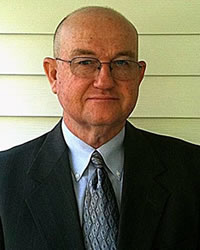
Gary Shepard

Dining On Death

1 Corinthians 11
Gary Shepard September, 8 2013 Audio
0 Comments
Gary Shepard
Gary Shepard September, 8 2013

Sermon Transcript

Auto-generated transcript • May contain errors

100%
Turn back to our reading there
in 1 Corinthians chapter 11. The title of my message this
morning is one that might seem a bit strange to you. I've called
it, Dining on Death. Dining on Death. And of course
you know I'm speaking of a spiritual dining, one that is described
by the Lord Jesus Christ Himself, who said He was the true bread,
the living water. Who said, Verily, verily, I say
unto you, Except ye eat the flesh of the Son of Man, and drink
His blood, you have no life in you. Whoso eateth my flesh, and
drinketh my blood, hath eternal life, and I will raise him up
at the last day." He's talking about appropriating Christ by
faith and likening it to eating and When the Apostle Paul writes
the words that we read in our text here in 1 Corinthians 11,
he was writing a word of gentle rebuke. He's not harsh. He's not bitter. But they have
some errors that need to be corrected, and He gently rebukes them. You see, they had, at least some
of them, made the Lord's table a fleshly feast. And rather than being united
around Christ and Him crucified, They had divided among themselves
because those who had more came at one time with their own food
and had a little feast. Those that had less sat over
here with what meager things they had and had a feast. And Paul says, I hear that there
is division among you, and I partly believe it. And you are in error
in the way that you are observing this very solemn ordinance that
was initiated by the Lord Jesus Christ. And He begins this rebuke
and this instruction to them by taking them back and reminding
them of the occasion at which Christ brought this supper into
being. If you look down in verse 23, Paul says, "'For I have received
of the Lord that which also I delivered unto you, that the Lord Jesus,
the same night in which He was betrayed, this was no ordinary
occasion, even as He faced this sure and certain suffering and
death. Even as He set His face to that
cross like a flint there at Jerusalem, He stops in this supper and brings
about what we now call the Lord's Supper or the Lord's Table. And when he says this, he also
reminds us not only of the occasion, but he reminds us of the authority
behind this. This is not simply a man-made
a denominationally made ordinance. This is not a mere ritual, but
this is something that the Lord Jesus Christ brought into being
and commanded of all His people. He describes it in another place
as a memorial. We do this in order to remember
My granddaughter this morning is very inquisitive, as you know,
at four years old, and she had lots of questions as we prepared
the Lord's table. But I tried to explain it to
her in this way. I said, you remember how that
on your, on Papa's phone, he has lots of pictures of you? She said, yes. I said, but that
is not really you. And I reached out and touched
her and I said, this is really you. This is who Papa loves. But when I'm away from you and
I can't see you, I look at these pictures on my phone and I look
at them to remember you and to be reminded of how you look. This is, in a way, what the Lord's
table is. He left us a continuing picture,
a memorial, something that we are to do in remembrance of Him,
and in order to show something, demonstrate something. You see, in all worship, But
especially in true worship, there is something that distinguishes. There is something that sets
what we are doing apart from everything else that passes under
the name of worship. And the difference and the distinction
is that true worship is always, as true worship is, God-centered. And it is more particularly Christ-centered. And just directly the opposite
from that, all false worship is man-centered. It's about man's feelings. It's about man's comfort. It's about all the things of
this flesh. Because God is worshipped in
spirit and in truth. And that truth is certainly that
which is about the one who is himself the truth, And it is
according to the Word of Truth. And in the Word of Truth, and
I can say this without any reservation whatsoever, if I have learned,
and if I am learning anything from this book, this Word of
Truth, It is that in the Word of the truth, Christ and Him
crucified is central. It is the chief theme. It is literally the only thing. Everything in this book, is about
Christ, whether He's called the Messiah, whether He's called
the Woman Seed, whether He's called Jesus the Christ, whether
He's called the King of Kings, everything is about Christ. And the particular theme of that
which is about Christ has to do with His sufferings and death. I love what Paul writes when
he brings everything, all our justification, all of Christ's
intercession for everything down to one short statement, the hope
of all His people and the center of the gospel message when he
says, it is Christ that died. It is the Lord Jesus Christ that
died, yea, rather that is risen and makes intercession for us. You see, central to all that
we do in our assembling and in all our activities of worship
and also among all the people of God, is not a symbol such
as a cross, But it is a message, it is this theme, it is this
emphasis on Christ and Him crucified. You see, we are not even going
to partake this morning of what some call the sacraments. I wanted to make sure that I
remembered exactly how that word is defined, sacrament. And in the Oxford Dictionary,
it is defined as a ceremony regarded as imparting spiritual grace,
or the elements through which spiritual grace is imparted. Absolutely not. There are many
who eat bread and wine, and many more who take a wafer laid on
their tongue and think in that, that that one who does it is
imparting to them spiritual grace. That is not true. Bread is bread,
and wine is wine. And that which is given by Christ
as a picture and as a representation of Him and His death, those things
have no significance in themselves apart from Him. They remind us
of the One in whom all spiritual blessings are given. They remind
us of His blood. They remind us of His life and
His death. And that is central, as it always
has been, in everything that pertains to worshiping God, believing
God, finding out about God, just like it was when the tabernacle
and all the sacrifices that were offered in that tabernacle, wherever
they traveled in that wilderness, central to everything that was
done, Day after day, night and day, was this which pictured
Christ and Him crucified. That was the basis of all their
worship. He and He alone, and not only
He alone in His person, but in all His work. as the sacrifice,
Savior, Redeemer, Substitute, surety of His people, all those
things pictured were central to the worship of Jehovah in
the wilderness. And I know that this is a strange
thing to this world. And that's why there are so many
other things offered things that are offered that appeal to human
fallen flesh, and men by these things have been told that they're
actually worshipping God. I passed by sometime this week,
maybe yesterday, a religious organization, and out in the
yard, There was a circus, a virtual circus going on. And it was done,
I'm sure, under the name or guise of drawing people, especially
children, into this particular organization so that they might
find out something about God. But the truth is, show me anywhere
in Scripture that anything Not only in the Old Testament, but
in the new, in the early church history, whatever you find in
this book, you show me where such man-centered and man-devised
means are used that simply appeal to human flesh, whether young
or old, in order to get men and women to know God. You will not
find it. Some say they are looking for
a positive word. Others say they are coming to
find an inspiring message. Others obviously go in order
to be entertained. But God's people assemble always
to worship. To worship around the dying of
the Lord Jesus Christ. And that's why we find that this
message, which is central, not a symbol, not a ritual or a ceremony,
but this message that is central to the worship of God and to
the help and blessing and comfort of God's people, it always centers
around this. It always centers around the
blood and the righteousness of the Lord Jesus Christ. Paul uses a pronoun. And I do, as he uses this pronoun,
we, I do so very much want to be numbered in that group that
he describes in this plural as we. He says we preach Christ. I think everybody that goes in
the name of God, stands in the name of God, gathers in the name
of God, they ought to just ask themselves this question, is
this what we do? We preach Christ crucified. Paul said, I don't have to preach,
but if I preach, Woe is unto me if I preach not the gospel."
What is the gospel, Paul? Christ crucified. He said, we
glory in nothing but the cross of Christ. Everybody's going
to glory in something. Men glory in their knowledge,
they glory in their beauty, they glory in their wealth, they glory
in their strength, they glory in their knowledge, their cunning,
whatever it is. But Christ, through the apostles,
through the prophets, He says, let everyone that glorieth, glory
in the Lord. He that glorieth, let him glory
and rejoice in this, that he knows the living God. Paul says,
we have a gospel. And when he uses this word, we
or our, he is speaking of the Lord's people in contrast and
in contradiction to those who are the followers of the devil. He says, we or our gospel. Look over in chapter 15. Listen
to what he says. Verse 3, "...for I delivered
unto you first of all that which I also received." I didn't invent
this. Calvin didn't invent this. Luther
didn't invent this. No man invented this. He said
in another place, "...I certify unto you, brethren, that the
gospel that I preached to you was not after man." I didn't
get it from a man. I didn't preach it to glorify
man or make man in some way feel at ease about himself. He says,
I delivered unto you first of all that which I also received. I don't have a gospel for myself
and then another gospel for you. I don't have one message of a
lesser edge or a lesser degree of truth for myself and then
another one for you. He said, this is what I received.
Well, what is it, Paul? How that Christ set a marvelous
example for all men to follow. That's not what he says. How
that Christ gave an example of sacrificial living. How Christ
gave a message on exactly how you are to teach your children,
live your life, all these things. No, he says, how that Christ
died according to the Scriptures, and that He was buried, and that
He rose again the third day according to the Scriptures. And he had
to be talking about the Old Testament Scriptures. You see, that's what
all the Old Testament types symbolize, beginning with those very skins
in Genesis that God clothed Adam and Eve with after they sinned. That seed of the woman that would
crush the serpent, though he himself would be bruised, that's
Christ. And that's Christ crucified.
When we read about Isaac being taken up on Mount Moriah, and
a ram being put in his place there on that altar of wood and
offered up to God as a substitute, that's Christ crucified. Picture,
type, shadow, whatever we call it, Whenever we look and find
that lamb of Abel slain, God accepting his sacrifice, and
Cain rejected, whenever we look at that Passover lamb, or that
scapegoat, or that red heifer, whatever it is, not just talking
about Christ, it's saying something about Him, particularly. It is Christ that died. Nothing could suffice as the
sacrifice for our sin. Nothing could ever please God. Nothing could ever put away or
remit one sin without the shedding of the blood of that one sacrifice
for sins forever. And so all the prophets, prophesying
in different hours, different days and ages. All the prophets
of God, having never known each other for the most part, scattered
as they were in this world, all these prophets, they every one,
Though they may have had varying things to say at varying different
times to people, and about the people of God, and about Christ,
there's one thing they all seem to set forth. Isaiah said he
was to be smitten. He'd be afflicted. He'd be bruised. Daniel said when Messiah's come,
he'll be cut off. Not for himself. But he'll be
cut off, he'll be slain, he'll die. Zechariah said, God will
say, arise, O sword, and smite the shepherd. Is he going to
crown the shepherd? Yes, he's going to crown the
shepherd. He'd already crowned the shepherd. Is he going to
exalt the shepherd? Yes. But all because, and in
particular, as a man, because he has smitten the shepherds. Christ had to die. We are so
wretched. We find David and the other psalmists
crying out to God, lamenting their state in themselves, confessing
their sins against Thee, and Thee only have I sinned and done
this evil in Thy sight, Lord. What is my hope? What is my only
way of salvation? How in the world can the sins
of such a sinner be put away, remembered no more, such a debt
paid? By Christ crucified. You talk about the focal point
of eternity. You talk about the zenith of
all time on this earth. It was that hour. It was that
act. the greatest act of faith that
has ever been demonstrated on this earth. When Christ laid
Himself into the hands of the Father in divine justice, realizing
that the favor was turned away from Him now as the substitute
of His people, and He cries out, My God, My God, why hast Thou
forsaken Me? Because the Lord had laid on
him. Because the Lord had charged
to his account. Because the Lord had made him
responsible for all the sins, every one of the sins of every
one of his elect for all of time and eternity. So what's to happen? He has to die. He has to die.
There are people who get a lot somehow out of trying to describe
what suffering Christ suffered. I think sometimes preachers really
kind of, they like to try to wax eloquent or they try to seem
spiritual. You tell me how a finite creature
could ever in any way express the depth, the height, the width
of the sufferings of the infinite Christ. Let me go you one better
though. You tell me how somebody who
has never known anything but sin could ever enter into the
sufferings of one who never knew any sin. You say, well, preacher,
if we can't describe it. Because this is not something
to stir your feelings. This is something that is to
be declared that happened, that took place, that Jesus Christ
died. Here is God manifest in the flesh. Here is divine perfection embodied
in a human body. Here is perfection, sinlessness. God Himself. And He dies. My granddaughter was beginning
to enter into that area where you cannot explain when you tell
her, this is the blood of God. God died. God died. You mean that man walking around
Jerusalem, teaching, preaching, absolute perfection, but nobody
could even look at him and recognize that perfection? You mean to
tell me He's God in human flesh? Some old preachers say there
ain't nobody but a fool or a Christian going to believe that. Absolutely. Well, why is it that God, who
created the universe, who orders the universe, who sustains the
universe, who has done everything imaginable from His holy place
of heaven, why in the world would He ever come in human flesh,
because the one thing necessary to save you or to save me, being
God absolutely considered, he could not do. Ronnie could not
die. Though he clothed himself in
humanity, in human flesh, in a human body, sinless, in order
that he might die." He said himself, quoting from those Old Testament
prophets, he said to these people in his day, O fools and slow
of heart to believe all that the prophets have spoken. You
can quote them, but you don't know what they were saying. You
can hear their words, but you don't know their message. He
said, ought not Christ, the Christ, to have suffered these things
and to enter into His glory? That's what all the prophets
were saying. They were saying that the sufferings
of Christ were the prelude to this particular glory that is
His as the God-man Redeemer. He said unto them, These are
the words which I spake unto you while I was yet with you,
that all things must be fulfilled, which were written in the Law
of Moses, and in the Prophets, and in the Psalms concerning
me. Then opened he their understanding,
that they might understand the Scriptures, and said unto them,
and let me ask you this before I read any farther. Do we have
understanding? When do we have true understanding? And that's what the Scripture
says that God gives His people. He's given unto us an understanding
that we may know Him that's true. When do we have understanding?
It says, He opened their understanding, gave them understanding, and
this is what it says, And thus it behooved Christ to suffer
and to rise from the dead the third day. This One who hanged
on that cross outside of Jerusalem. And at this time He's speaking,
was about to go to that cross. He is the Christ. He's the Son of God, the Son
of Man. This is what's central to all
the ordinances of the church. The Lord's people are baptized.
They're not sprinkled. If I want to bury somebody, I
don't just bury the top of their head and leave the rest of them
outside on the ground. When I bury somebody, When we
have a funeral, we dig that hole and we put the whole body under
the ground. We bury them. Why? For the same
reason that we find here in this text. In this picture he's left
us, we identify with the death and the burial and the resurrection
of Christ. Now we're washed from our sins
by his blood. That's really not what baptism
typifies. As a matter of fact, if you have
any hope in that, as many do, thinking that when you go down
in that pool of water and come back out, you're going to be
washed from all your sins. You'd be sadly mistaken. We're
just simply confessing that our hope is in our union with the
Lord Jesus Christ, being one with Him in His death for our
sins, in His burial, and in His resurrection. That's why Paul
says in Romans 6, knowing that our old man was crucified. Something happened when Christ
died. All His people, they died. He died for sins, their sins,
and they died to their sins. He says, Know ye not that so
many of us as were baptized into Jesus Christ were baptized into
His death? You see, everything we do in
the worship of God, one part of it is a public confession
of our own sinfulness. Only sinners are baptized. They're the only ones who need
a Savior. And this is the preeminent thing for sure in the Lord's
table. Let me read you again. What Paul quotes as having taken
place the night, that same night, that the Lord Jesus was betrayed. You'd think he'd be really worried
about what was happening to him. He was not wrapped up in this
sorrow of betrayal. He was not in dread of that which
he was about to face. He's the Savior of his people. He came to a particular hour
on this earth, and He's sitting there eating the Passover supper
with us. Verse 24 says, And when He had
given thanks, He broke it, and said, Take, eat, this is My body,
which is broken for you, this do in remembrance of Me." You
know why the natural carnal mind is so much enmity against God? Because your mind and my mind
by nature is about us. Always about us. I hear people
all the time on the news and such as that. Interviews, talk
to people everywhere you go. They're going to start way out
here in this position of humility. But I can tell you where they're
going to wind up. They're going to wind up with me. It'll be
a very circuitous route. be a lot of verbiage there, but
sooner or later, it's coming back to me, to mine. Not God. Not God. After the same
manner also He took the cup when He had supped, saying, This cup
is the New Testament in My blood. This do as oft as ye drink it
in remembrance of Me. For as often as ye eat this bread
and drink this cup, you do show the Lord's death till He comes. Unmistakably true. He is coming. But until then, we're showing
His death. And once again, we gather today
around those elements of bread and wine, and we don't do so
to pity our Lord. I can remember back in false
religion, turn the lights down low, and everybody get to pitying
Jesus. You remember that? Pity party.
We'll have a pity party for Jesus. It's not to pity Him, but to
praise Him, to thank Him. It's to remember Him. It's to
worship Him. It's to show or display His death. The word show here means to declare,
to preach, to speak. to teach, to remember. We remember
and show that this is exactly what God Almighty purposed, because
His blood is the blood of the everlasting covenant. This death
is the purposed grace of God to His people, This blood, this
death, is that which God ordained to glorify Himself and set His
people free from their sin. God didn't say, oh my, they're
taking my son to the cross. He was never shocked. He was
never taken by surprise. He never had a contingency plan. This is the plan. Why? Because this testament or this
covenant can only be ratified through the death of the testator. Just read Hebrews 9. If you get
an inheritance from a parent or a rich uncle or whoever it
is, One thing got to happen first, most likely, they got to die.
This is covenant blood. The Apostle says in Acts chapter
2, Him being delivered by the determinate counsel and for knowledge
of God, you have taken and by wicked hands have crucified and
slain. Two main things there. One is,
that this was ordained of God. This is ordained of God. But
that will not excuse men from their sin. In Acts 4 he says,
For of a truth against thy holy child Jesus, whom thou hast anointed
both Herod and Pontius Pilate with the Gentiles and the people
of Israel were gathered together for to do whatsoever thy hand
and thy counsel determined beforehand to be done. Really? Really. Absolutely. Because these people
doing the very thing that their wicked hearts and hands wanted
to do, they fulfilled the very purpose of God to His people. We don't gather around this table
to mourn over a plan gone wrong. We gather around it to rejoice
over a plan accomplished. Finished. He said. Not only that,
but we show that this is exactly what God required. It was one
sacrifice for sins forever, and nothing else but the perfect
blood of God could save us, pay our sin debt, and bring us to
God. What He required, He provided. It was necessary because of His
holiness and His justice. You see, sinners like we are,
God can be holy, and He can even require things, such as the soul
that sinneth shall surely die. If He's not Almighty, who cares? See, the truth is Almighty God
can back up and will back up His threats as well as His promises. He has to be satisfied. His justice
is inflexible, perfect. if he lets one sin pass on even
his most favored child. Without that sin being punished
and satisfaction being made, He ceases to be God. And so when
the sins of His people were made to meet on the head of His Son,
our substitute, it isn't the devil out of control that slays
the Son. It isn't simply wicked men and
women, second causes that bring the death of Christ to bear.
God Himself, minding the shepherd, getting satisfaction, fulfilling
His purpose, meeting every requirement of Himself by Himself. You know why? Because He is the
only One that could. I can hear Brother Richardson
still saying, only God can satisfy God. God will only receive what
He gives. As we come around this table,
we think about how This is all that God not only required, but
that He accepted it. He accepted it. How can you be
so sure, preacher, that God accepted the sacrifice of Christ for the
sins of His people? Because He raised Him from the
dead. When the priest went into the Holy of Holies, how did he
who was to make intercession for Israel, how did they know
that God accepted that atoning sacrifice? if he came out alive. A living Lord is the greatest
proof. Not only the Word of God, but
the living Christ, seated at the right hand of the Majesty
on high. Why? Because He had by Himself
purged our sins, washed our sins. He was delivered for our offenses,
as it actually says, raised because of our justification. God declared
us righteous in Christ. All the offense is gone. God
shone to be both the Just One and the Justifier, the Just God
and the Savior, all at one time, but most particularly, all in
one person and work. He highly exalted Him. Why? Because
He was obedient unto death. even the death of the cross.
And we show in all these things that this is our one hope and
confidence. Paul said, don't you gather over
here and have your little bit, and you gather over here and
have yours, and you gather over here and have something else.
We gather around this table with the Lord's people. We trust Christ,
only Him. And even when we get to feet
and light, we don't trust Him enough. I have a lot of days
and I'm thinking, Lord, I'm such a sinner. I'm such a failure
as a father, as a husband, as a grandfather, as a brother,
as a friend, as a child, as a preacher, pastor. One verse comes back
in my mind where the Apostle Paul said that Christ Jesus came
into the world to save sinners. You might be improving, but I'm
not. I hate this pharisaical facade of, I'm so holy and the
rest of you ain't doing so good. Oh, William Huntington signed
his name. William Huntington, S.S. He didn't have a degree. S.S.?
Sinner saved. That's who gathers around this
table. Sinners saved by the grace of God in Christ. Paul says,
there's therefore now no condemnation to them which are in Christ Jesus. Who shall lay anything to the
charge of God's elect? It is God that justifies. Who
is He that condemneth? Or can condemn us? It is Christ
that dies. Yea, rather, that is risen again,
who is even at the right hand of God, who also maketh intercession
for us." If He died, we don't have to. If His death put away
our sin, we don't have any. If He died for us, He'll also
intercede for us and receive us unto Himself. We're just waiting
for it. We're waiting based on this one hope. That's going to
be our hope not only until He comes, but throughout all eternity. Paul says, Wherefore, whosoever
shall eat this bread and drink this cup of the Lord unworthily."
Unworthily. That scares a lot of people.
He didn't say, as those unworthy, because that's one thing that
characterizes this table. Those who gather around it, none
of them are worthy. They're all saying, worthy is
the lamb that was pictured. unworthy manner or irreverently
not regarding and discerning what actually these things represent. There were a lot in the church
at Corinth who They just gathered around and they had a big nice
feast, you know. The Lord willing, we'll have
some refreshments after the service Wednesday night, like we always
do on Second Wednesday night. That's not the Lord's Supper.
No. He says, Whosoever shall eat this bread, drink this cup
of the Lord unworthily, shall be guilty of the body and blood
of Christ." Somebody said, well, that leaves me out. No, I said
it's not those who are unworthy, we're unworthy. Because look
at the next verse. He says, but let a man examine
himself. If he's worthy? No. Just like
he says other places, examine yourself whether you be in the
faith. Is this what your hope is? Is Christ your hope? His
blood your hope? Examine yourself. Am I trusting
in the ritual or am I trusting the one who it pictures? Because
he says, and then, so let him eat of that bread and drink of
that cup. For he that eateth and drinketh unworthily eateth
and drinketh damnation to himself, not discerning the Lord's body.
And for this cause, many are weak and sickly among you in
some sleep. He said, God's not going to put
up with that. I mean, this is the picture of his son and not
just his son, but his death. Some are sick. They suffer affliction
because of this thing of not regarding Christ in His blood,
His death. Some, he says, are already dead.
We die. We die spiritually on Him, on
His blood, on His righteousness that God is so merciful to charge
to our account. As He imputed our sins to Christ,
which is why He went to die, He imputes His righteousness
to us, and clothes us, and counts us the righteousness of God in
Him. I thought about the words of
that hymn. In our hymnal, it's called It's
entitled, No Other Plea. No Other Plea. But it says, My
faith has found a resting place, not in device nor creed. I trust the ever-living One. His wounds for me shall bleed. I need no other argument. I need
no other plea. It is enough that Jesus died
and that He died for me. That His death was in my place. That His death was the ransom
price for my sins and my redemption price.
Gary Shepard
About Gary Shepard
Gary Shepard is teacher and pastor of Sovereign Grace Baptist Church in Jacksonville, North Carolina.

Comments

0 / 2000 characters
Comments are moderated before appearing.

Be the first to comment!

Joshua

Joshua

Shall we play a game? Ask me about articles, sermons, or theology from our library. I can also help you navigate the site.