Bootstrap
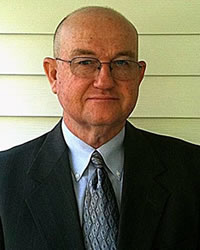
Gary Shepard

The Children of Promise

Galatians 4:28
Gary Shepard May, 20 2012 Audio
0 Comments

Sermon Transcript

Auto-generated transcript • May contain errors

100%
If you would turn back to that
fourth chapter of Galatians, I want to go back and read one
verse. Verse 28, the Apostle Paul writes,
Now we, brethren, as Isaac was, are the children of promise. That's my message, the children
of promise. The day in which we live is characterized
by unfaithfulness, lies, broken promises. It's that way in marriage,
it's that way in business, It's that way in politics, and most
of all, it's that way in false religion, where men and women
are promised many things in the name of God, told if they will
do this, God will bless them. If they'll give this, God will
bless them. And many have found that these
promises are not true. And that being the case, does
that leave those that Paul talks about here and describes as the
children of promise? Does that leave them on some
kind of shaky ground? We just sang that hymn about
standing or resting in depending on the promises of God. And then we sang also about going
to the promised land. I'm bound for the promised land. Will we arrive? Will these promises
be found to be true? You see, God, if you go back
and read in Genesis the parts of Scripture where Paul is making
reference to, you'll find that God promised a man by the name
of Abraham, promised Abraham and his seed, a land, an inheritance. And you read that many, many
times in Scripture. If you'll hold your place and
look back at Genesis, the twelfth chapter, where in Genesis 12
and verse 7, it says, "...and the Lord appeared unto Abram
and said, unto thy seed will I give this land. And there built he an altar unto
the Lord who appeared unto him." We read that again and again. In Genesis 17, he says, "...and
I will give unto thee, and to thy seed after thee, the land
wherein thou art a stranger, all the land of Canaan, for an
everlasting possession." And sometimes when we read all these
promises to Abraham and to his seed, we get a bit confused because
in Scripture, this man Abraham, as a father, is a most unique
individual. He has a seed first naturally. He has a child of the flesh that
is fathered by Him in His wife's maidservant, Hagar. His name was Ishmael. But the promise is not said to
be to or through Ishmael, it was only through Isaac. Because Isaac is the one who
is described as the child of promise. As a matter of fact,
when God told Abraham to take his son Isaac up on Mount Moriah
and offer him as a sacrifice, He calls Isaac there, God does,
thine only son. And then Abraham is also called
a father in two other ways. He has a seed, which is none
other than the man Christ Jesus. Let me read you that first verse
in Matthew's Gospel. The book of the generation of
Jesus Christ, the Son of David, the Son of Abraham. He's the God-man. And then also, Abraham is said
to be the father of a people spiritually that believe on Christ. They are brought by the grace
and power of God, because He has ordained them unto eternal
life, they are brought to believe the promise of God. When the Apostle is writing in
Hebrews 11, he says of Abraham, by faith he sojourned in the
land of promise, as in a strange country, dwelling in tabernacles
with Isaac and Jacob. There's no mention there of Ishmael,
There's no mention there of Esau. The heirs with him of the same
promise. And then Paul, to show us exactly
how this is, this fourth way in which he's a father, he says
in Galatians also, in chapter 3, "...know ye therefore, that
they which are of faith the same are the children of Abraham."
Turn back, if you would, to the book of Romans in that fourth
chapter, and listen to how Paul expresses this here in Romans
4 beginning with verse 13. He says, for the promise that
he should be the heir of the world was not to Abraham or to
his seed through the law. I wish we could see that and
believe that. It was not to Abraham or his
seed, this promise, through the law, but through the righteousness
of faith." In other words, it did not come to him or any of
his seed by their doing, but God reveals it to them through
His gospel and their believing. That's why Paul says, I'm not
ashamed of the gospel of Christ, For therein is the righteousness
of God revealed, believed on. For if they which are of the
law be heirs, faith is made void, and the promise made of none
effect. Because the law worketh wrath,
For where no law is, there is no transgression. Therefore,
what, the promise? It is of faith that it might
be by grace to the end the promise might be sure to all the seed. That's the only way it could
ever be secured and made sure to those whom God determined
to give it, and they receive it, not to that only which is
of the law, but to that also which is of the faith of Abraham,
who is the father of us all. Paul writing to Gentile believers,
to Jewish believers, and setting Abraham in our eyes as this one
father of all them that believe, whether they're Jew or Gentile. And it is through this believing
on Christ, this promise of His grace, that it's made sure. Made sure. And so, Abraham's
seed and Christ's seed, in this sense, they're the same. Christ
has a seed, and Abraham's seed, in this sense of him being the
father of all them that believe, they're one and the same people. As a matter of fact, Paul again
says, and if you be Christ, Then are you Abraham's seed, and heirs
according to the promise." So it becomes very obvious, not
only by this name, the children of promise, but all throughout
this book. that these people who are designated
in this book as joint heirs with Christ, and who are brought to
believe, they are heirs to an inheritance. In other words,
they've been promised some things. God's people have been promised
some things. And just like this man Abraham,
they're promised righteousness in Christ, the gift of righteousness. And they are promised to be justified
by God solely on the basis of His cross, death, and work. Not by their doing. Not by their
works. but through faith in the Lord
Jesus Christ, through faith in Him and what He's done. But, men are always trying to
make obedience to the law in some part conditional to receiving
the promise. It doesn't seem like no matter
how many times, that in Romans and Galatians and various places,
we find statements to the exact opposite. Somebody's always trying
to make the promise conditional. And Paul goes in this third chapter
of Galatians, if you'll turn back there, Paul goes to a great
length to make sure that this is understood and known because
there had come into the churches of Galatia a number of people
who sought to do that very thing. Listen to what he says in Galatians
3 and verse 6. He says, "...even as Abraham
believed God, and it was accounted to him for righteousness." Who
does he take for his example? Abraham. He says, "...know ye
therefore that they which are of faith, the same are the children
of Abraham." And the Scripture, foreseeing that God would justify
the heathen or the Gentiles through faith, preached before the gospel
unto Abraham, saying, In thee shall all nations be blessed."
In other words, a people from all nations, A people ordained
of God and chosen of God, they'll be blessed of God in the same
way Abraham was. So then they which be of faith
are blessed with faithful or believing Abraham. Because as many as are of the
works of the law are under the curse, for it is written, Cursed
is everyone that continueth not in all the things which are written
in the book of the law to do them." Not to hold them as your
standard, not to admire them, not to hang them up on your wall,
but to do them. And to do them is to do them
in every part, and to fail to is to break the whole of it. But that no man is justified
or declared righteous by God, by the law in the sight of God,
is evident. For the just shall live by faith. And the law is not of faith,
but the man that doeth them shall live in them. Christ hath redeemed
us from the curse of the law, being made a curse for us. For it is written, Cursed is
everyone that hangeth on a tree, that the blessing of Abraham
might come on the Gentiles through Jesus Christ, that we might receive
the promise of the Spirit through faith. And brethren, I speak
after the manner of men, though it be but a man's covenant, yet
if it be confirmed, no man disannulleth or added thereto." Now he said,
you know, a covenant or a promise that is made, it is not to be
added to, it is not to be broken, even by men. He says, now to
Abraham and his seed were the promises made, he saith not,
and to seeds as of many, but as of one. and to thy seed which
is Christ." In other words, all these covenant promises are given in Christ and fulfilled
in Him to this people." And he says, "...and this I say, that
the covenant that was confirmed before of God in Christ, the
law which was four hundred and thirty years after, cannot disannul
that it should make the promise of none effect." In other words,
we find this promise given to a seed of Abraham over 400 years
before God ever gave the law to Moses. And Paul says, don't
think for a minute that 400 years later, God gives something or
does something or commands something that has disannulled the promise. For if the inheritance be of
the law, it is no more of promise. But God gave it to Abraham by
promise. Wherefore then serveth the law. It was added because of transgressions
till the seed should come to whom the promise was made. And it was ordained by angels
in the hand of a Mediator. Now a Mediator is not a Mediator
of one, but God is one. God gave the law by Moses. But grace and truth came by the
Lord Jesus Christ. Is the law then against the promises
of God? God forbid! For if there had
been a law given which could have given life, barely righteousness
should have been by the law. If there had been one rule, one
law, one commandment, one requirement of God, whereby you and I, or
any son and daughter of Adam, whereby we could have established
righteousness, then salvation would be through the law. He
says, "...but the Scripture hath concluded all under sin, that
the promise by faith of Jesus Christ might be given to them
that believe." But before faith came, we were kept under the
law, shut up unto the faith which should afterwards be revealed.
Wherefore the law was our schoolmaster, and it doesn't say to bring us
there in the original, that's italicized. The preaching of
law, or the law of itself, will never bring a person to Christ. Cannot be used to drive a person
to Christ. What this says was, the law was
our schoolmaster unto Christ. that we might be justified by
faith. But after that faith is come,
we are no longer under a schoolmaster, for you're all the children of
God by faith in Christ Jesus, for as many of you as have been
baptized into Christ have put on Christ. There is neither Jew
nor Greek, There is neither bond nor free, there is neither male
nor female, for ye are all one in Christ Jesus. And if you be
Christ, then are you Abraham's seed and heirs according to the
promise." All by promise. preachers in our day are very
fond of using that expression, a relationship with God. You need a relationship with
God. But the truth is, God's elect,
God's people, They have a relationship with God. As a matter of fact,
everything is born out of that relationship. And they had this
relationship before they believed. That's why He brings them to
believe. They had it before the world
began. They had it in their surety. And they were heirs not only
now, But then, because they've always been the children of God. God has never looked at any of
Adam's race and changed His mind as to who they are in His sight. Why? Because He doesn't change. He's the same yesterday, today,
and forever. And so Paul says in Romans 8,
if we are children, then heirs, heirs of God, and joint heirs
with Christ, if so be that we suffer with Him, that we may
be also glorified together. He calls all of God's people
the heirs of promise, the children of promise. And God promises
not only righteousness to His people, but God has promised
something else. He's promised eternal life, which
is to know God. John writes this, and this is
so simple, and yet it's so utterly profound, and so impossible to
believe, except for God's people. John says, "...and this is the
promise, that He hath promised us, even eternal life." Now there's
a whole lot about eternal life that I could not even begin to
describe or explain or define with the exception to say that
Christ says in John 17 that eternal life is to know God in Jesus
Christ. But whatever it is beyond that,
it is that promise that is given of God. Paul is saying this,
Paul, an apostle of Jesus Christ, by the will of God, according
to the promise of life which is in Christ Jesus. The promise. He writes to Titus, and he says,
"...in hope of eternal life, which God, that cannot lie, promised
before the world began." God promised it to somebody. He promised
it to that people in Christ, and He promised as well that
eternal inheritance. Listen to the language of Hebrews
9. And for this cause, Christ, He
is the mediator of the New Testament, that by means of death, for the
redemption of the transgressions that were under the First Testament,
they which are called might receive the promise of eternal inheritance. What God has promised. His people,
it is not temporary health or temporary wealth or temporary
prosperity like men promise. He's promised eternal things. They're never going to end. They're
never going to corrupt. It's described by Peter as an
inheritance incorruptible and undefiled and that fadeth not
away reserved in heaven for you." And then he's promised this people
even new heavens and a new earth. Peter says, nevertheless we,
according to his promise, look for new heavens and a new earth
wherein dwelleth righteousness. Eternal glory, God's presence
forever and ever. But with all the unfaithfulness
around us, with all the lies that men and women tell on every
hand about God, with all the broken promises, will we receive
all the inheritance. Will we actually enter into eternal
glory? Will God make good on all the
promises? Well, the answer is yes. But
He has not left us to believe the promises without giving us
something to base this faith on, this confidence in Him. In other words, how can we be
sure? I want to just give you a few
things. Because the One who promised
is utterly, unchangeably, infinitely faithful. If we are weak in believing
the promises, We need to take another look at the One who promised. He's the living, almighty God. And the Apostle described Him,
if you remember, as God who cannot lie. This is not a book of fantasy. This is not a word of mythology. This is not a book of fairy tales. This is the Word of God. And Peter said, we ought to be
reminded and encouraged that no matter what men scoff and
say, we ought to be reminded that the Lord is not slack concerning
His promise. Hebrews says that God willing
more abundantly to show unto the heirs of promise the immutability
or unchangeability of His counsel or His promise. He confirmed
it by an oath. Men don't mind invoking God,
swearing by Him, or on their grandmother's grave or something
like that. or on somebody that they know
the individual they're promising to holds in high esteem. But who's God going to promise
by? It says He promised or He swore
by Himself, on Himself, because there was none greater. Hebrews
10, He says, let us hold fast the profession of our faith without
wavering. Why? for he is faithful that
promised." This isn't my promise to you or some other preacher's
promise to you. And therefore, you can't take
my word alone for it as being a true promise of God unless
you get into this book and read it for yourself. But if he promises,
It's good. I believe it was Mr. Spurgeon
who said on one occasion, he said, better to have God's checkbook,
a check from God, than man's cash. That's right. We'll receive them. We'll enjoy
them. We'll delight in them. We'll
experience them. They'll all be fulfilled because
faithful is the one that promised. Alright, here's the second thing.
Because all these promises, sometimes God refers to them as the promise,
but they are a multitude of various all-inclusive promises that make
it up. What does He say? He says, all
these promises, or yes and sure in one outside of ourselves. You say, well, preacher, what
if I fail? Fail? What if? You will fail. You will fall. But God will keep
all of His sheep. Why? Because he's entrusted them
to the Lord Jesus Christ. So it says, "...for all the promises
of God in him are yea, and in him amen unto the glory of God
by us." What does Paul mean by that? It means that God, We'll
make sure all the promises to this sinful people, and in doing
so, in us, He'll glorify Himself. What is yea and amen? That means
yes and true. I believe it was old brother
Hawker who wrote, a track or preached a message, and he said
this, he said, we have no yea-nay gospel. Yea on the one hand if
this happens, nay on the other hand if this happens. We don't
have a yea-nay gospel. Our gospel is the promise which
is in Jesus Christ, yes and true. He fulfilled everything. It's
all based on Him. We were chosen before the world
began in Him. He stood as our surety. God appointed Him as our representative. We were predestined in the love
of God to be conformed to Him and the adoption of sons in Him. We were redeemed by and in Him,
and in Him. God will be just as He fulfills
all the promises to that people in the Lord Jesus Christ. Somebody
may say, well, what about their sins? They are no more because
Christ put them away. Well, they don't deserve anything
because of what they are in themselves. Oh, but they've been made the
righteousness of God in Him. Everything is in Him and everything
is sure and concrete and bound to be fulfilled because of who
He is. And then all these promises will
surely be fulfilled and received of God's people and they'll enter
into this glory because our father Abraham did." You see, in Hebrews
11 it says that Abraham obtained the promise. He obtained it. And not only that, but because
we have the earnest, Paul says, of the Spirit. Suppose you've got something
that you want to sell for $500. You don't hear this term quite
as much as in days past, but you still hear it. You want to
buy it for $500. You don't want to pay it all
at that moment, but you promise payment of it in full, and you
show your earnestness in it by giving me $50. How do we know
to promise? And all these promises, we'll
receive them and enjoy them. because God has already given
the earnest of His Spirit. Listen to this. Paul says, in
Christ we have obtained an inheritance being predestinated according
to the purpose of Him who works all things after the counsel
of His own will. that we should be to the praise
of His glory, who first trusted in Christ, in whom ye also trusted,
after that you heard the word of truth, the gospel of your
salvation, in whom also, after that you believed, you were sealed
with that Holy Spirit of promise." The promise. being the Word of
God, the promise of God in the Gospel, born witness to in our
hearts by the Spirit of God. This is yours. This is what I've
given you. This is what's in Christ. No
man can ever take it from you. And even at times we may try
to kind of talk ourselves out of the possibility of us really
getting it. But He bears witness to His truth. And we'll receive it because
our head. You know, many times in Scripture
it speaks of Christ being the head of a body. And because our
head is already seated in the heavenlies, and we in Him, in
that sense, are already there. Already there. Someone told a
story one time about two men that were on a steamship heading
from England to the U.S. And it was stormy, and it was
rough, and here was a man clenching to the rail, sick half the time,
worried, fearful, and fretful. He said, over here is another
man who's stretched out in a deck chair, resting and reading, happy,
without fear. He said, which one of them will
make it? Well, the answer is, both of them will make it if
the ship makes it. Because their safety doesn't
depend on them, it depends on the ship. And Christ is described
on the behalf of His people as being the forerunner, which was
that little ship. that when the tide was low, would
sail out of the harbor with a big long rope and secure to that
big ship that could not at the time come in, and he'd go back
and drop their anchor into that harbor. The Lord Jesus Christ,
He already is the man, Christ Jesus. Our priest, our sacrifice,
He's already entered in within the veil and dropped anchor in
the presence of God. And that line is secure until
all His people are brought in. And then I'd say lastly, because
the people here that God uses to picture His true Israel, They
made it in. They entered into that land of
promise as a people. I read an old writer who said
that the book of Joshua could have as its theme the fact that
God keeps His promise. We sang those words, on Jordan's
stormy banks I stand, and cast a wishful eye to Canaan's fair
and happy land where my possessions lie. I am bound for the promised
land. Peter says that it is contained
in Scripture many times. Behold, I lay in Zion, A chief
cornerstone, elect, precious. And he that believeth in him
shall not be confounded, shall not be disappointed, shall not
fall short, shall not fail to enter in and receive even the
least of the promises of God. They're the children of promise. And it's God who promises. And all His promises, He's already
made secure, made yes and true in the Lord Jesus Christ. The
children of God's promise. Our Father, this morning, we
can never, it seems, Set forth before men the glory, the blessedness,
the faithfulness of this that you call the promise. Lord, as we look and are full
of wonder of the things that are promised, enable us to look
to You, to look to You in the Lord Jesus Christ, and know that
faithful is the one who's promised us. They're all yes. They're all true in Him. Promise of full forgiveness,
of eternal life, of an eternal inheritance, of heavenly glory,
of reception in your presence, of all spiritual blessings, all
in Christ. We thank you for it. And we ask
it all and pray in His name. Amen.
Gary Shepard
About Gary Shepard
Gary Shepard is teacher and pastor of Sovereign Grace Baptist Church in Jacksonville, North Carolina.

Comments

0 / 2000 characters
Comments are moderated before appearing.

Be the first to comment!

Joshua

Joshua

Shall we play a game? Ask me about articles, sermons, or theology from our library. I can also help you navigate the site.