Bootstrap
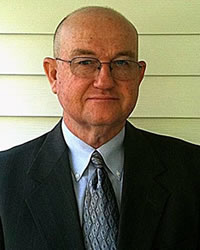
Gary Shepard

Clean!

John 13:10
Gary Shepard February, 5 2012 Audio
0 Comments
Gary Shepard
Gary Shepard February, 5 2012

Sermon Transcript

Auto-generated transcript • May contain errors

100%
Turn back in your Bibles to where
we read there in John 13. John 13. I have a one-word title
for this message, and that word is clean. Clean. I don't know if you caught
it, but not many weeks ago there was an article something that
came out on TV that said that research had been done and it
appeared that maybe Americans took too many baths, that we
had gone to the point taking a bath every day to the extent
that our immune systems were down and such as that and I'm
not sure whether that's true or not. I know as we get older,
there's more of a tendency, I think, to believe that. But I'm sure
of this, I'm sure that if that is the case, it is only true
bodily and physically, because that is not the picture that
we find describing us when we look at what God says about us
in the Bible. We are not clean spiritually. We are not clean before Him naturally. Our Lord is here teaching, not
only by word but also by example, the humility and the service
that is to characterize everyone who is a follower of Him. He says in verse 14, "...if I
then, your Lord and Master, have washed your feet, ye also ought
to wash one another's feet." And he is not establishing foot
washing as an ordinance for his church as he did the Lord's Supper. But he is rather establishing
this example which he was about to carry out and demonstrate
to the highest degree when he went to them went to that cross
for them as Jehovah's servant. And he promises happiness in
some things that he says are known and some things that are
done. He says, if you know these things,
happy are you if you do them. But his words in verse 10, when
He says, "...he that is washed needeth not save to wash his
feet, but is cleansed every wit, and you are clean, but not all."
What an amazing thing that the Lord of glory could say to these
eleven men, excluding Judas Iscariot, of course, as is obvious in the
text, but that he could say to them, you are clean. And not only say to them, you
are clean, but to describe them also before them in that same
verse as those who are washed. You are washed, and you are clean. Now, there are about three things
in this text, especially in that tenth verse, that I want you
to be sure that we have understanding about. And the first thing is
that which is said here by the Lord Jesus when He says to them,
you are clean. And I thought about it. Without
a qualifying word, without any mention of degree, Peter, and ten of the others are said
to be clean." They are said to be, right then, presently clean. Even before our Lord went to
the cross, He looked at them and said to them that they were
clean, washed. And there was an exception, of
course. He says, but not all, and then
he tells us who that was. That was, of course, Judas Iscariot,
the one who would betray him, the one who is described as the
son of perdition. But excluding him, here is probably
a room full of sinners in the Lord Jesus Christ. sinful, perfect,
holy Christ says of them, you're clean. You are clean. And this is an amazing and a
most unbelievable thing in the light of what all the Scriptures
say about every son and daughter of Adam. What the Scriptures
say of every one of us in ourselves, describing us as this, all who
have sinned and come short of the glory of God. There is no
doubt that the Bible pictures us, describes us, declares us
to be in and of ourselves unclean. We don't like to face up to that. We don't like the reality of
that. We don't like this idea of being
in such a state and condition in ourselves and totally unable
of ourselves to do anything about it. Job seemed to be used of
God, that old book that we read, maybe not so much as we ought
to read, but Job is used all through that book to say some
things about us that are blatantly always the truth. He says in
chapter 14, who can bring a clean thing out of an unclean? Not one. Not you, not me. Our mothers and our fathers being
sinners like always begets like. He says, if I wash myself with
snow water and make my hands never so clean, Yet shalt thou
plunge me in the ditch, and mine own clothes shall abhor me."
No matter what I do, no matter how I try, no matter how sincere
I am, No matter what I do as the thing advised by religion,
no matter what I do to cleanse myself and make myself acceptable
to God, I can't do it. Job again, "...what is man, that
he should be clean? And he which is born of a woman,
that he should be righteous?" Behold, he putteth no trust in
his saints, yea, the heavens are not clean in his sight. How much more abominable and
filthy is man who drinks iniquity like water." Somebody says, well,
I'm better than you, preacher. That's a low standard. or I'm
better than these folks, or I'm better than that person, or so
always Paul warns of us, not to be those who compare themselves
with themselves. But what he's talking about here
is clean before God. This holy God that we have just
sung about, clean in His eyes and clean by His standards. And Proverbs, he tells us this,
he said, "...all the ways of a man are clean in his own eyes,
but the Lord weigheth the spirits." You look back at old Naaman who
had that leprosy. And he had his own ideas about
how that leprosy might be cured or healed miraculously without
any use of any means by God. So when he is told to go and
wash in that muddy Jordan River seven times, he turns back and
he shrieks at the thought of a way other than what he thought
was right. He said, but I thought. I thought. And if he'd been left to his
own thinking about the way of cleansing, he would have remained
a leper, he would have died a leper, he would have been everywhere
he went, even in this world, unclean. And then in Proverbs,
the writer says this, he says, who can say, who can say, I have
made my heart clean, I am pure from my sin? Not anybody. And that's exactly what men and
women seem to confess when they confess things concerning what
they've done. When you ask them about this
business of being clean before God, they always begin to confess
to you something that they did or something that they refrained
from doing. But he said, who can do that?
You might wash your hands with that snow water. You might clean
up your life, you might quit drinking, you might quit cussing,
you might quit running around, you might quit doing all these
things that religion in our day is constantly preaching against. Things that in themselves are
wrong and certainly sin, but the gospel has to do not with
preaching against all these things, but preaching somebody, the Lord
Jesus Christ. You see, the confession of every
believing sinner is like Job's. Job said this in the latter part
of that book. He said, "...I have heard of
thee by the hearing of the ear, but now mine eye seeth thee."
You see, only in His light do we see light. Only in the light
of who God is, in the light of who He is in Christ, do we ever
find out who we are. Only when we find out how God
really is, is there any possibility of us being brought by His mercy
to find out how we really are. When we find out in the light
of His holiness or His cleanness, we find out how He is, we find
out just how vile and wretched. He said, "...I have heard of
thee by the hearing of the ear, but now mine eye seeth thee. Wherefore?" In the sight of this
thrice holy God we've sung about, in the thrice of a revelation
of God to this man, he says, wherefore I abhor myself and
I repent in dust and ashes. I repent. I abhor myself. I read one time where a man said
that this life of a believer, is like the corn when it grows
on the stalk in its early days. He said that ear of corn stands
up proud and waves that tassel in the breeze, but he says as
life goes on, that ear of corn turns down and bows in humility
as we find out what we are. It's like old Isaiah. It says
that in the year that King Uzziah died, it says that in that time,
in that appointed time of God, it says that he saw the Lord
high and lifted up. The next thing he confesses is
this, Woe is me! That's why men and women in our
day have such a proud attitude in things of religion. That's
why they have such an attitude of pride toward each other. It
is because they've never seen themselves before God for what
they really are. He said, I said, woe is me for
I am undone because I am a man of unclean lips. Why did He say
that? Because the lips tend to be a
revelation of what we are on the inside. Unclean lips. And I dwell in the midst of a
people of unclean lips, for mine eyes have seen the King, the
Lord of hosts. That's what we are. Unclean,
undone. Isaiah would go on to write this
by the Spirit of God in Isaiah 64. He says, but we are all as
an unclean thing, and all our righteousnesses, not most of
them, all our righteousnesses, are as filthy rags, and we all
do fade as a leaf, and our iniquities, like the wind, have taken us
away. Your sins have separated you
from God." He says. That's what we are. And our spiritual
condition as sinners is such that God likens us to the leper,
and we must, every one, like the leper in the camp of Israel,
as was required by the law, whenever anybody came close to him, he
had to put his hand over his mouth and cry out, unclean, unclean. That's us. He describes us. In Isaiah 1, he says, from the
top of our head to the soles of our feet, describing our entire
being. He says that we are nothing but
wounds and bruises and putrefying sores that have not been bound
up, they've not been mollified with ointment. All that is, is
a picture of us as sinners, as a big, unclean, leprous sore. And He says to these men, you
are clean. Clean. And you see, the clean
that Christ speaks of here has to do with our being clean before
God, has to do with what He calls in His Word our being justified. You remember what He said to
Noah? He said, you only have I seen righteous before me in
this generation." And so what he's talking about here is to
be justified before God and justified by God. Listen to what Job again
says. This is that question of questions. He says, how then can man be
justified with God? Or how can he be clean that is
born of a woman." Actually, in this verse and in this text,
there are two words that are used for clean. And the one that
he uses to describe this service and humility to our brethren,
this washing of our feet and washing of their feet, is one
word, but the word he speaks to his disciples when he calls
them clean is the word that has to do with bathed. Top to bottom. You're bathed. You're washed. All together, from your head
to your toe, you're bathed. The whole person is cleansed. And what our Lord is doing here,
He is declaring them clean and righteous, totally bathed in
His redeeming blood, in that cleansing bath that never needs
to be repeated. Washed. He said, you're washed. And if you're washed, You're
clean. You remember what David's confession
and plead was in Psalm 51? He says, Have mercy upon me,
O God, according to Thy lovingkindness, according unto the multitude
of Thy tender mercies. Blot out my transgressions. He had children problems. He
had every kind of problems imaginable, I'm sure, as the king, but that
wasn't his greatest problem. His greatest problem is your
greatest problem and mine, our sin. That sin that defiles us
before God. That sin that causes Him to be
unable to accept us in ourselves or anything we do. He says, wash
me. throughly from mine iniquity,
and cleanse me from my sin." Is that what you want? Or you
just want to be happy in this world? You just want to be fulfilled,
as they say? You just want to be productive,
maybe? Or you just want to be accomplished? I want to be washed. Wash me
throughly from mine iniquity. and cleanse me from my sin, for
I acknowledge my transgressions, and my sin is ever before me. Against thee, thee only, have
I sinned, and done this evil in thy sight, that thou mightest
be justified when thou speakest, and be clear when thou judgest.
Behold, I was shapen in iniquity, and in sin did my mother conceive
me. Behold, thou desirest truth in
the inward parts, and in the hidden part thou shalt make me
to know wisdom. Purge me." That's that word. Purge me with hyssop. You remember
what they used hyssop for? That hyssop was that little shrub,
that particular little bush that grew in Israel. that the priest
was to take and dip in that blood and sprinkle on that mercy seat. That's what he's alluding to
there. Purge me with hyssop. Purge me with that sin-atoning,
sin-cleansing blood. Purge me with hyssop and I shall
be clean. That's the only way I'll be clean.
Wash me and I shall be whiter than snow." And you see, this
is the message of the gospel. The gospel is a declaration by
God to some people that they are clean. It's the message that
the apostle brings forth in Hebrews 10 when he says, "...for by one
offering he hath perfected forever them that are sanctified." Perfected. Washed clean. Found now without
a spot. That which he says by the Apostle
Paul in 1 Corinthians 1, when he says, But of Him are you in
Christ Jesus, who is made unto us wisdom, righteousness, sanctification,
and redemption. Everything. Everything. All of God. All in Christ. That's what he says in 2 Corinthians
5, in that 21st verse, when he says, "...for He hath made Him
to be sin for us." He has laid on Him the sins of His people,
made Him to be sin for us, this One who knew no sin, that we
might be made the righteousness of God in Him. You see, the only way we'd ever
be cleansed is for all our sins to be removed from us. And the
only way our sins could ever be removed from us is by what
the Bible calls imputation. When God holds our Lord Jesus
Christ in substitute, accountable for our sins, imputes to Him
our sins, and then we, by virtue of the transfer of His righteousness
to us, we're made clean. And that's what the gospel of
Christ declares to all who believe on Him. You're clean. You're clean. He says, "...with
the heart men believeth unto righteousness." And this cleanness
is not a thing of degrees, and it is not a variable or vanishing
thing. It is present and abiding and
perfect, as he says, you are clean through the Word. You know,
the Word is used many times in Scripture. It's pictured many
times in Scripture by water. The only way that we can be washed
or purged in our experience, we are washed and purged outside
of ourselves in the Lord Jesus Christ. But the only way our
conscience can be purged is when the Spirit of God applies the
blessed water of the Word. And we find that God in Jesus
Christ through His death has said to us, even as sinners,
you are clean. False religion is always going
around, always giving different prescriptions and remedies and
plans and all these things where you can clean up your life and
clean up this, and you ought to clean up all these things.
But let me tell you, you'll still die in your sin if that's the
only clean you've got. Moral reformation is the only
cleansing you ever experience. And by that, oftentimes it's
joined together with a false profession of religion. I promise
you that your latter state, you are more filthy before God than
you were in your first state. Hebrews 1 says, "...who being,"
that is Christ, "...who being the brightness of His glory,
and the express image of His person, and upholding all things
by the word of His power, when He had by Himself purged our
sins." Did you hear that? When He had by Himself. without any help from you or
me, without any assistance from us, without us making what He
did effectual in some way. When He had by Himself, outside
of ourselves, purged or washed away our sins, He sat down at
the right hand of the Majesty on high. How do you know your
sins have been washed away? How do you know that He has purged
your sins? Because He sat down, God seated
the Son there at His right hand as the evidence and proof that
everyone that He died for, their sins were purged. And this is
that declaration of it. That is that we are clean. that
the whole person from past sins and present sins and, yea, even
future sins, the whole person is bathed and washed thoroughly,
eternally, unchangeably, completely, as he says here, every whit. And somebody always says, but
what about that? What about that awful thing I
did? What about that thing that haunts
my conscience to this day? What about those things that
I'm liable to do, those sins that I'm liable to commit? There's
no liable to it. You will commit it. He says,
every whit. To be clean is to be forgiven,
to be justified, to be redeemed, to be pardoned. to be born of
God, to be sanctified all in, all through, all by the Lord
Jesus Christ. And you see a leper walking around
in Israel. There was only one who could
say he was clean, and that was the priest. He could listen to
a bunch of other people's remedies and all this kind of stuff, but
only when that priest pronounced him clean was he ceremonially
clean, and therefore enabled to enter into the camp without
always crying unclean, without shying away from people, without
shying away from the worship of God. That's what our Lord
is saying there. And to all His people, sinners
that have been loved and redeemed by Him in His death, He's saying
to every one of them, you're clean. You're clean. And you
see, I said that the only one who could say that in that Old
Testament economy there in Israel, the only one who could say that
was the priest. And that's the second thing here,
and that is to notice exactly who it is that said it. It's
not a priest in Israel, it's the priest of God. Our great
high priest. That one who represents us before
God. and does so on the basis of his
blood sacrifice, his death, that one who is the mediator between
God and men, that's who's saying this. And people will listen
to all that preachers say, and preachers will say, well, if
you do this, you'll be saved, if you'll do that, or if you'll
follow this scheme or this rule, or if you agree with me on this
point, or if you join our church, or if you're baptized, or all
these things. But following that advice never
causes us to know we're clean. The priest can say it. And here
is the Son of God, the all-knowing Son. If you look back in verse
3, it says, Jesus knowing. He knew in verse 1 that His hour
was come, and it says, Jesus knowing that the Father had given
all things into His hands, and that He was come from God and
went to God. He knows all these things. He
said, you're clean. He certainly would know any sin
or any evil in them. He is that one who looks on the
heart. He's the one that knows what
is in man. He's God in flesh. And He said
to these bunch of sinners, you are clean. I'll never forget
once reading this story. I don't know if it's true or
not, but Napoleon, Little Napoleon, you remember? He was riding his
big horse. He had that little man syndrome,
I think. And he had the big horse. And he's riding down a row of
men, his troops, inspecting his troops. And he's coming by a
line of these privates. They're all standing there, spit-shining
and everything. And all of a sudden, the horse
rears. And when he rears like that,
and he's about to throw Napoleon off, one of those privates jumped
up and he grabbed the reins quickly and steadied the horse. And when
the horse got steadied, he handed the reins back to Napoleon. Napoleon
looked down at him and said, Thank you, Major. And so he went
down a little later to the officer's tent. He walked right in the
officer's tent and he still had his old private uniform on. And
they began to scold him and command him and ask him what he was doing
in there. He said, because I'm a major.
They said, who said you're a major? He went to the tent door and
he pointed. He said, He did. He did. My friend, we are what
Christ says we are. We are what He says in His Word
we are. Not only the fact that He says
we're sinners, lost and hopeless and vile, That's what we are. But by grace, through His own
Person and Word, He says to those that He calls by His grace and
brings this Word to their hearts, enabling them to believe it,
He said, you're clean. As a matter of fact, John says,
as He is, so are we in this world. Now there's a sense in which
we'll never be like Him. He's the Son of God. I've heard
people say, well, you just take that as far as you want to. No,
don't do that. We're never going to be God.
But as we are in Him as our Savior and our righteousness, as He
is, so are we in this world. We're clean. Clean. The one who with sovereign and
unsurpassed authority and power says to every sinner that looks
to Him, you're clean. And He can say it because their
sin was put away. He could say it to these men
because He would go to the cross, and there He would put away their
sin finally and totally by the sacrifice of Himself. And He
could yet even, because it was such a sure done thing in the
purpose of God, He could say to them even before that hour
came, You're clean. I love an everlasting salvation. I love a God who can say to Abraham
and of Abraham that Abraham believed God and it was counted unto him
for righteousness. That he can be called by God
even as he is in himself a sinner. He can be called of God long
before Christ even came. Righteous Abraham. He goes on
in John 15. And He says, now you are clean
through the Word which I have spoken unto you. He is the truth. He is righteousness. His decree
is absolute. He is ever the same, unchanging. He will allow no appeal. And
to hear His gospel, the Word of truth is to hear Him. I love that little chorus. Did
you hear what Jesus said to me? They're all taken away. Your
sins are pardoned and you are free. They're all taken away. And He says in this book, He
that believes is justified from all things. Declared righteous
in every area, every way. And I know what folks say, they
say, well if you tell a man that, they'll just use that as an excuse
to sin. You tell me how appreciation
for sovereign love could ever make someone sin more than they
do. We don't ever really know what
sin is in its awfulness and its horribleness until we find out
we're the recipients of divine love and grace. And then I'm
found saying, oh God, how can I sin against such love and such
mercy, such favor? In Matthew 8 it says, there came
a leper and worshipped Christ, saying, Lord, If you will, you
can make me clean. He bowed to sovereign authority. If you will, you can make me
clean. He recognized by faith His ability. If you will, you
can make me clean. And Jesus put forth His hand,
and He touched him, saying, I will be thou clean. I will. See, salvation is not about,
I won't. It's about, I will. It's what He will. It's not free
will. It's not your will. My will. It's about His will.
And immediately His leprosy was cleansed. The third thing is
who He said it to. You see, these men, they were
just like Judas by nature. They were just like Adam. They
had the same minds. As a matter of fact, you can
tell by Peter's response here. You don't see a clue, Harley.
He said, wash me, my head and my feet. No, you already washed. And he would soon deny Christ.
Deny Him three times when he was about to go to that cross.
Was Peter clean then? You better believe it. You better
believe it. They were sinners. like we all
are, presumptuous, failing, weak. Thank God Christ died for sinners. He came to save sinners. He came
to lay down His life for the ungodly. He came to seek and
save that which was lost. You remember those believers
at Corinth? Now I know how we think. We think
we live in the most wicked area We think because we got a military
base here, and you know how those marines are, don't you, Logan?
We think because we got all this crime and drugs and stuff and
the news is full of the most perverted things you've ever
heard. We think that in 2012 we live in this world and there's
never been anything like it. I'm afraid that's not the case.
Corinth was a wicked place. I'll tell you how wicked it was.
Paul was afraid to go there. And when he got there, he was
still afraid. How do you know that? Because
the Lord came to him in the night and told him, fear not. He said,
but you preach, and you preach this gospel. It's a gospel for
sinners. He said, for I have much people
in this city. And then Paul would later on
in his epistle say this, he said, Know ye not that the unrighteous
shall not inherit the kingdom of God? Be not deceived, neither
fornicators, nor idolaters, nor adulterers, nor effeminate, nor
abusers of themselves with mankind, nor thieves, nor covetous, nor
drunkards, nor revilers, nor extortioners shall inherit the
kingdom of God." Do you know that none of those folks will
inherit the kingdom of God? all these religious groups and
all, they've got their ex so-and-sos. Well, come to our meetings, we're
going to have an ex-Hell's Angel there. We're going to have an
ex-prostitute, or an ex-drunk, or an ex-something, you know.
Well, here are all these people described here by all these various
things from homosexuality to whatever. He said, they'll not
inherit the kingdom of God. Now he's writing this to believers
at Corinth. He says, And such were some of
you, and such were some of you. Evidently, they were not that
anymore. And I don't mean that they just
quit doing some of these things. I mean that in the sight of God,
they were not that anymore. And such were some of you, but
you're washed. You're washed. And when you're
washed in the blood of the Lord Jesus Christ, you're not an x-anything. You're a new creation in the
Lord Jesus Christ. You're washed. You're sanctified. You're justified, declared righteous
in the name of the Lord Jesus and by the Spirit of our God. So what happens when we fall?
And we will, or we fail, every day. all the rest of our days
to one degree or another, trusting the Lord Jesus Christ, believing
His Word, we're clean. I couldn't hardly live a day
with the ungodliness that I feel in myself, with all the corruption
that flows out of my heart and mind, every wicked thought, unkind
word, everything just... Sometimes I just get the feeling
like I must be the filthiest, vilest creature in the world.
Just loathsome in my own sight. Surely, what must I be in the
sight of God? And then I hear His Word. And
He enables me to believe His promise. And I can say, thank
God I'm clean. In Christ I'm clean. And I'm
never going to get cleaner than I am in the Son of God. Washed. Peter could remember with a kind
of special comfort and joy that the words that our Lord had spoke
to him when he was on that housetop at Joppa, do you remember? He
was about to send him to these Gentiles. And the Jews just viewed
all the Gentiles as unclean. And the Lord lowered down in
this vision a sheep held up at the corners, and inside were
all those creatures that under the Jewish economy were called
unclean. He said to him, Rise and eat.
Rise and eat. Peter said, Lord, no. I'm a Jew. No unclean thing has ever entered
into my mouth. It had never touched my lips.
And the Lord said to Peter, what God has cleansed, don't you dare
call unclean. What God has cleansed, don't
you dare call unclean. Here's this leper in Israel. Everybody knows he's always been
a leper. Seems like. Sneaking around,
avoiding the people. Sores all over him. One day he
walks, In the camp, somebody says, what are you doing in here? You're a leper. You're unclean. No, I'm clean. How do you know
you're clean? You see those little blemishes
and all, they're left. How do you know you're clean?
The priest said I was. The priest said I was. If you
can turn, if not now, when you get home, to the Song of Solomon,
In the fourth chapter, and listen to some very important words
that the bridegroom says to his bride, that Christ says to his
believing church, Thou art all fair, my love. There is no spot
in thee. There is no spot in thee. Not a little spot. No spot. He said, you're clean. And my
prayer is today that the Spirit of God will through this Word
say to your heart, to all who've been made to see their sinfulness,
their wretchedness, their uncleanness. May He say to us, you are clean. And if Christ says I'm clean,
I'm clean. I'm clean in Him. Father, this
day we give You thanks and praise and glory for grace unimaginable,
immeasurable, for that grace that where sin abounded, that
grace did them much more about. For that purging, washing fountain,
that fountain drawn from Emmanuel's veins, and every sinner plunged
beneath that flood, they lose all their guilty stains. And
we can sing when asked, what can wash away our sins? nothing
but the blood of Jesus. Lord, wash us and cleanse us
and keep us for Thine own glory's sake. For we ask it in Christ's
name. Amen.
Gary Shepard
About Gary Shepard
Gary Shepard is teacher and pastor of Sovereign Grace Baptist Church in Jacksonville, North Carolina.

Comments

0 / 2000 characters
Comments are moderated before appearing.

Be the first to comment!

Joshua

Joshua

Shall we play a game? Ask me about articles, sermons, or theology from our library. I can also help you navigate the site.