Bootstrap
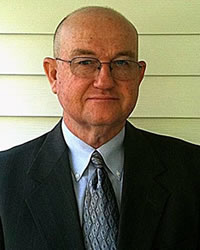
Gary Shepard

The Wrath To Come Gone For Some

John 3:36
Gary Shepard September, 12 2010 Audio
0 Comments
Gary Shepard
Gary Shepard September, 12 2010

Sermon Transcript

Auto-generated transcript • May contain errors

100%
Turn with me in your Bibles this
morning to the Gospel of John. John chapter 3, and I want you
to look down with me at the end of the chapter, verse 36. I'm always amazed at just how
concisely The Spirit of God enables the writers of Scripture to make
statements that just sum everything up. I've thought about it over
the last few days, all about the debate and the discussion
about burning holy books and flags and Bibles and all such
things as that. But I also remember when the
Ark of the Covenant was taken by the Philistines and they carried
the Ark of the Covenant into the Temple of Dagon. And when the Ark of the Covenant
was put in the temple of Dagon, it just was simply set in that
place, and when they went back the next morning, the statue
of Dagon had fallen over. So they took that statue of Dagon
and they raised it back up, dusted it off, They came back the next
morning and the statue of Dagon had fallen over and broken up. And that seems to me to say what
I have believed for a long time, and that is, all we have to do
is stand up the gospel of Jesus Christ and Him crucified, and
God, will defeat his enemies and save his people. A dear brother said to me one
time that the best way to deal with truth and error is like
the best way to show a crooked stick, and that is to lay down
a straight stick right beside it. Here is a straight stick
in this book. He that believeth on the Son
hath everlasting life. And he that believeth not the
Son shall not see life, but the wrath of God abideth on him."
Now, I've called this message this morning, and I'm not trying
to be cute. This is just what came to my
mind. But I've called it, the wrath
to come has gone for some. The wrath to come has gone for
some. You see, the Scriptures, not
only here, but everywhere, place all people in one of two categories. As a matter of fact, whenever
the gospel is preached, as we read in such places as the book
of Acts, we hear it said, when it was preached by Paul and others,
and some believed and some believed not. What we also find is that
what it says in Acts 13 and verse 48 is this, "...and them that
were ordained unto eternal life, they are the ones who believed."
When you look back in verse 18 of John 3, you find it stated
very much the same. He that believeth on him is not
condemned. That means they are justified. But he that believeth not is
condemned already, because he hath not believed in the name
of the only begotten Son of God. You see, everything hinges and
turns around Jesus Christ, and not Jesus Christ as some mystical
person, but as the crucified Christ. There are a lot of people
who have heard the name Jesus, who have not heard the gospel
of Jesus Christ. Hold your place and turn over
to Romans chapter 10. Romans chapter 10, and look just
a step farther than the verse most people quote. But look first
at verse 13 of Romans 10. Paul writes, "...for whosoever
shall call upon the name of the Lord shall be saved." I heard
that verse a lot when I was growing up. But no one seemed to be bothered
about reading the next few verses, because it says, "...how then
shall they call on him in whom they have not believed?" To call
upon the Lord Jesus Christ, one has to believe on the Lord Jesus
Christ. But not only that, He says, "...and
how shall they believe in Him of whom they have not heard?"
Oh, they've heard that name, Jesus, and they've heard that
verse, "...call upon His name, and you'll be saved." But they
do not know who He really is and how He says He is in the
Bible. But look at this. And how shall
they hear without a preacher? Not a preacher in this sense
where a man calls himself the reverend, or attends a school,
or is ordained by some religious organization, but a preacher
in the sense of the apostle that is one sent of God. Because it says also, "...and
how shall they preach except they be sent?" Not by men, not
by bodies of men, but by God. And not only that, he says, as
it is written, how beautiful are the feet of them that preach
the gospel of peace. You see, those who are sent of
God, those who actually preach the gospel, they preach the gospel
of peace. Not for you to make peace. But they preach the gospel of
that peace already made by the Lord Jesus Christ. He says, through
the blood of His cross. And what does that make it to
those who truly hear? What does that make the gospel
to sinners who really know something about their state and condition
in themselves? And in Adam it says that it is
to them glad tidings of good things. I can tell you this. for a man to stand before you
and to tell you what you are to do, to tell you some remedy
you are to follow or some course of action by which you can please
God. That is not good news to a sinner
who of himself or herself can do nothing. Why? Because there is none good, no
not one. There is none that doeth good,
no not one. All our works, all our righteousnesses
are as filthy racks. And that's why to believe, now
listen, to believe is not a work. to believe is to cease from our
works and to rest in and trust in the works of the Lord Jesus
Christ. Now what does he say here? He
says to us, he that believes on the Son hath everlasting life. He does not believe on the Son
to get it. As a matter of fact, it is clear
here, everyone who believes has everlasting life. And that clearly
shows that God, the Spirit, must come to where a sinner is. He must come to where we are
and give us life if we have this faith that we see demonstrated
in believing. I've tried to tell you this for
30 years. A baby, when they are born, they
do not cry to get life, they cry because they have life. They are alive. And those who are made alive,
the Bible word in the Old Testament and the New Testament especially,
is that word, quicken. It means to make a lie. And those that God the Spirit
quickens and does so under the sound of the Word and the preaching
of the gospel, those He quickens with this spiritual life, the
evidence of it is they believe. We don't have to pressure them
into doing anything. We don't have to force them. We don't have to beg them. We don't have to bribe them to
believe on Christ. We don't have to go out on the
capital steps and burn anything. We simply declare who Jesus Christ
really is according to this book and what He actually accomplished. And amazingly, they believe. They believe. Those who believe
on the Lord Jesus Christ, they have, right now, everlasting
life. But those who do not, they shall
every one perish. That is a sad thought. And a great demonstration of
this can be seen in those two thieves, one of which hung on
one side of our Lord when he was crucified, and the other
who hung on the other side. And one remained in his state,
they both being the very same in themselves, and at the beginning
saying and feeling the very same things. One was left to himself,
he did not believe, and he perished. But the sovereign Lord of mercy,
who was hanging on that center cross, Because He was there dying
for the sin of that one thief who hung on the other side. Did
you hear what the psalmist said when we read there in Psalm 111? He sent redemption. To who? To His people. That's who He
sent redemption to. And there He is hanging on that
middle cross. And so, when in that time appointed
of God, this man who if left to himself would certainly have
perished just like the other thief, yet he's found enabled
to look at the one who is nailed to the cross and own him as his
Lord. and to seek him for grace and
mercy and salvation, he said, Lord, remember me when you come
into your kingdom. And the Lord Jesus said to that
man, he said, today you'll be with me in paradise. One man believed And one man
is found unbelieving, and the wrath of God abides, or remains
and continues to this day and for all eternity on him." That
word, wrath, means something like violent passion or justifiable
abhorrence and by implication, punishment and anger and indignation
and vengeance." Somebody says, well, I want nothing to do with
a God like that. My friends, that is the God with
whom we'll have to do. That is the God of the Bible. And most know nothing, and they
don't want to know anything about God being a God of wrath. And that's why religion, false
religion, in our day especially, has portrayed God only as a God
of love. But if He is not a God of holy
and just wrath, There can be no need for mercy or grace. Joe, there can be no need of
mercy, no need of grace. There need be no fear of God. There need be no fear of judgment. But the Scripture says that he
is angry with the wicked every day. Every day. Now, the college
professor may say, he doesn't exist. The preacher over here
may say he loves everybody, and the philosopher may say we don't
even anyone know what it is. But he says that the soul that
sinneth shall surely die, and the wicked The wicked are simply
those outside of Jesus Christ, some who hold the Koran and others
who hold a Bible in their hand, and yet, because neither know
not God, they'll meet the wrath of God. You see, the wrath of
God is essential to His holy character. And unlike our sinful
anger, His is sinless anger. And it is because that He is
righteous and His is a righteous indignation and a just vengeance. He must punish sin. And contrary to what the devil
would have us to believe, all our sins, every person here,
every person great and small, every person that's ever lived,
God has to deal with our sins. And it is because of our sin,
and because our sin is against Him. You see, sin basically could
be defined in this, everything that is not exactly like God. Well, I'm good as Lee is. Well, I'm good as the preacher
is. Well, that's a low standard,
I'll tell you that. How good are you compared to
the one that he sent into this world, the man Christ Jesus? That's the standard. You see,
we have to be, in that sense, as good as God. And the Old Testament
is full of demonstrations of this holy and just wrath against
members of the very same race we're a part of. Our first father,
mother, Adam. When they sinned, what did God
do? He cast them out of the garden. He didn't say, sit down here,
we'll work it out. If you'll do the best you can,
the rest... No. He cast them out of His presence. And He, in Noah's day, in that
whole antediluvian world, He rained down floods on that earth,
and He destroyed every living soul and thing on this earth
except Noah. and his family. That's it. Everybody. You think you and
I are going to skate by? He caused fire and brimstone
to fall out of the sky and destroyed every inhabitant of all the cities
of the plain except he delivered righteous Lot, his daughter. That's him. He destroyed the
whole Syrian host one night. We don't even know how. And here
in the New Testament, where we have the coming of the Lord Jesus
and the good news of salvation in and through Christ, we still
have God's wrath spoken of and warned of as being the very consequence
for our sin and for not believing and looking to the Savior, for
not trusting in the blood. and the righteousness of the
Lord Jesus Christ, and only that to save us from God's wrath."
Now, everywhere around us is this evidence of God. And everywhere
around us, not only in nature, it seems, not only in history,
but many, many times in this book, we have this declaration
that God is a God of wrath against sin, Do you want to face the
wrath of God? I tell you, I don't. If the Lord
should regard iniquities, the psalmist said, and He does, who
can stand? You think little obscure you
and little obscure me, little specks of dust on the On the
landscape of eternity, you think you and I, because of something
special we are? You see, that's what the devil
would have us believe. We're something special. Yes,
we are special sinners. We're going to face the wrath
of God if we face it without Christ. And when you listen to
the promises and the warnings in the New Testament, they are
filled with the reality and the sureness and the fierceness of
His wrath, which was addressed most of all to those moral and
religious people that were here when He came. When John the Baptist
went out preaching, all of a sudden he looked up and one day there
was a big crowd of the scribes and Pharisees and the Sadducees. They came to be witnesses of
all that was going on. And he said to them, O generation
of vipers, who's warned you to flee from the wrath to come? There's wrath to come. Paul says,
"...for the wrath of God is revealed from heaven against all ungodliness
and unrighteousness of men who hold the truth in unrighteousness."
He says again, "...but after the hardness and impenitent heart
treasureth up unto thyself wrath against the day of wrath and
revelation of the righteous judgment of God." Men stand like fools
and say, or at least think things like this, well, I just want
God to be fair with me. You can count on it. His is a
righteous judgment. He's not going to judge you on
the basis of what you think is right, but on the basis of what
He knows is right, and on the basis of what He knows absolutely
about you. That's scary. But unto them,
Paul says, that are contentious, and do not obey the truth, but
obey unrighteousness, indignation, and wrath. He said God is willing
to show His wrath, and to show it on the vessels of wrath that
are fitted to destruction. It's real. It's real. And then John in the Revelation,
he's by the Spirit of God shown how this unbelieving, Christ-rejecting
world is going to meet God. And when they meet Him, meet
Him in unimaginable wrath. And they'll say to the mountains
and rocks, fall on us. Isn't that something? Help us
to commit spiritual and eternal suicide. Fall on us and hide
us from the face of Him that sits on the throne, and from
the wrath of the Lamb. For the great day of His wrath
is come, and who shall be able to stand?" They won't be full
of this bravado like they are today. I'm not afraid to die. I'm not afraid to meet God."
You know, it's just ridiculous. And did you notice what he said
there? He said, "...the wrath of the Lamb." You see, the Lamb
that is the Savior from sin in that day will be the righteous
judge. Again, John says, "...and the
nations were angry, and thy wrath is come, and the time of the
dead, that they should be judged." All through the Revelation, they
meet the wrath of God. And you know what? We know that.
As much as we try to be educated away from these things, as much
as we try to be entertained away from these things, as much as
we try to be distracted away from these things, the way we
try to tell ourselves and others that it cannot be like this,
the more in our heart of hearts, when we have that quiet minute
by ourselves, when we lay down on our bed at night, and there's
nothing to distract, nothing to take it away from our mind.
We know, Paul says, because God raised the judge up from the
dead. We know there'll be a judgment.
And these He speaks of shall never see life, but they'll experience
the wrath of this thrice holy God ages without end. You know, you can bear a lot
of things if you've got, as we call it, a little light at the
end of the tunnel. A little hope for a bit. There's no light at
the end of this tunnel. Just darkness forever. Because of the sovereign mercy
and grace of God. What does that mean? It means
because God is God, and because He can do what He will, to whom
He will, when He will, and how He will, because there's nothing
that's in us to cause Him to, there is salvation. from this
eternal death and God's wrath. Because the opposite to this
wrath is life, is good news in the Son of God. And Almighty
God, Almighty God in His grace in Christ. And this wrath to
come, for some, gone. No more. Because he would, and
because he works all things after the counsel of his own will,
and because he'll have mercy on whom he'll have mercy, he
purposed to save a people, that people the psalmist was talking
about. He purposed to save from among
this race of sinners, a people from their sins. Not because they were special
in themselves. But just because he would. Because
he loved them with a love that was born simply of himself. And He chose this people out
of this fallen race. And He did so in choosing them
in Christ before the world was. And the Father and the Son entered
into a covenant to bless this people with this everlasting
salvation upon the Son's obedience and fulfillment of all things
necessary to ratify this everlasting covenant. You see, our salvation
rests in the fact that every blessing and promise in the everlasting
covenant never depended on us. It all depended on Christ. It all depended on the surety. A lot of people don't know what
a surety is. They simply view a surety like
this. A surety is somebody that signs
a note for you. In case you're not able to pay
the debt, they'll pay it. That's not a biblical surety.
The biblical surety is the guarantor from the beginning. He makes
everything sure in the beginning. He assumes all the debt Himself
before we're ever born. And that covenant is ratified
by the shedding of His blood, by His laying down His life for
their sins, by His enduring the wrath of God, that they were
due. His blood is called the blood
of the everlasting covenant. So that on the cross, as a man
for men, and in the place of his people, the man Christ Jesus
was enduring the wrath of God as his people's substitute for
our sins. Can you hear it? My God, my God. Why hast thou forsaken me?" Do
you think he said that because he didn't know? Do you think
he said that because God didn't know or couldn't hear? He said
that for us to hear. Because if my substitute, if
the one who stands before God in my place, If He is there as
my sin-bearer, if the Lord has laid on Him my transgression,
He's dying as my substitute, He says that so I can hear. The Father forsakes Him because
that's the penalty and wrath of God, so that I'll never have
to hear that. I'll never have to say that.
I'll never have to fear His wrath. Turn over to Isaiah 63 quickly
and listen to what the prophet says concerning this Christ in
Messiah. Isaiah 63 and verse 1, this is
what we find spoken of and quoted also in Revelation 19, but he
says, "...who is this that comes from Eden with dyed garments
from Bozrah?" He's a man that's Like he's just been involved
in a bloodbath, a battle, a butchering. His garments are just dripping,
as it says in Revelation, of blood. Who is this? This that is glorious in his
apparel. He's not any ordinary individual. He's glorious. Traveling in the
greatness of his strength. He's a man that looks like a
lamb that's been slaughtered, a man that's been killed and
bled to death, garments all soaked with blood, and yet look at him.
He's alive. He's glorious. He's strong. I that speak in righteousness,
mighty to say. Wherefore thou read in thine
apparel, and thy garments like him that treadeth in the wine-fat."
I have trodden the wine-press alone, but this is no ordinary
wine-press. "...and of the people there was
none with me." Christ in His work was alone. He accomplished
it all. For I will tread them in mine
anger, and trample them in my fury, and their blood shall be
sprinkled upon my garments, and I will stain all my raiment.
For the day of vengeance is in my heart, and the year of my
redeemed is come. And I looked, and there was none
to help, and I wondered that there was none to uphold. Therefore
mine own arm brought salvation unto me, and my fury it upheld
me. and I will tread down the people
in mine anger and make them drunk in my fury. I'll bring down their
strength to the earth." There are two things here. What he's
already done, because he's already dripping with blood, his own
blood, his own blood. He treads out the winepress of
almighty wrath in the place of his people. And then he's shown
as the one who will be the righteous judge. The good news to sinners
whom the Spirit teaches what they are, and causes their conscience
to press upon them the knowledge that they're deserving of God's
wrath, is that Christ has for His elect, for His church, for
His people, for believers, endured, suffered the wrath of God in
their place for their sins. What was it the prophet said?
Awake, O sword, and smite the shepherd. You see, the shepherd
lays down his life for the sheep. I don't know who his sheep are
in and of themselves. All I know is that I'm to preach
this gospel that shows Christ as God manifest in the flesh,
God in the purpose of God, and preach Him as Christ crucified,
the accomplishments of His death because of who He is. He didn't
come on a fool's errand. He didn't come by chance. He
didn't come to make something available or possible. He came,
the angel said, to save His people from their sins. Here He is,
crucified, enduring God's wrath. Thankfully, crying out on that
cross, it is finished. The hand of divine justice, that
sword the prophet spoke of, thrust to the hilt in the bosom of God's
Son. Divine wrath against our sin
expended. I once had a policeman friend,
and he was a pretty tough guy. And one night he was sitting
at a booking table with a man about half-drunk that came in
who thought he was a pretty tough guy, and all of a sudden he just
decided he'd reach across the table and smack my friend. Bad mistake. Because before he
knew it, my friend came across that table and hit him square
in the nose and jaw. He told me later, he said, you
know, he said, have you ever hit a volleyball? I said, yeah. He said, you know how it is when
you feel it hit, and all of a sudden when it hits, it just touches
the outside, and then you feel your fist kind of sink into it? That's what it felt like when
I hit him back. Broke him all up. Well, the fist
of God's judgment was buried in Christ, expended, so that
there's no more for those He bore it for. No more. Did He
do it for me? The Scriptures never say that
He loves every person, or that Christ died for every person,
or that He's trying to save every person. It says that He's promised
life, eternal salvation, the gift of righteousness imputed,
redemption from all sin to these who believe. And these who believe,
they believe because He's given them the gift of faith. They
don't believe. And therefore Christ died for
them. Christ died for them, therefore He brings them to the knowledge
and revelation of these truths and this good news. They trust
Him. They don't just believe He existed
or they believe He came. They believe that He is their
salvation, the Lord their righteousness, that He satisfied divine justice
in their place. Turn over quickly to Romans 5,
and I've got the hush. Romans chapter 5. Because in
Romans 5, if you look down at verse 8, Paul says, "...but God
commendeth His love toward us, in that while we were yet sinners,
Christ died for us." Much more than being now justified by His
blood. Being justified, declared righteous,
by His blood. Not by what we do, but by His
blood. We shall be saved from wrath
through Him." That's the best news that a sinner can hear.
We shall be saved from wrath through Him. Why? Because God
is just to declare us righteous and without sin through the bloody
death of Christ for our sins. We're going to be saved from
wrath. I've heard people say, well, you know, I don't even
think about anything like that. I just love Christ. I just enjoy Christ. If He didn't
do anything like that, that's a lie. That's not true. We're
going to be saved from wrath through Him. God was in Christ
reconciling us unto Himself. And the amazing thing is this.
This is what we find out. This is no afterthought with
God. Paul says to the Thessalonian believers, "'For God hath not
appointed us to wrath, but to obtain salvation by our Lord
Jesus Christ.'" You tell me I don't like predestination. Boy, I do. You say, you don't like a God
who decrees and determines and works all things after the counsel
of His will? I do. I do. So do all his people. They rejoice
he hath not appointed us to wrath, but to obtain salvation by our
Lord Jesus Christ. To the Thessalonians also he
said, we wait for his Son from heaven, whom he hath raised from
the dead, even Jesus, who delivered us from the wrath to come. Who did it? Jesus. When did He do it? When He hung
on that cross. Actually, from old eternity He
did. What did He do? He delivered us. He saved us
from the wrath to come. The psalmist states it in a way
we might could understand it a little better. In Psalm 2,
when he said, kiss the Son, my little granddaughter, she's already
become that little sinner con artist. You know, when she sees
the frown, when she hears the scold, and when she knows she
shouldn't be doing this, she'll run, grab Papa, and kiss him. He says, kiss the son, lest he
be angry. And you perish from the way when
his wrath is kindled but a little. Blessed are all they that put
their trust in him. The wrath to come is gone for
some. Who are they? Those who forsake
their own righteousness, repent of their own righteousness, and
believe on the Lord Jesus Christ. They can lay down their head
tonight. They may have lots of problems and troubles, all of
which are just evidences of God's mercy and love to them, really.
It calls them all the time to run back to Christ. You just
lay down. Well, like old David, my household
might not be as I'd have them to be. My health is not as I'd
wish it might be. My circumstances are not. But
nevertheless, He's made with me an everlasting covenant and
ordered in all things insure. And this is all my salvation. It is Christ that died. All He died for. He bore in Himself
the wrath of God that they were to you. He made them the very
righteousness of God in Himself. That's glad tidings and good
news. May God give you the gift of
faith, enabling you to believe on Christ. I'm not looking for
anything else except for what He'll do in you, if Christ has
already done that for you. Father, this day we give you
praise and thanksgiving that you've saved everyone who believes
on you, who trusts in your finished work. You've saved them from
the wrath to come. We give you thanks. We give you glory. We can truly
say, praise the Lord. Your works are marvelous. Your
grace is immeasurable. Your love is everlasting. Your
sacrifice is unimaginable. We thank you. We pray that you'd
help us to forsake all others and look to Christ alone, because
we pray and ask it and thank you in His name. Amen.
Gary Shepard
About Gary Shepard
Gary Shepard is teacher and pastor of Sovereign Grace Baptist Church in Jacksonville, North Carolina.

Comments

0 / 2000 characters
Comments are moderated before appearing.

Be the first to comment!

Joshua

Joshua

Shall we play a game? Ask me about articles, sermons, or theology from our library. I can also help you navigate the site.