Bootstrap
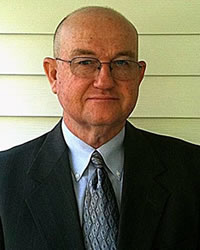
Gary Shepard

The Hour of Disappointment

Matthew 7:21-23
Gary Shepard June, 27 2010 Audio
0 Comments

Sermon Transcript

Auto-generated transcript • May contain errors

100%
Turn with me in your Bibles to
the Gospel of Matthew chapter 7. In his prayer, Lee made reference
to the true Gospel. And in that passage that he read,
we have at least three things in describing
the gospel that sets it forth as the true gospel. He describes it as the gospel
of God, the good news, the glad tidings of God. And then he also describes it
as the gospel of God concerning his Son, Jesus Christ. It is concerning the Lord Jesus
Christ. And then also he describes it
in this way, he says, it is the gospel that he is not ashamed
of and will never be disappointed in, because therein is the righteousness
of God revealed. Every other imagined righteousness
is condemned and exposed, and therein, in the is the righteousness
of God revealed. I want you to look down and read
with me about three verses, first of all. And these are words that
our Lord actually spoke while He was here in this world by
His own mouth. Verse 21, Not every one that
saith unto me, Lord, Lord, shall enter into the kingdom of heaven,
but he that doeth the will of my Father which is in heaven. Many will say to me in that day,
Lord, Lord, have we not prophesied in Thy name? And in Thy name
have cast out devils? And in Thy name done many wonderful
works? And then will I profess unto
them, I never knew you, depart from me, ye that work iniquity." The number that he describes
here in these verses, he describes by the words, many, many. And I've thought about it over
the last week, how that in some ways Those who preach in our
generation, they have a different responsibility because of the
circumstance and advancements of this age. When we write and
it goes out not only in print but over the internet, when we
preach, recorded on CDs and shown and broadcast over the Internet everywhere
in the world. And so the responsibility for
telling men and women the truth, at least in my mind, becomes
even far greater. And by that same advancement,
obviously many, many people will also be deceived because our
Lord here speaks of an hour of a time of great surprise and
disappointment. That's what I call this this
morning, the hour of disappointment. And if you read and simply think
about what he says in these verses, what a shock to these he speaks
of this time will be. And especially in light of the
fact that the name of God, the name of Jesus Christ, and the
crying out and uttering of just what he says here, Lord, Lord,
is spoken so often and so frivolously and with such an unholy familiarity
in this day. He says, but not every one that
saith unto me, Lord, Lord, shall enter into the kingdom of God. As a matter of fact, rather than
the great majority, even though The idea of man is that probably
most everybody is going to make it into heaven. Listen to what
God says here in verse 13. Enter ye in at the straight gate
for wide is the gate and broad is the way that leads to destruction
and many there be which go in thereat. Because straight is
the gate, and narrow is the way which leads unto life, and few
there be that find it. It is often the accusation against
myself and against all who preach this true gospel that we are
very narrow. But we are only as narrow and
only as wide as God Himself is and makes this way to be in His
Word. Let me tell you how narrow this
way is. It is in one man and his work
who is described as the way. I am the way, the truth, and
the life. And Christ here describes some,
these many that he is talking about most of all here, he describes
them as those who work iniquity. And I have to ask myself the
question, is he talking about me? Or is he talking about you? You see, the scripture tells
us that our very best is just exactly that. It is iniquity. And there are several things
that he shows us in these verses. And I thought about it again
yesterday These are words of mercy. If we could have right
thinking about them, they would be to us words of mercy. And I say that because all he
really has to do, or had to do, was just leave us to ourselves,
thinking by our own thoughts, and every one of us would perish
and die in our sins, and he'd still be God. He'd still be just. He'd still be holy. And we'd
perish. You see, these are words of warning. They're words of mercy and grace. If you notice, what it is that
he says, without a doubt, is going to happen to these workers
of iniquity. Verse 23. He says, and then at
that hour will I profess unto them, even in light of what they
will profess unto me, I will profess unto them, I never knew
you, depart from me Ye that work iniquity." Now, you know and
I know that He absolutely did know of them and that He did
know what they had done and that He knew all about them. He even knew their hearts. Listen to what it says. in John
2. It says that He needed not, even
on this earth, He needed not that any should testify of man,
for He knew what was in man. He knows our hearts. We think sometimes in our expressions
of trying to defend ourselves, we say, Things like, the Lord
knows my heart. You can bet your bottom dollar
He does. He knows our hearts. And furthermore, what He's saying
is that He never knew them in the sense of divine love. Now, He sent this kind of knowledge
in opposition to just human knowledge. He has loved His sheep. with an everlasting covenant
love, and therefore he said, I know my sheep. He says in another place by the
apostle, the Lord knows them that are his. Well, doesn't he
know them that are not his? But this is a love of relationship
and a knowledge of this relationship, of this intimate relationship
that he has with all of his people and which was represented in
the relationship between Adam and his wife. You remember when
it says, and Adam knew his wife? Well, surely Adam knew who she
was. She's the only woman on the earth.
But what it means is that he entered into this intimate relationship
with her. And this is what God is saying
here to these people. He's saying, I'm not the God
that you love. And I was never in any relationship
to you except as God, your judge. And he said, I'm not the God
that you were speaking of or the God that you trusted in,
and I never accepted you on the basis of the works that you did. In other words, all that you
did, rather than being what you thought it was to yourself and
to me, to me it was nothing but sin. absolute sin. And what will he say then? It
says he'll say in that hour, depart from me. Just absolutely,
emphatically, and eternally depart from me, Matthew says, records,
then shall he say also unto them on the left hand depart from
me, you cursed, not blessed, but cursed into everlasting fire,
prepared for the devil and his angels." As a matter of fact,
we have this in a parallel account in Luke's Gospel. Turn over to
Luke chapter thirteen. And listen to the Apostle Luke
as he records much the same thing in Luke 13 beginning in verse
24. He says, Strive to enter in at
the straight gate, for many, I say unto you, will seek to
enter in and shall not be able. when once the master of the house
is risen up, and hath shut the door, and you begin to stand
without, and to knock at the door, saying, Lord, Lord, open
unto us, and he shall answer and say unto you, I know not
which you are. And then shall you begin to say,
We have eaten, and drunk in thy presence, and thou hast taught
in our streets. But he shall say, I tell you,
I know you not which you are, depart from me, all ye workers
of iniquity. There shall be weeping and gnashing
of teeth when ye shall see Abraham, and Isaac, and Jacob, and all
the prophets in the kingdom of God, and you yourselves thrust
out." Now what a sad hour, and what an awful state to be found
in, because depart from me is the sentence of the righteous
judge and the presence of Christ in heaven, which they did not
desire on earth, they will not have for eternity." There's no
appeals here. There's no appendix added on
to this. There's no afterthought stated
after this. Because banishment from the presence
of Christ, that's what hell is. It is eternal separation from
God. It's being forsaken of God. And it is the sure judgment of
God. And it's stated in such passages
as this in Job 34, For his eyes are upon the ways of man, and
he sees all his goings, there is no darkness, no shadow of
death, where the workers of iniquity may hide themselves." Wasn't
any place to hide when Adam hid himself in the garden. There
isn't any place to hide from Christ as he sits as the righteous
judge. And in the Psalms it says, when
the wicked spring as the grass, and when all the workers of iniquity
do flourish, it is that they shall be destroyed forever. He says, I'll say to many. And literally what this says,
I'll say to most. I'll say to those who will be
the most surprised, depart from me. ye that work iniquity, I
never knew you." Now it sounds like to me that it would do us
well to be continually reminded and to be involved in a diligent
search and inquiry as to what iniquity is. What is Well, you could say it
something like this as a kind of a general thing. All sin is
iniquity. But as we are able to see, if
we have eyes to see in this text, iniquity is much, much more and
maybe, maybe just exactly the opposite of what we think by
nature. So what does the Lord Jesus Christ? Now, you know, if you are going
to take a test sometime, you would surely like to know what
the person who grades that test, the person who made up the test,
you'd certainly like to know what the answer is that they'd
be looking for. Well, what is it that Christ
The Scripture says, the one into whose hand God has committed
all judgment, what does he do and call iniquity? Well, just exactly what those
folks claimed as their righteousness. Look here in verse 22. Many will
say to me in that day. Now, it would just be so wonderful
if the Lord could shake men and women from this notion that there
is in some way strength in numbers before God. I had a person that I love, concerned
about their soul, told somebody one time concerning my very preaching
and this gospel that we preach. They said this, it just cannot
be that what he's saying and these who believe that little
bit are right and all these other people are wrong? Well, our Lord says here that
many, many, verse 22, will say to me in that day, Lord, Lord. They're not calling out on Buddha,
or they're not calling out on Mohammed, even these spoken of. These are those who, though these
others be so obviously far off from the Gospel of Jesus Christ,
even despise his name, literally for the most part. But these
are those who claim to have some understanding and interest in
Christ. Many shall say unto me, in that
day. Lord, Lord, have we not prophesied
in thy name? And in thy name have cast out
devils? And in thy name done many wonderful
works?" You see, these people did not seek acceptance by Christ
on the basis of what they know to be wrong, but they sought
it on the basis of what they thought was right. How are we going to find out,
as people say, who's right? Well, there had never been but
one right. There's only been one man in this world who in
himself was right in all things, and he's called the truth, the
Lord Jesus Christ. Though these sought to be received
on this basis, and not only received on this basis, but evidently
were expecting blessing on this basis, heaven on this basis. And the things described here
show that they were seeking it based on their religion and their
religious works and their religious accomplishments in His name. The amazing thing here is the
Lord Jesus Christ, He doesn't use the murderer or the fornicator
or the drug addict or anything like that. He uses as an illustration
those who live and die in self-righteousness. Those whose worship was simply
what he calls a will worship, a worship of a God of their own
making, a God whose offerings were to be received such as the
offerings of Cain. The works of their hands. And they obviously, now this
is the scary part, they obviously had a religious and a moral zeal
toward God, but as Paul says, it was not according to knowledge. Not according to knowledge. That's
why I cannot understand any preacher standing up at any time and making
little of knowledge or making little of doctrine. The very
thing that distinguishes the true Christ. The very thing that
makes the glory of God assured in the salvation of His people.
The very thing that is essential in knowing God. They're talking about how bad
it is to have a head knowledge. Well, I'll grant that a head
knowledge is not all, but you better have one to some degree.
Because you can't believe on Him of whom you've not heard. That's what Paul says. And if
you notice, it says that they were saying, we prophesied, that
is, we cast out and we done worse. What's wrong with that? It's
because they were seeking to stand before God in that hour
based on what they had done. We preached in your name. We witnessed in your name. We walked the streets. We did
all these things. We evangelized in your name. And we even have a sense of power. We cast out devils in your name. We call upon your authority. Cast out devils in your name. And here's it. We did many wonderful
works in your name. I'm going to tell you something,
people. No work is a wonderful work or a good work in the sight
of God if it makes up any part of the ground upon which you
would have God accept you and count you righteous. None of
them. I'm not saying they're not good
works. But good works are those works that are done out of a
spirit of love in the hearts and from the hearts of God's
people who know that they are saved altogether in Christ. They worked hard, they were sincere,
they sacrificed, they gave their time, and their talents, and
their tithes, and they participated in religious rituals, and they
did acts of charity, and they abstained from outward morality,
but the problem is with the Because everything we think,
everything we do, everything we touch, everything that we
would claim as a basis for standing and being accepted by God is
polluted with sin. And it's not what Christ did. It's not His cross death. They claim not his blood, or
his righteousness. And Paul describes them, as I
said, in that they have a zeal of God, but not according to
knowledge, for they being ignorant of God's righteousness, and going
about to establish their own righteousness, have not submitted,
what does that mean, bowed? They have not submitted themselves
unto the righteousness of God. Where's that at? It's in Christ.
It's in His person and work. And our Lord said to them on
this earth, He said, You are they which justify yourselves
before men. The self-justified man or woman
is in trouble. You justify yourselves before
men, but God knows your hearts, for that which is highly esteemed
among men is an abomination in the sight of God." I endured the torture of a wedding
service yesterday. Big, high-column church. Big metal crossed inside, big
pipe organs, idolatry up to your ears on every hand and none so
much as that which came from the lips of the man who spoke. But I wondered how many people
sat there and looked around and listened and thought what a wonderful
thing all this was. You see, this self-righteousness
of man, and especially as it shows itself out and demonstrates
itself in the works, religions of this world, is the greatest
iniquity in the sight of God. Somebody preached a sermon one
time, I can't remember exactly the title, It was something like
this, the meanest man in town. Who is that? Well, it's not that
drunk out there on the street. I mean, he'll perish too. It's not that drug addict or
that prostitute laid out there on the street somewhere. That's
not the most obnoxious thing in the sight of God. They would
never imagine standing before God or going to heaven based
on what they are or what they're doing. I tell you folks sitting on pews
this morning everywhere in this world, especially it seems like
in our own nation, They're expecting God to bless them on the very
basis upon which He just says here, He will not bless them.
He'll cast you into hell for it. He hates all workers of iniquity. But yet, what do they think of
it? What do they think of their lives And their work, they described
them in verse 22 as many wonderful works. Why, we even amazed ourselves. You'd just be amazed. And the
reason I know that men are amazed by this, they're doing their
best not only to tell God, but to tell you about it. Are you a Christian? Well, let
me just tell you about our church. Let me just tell you about what
I teach Sunday school. I do this. I do that. We do these
things. You see, they did that which
is highly esteemed of men. They did them for their own glory. They did them for the praise
of men. They did them with no view of
the Word of God or the will of God, and certainly not for the
glory of God, and in the doing so and seeking to be accepted
by God on that basis, they made a mockery of God. They made a mockery of the commands,
the written Word of God that He had preserved through the
ages and sought to maintain in the face of the greatest opposition
when men would seek to destroy it and erase it from the face
of this earth. They just simply defied what
God said. I'll tell you what they did most
of all. They belittled. They made nothing of that work
of the person of Jesus Christ. And this is what Paul said. You
ought to just listen to this. Galatians 2, 24. He said, if righteousness come
by the law, if it comes through your keeping the Ten Commandments,
or if it comes through your principle of doing your best or whatever
it is, if it comes by any principle of man's efforts or works or
person or doing," he said, Christ is dead in vain. You see, if there's any way that
God could have helped you, or enabled you, or if you could
have yourself, if there's been any way that you could have in some way
saved yourself, do you think He'd send His Son to die? Do
you think He'd come in human flesh to die? Suffer the agony
of the cross, the persecution of men, the mockery, all that? Do you think if there'd been
any other way No. John 12 says, Nevertheless, among
the chief rulers also many believed on him, but because of the Pharisees
they did not confess him, lest they should be put out of the
synagogue, for they loved the praise of men more than the praise
of God. I just imagined if anybody had
seen me yesterday. When the preacher prayed his
little prayer, and if anybody was squinting out of one corner
of their aisle looking around, they didn't see me with my head
bowed and my eyes closed. I'm not praying to that God. I don't care what you think.
I know what God thinks. He said to some, how can you
believe which receive honor one of another and seek not the honor
that comes from God only? If your only interest is what
men think of you or what people feel about you, you'll never
know Christ. He said, and this is the condemnation,
that light is come into the world and men loved darkness rather
than light because their deeds were evil. Now, why didn't those
Pharisees like the preaching of Christ? Were they going around
killing people? Were they going around committing
open adultery? Were they open fornicators or
thieves? No. They hated Christ and they
hated his gospel because it revealed that this which they thought
was their best was evil. Their deeds were evil. And they're so sure of their
standing, they're so pleased with their works and so deluded
by their self-righteousness that they're willing to stand before
Christ in the judgment and present that. Somebody told me about something
a preacher said sometime. He said, I'm willing to stand
before God in the judgment and defend myself on this. I'm telling you this, I don't
want to stand before Christ in the judgment and defend myself
on anything. I'm like that old prophet who
said, God is my defense. He's the only one I have, and
that's in Christ. And this is so opposite to the
way that those who are truly born of God's Spirit and who
trust Christ alone, that's so opposite of the way they see
them. Ezra said, Oh God, I'm ashamed
and blushed to lift up my face to Thee, for our iniquities are
increased over our head and our trespasses grown up into the
heavens. The psalmist said, For thy name's
sake, O Lord, pardon mine iniquity, for it is great. Great. If ever a verse ought to teach
us something, it's what he records for us in Isaiah 64 and verse
6 when he says, But we are all as an unclean thing, and all
our righteousnesses All of our righteousness are
as filthy rags. Actually, what that says, they
are as a minstrel's cloth. They're just things that we don't
want to talk about, we don't want to think about, we don't
want to see. That's what your best is. And we do fade, all do fade as
a leaf, and our iniquities, like the wind, have taken us away. The best. And when you read Philippians
chapter 3, What you find is that Paul is there in Philippians
3 repenting of the very thing that he once trusted in, the
very thing that in Israel was idolized, if you will, the very
thing that all the scribes and the Pharisees just kind of shined
like a medal on themselves. I'm a Jew. I don't do this. According
to the law, I was blameless. But he said, I'll tell you this. Christ said, accept your righteousness. Shall exceed the righteousness
of the scribes and Pharisees, you shall in no case enter in
to the kingdom of heaven. You just go back and study a
little bit about the scribes and Pharisees. What men thought
of them, what they thought of themselves, what they were outwardly. Why they were so precise in their
obedience to the law that they would even in their tithe weigh
out the spices that they owned. Oh, he says by the psalmist,
if thou, Lord, shouldest mark iniquities, O Lord, who shall
stand? And he does mark iniquity. It's
just what he's telling them here. But he goes on, he says, but
there is forgiveness with thee that thou mayest be feared. The Pharisee, you remember, was
condemned before God on this basis. He said, I thank you,
God, I'm not as other men are. But the publican went to his
home justified when he confessed his own unrighteousness in the
need of God's mercy in Christ, and he smote himself on his breast
and he said, God, be merciful to me, thee, sinner. Isn't that
amazing? The man that he thought that
thought he had it, didn't. The man that sought it only in
Christ by his mercy, got it. You see, salvation is a finished
work. It's the work of Jesus Christ. And that's the only hope for
sinners. You ask the question, does God forgive iniquities?
Yes, He does. How? In whom? Well, he says of his people,
or his people say, he hath not dealt with us after our sins,
nor rewarded us according to our iniquities. You see, I want
just the opposite of what these folks wanted. I don't want him to base I don't
want him to accept me or bless me on the basis of who I am or
my preaching or any work I've done. I want the exact opposite
of that. I'm like the psalmist. Lord,
don't enter into judgment with me. Enter into judgment with
my substitute. I want that one that's described
in Jeremiah as the Lord, our righteousness. You see, he's dealt with his
people. He's dealt with them in a substitute. He's dealt with them in that
way that was pictured in the day of atonement with that scapegoat. In Leviticus 16, he said, and
Aaron shall lay both his hands upon the head of the live goat. and confess over him all the
iniquities of the children of Israel, and all their transgressions,
in all their sins, putting them upon the head of the goat. And
he shall send him away by the hand of a fifth man into the
wilderness, and the goat shall bear upon him all their iniquities,
unto a land not inhabited, and he shall let the goat go in the
wilderness." Do you remember what David said?
He said, blessed is that man to whom the Lord will not impute
sin. The man to whom the Lord will
not impute iniquity. What does that mean? Charged
with iniquity. And that's the picture. The picture
was that the sins or the iniquities, as they're called, of the people
of God are in the trust of the priest and he lays his hands
on the head of that goat, the scapegoat, and confesses their
iniquities upon him, that's imputation. The Lord hath imputed to Christ
all the sins of all his people. And everything about that illustration,
he's the priest, he's the scapegoat, he's the fit man. Show him what? That that's the way sin is put
away. That's the way he bore our iniquity,
our sins in his own body on the tree. You see, in Proverbs it
says, by mercy and truth iniquity is purged. God's got to deal
justly with this thing. He's the righteous God, and in
the gospel, there it is, the righteousness of God revealed.
What is it? In Christ crucified. Mercy and truth, there it is,
by which iniquity is purged are met together, and righteousness
and peace have kissed each other. Where was that? In the cross
death of Christ. He gave himself, Paul says, for
us that he might redeem us from all iniquity and purifying himself
of peculiar people, zealous of good works. That's just exactly
what he'd been saying throughout the centuries was going to happen.
He said it in Isaiah 53. He was wounded for our transgressions. He was bruised for our iniquities. The chastisement of our peace
was upon him, and with his stripes we are healed. All we like sheep
have gone astray, but we have turned everyone to his own way.
But the Lord hath laid on him the iniquity of us all." That's what Christ did. He bore
that iniquity. The sins of His people that the
Lord imputed to Him are charged to His account, and on the cross
He's paying it. The Lord laid on Him our iniquity. Not just what we think is the
bad things we've done, but He laid our best on Him. The Lord's people would never
have something like that to confess in the Day of Judgment because they want their best work as
well as their worst work to have been satisfied in the death of
Christ. Man at his best state is altogether
vanity. I'll tell you, I can remember
the first time when Brother Henry Mahan came to preach for us,
you know, when we was at the old place. I didn't know a whole lot then,
but I was beginning to know a few things. We still had the rags
of self-righteousness and works religion still hanging to us.
The song leader got up and sang, led the hymn, Our Best. I remember how wise Brother Henry
was in talking about that a little bit, telling us how that really
isn't the way it is. It's not our best, it's Christ's
best. Not by works of righteousness that we're saved, but by his
mercy he's saved. Why will they meet this judgment?
Well, it won't be because God didn't choose them. It won't
be because Christ didn't die for them or any of these other
things, but because they worked iniquity. No matter what they thought they
did or what men praised them for doing, God viewed it as sin. And they served a false God and
persecuted those who worshiped the true God. They're workers of iniquity.
And that's what I am by nature. Thank God that's not what I am
by grace. The iniquity of Jacob. shall be purged." How? That's speaking of all of God's
elect, all of his people. How will the iniquity of Jacob,
the sons of Jacob be purged? By the blood of Christ. Rather
than something that is to be desired, rather than something
that would be acceptable by God, it's sin that we won't put away
by the blood of Christ. And that's what the good news
of the gospel. Because Paul said, therein is
the righteousness of God revealed, or displayed, or made manifest. How? That God is right to take
these that Christ died for unto himself and bless them. Because Christ put away their
sin. So this is the message of the
Gospel. Isaiah. God says, Comfort ye, comfort
ye my people, sayeth your God. Speak comfortably to Jerusalem. To everyone that looks to Christ. I can speak comfortably to you.
I can't speak peace to you. when there is no peace, but I
can tell you that Christ made peace by the blood of His cross. And cry unto her that her warfare
is accomplished, that her iniquity is pardoned, that she hath received
double from the Lord for all her sins. Now, there's a statement in Scripture
found in the Old Testament, found again in the New Testament. It
translates a little bit different. But it comes to this. God says,
Behold, I lay inside a stumbling stone and a rock of a fence. Self-righteous men and women,
unless brought down by the Spirit of God's grace, they're going
to stumble over this. They're looking. When you're
going about seeking to establish your own righteousness, you've
got your head looking in every direction, and all of a sudden
you're stumbling over this very stone that God laid for you. You'll stumble across this rock
of offense. to everything you think by nature
that you are or that will get you to heaven. I lay in Zion a stumbling stone,
a rock of offense, and whosoever believes on him shall not be ashamed, shall not be disappointed. You'll never be disappointed
trusting Jesus Christ and the way of salvation in His cross. You'll never be disappointed.
You may be disappointed in me. I'm such a stumbling, bumbling,
weak hunk of mud and flesh. I may let you down. He won't
ever let you down. You'll let yourself down. Why
is it that we're so disappointed sometimes? Now come on, I'm telling
you the truth. I'm telling it long, but I'm
telling you the truth this morning. Why is it that we're so disappointed
in ourselves? Because we're expecting too much
of ourselves. That's that lurking notion that
somehow, somebody has, or maybe we can do something that will
please God. No way. And you see, apart from Christ,
this hour of disappointment is but the first moments of an
endless eternity of disappointment. whosoever looks to Christ, pleads
His blood, His righteousness, they'll never be disappointed. I can say that to you this morning,
and I just, without an ounce of reservation or hesitation,
I could tell you to do some things. I'd have a lot of reservation.
Or I could say I could do something. I can tell you, you look to Christ
and you plead only His person and work. You'll never be disappointed. Never be disappointed. And I'll
tell you this. I'll just throw this in. If you're
looking to Christ for everything, if you know that in yourself
you can never do anything, You won't be nearly so judgmental
of your brother. You won't be so disappointed
with him when he falls, because you'll know but for the grace
of God you did the same thing. We won't ever be disappointed
with Christ. There won't ever be an hour of disappointment. But there will be an eternity
of satisfaction and joy and peace and worship forever. Father, we thank You for Your
Word, for Your Gospel, for Your Son, for His blood, for His perfect
righteousness. We have no other hope. Thank
You for showing that to me. Thank You for showing it to Your
people. Be pleased to show it to those,
Lord, who He died for us, but who yet to
this hour do not know it. Get all the glory for yourself,
for we pray in His name. Amen.
Gary Shepard
About Gary Shepard
Gary Shepard is teacher and pastor of Sovereign Grace Baptist Church in Jacksonville, North Carolina.

Comments

0 / 2000 characters
Comments are moderated before appearing.

Be the first to comment!

Joshua

Joshua

Shall we play a game? Ask me about articles, sermons, or theology from our library. I can also help you navigate the site.