Bootstrap
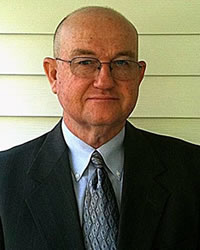
Gary Shepard

A Call To Communion

Hebrews 10:19-25
Gary Shepard March, 28 2010 Audio
0 Comments
Gary Shepard
Gary Shepard March, 28 2010

Sermon Transcript

Auto-generated transcript • May contain errors

100%
Open your Bibles again to Hebrews
chapter 10. Hebrews 10. A preacher of the gospel a pastor of a flock of God's
sheep, is to exhort the Lord's people. When Paul was writing to Timothy,
he said, preach the Word, be instant in season, out of season,
reprove rebuke, exhort with all longsuffering and doctrine."
Exhort with all longsuffering and doctrine. What is it to exhort? Well, it's defined in this way. To call near. To invoke or implore. To beseech. To comfort. To entreat. To encourage greatly. To give urgent advice. That's how this word exhort is
defined. And this book of Hebrews is a
book of exhortation. And I'll pick up reading where
we left off in our reading here in Hebrews 10, beginning in verse
19. In other words, here are some
things that are said in light of what has already been said. Having therefore, brethren, boldness
to enter into the holiest by the blood of Jesus, by a new
and living way which he hath consecrated for us through the
veil that is to say His flesh. And having an high priest over
the house of God, let us draw near with a true heart in full
assurance of faith, having our hearts sprinkled from an evil
and our bodies washed with pure water. Let us hold fast the profession
of our faith without wavering, for He is faithful that promised. And let us consider one another
to provoke unto love and to good works not forsaking the assembling
of ourselves together as the manner of some is, but exhorting
one another, and so much the more as ye see the day approaching." I've entitled this message today,
A Call to communion. And by that I mean a call to
communion with God and with the people of God. What does that word communion
really mean? Well, I know it has been used
oftentimes to speak of a virtual ritual in religion. That by simply the taking of
certain elements or doing certain things, we have communion. But communion is defined by words
like this, association. It's defined by words like fellowship,
participation, communication. David heard some things spoken
to him from Jonathan who said, I will go out and stand beside
my Father in the field where you are, and I will commune with
my Father of thee, and what I see, that I will tell you." He said, I will commune with
my Father about you. And then I will in turn commune
with you and tell you what he said about you. And so if you look back in this
book, what you find is that in the garden, man broke this communion
with God. You have it pictured so clearly,
spoken of so clearly. What had afore gone on when it
says, And they heard the voice of the Lord God walking in the
garden in the cool of the day, and Adam and his wife hid themselves
from the presence of the Lord God amongst the trees of the
garden." Because of sin, now this communion with God, which
obviously to some degree had been taking place, was no longer
going on. And then we read this, just a
A few verses later, it says, So he, that is God, drove out
the man, and he placed at the east of the garden of Eden cherubims
and a flaming sword which turned every way to keep the way of
the tree of life. There was no way. because of
sin, that now this communion with God could be carried on. And then, so all throughout the
Old Testament, after God gave the law, it was shown that only
once a year Could a representative man, representing the people,
a priest appointed by God only once a year, could he go in to
that place where God said that he dwelt, which was there in
the Holy of Holies, between the cherubims over the mercy seat
of the Ark of the Covenant only once a year. Could he, on their
behalf, go in with this sacrifice of blood, but then he had to
come back out? It was not a continued thing. And this went on year after year,
sacrifice after sacrifice. He went in to represent the people,
but he always had to come back out. And so it is in a contrast
to what was represented in the law and that priesthood and that
earthly entering in before God that the Apostle writes what
he writes here and shows the superiority of the Lord Jesus
Christ, His priesthood and His sacrifice on the behalf of His
believing people. And so when you come to verse
19, He addresses the Lord's people. He talks here about some people
who have something. They do not do this because they
do it in order to get something. They do it because they have
something. Verse 19 and verse 21 speaks
of them having something. They have three things basically
mentioned here. The first thing is the boldness
and the confidence of faith. They have a right and a privilege
now because of the Lord Jesus Christ, because of what He has
done, because of His sacrifice, they now have a confidence a
faith and a right to enter in to God's presence. And this is
because of this second thing. He says first, having therefore,
brethren, boldness to enter into the holiest, not by the blood
of bulls and calves, but by the blood of Jesus. And then he says
in verse 20, to show us not only that this way is open, was opened
by the blood of Christ which was pictured again on earth when
in His death the veil of the temple was torn in two from top
to bottom, showing that the way was open, but he reminds us here
that it is a freshly, if you will, a freshly slain way, living
way, through that veil. By a new and living way which
He hath consecrated for us through the veil, that is to say, His
flesh. When His flesh, when His perfect
sinless body was opened up by the thorns and by the nails and
by the sword on that cross, when it was opened up, that showed
that the way into the presence of God was open for everyone
that He represented. The separating sin had then been
dealt with and that way was opened. And in that, here's also the
third thing in verse 21 when he says, and having a high priest,
this great high priest, Christ who is not only the sacrifice,
but the priest that represents all of God's elect, having this
great high priest forever over the house of God. We have a priest,
the one that God has appointed. We have the sacrifice, the one
that God has accepted. And we have this faith that He
has given by His Spirit and gospel. And we now, in this position,
possessing these things, are exhorted to some things. And if we do not have these things, there is no communion with God,
nor is there any communion with the people of God. Turn back one page, probably,
to Hebrews chapter 9, and look at verse 24. He says, For Christ is not entered
into the holy places made with hands, which are the figures
of the true, but into heaven itself, now to appear in the
presence of God for us. And if we have Him, If He has
opened this way, then we have communion with God and with the
people of God. But although we have relationship
with God as is represented here, that does not mean we actually
experience communion with God. And he sets forth about five
things, five exhortations here in this text that I want us to
notice this morning. And the first one is to be found
in that 22nd verse where he calls upon everyone who is in this
position Everyone who has these things, if they truly have this
sacrifice and this priest and this faith, he says, let us draw
near. Let us draw near with a true
heart in full assurance of faith, having our hearts sprinkled from
an evil conscience, and our bodies washed with pure water." Now,
I don't have any doubt that the reference here has to do with
worship, whether it be private worship, and most especially
if it be public worship. We are with boldness to actually
approach the living God. And I can tell you this, if we
simply enter into a place where the gospel is preached, Or even
if we are enabled to hear the true preaching of the true gospel,
that does not mean that we have this communion. I'm telling you. If that were the case, if that
was always the way it was, There would be no need for any exhortation
of this kind, any giving of sincere advice and urgent advice for
you and I to be sure that in the midst of this, we draw near
to God. You see, we are not only those
who have this access to God, access to God in and through
and by the Lord Jesus Christ, We are also by that to come to
Him, to seek His face, and to commune with Him through Christ. That is, we are to come into
His presence. I hear a lot of people talking
about going to church. And it is as if it is a ritual
or a responsibility or a duty for them to be sure that at least
sometimes they go to church. That's not what he's talking
about here. He says, draw near. And just as was pictured, in
that priest going into the holiest of holy in that tabernacle or
in the temple as it was later built, he is saying that you
and I in Christ have entered in to the holy of holies in our
position in Christ, but we are also to enter in in our experience
with Christ. You see, the thought here is
to have an audience with God. Have you ever had an audience
with God? It means to come into His presence
because The Scripture says that he suffered the just for the
unjust to bring us to God. Not just to bring us into a relationship
with God, but to bring us to God He says that we who were
sometime afar all have now been made nigh to God by the blood
of Christ. You see, the Lord Jesus Christ
said, I am the way. What? To God. He described Himself
in John as the door. He's the door. And not only that,
but if you listen to what Paul says in Ephesians 1, he tells
us that God has made all His people to be accepted in the
Beloved. Received in the Beloved. And this is not merely an outward
thing. And neither is it merely a positional
thing, but we in worship, if we actually do worship inwardly,
spiritually, and by faith, approach the throne of God. What did Christ say? He said,
God is spirit. And they that worship him must
worship him in spirit and in truth." This is a truly spiritual thing. And it is a coming before God
as He is. And through that means by which
He has sent forth in His Word, we worship Him in truth. And we do so by His Spirit. We do so by that faith that He
gives. Paul, when he wrote to the church
at Philippi, said this. He said, in contrast to all of
that external worship that went on in the Old Testament economy
by those national people, the Jews, he said, for we are the
circumcision. We are the true circumcision. What describes us? He said, who
worship God in the Spirit and rejoice in Christ Jesus and have
no confidence in the flesh." He says here, draw near. He writes by the Apostle Paul
in Ephesians 2, he says, for through him We both, that is
Jew and Gentile that he saves, we both have access by one Spirit
unto the Father. He says again in the third chapter
of Ephesians, he says, in Christ, in whom we have boldness and
access with confidence by faith of Him. And then he writes to the Colossians
and he says this, If or since ye then be risen with Christ,
seek those things which are above, where Christ sits on the right
hand of God. Set your affection on things
above, not on things on the earth. See what he's saying there? I may have a house down the road,
but I may not ever go there. I may be in a position to do
something and yet never do it. I may have a right and a privilege. I may pay for a subscription
to a newspaper, never read it. I may pay a fee to go to a health
club and I never go there. You see, this is the whole thing
here. He said it is simply more than being in a position that
we are in Christ, seated in the heavenlies in Him, but we also
are to draw near to God's Son. In Hebrews 7 it says, For the
law made nothing perfect, but the bringing in of a better hope
did, by the which we draw nigh unto God. You see, he says here, with a
true heart. What's a true heart? Well, it
surely is that heart, that new heart of the covenant that he
makes reference to in verse 16 and all throughout the Old Testament. But it is truly the heart of
faith. You know, he says, with the heart
man believes unto righteousness. Like those disciples said in
John 6, we believe and are sure that you are the Christ. He said, draw near. Let us who
have this privilege, who have this salvation, who have this
Savior, who have this priest, who have this faith, let us draw
near to God. And we come as we come before
God. If we be in Christ, if we be
washed in His blood, we come as clean persons. Clean persons. The reference
here is to the blood of sprinkling. He says, let us draw near with
a true heart in full assurance of faith, having our hearts sprinkled
from an evil conscience and our bodies washed with pure water. Say, can I come before God? He said, your conscience washed
with that blood of sprinkling. And he says, and your body is
washed with pure water. And I believe he's talking here
about the believer in Christ has such a cleansing. He said,
you're clean and you're being cleansed. We have such a cleansing
and a perfection and a washing from our sins in Jesus Christ,
not only before God in our conscience, but also in our person, that
the believer in Christ not only can, but is to come boldly to
the throne of God's grace. Hold your place right there and
turn over to 1 John chapter 1. 1 John chapter 1, and look down
in verse 3 what John says as he writes here. He says, "...that
which we have seen and heard declare we unto you that, or
in order that, you also may have fellowship with us." Communion
with us. Who's that? Not only with these
apostles, but with all of God's people. And, truly, our fellowship is
with the Father and with His Son, Jesus Christ. And you know, isn't it amazing
the next thing he says? "'And these things write we unto
you, that your joy may be full.'" Does that mean that we do not
have fullness of joy unless we have fellowship? Unless we have
communion with God and His people? That is exactly what it means. Oh, we want to be happy, don't
we? And yet, in truth, we just simply neglect and do without
the one thing that actually makes the Lord's people experience
true joy and happiness. What's that? Communion with God. and with his people." Now listen
to him. "'This then is the message which
we have heard of him, and declare unto you that God is light, and
in him is no darkness at all. And if we say that we have fellowship
with him and walk in darkness, we lie and do not the truth. But if we walk in the Where is the light? The light
of the truth, the light of Christ, the light of the gospel. If we
approach God, in that one way that He not only pictured in
the Old Testament, but in that way that He shows us again here,
again and again in the New Testament, if we approach God in that way
that He has appointed, which is in Jesus Christ and Him crucified. If we walk by faith in that light,
look at what it says. We have fellowship one with another. And the blood of Jesus Christ,
his Son, cleanseth us from all sin. Now, if you and I know anything
about God, we know that no sinner, as was evidenced by what he said,
as was evidenced by what he did with Adam and Eve, as is shown
again and again throughout the Old Testament priests, With Israel,
we know that we could never enter into His presence in ourselves. But he said, not only does that
sinner who is in Christ, who's been represented already by this
great high priest, who already has had his sins put away by
that sacrifice of that great high priest, not only do they
have now permission to come into God's presence, but they have
the command to come and the privilege to come. We don't need an earthly priest.
As a matter of fact, he describes us now as a kingdom of priests. A kingdom of priests who go into
the very presence of God through the merits of Jesus Christ and
the representation of Christ. We go and are to go into His
presence to offer up the sacrifice of praise and thanksgiving. He said, draw near. Draw near. We don't just have
access to heaven one day. We have access to God now. Then he gives a second exhortation. And that second exhortation is
in verse 23. He says, Let us hold fast the
profession of our faith without wavering, for He is faithful
that promised. That hold fast there has this
thought with it. It means to hold fast as if you're
in a fight. or as if a soldier is instructed
in the midst of battle to hold fast in this fight against this
enemy. That's the second exhortation.
He says, to these who have such a priest and such access, he
says, hold fast. Hold fast to this one hope. Hold fast to this one Savior,
to this one gospel, to this one hope of God's grace in Jesus
Christ, and a hope that is born out of all these promises from
God, and He's faithful who promised, and He's made all His promises
to be yes and amen in Christ. But I think there he's saying
also we're to hold fast our confession of Christ as we confess Him in
the faith. We are to continually hold fast
in the face of all the opposition, whether it be within us and our
fallen nature, whether it be around us in our family, whether
it be amongst those we count as our friend or the world in
general, we are to hold fast the confession of this faith. the faith once delivered to the
saints. Why? Because there is always
a constant effort by this world, by the devil, by even our flesh,
to diminish it, to dilute it, to turn from it, to seek an easier
way and a less offensive message. But ours is to be a continued
and a public and an open profession and confession of this faith
with all of God's people. We confess Christ together. That's what Paul said. He said,
our fellowship is in the gospel. You've described it as our common
salvation. And we believe this faith that
was once delivered to the saints, and we believe the gospel of
God's free grace of the Lord Jesus Christ, and we confess
this faith." He said, hold fast. We confess Christ as being all
our hope, all our salvation, of our being saved altogether
by God's grace, of our being saved in and through and by the
blood and the imputed righteousness of Christ. And we confess, we
hold fast in the light of His coming. looking for that blessed hope
and the glorious appearing of the great God and our Savior,
Jesus Christ. Look over across the page probably
to Hebrews 11 and verse 13. where all these such as Abraham
and Isaac and Jacob and others, these who are given as illustrations
of faith and those that believe, he said, these all died in faith,
not having received the promises, but having seen them afar off
and were persuaded of them and embraced them and confessed that
they were strangers and pilgrims on the earth. For they that say
such things declare plainly that they seek a country. Now, I know how I am in this
flesh, and I'm Day by day I'm thoroughly disgusted and aggravated
and unsatisfied and all these things with what's going on in
this country right now. And I'm having to pray and ask
God to keep reminding me that of a truth I am not really of
this country at all, not even of this world. And I'm a stranger and a pilgrim
who's passing through. And my native land is one that
has nothing but the glory of God, has nothing but the perfect
will of God. has nothing but prospect and
joy and glory for every redeemed saint. He says, hold fast the
confession of our faith. All right, then thirdly, here's
this. He says in verse 24, and let
us consider one another to provoke unto love and to good works. Now, who are these one another's
in particular? Well, they're those who are described
here as them that are sanctified. They're described as the children,
the heirs, the people of God, the household of faith, those
whose priest is Christ. In other words, all who are in
this relationship with God and with His people. Because as such, the Lord's people
enjoy the benefits of Christ together. You just stop and think of how
many times and in how many different ways the people of God, those
who truly believe on Christ, those who will truly be saved
and enter into His heaven, How many times they are spoken of
as being in some way or described in some way being one together? His body, His bride, His building,
His army, He said, we're to consider one
another. And that is a very strong word
here, that word consider, because it means to observe attentively,
to fix one's eyes or mind upon. Not for the purpose of criticizing
or finding fault or evil. We already see more than that
in ourselves. But to do them good. One writer described it in this
way, and I thought it was really good. He said, it is an ongoing,
outgoing, sympathetic, empathetic, compassionate, caring, and loving
consideration for every fellow member of the body of Christ,
whatever their need or condition, And although it is not limited
to the sphere of the local church, that is where it will most actively
be practiced and observed." He said, consider one another. And to provoke one another, or
to stir up to love and to good work. Now, I think most of us
know how you provoke somebody to anger, don't you? You show yourself mad at them
first. If you want to get knocked down,
about the easiest way I know to do it is knock somebody down
first. We know what it is to provoke
someone in that way. But here he says, provoke one
another to love and to good works. Consider. That means be watching
that we might be led by the Spirit and enabled to see how toward
our brethren we can do something toward them as an act of love
and good works. Everybody always wants to be
loved. I just want to be loved. I just
want somebody, I wish somebody would do something good for me." He said, this is the way. He
said, provoke them, love them first. Do good works toward them
and for the glory of God for them first. Be looking around
all the time, trying to find out how you can show somebody
love, demonstrate love, say a kind word, whatever it is, and to
do some good work toward them for God's glory. And then he says the fourth thing.
He says in verse 25, the first part, he said, forsake not. Forsake not the assembling of
ourselves together as the manner of some is." Can you just imagine
that hardly? We talk about the awful times
we live in, and yet in the very first century, in a matter of not all that long,
After Christ Himself died, while the apostles were still here
and writing, there were some who professed
to believe on Christ, to trust His gospel, to love His people,
and they had forsaken the assembling of themselves with the Lord's
people, even then. even at that hour." You see, these things that he
has mentioned here, they are most to be remembered and practiced
as we assemble to worship God. As a matter of fact, I want you
to think about this, because I believe it is absolutely true. The most fundamental and the
most elementary The most basic act of love and the most basic
good work is first to assemble with the brethren to worship
God together. Don't say how you love God. Don't
say how you love the Lord's people. And forsake the assembling of
yourselves together. Why? Because the very name or
word church, that word is ecclesia, which
means a called out assembly. What do the Lord's people who
have been called out by His grace, called out through His gospel,
called out and brought to believe on Christ, what is the very basic
act of love and good works that they do? They assemble. Why? To hear the Word of God. Now I know we are to read our
Bibles together, and we are. But he says, forsake not the
assembling of yourselves together. And it is not only that we are
to hear the Word, to hear the preaching of the Gospel, to hear
the exhortations or whatever it is that God sends us, but
it is also to encourage our breath. to encourage those who preach
the gospel. Do you have any idea how discouraging
it is to your brethren when you're
not here? Do you have any idea? I know
how discouraging it is to me. Sometimes it makes me so low
that I don't even feel like that I can stand up to try to preach
to you. It makes me feel like that every
moment I spent in preparation, it's not appreciated, not needed,
not wanted. Maybe I'll just do something
else, you know. But it isn't just me, it's your
brethren. Well, I was just so tired, wore
out, I was just hurting so bad, sick. I was tired I wouldn't
have gotten anything out of it. Is that all worshiping God's
about? What you can get out of it? You think about that. Is that all worshiping God is
about? Is that all we assemble for?
Is it for what we can get out of it? That is so self-centered
and so self-directed. And I know this, worshiping God
is not that way. We gather together, we assemble
first of all in order to give something to God. Praise to Him. Recognition to Him. Obedience
to Him. Glory to Him. And we gather and
assemble also to encourage His people who are like us, strangers
in this land, wayfaring pilgrims who are not of this world, who
have every kind of trial and trouble just like we do, aches
and pains and all these other kinds of things. Paul writes to the Colossians.
Listen to what he says. He says, Let the Word of Christ
dwell in you richly in all wisdom, teaching and admonishing one
another in psalms and hymns and spiritual songs, singing with
grace in your hearts to the Lord. We assemble to hear the Word
of God. We assemble because we render obedience to God. Why? Because He said, forsake not
the assembling of yourselves together. But we recognize Him
as God, as first in our lives. Sad it is if we say that Christ
is a very important part of our lives. If He is not our life,
we're lost. We assemble to pray to God. We assemble to praise Him, to
give thanksgiving to Him, because just in assembling we're brought
to remember His grace and His mercy to us. I've heard some of these brethren
pray on numerous occasions, Lord, if you had left us to ourselves,
there's no telling where we'd be tonight or today. That's right. And you see, it's to these who
are assembled that Christ has promised His special presence. He said, for where two or three
are gathered together in my name, there am I in the midst of them. This is also a vital part of
our public witness to our families. You know, you needn't bother
telling your children or your brothers or your sisters or your
mamas or your daddies or whoever they are. You needn't bother
telling all your family members just how important the gospel
is or Christ is, if they don't see that he's important to you,
mark it down. It's a vital part of our public
witness to our families and to our friends and to our neighbors
and to the world around us. I've had a man to tell me this
once. In so many words, he pretty much
told me, well, he said, I passed by where you preach a lot. And
by virtue of the number of people I see sometimes, evidently, you
ain't such a good preacher. What you preach is not such a
good message. And maybe you ought to be doing
some things to build the crowd in. That cut me to the bone. I knew who it was coming from,
and when I had time to think about it, it didn't really amount
to much, but it's a reproach. It's a reproach. He said, forsake
not the assembling of yourselves together. Then the last thing is this,
and I'll just, he said, verse 25, but exhorting one another. And so much the more, as you
see the day approaching. In all these ways and more we
are to exhort one another. That is, encourage one another. If you just take your concordance
and look at that little phrase, one another, in the New Testament,
you'll really see something. He says, encourage one another,
implore one another, love one another, edify one another, bear
one another's burdens, serve one another, receive one another,
admonish one another. Paul says, forbearing one another
and forgiving one another, if any man have a quarrel against
thee, even as Christ forgave you, so also do ye. He says,
and comfort yourselves together and edify one another, even as
also you do. In Proverbs it says, iron sharpeneth
iron. If you're going to get iron sharks
whetted up, don't take a piece of chalk to it or a piece of
wood to it. It takes like. And that's why he says the people
of God are together. They're as one. They're the members
of that body of which Christ is the head. And they need one
another as they need Christ also. Because the closest thing you'll
get to the Lord Jesus Christ on this earth is another believer
in whom he dwells. He says, and especially, especially, even the more so
as we see the day approaching. What day is that? Well, undoubtedly
the day of the Lord, the day of Christ's coming. Do you really think that Christ
is coming back to this earth? Say, well, yes, I do. Next question. Do you think He's coming back
today? I mean, honestly now, do you
really in your heart of hearts? No. But he said, in such a time as
you think not, he's coming. And we are to live
just as if he were coming back today, because he well may. I wish he would. But if he tarries, there'll be
more days. There'll be days of sickness.
There'll be days of trial. There'll be days of heartache.
There'll be days of temptation. There'll be days of persecution. And we need to do these things
Even in light of those days that are coming. They're coming. You
know they're coming. I told somebody many times. This life is like standing on
the beach down there. You don't wonder if another wave
is coming. You wonder when it's coming and
how hard it's going to be. But it's coming. You know it
is. Just like the Lord told Elijah.
He said, You will rise and eat, for the journey is too great
for you. This is a call today, a call
to communion, a call to communion with God. Don't be satisfied even with
just coming here. Don't be satisfied even with
hearing the gospel. If I preach the truth, we'll come before God and we're
to draw near Him. Those Old Testament saints, they
could not even go in that place on earth, the Holy of Holies,
and we're called to go into God's presence. It's a call to communion with
His people, to confess together His gospel, to encourage one
another, to exhort one another, to provoke one another to love
and good works, to support the worship of God with all our being. In Hebrews 13, He says, by Him,
same thought, by Him. We enter in by Him, like that
Old Testament priest. Through Christ and through His
blood now, we're not shut out. We don't have an earthly priest.
By Him, we enter in. By Him, therefore, Hebrews 13,
15, let us offer the sacrifice of praise to God continually. That is the fruit of our lips
giving thanks to His name. Every time, almost when I come
this way, I ask the Lord, Lord give us
true worship. Don't let it be just a recitation
of your Word. Don't let it just be us coming
together like a community club or something like that. Don't
let it be like all these places where they'll sing a song and
do some things outwardly and think they worship God. Cause
us to worship you, to desire to worship you. and to worship
you in spirit and in truth. Let us have communion with you
and with your people. God help us to do so. Our Father, this morning we pray you would give us ears to hear. If we be among those who never
truly entered in, we pray that you'd help us, give us faith
to look to this priest and his sacrifice, the Lord Jesus Christ
and his death. Help us to enter in. through
Him and only Him. And give us this worship, this, in our experience,
by faith, to realize that we've come into Your holy presence. We come before the living God.
We come, Lord, to worship You and to commune with You the things
of our heart, our needs, and our fretfulness, and to hear
Your Word spoken to us by Your Spirit. Help us, we pray. For we ask all things in the
name of Christ. Amen.
Gary Shepard
About Gary Shepard
Gary Shepard is teacher and pastor of Sovereign Grace Baptist Church in Jacksonville, North Carolina.

Comments

0 / 2000 characters
Comments are moderated before appearing.

Be the first to comment!

Joshua

Joshua

Shall we play a game? Ask me about articles, sermons, or theology from our library. I can also help you navigate the site.