Bootstrap
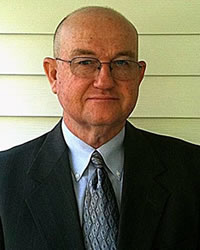
Gary Shepard

The Necessary Pilgrimage

Matthew 11:28
Gary Shepard December, 6 2009 Audio
0 Comments
Gary Shepard
Gary Shepard December, 6 2009

Sermon Transcript

Auto-generated transcript • May contain errors

100%
Turn with me in your Bibles this
morning to the Gospel of Matthew. Matthew chapter eleven. I want to begin by reading one
verse. Matthew 11 and verse 28. Come unto me, all ye that labor, and are heavy laden, And I will give you rest. I call this message this morning, The Necessary Pilgrimage. If you look in the dictionary,
that word, pilgrimage, is defined something like this,
a journey, a journey to a sacred place or
shrine, or a long journey or search, especially one of exalted purpose. or moral significance. One who makes such a pilgrimage,
such a journey, is called a pilgrim. And there are many, many false
religions that require these pilgrimages. They require their adherence
at some point or other to make a journey to Mecca, or to make
a journey to Salt Lake City, or to make a journey to Rome,
or to make a journey even to what they call the Holy Land. You make this pilgrimage to these
places or to these shrines and these tombs sometimes. But those who would know God, those who would believe the Bible. Those who would be Christians
in the Bible sense of that word, they make just one which continues
all their days. They come to Christ. They come without moving a muscle. They come without changing geographic
locations. And without any outward work,
they come to the Lord Jesus Christ. As a matter of fact, every one
of them, they make this pilgrimage, they make this journey. They
come to Christ just like one of the thieves did while he hung
on the cross, with his hands and his feet both
nailed to the cross upon which he hung. He came to the Lord
Jesus Christ who was hanging on the middle cross. And it is that same one who speaks
those words there in verse 28. He is not somebody's little Jesus. He is the Lord Jesus Christ. He is none less than God manifest
in the flesh. He is the perfect sinless man. He is the Holy One, the messenger
of the covenant. He is Jesus Christ the righteous. He is the Savior of the world. He is the Messiah, the righteous
Judge, the sovereign Lord. He is the only begotten Son of
God. And at this time, if you look
back in verse 1, it says, And it came to pass, when Jesus had
made end of commanding his twelve disciples, he departed thence
to teach and to preach in their city. He goes out now amongst
the cities that kind of surround the Sea of Galilee, and he goes
into these cities preaching the gospel, doing all the miracles
that he did. And in verse 20 it says, Then
began he to upbraid the cities, wherein most of his mighty works
were done, because they repented not. They saw God in the flesh,
but they did not believe. They heard the truth fall from
the lips of him who is the truth, but they believed not. They saw
the miracles that He did with their own eyes, but they did
not come to the Lord Jesus Christ. And so verse 21 says, Woe unto
thee, Chorazin! Woe unto thee, Bethsaida! For if the mighty works which
were done in you had been done in Tyre and Sidon, they would
have repented long ago in sackcloth and ashes. But I say unto you,
it shall be more tolerable for Tyre and Sidon at the day of
judgment than for you. And thou, Capernaum, which art
exalted unto heaven shall be brought down to hell, for if
the mighty works which had been done in thee had been done in
Sodom, it would have remained until this day. But I say unto
you that it shall be more tolerable for the land of Sodom in the
day of judgment than for thee." And my friends, if that were
true in that hour, how must it be for those of us who have had
the record of the gospel for something like two thousand years
since then? He's been doing these things
and he has been meeting, as he did, a widespread rejection. They received him not. They believed
not on him. They came not to him. And then in verse 25, he begins
to pray to the Father, but rather than being disappointed or discouraged
or questioning, the Father as to why everyone did not receive
Him and believe on Him. Rather than that, he gives thanks
to the Father. What does he thank the Father
for? Verse twenty-five, At that time
Jesus answered and said, I thank thee, O Father, Lord of heaven
and earth, because thou hast hid these things from the wise
and prudent, and hast revealed them unto me." What is he thanking the Father
for? for distinguishing grace. He's thanking Him for the sovereign
grace of God. He is in agreement with the Father
that it is the right of God to have mercy on whom He will have
mercy. God had not showed this mercy
to these who were in these cities, that is, the wisest among them,
the most learned among them, the wealthy among them, the religious
among them, the moral among them. And rather than showing mercy
to such as one would think, would receive such from God, he revealed
it unto babes. Those who were found without
any such understanding as these thought they had, he revealed
himself to sinners in the eyes of all of these people. He revealed
himself to the least of the people. And that's who he saved. That's exactly what Isaiah records. He says, Woe unto them that are
wise in their own eyes and prudent in their own sight. Woe unto those who imagine that
they in some way have the favor of God based on who they are. And then in verse 26, as a man, as one in human flesh,
he vows to God's absolute sovereignty and wisdom. He says, even so,
Father, for so it seemed good in thy sight." Now, I wonder
if we can bow to such a thing as that. That as God said to
Moses of old, when Moses asked him to show him his glory, I
always think about that. Because when I think about that,
I think about everything that Moses had seen. He had seen the
river being turned into blood. He had seen all those miracles
that were done in the land of Egypt. He'd seen the firstborn
among all the Egyptians be smitten of God. He'd seen even the Red
Sea open up and they being enabled to walk across it on dry ground. And yet he says, Lord, I beseech
thee, show me thy glory. And the Lord said to him, I'll
make my glory to pass by you." And this is what it is. That
is, as God, I will be gracious to whom I will be gracious, and
I'll have mercy on whom I'll have mercy, and whom I will I
harden. He hardened Pharaoh's heart. How did he do that? By leaving
Pharaoh to his own mind, his own will, his own heart. And that's what will happen to
us if he leaves us like that. He said, this is my right as
God. And then when Paul writes in
Romans chapter 9, He repeats exactly the same thing, God's
right to be who he will, to whom he will, to harden whom he will,
and to save whom he will. The Lord Jesus, as Jehovah's
Servant on this earth, what did he say? for so it seemed good in thy
sight." Have we been brought to that? I'm so thankful for the day that
God brought me to see and understand that if He gave me what I deserve,
if He gave me what would be the fruit of my best labors and works,
It would be to leave me to meet the just consequences of my sin. That if he cast me into the lowest
hell, he would only be doing what is exactly just and right. Because mercy is the kind treatment
of an enemy. And grace automatically shows
that the one who receives it not only does not deserve it,
but cannot do anything to deserve it. And so what does he say? I'll be merciful to whom I'll
be merciful. I'll be gracious to whom I'll
be gracious. And in doing so, he sets himself
apart from all the gods that are presented by men to men in
our day, and he shows that he, as the god of this world, the
god of the Bible, is totally different. Totally, absolutely different. You see, this book teaches that
God has ordained and appointed all things, everything. It says that he works all things
after the counsel of his own will. Let me read you something
out of Isaiah chapter 46. This is God himself. He says, Remember the former
things of old, for I am God, and there is none else. I am
God, and there is none like me. Declaring the end from the beginning,
and from ancient times the things that are not yet done. My counsel shall stand, and I
will do all my pleasure." Now, how does that stand up against
men telling you and me that God wants to do this or wants to
do that or wants to save us or wants to do this for us if we'd
only let Him? No. He says, I do all my pleasure. He says, calling a ravenous bird
from the east, the man that executes my counsel from a far country,
yea, I have spoken it. I will also bring it to pass. I have purposed it. I will also
do it. You know what that means? That
means that there is only one free will in this universe. Absolutely. And not one of His
creatures, not one of us, not you or me, can we, by our will,
hold His will at bay. He works all things after the
counsel I can tell you this, the only
hope that sinners like we are have, the only salvation that
there is for us is in His will, His absolute will. Let me read you what an old preacher
said concerning that. He said, His mercy is not moved
by any good in us, neither is it kept back by our undeservings. For neither our merit nor our
misery can be said to have had any hand in disposing the purposes
of His sovereign will towards us. It's nothing good in us that
moves Him toward us. It's nothing evil in us that
keeps Him from us. That the Lord hath taken occasion
from our misery to magnify the abounding riches of His mercy
is true. But then His mercy was before
our misery, and His own everlasting love the sole cause of our blessedness
in Christ, therefore our Lord's own words are most blessed in
point, even so, Father, for so it seemed good in thy sight."
In other words, if there is nothing in us, or can ever be done by
us to draw God to do something for us. If there is every reason
for Him not to do so, if He has purpose and will to show mercy
to you or to me, how can we not say, even so, Father, for so
it seem good in thy sight? And then, and by the way, all
these things are closely connected, he declares an absolute truth
concerning all people. Look at that 27th verse. He says, all things are delivered
unto me of my Father, And no man knoweth the Son, but the
Father, neither knoweth any man the Father, save the Son, and
he to whomsoever the Son will reveal him." Nobody knows the Father but the
Son. Nobody knows the Son but the
Father. except those to whom God reveals
Himself to. If you go back and turn and read
sometimes in Galatians 1, the apostle Paul says that it was
only when it pleased God to reveal His Son in him that he knew anything
about God. Who was he? He was a fine man. He was a teacher among the Jews. He was a Hebrew of the Hebrew. He was a man that after the outward
form of the law was righteous. But he said, I was before a blasphemer. That's what I was. I thought
I could go to God based on my terms, my doing, whatever. But he's saying here that no
man can know the Father or the Son except the One to Whomsoever
the Son will reveal Him." That is, no man, no woman, can by
searching find God out. No one can by their will or their
works or their intellect or their feelings or their emotions or
anything in nature know God. So many people imagine that they
see God in a sunrise or a sunset or, as they say, in a baby's
face or something like that. Did you know that this book says
that nobody knows God in a saving way that way? As a matter of
fact, he says that all we can see in nature, in the creation,
in all the things that God has created is this witness and proof
that there is a God, and we are condemned by that light. In that revelation, there is
only the knowledge that there is a God. There is no knowledge
of how that God saves sinners. That is only in the Gospel. You
see, God must reveal Himself to us through His gospel and
in us by His Spirit, and that is only in His Son. Go read Hebrews 1. He says, God,
who in different ways and in different manners in time past
has spoken through the prophets, He has in these last days spoken
unto us by His Son. That means that all that God
has to say to you or to me in mercy and grace and salvation,
He has said it in the Lord Jesus Christ. Let me read you this
in John 1. He says, No man has seen God
at any time the only begotten Son, which is in the bosom of
the Father, he hath declared it." He has told him out. He has said in Jesus Christ all
he's got to say to such rebel wretches as we are. Listen to
Christ in John 14. Philip saith unto him, Lord,
show us the Father, and it suffitheth us." Oh, we'll be satisfied if
you'll show us the Father. Jesus saith unto him, Have I
been so long time with you, and yet hast thou not known me, Philip? He that hath seen me hath seen
the Father, and how sayest thou then, Show us the Father? Believest thou not that I am
in the Father, and the Father in me? The words that I speak
unto you I speak not of myself, but the Father that dwelleth
in me, he doeth the works. Believe me that I am in the Father,
and the Father in me, or else believe me for the very works
sake." You're not going to see the Father God. If you ever see God, it's going
to be in the person of Jesus Christ. God manifests in the
flesh. It's going to be through Jesus
Christ and Him crucified. And if you turn back in your
Bibles over to John chapter six, John chapter six, and look down
in John six at verse 44 first of all. This is the same one,
the Lord Jesus Christ. And here he says this, no man
can come unto me. He didn't say some people can
or most people can't. He said no man can come to me
except the Father which has sent me Now, if you think that that's
just merely an influence, you're wrong. That word, draw there,
is the same Greek word that is used when he speaks about the
fishing net, that they draw the fishing net in with all the fish
in it. Have you ever seen a fishing
net full of fish come in by themselves? No, somebody has to draw me. It's used also on another occasion
when it speaks of Peter drawing out his sword and cutting off
the ear of the high priest's servant. Have you ever seen a
sword leap out of a scabbard? No, he said, no man can come
to me except the Father draw him. Breathe. That's it. If He leaves us to
ourselves, we'll just be so satisfied with everything but Him. We'll
be satisfied with all that this world has to offer up. We'll
live in our blindness and our spiritual death. Look over in
verse 63. He said, It is the Spirit that
quickeneth the flesh profiteth nothing. The words that I speak
unto you, they are spirit and they are life. You know, if you read that and
believe it, it'd do us well, wouldn't it, to try to begin
to learn something about what he's got to say. The words that
I speak unto you, they are spirit, and they are light. But there
are some of you that believe not, for Jesus knew from the
beginning who they were that believed not, and who should
betray him. And he said, Therefore said I
unto you, that no man can come unto me, except it were given
unto him of my father. That's it. Look at verse 66. From that time, many of his disciples
went back and they walked no more with him. They were interested
in getting healed like people are nowadays. They were interested
in the free meal that he would provide. They were interested
in those miracles. But when he began to talk to
them about spiritual things, such as life through him, life
through his death, they said, he's got some hard sayings. Who
can understand these things? They turned back. Most of them
turned back. And then Jesus said unto the
twelve, will you also go away? Why don't you go away? Everybody
else is going away. Then Simon Peter answered him,
Lord, to whom shall we go? You have the words of eternal
life. And we believe and are sure that
you are that Christ, the Son of God, the Son of the living. Everywhere else is dead. You're the only one that there's
life in, and this life is through these words that you're speaking,
what you're telling us about yourself, and what you tell us
about what you came into this world to do. That's life. To
know you is life eternal. You see, the problem is not with
permission. The problem has to do with inability. He said, no man can come. You
say, well, you're saying preacher that nobody can come is allowed
to come to Christ. No, that's not what I'm saying.
I'm saying no man can come. It's inability. And inability
has to do with an unwillingness of heart to come. Men will come
to the front of a building. They'll come to a preacher. They'll
come to a pool of water or a baptismal font. They'll come to an organization
called the church. They'll come to a whole lot of
things. But of themselves, they will
not come to Christ. They'll come to this little Jesus
fellow that people are preaching around here who's really just
like they are. He can't do anything. His hands
are tied. He's weak. He's got good wishes
for you. He's really benevolent. He's
done a few things for you. He's made some things possible
for you. But they won't come to Christ. That's what Christ
said to those fellows. He said, you will not come to
me that you might have lost. Oh, you search the scripture. And in them you think you have
eternal life. You think by what you know. They
even took and wrote down the scriptures on little pieces of
parchment, and they rolled them up and tied ribbons around them,
tied them on their garments, tied them to their beards. You
teach the scriptures, but you will not come to me that you
might have life. Why? They were blind to the One
who was speaking. Because of their ignorance of
His grace. Because of that rebellion that's
born out of a natural enmity and pride and self-righteousness. Because sinners are naturally
oblivious to their real condition and need. So many of them turned
their backs on Christ. But not all of them. Why didn't these fellows walk
away? Because he had drawn them in. I'll tell you what, if you're
a starving man, and you ever find out where there's a provision
of food, they can't run you off. You're dying of thirst. You find
out that you're actually going to perish for want of water.
and you find out there's a fountain of water somewhere close by,
they can't beat you with a stick and make you leave. If you find out you have a dread
incurable disease, at least that's what everybody thinks, but you
find out that there's somebody who has actually developed a
medicine, a cure for it, you'll just be there. They can't run
you off from that. Why? Because you've found out
your need. And you see, although people
are in this state naturally, God has already said this to
his son a long time ago in Psalm 110. He said, thy people, not
everybody, but thy people shall be willing in the day of your
time. He said, preacher, you're preaching
a hopeless story. I'm telling you, I'm preaching a gospel that
is the gospel of Christ, which makes every sinner hopeless in
himself. Well, I've lived the best that
I can in my life. I'm sorry. If that's what you're
holding up to God, you're lost. Well, I try to live by the ten
commandments. All the Ten Commandments can
do is condemn you because the Ten Commandments required perfection. The Lord Jesus on one occasion
in Luke 10, he turned to his disciples who had just seen so
many make a mock of what he said, make a mock of his claim. He turned to his disciples and
he said, privately, blessed are the eyes which see the things
that you see. For I tell you that many prophets
and kings have desired to see those things which you see and
have not seen them and to hear those things which you hear and
have not heard. You see, if you hear the gospel,
I'm talking about the truth. And you're unable to believe
it. That's the grace of God. Because even though this is the
way it is in all things, look back in this same chapter here
in John chapter 6, where Christ, on this occasion, has met with
the same thing. You say, well, preacher, I'll
tell you, if I preach to believe what you believe, I'd just quit
preaching. If people are in the shape you
say they are, if they're blind and unbelieving and spiritually
dead, I'll just quit preaching. Well, I'll tell you this, if
I didn't believe it, I'd quit preaching. Christ said the same. I'm just
saying what he said. And it meant with the same kind
of natural reception. Is he discouraged here? Look
at verse 36. He just told them, I'm the bread
of life. Verse 36 of John 6, he said,
But I said unto you that ye also have seen me and believed not. Christ, you're supposed to be
the Savior, the Messiah. Does that make you a failure?
Look at the next verse. He says, All that the Father
giveth me what shall come to me. Now, I heard that half verse,
the second half. Growing up in religion all my
days. What does it say? Him that comes
to me, I will in no wise cast down. Preachers would say that. They'd
quote that. Now you remember this. Jesus said, Him that comes
to me, I will in no wise cast down. They never said what he
said about no man can come. This verse says this. All that
the Father giveth me shall come to you. And when they come, I will not for any reason, at
any time, or any way, cast them out. Why? Because when they come, it's
because the Father has drawn them to me. They shall come. I'm not on a fool's errand. I've been preaching this gospel
about 30 years, and I've seen many a person come through those
doors. Hear one sermon, they're gone. I've seen them come a year, maybe
two years, maybe longer, and they're gone. He said, all that the Father
gives of money shall come to me. I don't ask them to come down
the aisle. And I don't ask them to come to the pool of water.
And I don't ask them to join the church. And I don't ask them
to give me money. I don't ask them to do anything.
I'll tell them what he said. You go to Christ if you can. He said, Wherefore he is also
able to save them to the uttermost that come to God. By whom? He's the only way to God. That's
why he's called the way. He's all the truth concerning
God. That's why he's called the truth. He is the only life for
dead sinners that there is. That's why he's called the life. And when he says all these things,
such as I've just read to you, they're true and they're undeniable. But are they given to shut men
and women out of the kingdom, to keep them from heaven, or
to withhold God's mercy from them, or to exclude them? No. They're just realities. Realities that require God's
omnipotent power and grace. He's the only one that can come
where we are and rescue us. He uses a multitude of ways to
bring us under the sound of the gospel. And what the gospel is,
the gospel is simply good news. Well, it says Christ Jesus came
into the world to save sinners. Are you a Christian? Well, I'm
a member of such and such church. Or, I'm doing the best that I
can. I have good news for you. If you're
a sinner like me. You see, that's the gospel. Sent
by God to some poor pitiful a pathetic preacher like myself to tell his people what he's
done for them, that he's done it all. You see, man's gospel
says do. I call it the do-do gospel. Do this and you'll be saved.
Do that. Do this. God has a wonderful plan for
your life if you'll do this. Do this. The gospel is done. Finished. Do you have what he said on that
cross? It is finished. If I build you a nice piece of
furniture, Some of you have seen my carpenter
work. You know that ain't going to happen. But supposedly I could
build you a nice piece of furniture. And I just, I build it, and I
finish it, and I give it to you. And you take it and you say,
well, that's nice. But I think I'll cut this leg
off here. And I need to seal this crack
up here. I want a fit chain. That would
be an insult to me. You know that? Because I finished
it. That's what Christ's work is.
It's a finished work. He came into this world as a
man in order to do what you and I could not do for ourselves,
which was to die and satisfy God in the matter of our sins. You see, these truths glorify
God in all parts of salvation, And they're the only things that
will give real hope to sinners. Christ said, I'll send the Comforter,
the Holy Spirit, and he'll take the things of mine and show them
to you. But look back at Matthew 11. Matthew 11. Now, he said all
that. Look at verse 28. He says, Come unto me, all ye
that labor and are heavy laden, and I'll give you rest. You see, this is a command. It's
not a mere invitation. And we know that by the one who's
speaking. If I say, come, I mean, I'm your
equal. I can, you can take it or leave
it. But if the Lord of glory says,
come. You see, the gospel is a command to believe on Christ.
Not a mere invitation like you, I've set a buffet before you
or something. Come eat what you want, you know. He says, come and go. Not go,
but come. And if he says come, then that
means we're to leave some things just like the Apostle Paul did. We leave our works. We leave
our old religion. We leave our old efforts. We
leave our old false refuges. We leave our old experiences. We leave what we thought we knew
to come to him. In Isaiah, he said, Let the wicked
forsake his way, and the unrighteous man his thoughts. And let him return unto the Lord,
and he'll have mercy upon him. and to our God, for he will abundantly
pardon." You know what he says there, brother? He says, because
my ways are not your ways. What's our way? Well, he describes
it like this. He says, there is a way that
seems right to a man. That means I naturally think, well, I've
got I've got to clean up my life. I need to reform. I need to quit
doing some things. I need to start doing some things.
That's our way. He says, there's a way that seems
right to a man. The end thereof are the ways
of death. Let the wicked forsake his way. Who are the wicked? Is that the
Jeffrey Dahmers and the Charles Mansons and Saddam Husseins of
this world? No. It's every person seeking
to stand before God and be accepted by God on the basis of our unrighteousness. Going about to establish our
unrighteousness. Good people, we say. There's
none good. No, not one. But we're to leave
them, we're to repent of them and trust His work and His righteousness. We're to abandon all hope in
self and flee to Christ the refuge and believe on Him, rest in Him. He said, come to Me. To the person who has identified
by this particular word is Christ crucified. We leave everything else and
put all hope in the one who hung on that cross as the representative
of his people and shed his blood as an atonement for sin. Why? Because the wages of sin is death. My life is in His hands. Come to this successful Savior
of sinners. Paul warned about another Jesus. He said there are lots of people
come along. They'll be preaching another Jesus. They'll have another
gospel. They'll be led by another spirit.
What do you mean by another Jesus? What distinguishes the true Christ
of God? One verse of Scripture. That's when the angel told Mary
and Joseph exactly what his name was to be. He said, Thou shalt call his
name Jesus. Jehoshua, Jehovah the Savior. The New Testament equivalent
for the Old Testament, Joshua. You remember Moses? Moses could
not bring the Israelites into the land of promise. Joshua did. The law and our obedience
to it cannot save us. Only Christ can. Thou shalt call his name Jesus
for or because of something. For he shall save his people
from their sin. That's the reason. He's successful. He's successful as a particular
Savior of a particular people. His people. His sheep, He says, who hear
His voice. And who come to Christ, plus
nothing. I have a dear friend, a lady
asked him one time, I've told you this a lot. She said, is
Jesus really enough? He said, if He's all you've got,
He's enough. If He's all. You add anything
to Him. You see, coming to Christ is
simply believing on Christ. In John 6, verse 35,
he said, I am the bread of life. He that cometh to me shall never
hunger, and he that believeth on me shall never thirst. Coming to Christ. Believing on
Christ. Same thing. Trusting on Him. Relying on only Him. And who are these people? He
says, Come unto me all ye that labor and are heavy laden. That doesn't mean working people. That means people who by the
Spirit of God have been brought to an absolute end of themselves
in trying to do something to please God, trying to do something
to save themselves, trying to follow all the formulas of religion,
but they still don't have any peace. All ye that labor, but you're
still heavy laden. laden with your sin. You have
no peace of conscience about the matter of your sin. You have
no hope of eternal life. You have no hope of heaven or
forgiveness. You've done everything that you
could. You've done everything that you've been told to do.
Kind of like a drowning man. I read
once on how a lifeguard is supposed to respond to a drowning person. You see, if you swim out there
to that drowning person and you just lay a hold of them all of
a sudden, try to bring them in, they'll drown and they'll drown
you in the process. You wait until they give it up. Until they can't do anything
else. And then you take hold of them. Come unto me, all you that labor
and are heavy laden. And what's the promise? I'll
give you rest." When you trust in Christ, not in any of these other things,
but in Christ himself and what he's done, that work of righteousness
which he's accomplished. The fact that the Lord did lay
on him, impute to him, your sins, and He's counted you righteous
in Him. You see, what satisfies God satisfies
your conscience. He said, I'll give you rest. Soul rest. Perfect rest. as Old Gil said, spiritual rescue,
peace of conscience, ease of mind, tranquility of soul through
an application of pardoning grace and a view of free justification
by the righteousness of Christ and full atonement of sin by
his sacrifice and eternal rest. That's the necessary pilgrimage
to come, by faith, to Jesus Christ. To trust His blood for the way
you have seen. To plead His righteous work with
all your acceptance before God. May the Lord help you. Help me.
Father, this day we give you thanks, we give you praise for
the gift of your grace, for mercy and salvation in Jesus Christ
the Lord. We thank you that he came into
this world, took upon himself a body, God manifest in the flesh
in order that he might die. in the place of his people. Be
their substitute for sin. Suffer under your inflexible
justice. Die the death, Lord, that's necessary. Put away our sin. Help us to
leave every other thing, every other hope and trust in him. Come to him that we might We
thank you and we pray in Christ's name, Amen.
Gary Shepard
About Gary Shepard
Gary Shepard is teacher and pastor of Sovereign Grace Baptist Church in Jacksonville, North Carolina.

Comments

0 / 2000 characters
Comments are moderated before appearing.

Be the first to comment!

Joshua

Joshua

Shall we play a game? Ask me about articles, sermons, or theology from our library. I can also help you navigate the site.