Bootstrap
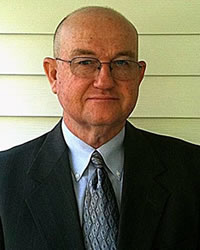
Gary Shepard

A Profile of the Blessed #7

Matthew 5:9
Gary Shepard June, 21 2009 Audio
0 Comments

Sermon Transcript

Auto-generated transcript • May contain errors

100%
Turn back, if you would, again
this morning to Matthew chapter 5. I want to continue today, if the
Lord would be my help. with this series of messages
here in Matthew 5, which I have been calling a profile of the
blessed. Christ has been describing the
blessed, the happy, which is what that word means. And these that he is describing,
as I've said repeatedly, they are not conditions for blessing. But they are rather the characteristics
of the blessed. Everybody says they're blessed. Well, if you look down this morning
in that ninth verse, the Lord Jesus says, blessed are the peacemakers,
for they shall be called the children of God. Now, these that He describes
as the peacemakers, They are not those, as men say,
who have made their peace with God. I can remember so well when
I was a young man riding down the road, and you would often
see a sign, and it says, Make Peace With God. But the truth is, no sinner can. No sinner can of themselves make
peace with God. And not only that, but he is
not talking about some who may think that by their seeking to
make peace among men, They will, by doing that, find peace with
God. These are not the peacemakers
Christ is talking about. These, as in all of the descriptions
before in the previous verses, these are believers in the Lord
Jesus Christ. These are a description of God's
elect when they are brought by His Spirit to believe in and
trust Jesus Christ alone. He's talking about those who
have been saved from their sins in Him. And they are those whose
peace is in Him because He is their peace. And they have peace
with God. And God is at peace with them
because Christ made that peace. You see, in truth, He is the
one and only true peacemaker. As a matter of fact, he is described
in Scripture as the very prince of peace. And when his coming
was announced, he was announced as being God's very peace on
earth. But he did not come into the
world to bring about or make possible some kind of world peace,
or even family peace, or peace among all people, as a matter
of fact, it is just the opposite. Turn over in Matthew 10. Hold
your place in Matthew 5, and turn over to Matthew chapter
10. Because here in Matthew 10, Christ
says something that is almost a surprise to our natural way
of thinking. And especially a surprise to
the notions of religion in our day. Because in Matthew 10 and
verse 32, He says this, Whosoever therefore shall confess me before
men, him will I confess also before my Father which is in
heaven. But whosoever shall deny me before
men, him will I also deny before my Father which is in heaven. that I am come to send peace
on earth. I came not to send peace, but
a sword. For I am come to set a man at
variance against his father, and the daughter against his
mother, and the daughter-in-law against her mother-in-law, and
a man's foes shall be they of his own household. He that loveth father or mother
more than me is not worthy of me, and he that loveth son or
daughter more than me is not worthy of me, and he that taketh
not his cross and followeth after me is not worthy of me. He that findeth his life shall
lose it, and he that loseth his life for my sake shall find it."
Our Lord says, it's not a world peace that I've come to bring. It's not even peace among family
and friends and such as that. But he says, rather a sore. And
that is because Christ and His gospel, which is called the offense
of the cross, has this effect among people. Rather than bringing
peace among men, it often becomes the source of division among
people, even among families as the Apostle, as Christ is talking
about here. So this is not peacemakers along
these lines. No, they're peacemakers because
Christ is their peace. And by that, I mean he is the
one who made peace with God on their behalf. He is the one whose work brings
about that peace in the only way that it ever could be between
God and sinners. Again, hold your place and turn
over to Colossians chapter 1. Colossians chapter 1, where we
have in the very plainest of language, where we have in this
epistle that was written to the church at Colossae, the words
of the Apostle Paul declaring exactly how the only peace that
there is between God and men was made. Colossians chapter
1 and verse 20. And having made peace through
the blood of His cross. Now, there is something that
I want us to notice and be sure that we understand. And that
it is not by what you and I do with what he did that brings
peace, even between God and men or to our hearts, but it is rather
because of what he did, because Paul describes what he did in
the past tense. He says, "...and having made
peace through the blood of His cross." That means that when
the Lord Jesus Christ hung on that cross some 2,000 years ago,
He actually did something that brought about this peace that
Paul is talking about, which is between the people of God
and God Himself, and he says, Christ made this peace by the
blood of His cross. And so, in light of that, that
would make it so in error to call upon men or to tell them
that they could make their peace with God when Christ made that
peace 2,000 years ago, and He did so through what He did on
the cross, which was what? He died. And to make sure that you and
I understand that this is the way by which this peace was made,
Paul puts this emphasis on it. He says, "...and having made
peace through the blood of his cross." Not by his just simply
dying the death of a martyr. Not by His living an example
before us. Not because of His great and
glorious teaching to His people. He says, having made peace by
the blood of His cross. By Him. Not by a joint effort
between you and I, or you and Him, or me and Him. But by him
to reconcile all things unto himself, by him I say, whether
they be things in earth or things in heaven, and you that were
sometime alienated and enemies in your mind by wicked works,
yet now hath he reconciled." in the body of His flesh through
death to present you holy and unblameable and unreprovable
in His That doesn't mean that you and
I, as far as what we are in this world, in our life, and in our
conduct of life, it does not mean that you and I are in any
way of ourselves unblameable, or holy, or unreprovable. But it says that by His death,
this death of the cross, He made peace by the blood of His cross,
and He did so in the body of His perfect sinless flesh through
death to present you holy and unblameable and unreprovable
in His sight. In His sight. And Paul says here,
he tells us that this peace with God which has been accomplished
by the Lord Jesus Christ, it is actually that peace by which
his people are reconciled to God. You see, if we have peace with
God, That means that we are reconciled to God. That means that everything
that divided us, or everything that brought about separation
between us, everything that we have done that offended this
thrice holy and just God, everything has now been removed and taken
out of the way, and we have been reconciled. to God. And this is not a work that we
do. This is not a work wherein we
assist Christ. But this is rather a work that
Christ has already done. It is a work that He has accomplished,
not just made possible or available, but rather finished it and accomplished
it. It is the work of God in Christ. Turn back to 2 Corinthians. 2 Corinthians chapter 5. to the language that the Spirit
of God gives the Apostle Paul to use here. In verse 18, he says what we
must find out if we ever come to know God, which is what? And all things are of God. Now, do we believe that? That means all things in this
creation. That means all things are of
God in providence, in the affairs of this world. Nothing happens
that is not brought to pass by God who works all things after
the counsel of His own will. All things are of God, but especially
in salvation. not by works of righteousness
which we have done, but because of and by his mercy he saved
us. All things, he says, are of God,
who hath reconciled us to himself by Jesus Christ and have given
to us the ministry of reconciliation." What is the ministry of reconciliation? Or as it's described a little
later, the word of reconciliation. To wit, that God was in Christ. God came into this world in the
person of Jesus Christ as a man, the second person of the Godhead,
so that he might in his body bear the sins of his people,
make an end of their sins, and by the doing of it reconcile
them to God. God was in Christ reconciling
the world unto himself, not imputing their trespasses unto them, and
hath committed unto us the word of reconciliation." What is the word of reconciliation? That's the gospel. The word of reconciliation, or
the gospel, is just what he said. All things are of God. And God was in Christ reconciling
us unto Himself. Now, when Paul writes this letter,
he writes it to believers. at the place called Corinth. He writes it to those who have
heard the gospel. He reminds them here of this
gospel of reconciliation that God was in Christ reconciling
them unto Himself. A finished, accomplished work
that is now the word of reconciliation, proclamation of it accomplished
that is to be announced to the world, and by which He'll bring
His people to believe it. He says, We are ambassadors for
Christ. As though God did beseech you
by us, we pray you in Christ's stead, be ye reconciled to God."
Now, wait a minute. Why would he say now to these
believers at Corinth, who have already heard and believed this
word of reconciliation, that God was in Christ reconciling
them unto Himself, why would He now say for them to be reconciled
to God? Because He is saying to these
people, no matter what God in His providence sends to your
life, whatever He brings to pass, in this world, whatever his will
is in manifestation, which may be against your flesh and against
what you think is good for you, he said, be reconciled to it. Because you're already reconciled
to God in Christ. And how did that take place?
Verse 21, "...for He hath made Him," that is, God, "...hath
made His darling Son, the Lord Jesus Christ, to be sin for us
who knew no sin, that we might be made the righteousness of
God in Him." How did He reconcile us unto
Himself? by making the sinless perfect
Son of God to be sin for us, by not imputing the sins of His
people to them, but rather imputing them, laying them on, and charging
them to Christ, making Him to be sin for them, that they might
be made the righteousness of God in Him. Turn back to Romans chapter 5,
where Paul gives the same thing. Romans chapter 5, this peace,
this reconciliation, he says in Romans 5 and verse 8, he says,
But God commendeth His love toward us, in that while we were yet
sinners, Christ died for us. Christ died in the place of His
people as a demonstration of His love for them. Much more
then, being now justified, declared righteous by His blood, we shall
be saved from wrath through Him. For if, when we were enemies,
we were reconciled to God by the death of His Son, much more
being reconciled, we shall be saved by His life. And not only so, but we also
joy in God through our Lord Jesus Christ by whom we have now received
the atonement. That word atonement there is
the same word that is elsewhere translated reconciliation. What does that say? Not only
so, but we also joy in God through our Lord Jesus Christ by whom
we have now received the reconciliation. We've received the peace that
God has made in Jesus Christ. It's a gift of God. And peace
of heart and mind and soul belongs to those who believe because
our sins that alienated us from God are put away by the death
of God's Son, and God is not angry with those in Christ. The Bible says He is angry with
the wicked every day. But he's not angry. There's no
frown on the face of this thrice holy God. There's only a smile
on His face toward His people. He never needed to be reconciled
to them because He loved them, knew them, justified them, saved
them with an everlasting salvation, and always viewed them in Christ. But they needed to be reconciled
to Him. Jerusalem, if you remember, is
that city where Christ was crucified. But not only that, Jerusalem
is also given many times in Scripture as a picture, this city which
is a picture of the body of Christ, of God's elect, the church of
the Lord Jesus Christ, even described as the New Jerusalem. Jerusalem. means the city of peace. Salem,
that's what that suffix on the last means, peace, city of peace,
because it's the city of the king of peace, and that's where
peace was established, and God's grace reigned in righteousness
through His death. Christ, who is the true Melchizedek,
who is described as such in Hebrews 7. He is said to be the King
of Righteousness, and after that also, King of Salem, which is
King of Peace. Now, how is he king of peace? The apostle says, because he
is first king of righteousness. Because he has stood before God. And there, under the hand of
divine justice, he has established righteousness in God dealing
with His people by paying the sin debt that was due them and
redeeming them to Himself by His blood. So since He's the King of righteousness,
He is also the King of peace. And that's what characterizes
His kingdom. Paul writing in Romans 14 says,
for the kingdom of God is not meat and drink. It's not external
things. It's not a building in a place
called heaven or a street of gold to walk on. The kingdom
of God is not meat and drink. but righteousness and peace and joy in the Holy
Ghost. Which is what? In the things
of Christ. And this peace in Christ has
not only to do with peace with God, but also peace in our conscience. There can never be peace in a
sinner's conscience unless there is an established peace with
God. And this peace is because God's
justice is known, is believed to be satisfied by Christ, and
therefore no claim is left against us. In Christ we are now justified
by His blood and are therefore, as Paul said, holy and unblameable
and unreprovable in his sight. And that's why the gospel is
called the gospel of peace. Not only does it announce and
proclaim this peace made by Christ, But it also brings peace to the
hearts of all who look to Him and believe His gospel. That's what I pray for every
one of you. I pray just as Paul prayed in
Romans 15. when he said, now the God of
hope fill you with all joy and peace in believing. You see, if you can believe the
gospel of peace, if you can believe that Christ
did truly, in His cross death, make peace with God by the blood
of His cross? That God really was, in Christ,
reconciling us unto Himself? When we're brought to believe
that, believe on Him, that's when we experience peace. You see, the knowledge of peace
made with God by Christ is what gives peace to our conscience. God describes false prophets
in this way. He says they speak peace, peace,
when there is no peace. when they speak peace by man's
doing, or peace by man's feeling, or peace through their rituals,
or peace by their decisions, or peace through their prayers,
or peace through their waters, which is nothing more than peace
by their doing. He said, they say, peace, peace.
when there is no peace. But God speaks peace, and He
will continue to speak peace, peace to all His people through
the gospel and in all their circumstances of life, and they shall possess
the peace of God as they believe Him. He said, These things I have
spoken unto you, that in me ye might have peace. In the world ye shall have tribulation,
but be of good cheer, I have overcome the world. He said,
Peace I leave with you, my peace I give unto you, not as the world
giveth, give I unto you. Let not your heart be troubled,
neither let it be afraid. Peace. Paul in Colossians 3 says, And
let the peace of God rule in your heart. Peace of God, which comes through
His having made peace by the blood of His cross. And then the Lord Jesus says in all this, that those
who trust Christ the Peacemaker, they become peacemakers among
men. You see, being at peace with
God, they have a peaceable disposition toward men. That is, these desire
to live peaceably with all men. They are no longer looking for
a fuss and a fight. They pray for peace in the church. They pray for peace among brethren. They seek reconciliation among
brethren. They love quietness. They do not sow seeds of discord
among men, especially God's people. And being born of the Spirit
of God, they bear the fruit of the Spirit. Paul says, but the fruit of the
Spirit is love, joy, peace, longsuffering, gentleness, goodness, faith. James says this. For where envying
and strife is, there is confusion and every evil work. But the wisdom that is from above
is first pure, then peaceable. gentle, easy to be entreated,
full of mercy and good fruits, without partiality and without
hypocrisy, and the fruit of righteousness is sown in peace of them that
make peace. You see, those who truly look
to Christ as the one who has made peace with God for them,
they in turn become peacemakers. They're not always looking for
a quarrel or a controversy or a fight. They're not looking
for a reason to divide. They're looking for a reason
to unite. and fellowship with the Lord's
people. The psalmist said, Pray for the
peace of Jerusalem. They shall prosper that love
thee. Peace be within thy walls, and
prosperity within thy palaces. For my brethren and companions'
sake I will now say, Peace be within you. For God is not the author of
confusion, but of peace, as in all churches of the saints. They're peacemakers, because
He's made their peace. And then notice what He says
also. Blessed are the peacemakers, for they shall be called the
children of God. Children of God. A long time ago, probably about
35 years ago, I stood up the first time and tried to preach. This was my subject, what it
means to be a child of God. And I was as lost, as ignorant
of the true gospel as anybody could be. And had the Lord not
saved me at a later day and revealed the truth to me, there's no telling
what I'd been saying. If you think I say it poorly
today, Even though I say it just as
poorly, I certainly don't say the same thing. They shall be called the children
of God because He called them such. Because He calls them by His
grace. Because He calls them in divine
love and mercy. They're called His children and
therefore heirs of God. He calls them by that spirit
of adoption. And John said, Behold what manner
of love the Father hath bestowed upon us, that we might be called the sons
of God. Therefore the world knoweth us
not, because it knew him not. Beloved, now are we the sons
of God, and it doth not yet appear what we shall be. But we know
that when he shall appear, we shall be like him, for we shall
see him as he is. These who promote peace, who
love peace, who follow after peace, they resemble their Father
in heaven. And what a glorious thing it
is to be called the children of God, who have peace with God
in Christ, who know the true God of peace and who possess
the peace of God in their heart. Turn for just one last verse
in Isaiah chapter 26. Blessed are the peacemakers.
For they shall be called the children of God. Look down in Isaiah 26 at the
third verse. This is the promise of God. Thou wilt keep him in perfect
peace. Well, we like that, wouldn't
we? Perfect peace. We love to be kept in perfect
peace. Who is that? That one whose mind is stayed
upon thee. That one whose mind, whose hope,
whose trust, Confidence is stayed on God in Christ, because He trusteth in thee. That person that trusts in Christ is kept. in perfect peace, because
that peace does not depend on them or anybody or anything around
them. It is in Christ. It's in the Prince of Peace. And may God help us to look to
Christ and Him crucified, to His blood by which He made
peace on that cross, that we might have that peace of God,
and therefore be peacemakers. Happy are the peacemakers, for
they shall be called, maybe not by other men, but they'll be
called by God, the children of God. Our Father, this day we give
you thanks. We do know you to be the God
of peace. Bring our hearts, our minds to
rest in the finished work, in that shed blood, that cross death
of the Lord Jesus Christ. It is Christ that died. It is He who alone has reconciled
us unto God. Enable us to rest in Him and
what He's done. Cause us to know that peace.
calls us to trust in Him, to have our minds stayed and fixed
upon You, that we might know that perfect peace. Help us as we go out of this
place. Get all glory and honor to Yourself. Have mercy upon us. Watch over
us. Receive our thanks this day,
for we pray and ask all things in your dearly beloved Son. Amen.
Gary Shepard
About Gary Shepard
Gary Shepard is teacher and pastor of Sovereign Grace Baptist Church in Jacksonville, North Carolina.

Comments

0 / 2000 characters
Comments are moderated before appearing.

Be the first to comment!

Joshua

Joshua

Shall we play a game? Ask me about articles, sermons, or theology from our library. I can also help you navigate the site.