Bootstrap
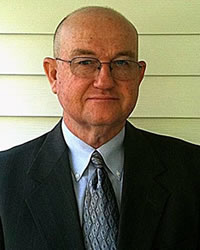
Gary Shepard

A Profile of the Blessed #4

Matthew 5:6
Gary Shepard May, 31 2009 Audio
0 Comments
Matthew 5:6 Blessed are they which do hunger and thirst after righteousness: for they shall be filled.

Sermon Transcript

Auto-generated transcript • May contain errors

100%
I'd invite you again this morning
to turn back to the gospel of Matthew and that fifth chapter. Matthew chapter 5. You know it is the command of
Christ to go and to preach the gospel. He said, go and preach the gospel
in every place and to every creature. And the Apostle Paul said of
that gospel, he says, I am not ashamed of the gospel of Christ,
for therein is the righteousness of God revealed. The gospel has something to do
with righteousness. Noah is described in Scripture
in all that long many years that he preached while the ark was
being built as a preacher of righteousness. And we find the Lord Jesus not
only giving that command, but also following it with His own
example. And we continue this morning
here with what I've been calling a profile of the blessed. And that word blessed means just
about this, happy, happy. And as I've been saying, what
he says here, these are not conditions for being blessed, but they are
the characteristics of the blessed. We have so many people in our day who say that they
are blessed. But the amazing thing here is
that the Bible says that there are none righteous, no, not one. There are none that are righteous
in themselves, and there are none who of themselves desire
God's righteousness." As a matter of fact, the prophet Isaiah makes
this confession of all people when he says, we are all as an
unclean thing and all our righteousnesses are as filthy rags." But if you look with me here
and listen to the words of Christ as we come to that sixth verse, He says, "...blessed are they
which do hunger and thirst after righteousness, for they shall
be filled." Blessed or happy are these that
are described here, and they are characterized as having a
particular appetite. And it is a spiritual appetite
which is not natural to any of us, but is created by the Spirit
of God through the gospel to all of God's people. It is a hunger and a thirst for
righteousness. And these that he describes here,
they are very different from those that Paul spoke of and
included his own self in by nature, his own people which he said
were going about to establish their own righteousness, and
they had not submitted to the righteousness of God. And as we read elsewhere in this
book, this is not the righteousness of the law, Paul says, but this
is that righteousness which is by faith. In other words, these
who hunger and thirst after righteousness, they are simply exhibiting or
demonstrating the very characteristics of true God-given faith. They are believers in Christ. And one way that we know that
these are God's people, that they are true believers in Christ,
is the fact that they hunger and thirst after righteousness. That is, they have been brought
As I said, by the Spirit of God and through what is revealed
by Him in the gospel, they've been brought to hunger and thirst
for the only true righteousness that there is, the one that is
in Christ Jesus. And this is what old John Gill
called the justifying righteousness of Christ, which is imputed by
God the Father and received by the faith that He gives His people. In other words, to be justified,
is to be declared righteous by God in and through the Lord Jesus
Christ. It is not contrary to religion
in our day, nor is it according to what we would think by our
own fallen nature anything to do with our doing right. It is God doing right in declaring
us righteous, in other words, justifying us before himself
and all men through and by that righteousness of God which he
says is in Christ Jesus. And when you think about it,
their very hunger and thirst for this righteousness is a confession. It is a very evidence that they
know that they do not have it of themselves. They hunger and
thirst for it. And it is a clear indication
and confession that they prefer and would have and must have
the righteousness of God in Christ rather than their own, and they
sincerely desire it and have forsaken any other imagined righteousness. And they are happy. That's what
he says here. Happy are they that hunger and
thirst after righteousness, they are happy and blessed because
they have come to know Christ and the fact that God has made
them righteous in Him. That's what the gospel is all
about. It is about God, by His grace,
and according to his own will and by his own doing in Jesus
Christ, making a people righteous, that he might accept them, that
he might deal with the matter of their sins, that he might
give them forgiveness all by his grace. Because for us to
be made the righteousness of God in Christ, it requires that
He be made something for us. For us to be made something by
God, He had to be made something by God. And it is by an act of
God through which he maintains his righteous character, by which
he does right, and justly in the matter of our sin. You see, that's always the issue. That's always the problem. It is our sins that have separated
us from God. It is the matter of sin between
us and God, sins that He says that He must punish, that He
will by no means clear those who are guilty of them, so that
for God to make us righteous, Christ had to first be made sin
for us. Why? Because righteousness has
to do with justice. If you will turn in this book,
beginning in the very first pages of Genesis, and follow it all
the way through to the end, if you read the context in which
everything is done and everything is said about righteousness,
it will be obvious that it has to do with justice. And that's why the gospel, that's
why in our day the false gospel, rather than deal with this issue,
always sets forth before men the things that they are to do,
the standard that they are to seek to reach, and the things
that they are to do to please God and to serve God, and they
leave the whole issue of justice behind. Let me read you a verse out of
the Old Testament that was given by God in the giving of that
law which he gave to Israel, an instruction wherein he says,
you shall do no unrighteousness. Now, if he just stopped right
there, and left it for us to decide what righteousness was,
even in this one occasion, it be one thing. But listen to what
he continues to say. He says, you shall do no unrighteousness
in judgment, in measure, in weight or in measure, just balances,
just weights, a just ephod, and a just hen shall ye have. I am the Lord your God, which
brought you out of the land of Egypt." Now, what's he saying
there? He's saying, as you deal with
one another, as you sell and as you trade goods one with another,
as you measure them out, as you weigh them out, as you pour them
out. Everything is to be weighed and
measured and dealt with with just measurements and just balances
Everything is to be done in a way that is consistent with how I
am as a just God. He said, don't you give a man
a half a bushel of wheat and call it a bushel. Don't you monkey
and mess with the scales by which you may measure out these things."
He said, you do justly, you weigh accurately, you deal fairly and
completely because I am the Lord your God. And my friend, any
gospel, every gospel, wherein this matter of the righteousness
or the justice of God is not clearly dealt with and shown
to be exactly dealt with and completely honorable and satisfied
before God in Christ is not the gospel. It's just not the gospel. Hold your place here and turn
over to 2 Corinthians, 2 Corinthians the fifth chapter. In chapter five of 2 Corinthians,
the Apostle Paul reminds us as believers, he wrote this letter
to the church at Corinth reminding them as believers in Christ,
that everything was of God, that God was in Christ reconciling
them unto himself, that all the old things in Adam have passed
away and everything is new in Christ Jesus, so that in light
of that, whatever God in his providence sends to them, whether
it's persecution or trial or sickness or whatever it is, he
says to them in verse 20, Now then we are ambassadors for Christ,
as though God did beseech you by us, we pray you in Christ's
stead, be ye reconciled to God. Now, he's not telling them to
do something by which they can be reconciled to God in His justice,
in their salvation, or anything like that. He's just got through
telling them that God was in Christ reconciling them. But he reminds them immediately
how he did it. He reminds them, as He often
does, of the very way in which God saved them, and He gives
that to them as the motive, as the reason for their being reconciled
to whatever God sends their way. And what is it? He says, for He. You know, if you could learn
one verse of Scripture, If the Lord would take to our hearts
this one verse of Scripture and teach it to us, He would have
taught us the gospel. How does it begin? It says, for
He. In other words, this business
of righteousness This business of God's justice in Christ begins
with Him. He's the initiator of it. It
has to do with what He's done. He says, for He hath made Him. Who's that? That's
the Lord Jesus. He hath made Him to be sin for
us. And the reason why He made Christ
to be sinned, and whose sin was it? It wasn't His. It was ours. He made Him to be sinned. Isaiah says it like this, For
the Lord hath laid on Him the iniquity of us all, of all of
His elect. All of the iniquity, all of the
sin of all his people for all time, he laid them on Christ. Isaiah says, for the transgression
of my people was he stricken. All right? For he hath made him
to be sin for us who knew no sin. How could Christ be made
sin for us? Because He knew no sin. You can't
offer a sinful sacrifice for sinners. All throughout this
book, it was clearly shown, take that lamb that was without spot
and without blemish, take that perfect lamb which was a type
of the Lamb of God with no sin, who knew no sin, so that He could be made sin.
Sometimes I think about it in this way. You can't put something
in a full bucket. And here is this empty vessel. Empty of all sin. Empty of all
ungodliness. Empty of all unholiness. And in Him is poured all the
sins of His people. He's made to be sin for us who
knew no sin. That. In order that. To accomplish this. that we might
be made the righteousness of God. Did you hear that? That tells
me, if I didn't know anything else, that tells me that we being
made the righteousness of God has to do with Christ being made
sin for us, which has to do with the cross death of Jesus Christ. But I want you to look at the
last two words of that verse. And I'll tell you this morning
as clearly as I know how to tell you. And that is that at no time
and in no way is any person ever righteous before God in any sense
except in Christ. Do you understand that? That we are made the righteousness
of God in Him. That He is never in any sense
at any time by anything done by us or anything done to us,
are we righteous before God except in Christ Jesus. When we were falling in Adam,
you and I, those of us who live right now on this earth, we did
not actually sin ourselves by something we did. Is that right? We weren't even there, were we? And yet the Bible says that in
Adam all sin, in Adam all die. So there is a sense in which
we all died, we all sinned in our federal head, Adam, and just
as in Adam all die, in Christ All are made alive. So how are we righteous? I'll
tell you this, the believer that God has given the greatest degree
of faith, the person who has been the believing child of God
on this earth the longest of all, If you follow us for just
a minute, if you listen to us over the course of a week, if
you watch what we do, if you could enter into our thoughts
and our motives and the inner workings of our very mind, you'd
have to say, boy, they're not righteous. And rather than doing what the
Apostle Paul does here in 2 Corinthians 5, rather than showing us the
way in which we are made the righteousness of God, religion
in our day sets people out to a goal that they can never attain. And not only can they never attain
it, but it belittles what God's done for us in Christ. What did He do? He made Him to
be sin for us Two thousand years ago, He hung on that cross, was
treated by God as the greatest sinner that has ever lived, the
one who did no sin, who knew no sin. Why? That we might be
made the righteousness of God in Him. My friend, that has never changed. That's the same on my good days
as it is on my bad days. That's the same when I'm enabled
to believe it and grasp it and rejoice in it. It's the same
on that day when I falter in my unbelief. I made the righteousness
of God in Him. The psalmist said, oh, let the
wickedness of the wicked come to an end, but establish the
just, for the righteous God trieth the hearts and the reins. How do the righteous call that
by God Himself, call that to such men as Noah and Abraham
and others, described by God as the righteous. How could that
be? Because they are made the righteousness
of God in Him. And that's because God must deal
with our sin in a just way. He describes Himself as a just
God and a Savior, and He has in Christ. Has He dealt with our sin? If there was one sin, One sin with me doesn't even
begin to even come close. But if there was just one sin,
let's just say that all my other sins had been dealt with and
there was one sin that I had to go out into eternity and face
God and His justice and He had to deal with me on that one sin,
what would happen to me? He'd have to cast me into hell. He'd have to cast me into outer
darkness. Why? Because He's a just God. But the psalmist gives us this
word in Psalm 7. He says, God judgeth the righteous. And God is angry with the wicked
every day. Now, that just doesn't kind of
sound right. God judges the righteous, but He's angry with the wicked
every day. Does that mean God will judge
the righteous? No, that means God has judged
the righteous. He's not going to let you or
me or anybody else skip by with the least of sin, with the least
of any inconformity to all that He commands. He's going to deal
with every bit of it, and either He has in Christ, or we have
it to face. You see, to be made righteous
by God is to have this righteousness of God in Christ imputed, as
the language of Scripture is, or charged to our account. Turn back to 1 Corinthians. 1 Corinthians, the first chapter. And he writes this. to these
Corinthians with all their problems. They had moral problems. They
had divisional problems. They had all kinds of problems.
And to these Corinthians, he addresses them as saints of God,
fellow saints, to the Galatians who had issues with the gospel. He said, I'm concerned about
you. Listen to what he says when he
writes the first letter to these Corinthians. Poor, poor people. He says in verse 30 of chapter
1, But of him. Here it starts with God again.
But of God. But of him are you in Christ
Jesus? Where at? How? the only way we
could be, in Christ Jesus. But of Him are ye in Christ Jesus,
who of God is made unto us wisdom and righteousness and sanctification
and redemption. How do we get in Christ? God
in sovereign free grace put every person in Christ there as He
would. He determined before in that
everlasting covenant who it would be from among men out of Adam's
fallen race, none of which deserved anything but hell itself. who it would be that would be
the objects of His grace, those that He would put in Christ and
make them righteous in Christ. You say, God can't do that. He already has done it, and He
did it before the world began. The Bible says that He chose
them in Christ Jesus before the foundation of the world, and
He blessed them with all spiritual blessings. And my friend, if
he has, If He had, there would not one son of Adam, there would
not one of us in all of this world ever have known righteousness
and only the judgment of God which would go unsatisfied for
eternity as we were in that outer darkness cast there because we
could not satisfy. You see, to be made the righteousness
of God in Christ is to be put in Christ, and it's imputed to
us because this is the heart of all true blessing. It is to be given by the grace
of God, what Paul calls the gift of righteousness. And this he says, is by one man's
obedience. Can a sinner, even a saved sinner,
by their obedience at any time or whatever, in whatever area,
can they ever add to this righteousness? No way. If they could go from
this day forward and live as so many are told to do by the
Ten Commandments, live by the golden rule, can they add anything to it?
He said this is not the righteousness of the law. This is the one that God gives
to His people and which they receive through the faith that
He gives. It's the righteousness of God
in Christ. And whenever I hear anybody start
to talk about any other kind of righteousness, whenever they
start to talk about personal righteousness, or whenever they
talk about doing something by which to become righteous, it
scares me to death for them. I hear people use the term imparted
righteousness. I never see that in this book. This is the righteousness that
he gives as a gift in Jesus Christ, and that he imputes or charges
to that sinner's account. It's kind of like this. Let's
say you and I owed $500,000 on a note at the bank, and it was
coming to you. And we reached in our pocket,
we looked in our bank account, and we didn't have one red cent. It isn't like we could even go
to the banker and say, well, I've got $200,000. Can I pay
you that and pay you the other three later? No. We didn't have
nothing. And somebody unbeknowing to us,
Someone that maybe we had done ill toward, been ugly against,
tried to destroy even. That person went to that banker
and paid that $500,000 in full and got a receipt marked paid
in full and sent it to us. They paid it to our account. But they did more than that.
They not only paid the 500,000, but they also deposited immeasurable trillions. You know, when I was a kid growing
up, I don't ever remember hearing that word trillion, but the government
has pretty much put it in our vocabulary now. Trillions. That's what God has done for
his people. Christ hanging on that cross pays the full price
and debt of all their sin, which was this, death. The soul that
sinneth shall surely die. And the only way he could do
that in our place was to become human flesh. take on himself
a body, come into this world and live without sin and hang
on that cross and die. Debt paid. He died as a substitute. He died to establish righteousness. As a matter of fact, it was said
of the Messiah, He'll bring in everlasting righteousness. Don't be confused with this notion
that somehow his obedience under the law that God gave to Moses
is some kind of establishing of righteousness, a kind of a
moral righteousness. That's not the issue. Righteousness is God. doing right
in the matter of our sin, and saving us from our sin, and taking
us to Himself, and blessing us with that which Christ merited. Somebody said, well, all I want
is what I got coming to me. I don't. I want what's coming to Christ.
I want to be made the righteousness of God in Him. You see it in
something, if I believe, then He'll do that to me. No, Christ
died 2,000 years ago. He did something right then.
And my believing or not believing won't change that. If He enables
me to believe on it, He did it for me. If I have a hunger and
a thirst for righteousness that's not my own, that's only to be
found in Jesus Christ. He's the one who put it there. Paul says, many were made sinners, so by
the obedience of one shall many be made righteous." And what that says is this, by the one act of disobedience, the many were made sinners. What was that? That was the one
act when Adam disobeyed God, rebelled against God, and he
did so as the representative of all his race. When he, in
that one act of disobedient sin, all of us sinned in him, and
he says, and death by sin intervened. All right? Parallel to that,
in that same verse, is this, by the one act of obedience, the many were made righteous. Now, you just go walking back
and look at the life of Christ and all the acts of Christ, and you tell me which one single
act, by the one act of obedience, the many were made righteous.
That's what Paul tells us. He says,
he humbled himself and became obedient unto death, even the
death of the cross. The one act of obedience by which
he made his people righteous was the act of his death, when
it says that he laid down his life for the sheep, when he yielded
up the goats. You see, this has always been
the only ground upon which God can bless sinners like us whose
sins must be punished. This is the only way divine justice
can be satisfied, the only way we can be called the righteous,
because to be righteous through God, is His not imputing our
sins to us, but imputing them to Christ, and likewise imputing
to us His righteousness. Not anything new. That's what
all those types and shadows in the Old Testament, that's what
they were saying the whole time. David says this. Blessed is he
whose transgression is forgiven, whose sin is covered. Blessed
is the man unto whom the Lord imputes not iniquity, and in
whose spirit there is no God." That was David's day. Who is blessed, David? The one
to whom the Lord does not impute their sins to them, but to their
substitute. But then Paul comes along, and
the same Spirit of God that directed David to write those words, directs
Paul to say this in Romans 4. He says, but to him that worketh
not, but believeth on him that justifieth the ungodly, his faith
is counted for righteousness. In other words, the one he believes
in is his righteousness. even as David also describes
the blessedness of the man under whom God imputes righteousness
without works. I'm telling you, that's a blessed
man. And when the Lord brings him or her to know it, that's
a happy person. By nature, they've thought all
their life, I've got to do something to make up for my sin. I've got
to do something to please God. And if they have any honesty
about them at all, they know that they can't. And when the
Spirit of God deals with them and makes it clear to them the
impossibility of such a thing, and they find out that they're
If they have righteousness, it won't be through their work,
and it'll be through Christ Jesus, believing on Him. I'm telling
you, they'll be happy. Happy. They're blessed. Blessed is that person under
whom God imputes righteousness without works. Can that be true? It is true. saying, Blessed are
they whose iniquities are forgiven and whose sins are covered. Blessed
is the man to whom the Lord will not impute sin." There is a happy bunch of people
out of Adam's race, blessed. And they're blessed and they're
happy because God is not going to charge their sin to them,
not one of them. He's not going to charge them
with not one of their sins. And at the same time, He's not
going to be unjust for doing that. He's laid their sins. on Christ. He's held Him responsible, although
He voluntarily did it, willingly, freely. He said, I lay down my
life for my sin. He judged their sins in Christ
on that cross, and they're free. And He made them the very righteousness
of God in Christ. You say, I don't understand everything
about righteousness. Don't feel bad, I don't either.
But I know this, every believer has it all in Christ. And anytime you ever start looking
to yourself to try to find just a little particle of an evidence
of it, you'll be sad. Because you'll only have that
happiness looking by faith to Him, believing just what He says. Well, what about these that hunger
and thirst after this righteousness? They shall be filled. Blessed are they that hunger
and thirst after righteousness, for they shall be filled. That word means satisfied. You know, it's not in our nature.
It's not in this flesh to be satisfied. You might as well be honest with
it. It's not. We're like, what was it in Proverbs or the Old
Testament? He talks about the horse leech
which describes more, more. That's us. That's this flesh. Those who hunger after righteousness, they shall be satisfied. Would you like me to give you
another parallel to that that's found several times in the scripture? He that believes on Christ shall
not be ashamed. The ones who believe on this
stone that God has set forth in Zion, they'll never be disappointed. You see, it's only in gospel
righteousness that a believing sinner can find themself satisfied. Those who look to Christ crucified
alone find peace in their soul, and the void that is before God
is filled, and the hunger and thirst of their soul is met with
the fullness of Christ." Hunger. He's the bread of life, the true
bread. Thirst. He said, I'm the living
water. His gospel is the sincere milk
of the Word. Paul said, I was a Hebrew. I was a religious man, a moral
man. I was all those things that preachers
now are trying to get the church members to do and be. I was all
those things, he said. But I count it all lost now that
I might be found in Christ. not having that mine own righteousness
which is of the law, but that righteousness which is through
faith in Jesus Christ. The psalmist said, My soul shall
be satisfied with marrow and fatness, and my mouth shall praise
thee with joyful lips. Turn over to Isaiah 32, and I'll
try to hush. Isaiah 32. And I want you to look down at verse
17. I've showed you this verse before, but it's a wonderful
verse. Isaiah 32 and verse 17. He says, "...and the work of
righteousness." Remember what Christ said? Father, I've finished
the work that you gave me to do. That's the work of righteousness. And the work of righteousness
shall be peace. You see, before we can experience
any peace in us, there had to be peace made before God. And Paul said, he made peace
by the blood of his cross. All right? And the work of righteousness
shall be peace. And the effect of righteousness,
the effect of that work that Christ did, quietness and assurance. forever. Christ saved His people from
their sins. And when we're shown that in
His gospel, and enabled of God's Spirit to trust it and believe
it in our hearts, the effect is quietness. That's rest. He said, come unto me, all you
that labor and are heavy laden, and I'll give you rest. You're
going to find rest for your soul. The effect of righteousness is
quietness and assurance. Why? Because we're being assured
on the basis of what God did in Christ and not on the basis
of what we're doing. Forever. Forever. One day, there had been a great festival. in
Jerusalem. Feasts, big feasts. They gathered
there as they always had done under the law and they had their
feasts. They made their sacrifices. They
even at that time took a large vessel of water and I think they
went to the pool of slum and dipped that supposed special
water out of there and went and poured it on the altar, the sacrifice,
whatever. They were all going home. In John 7 it says, In the last
day, that great day of the feast, Jesus stood and cried, saying,
If any man thirst, let him come unto me and drink. If after all this religious going
on, you still thirst, He said, let him come unto me
and drink. If you're hungry and you're thirsty, he said, partake of me. Believe on me. Rest in me. When do we do that? When we quit
trusting everything else. You remember the Sabbath day.
There are people who say today is a Sabbath day. That's not
true. The Sabbath was the last day
of the week. And it was that day in which, in Israel, they
were commanded, do no work. Why? Because the Sabbath day,
just like everything else in that Old Testament economy, was
a picture of Christ. He's our Sabbath, just like He's
our priest and He's our sacrifice and every other thing. And we
rest in Him. We cease to trust our doing.
We trust His doing. I read an article years ago that
was describing some of the Hazards of being a lifeguard. Said you had to be very careful.
They trained very thoroughly that when they swim out to a
person who's drowning, they don't just swim right up to them and
take a hold of them. Because they're in such a state
fighting and splashing and doing all these things that they can
do things to make even the lifeguard drown. But they wait until they give
it up, until they just finish trying to save themselves, and
then they take hold of them and bring them quickly back to the
shore. That's what has to happen to
us. But blessed. Happy are they that hunger and
thirst for righteousness, for they shall be filled. God give us grace and make us
to be among them. Trust his Son. Father, this day we thank you
for such wonderful, blessed, good news. We thank you for this gospel
wherein the righteousness of God is revealed. If we ever find
righteousness, if we ever have it, if we ever have the happiness
and blessedness that it brings, it will be because you revealed
it to us through your words. through this gospel by your Spirit
and enable us to believe on Christ. Lord, we know that, as John said,
when any man sins, and sin we do and will do, but he says concerning
these, he said, when they sin, They have an advocate with the
Father, Jesus Christ the righteous. And the name by which they will
all be called, Jeremiah says, is the name by which he shall
be called, the Lord our righteousness. Father, give us faith. Enable
us to look to Christ. cast off the old filthy rags
of our old experiences and our imagined goodness and all these
things, and to look to Christ. May we find that quietness and
assurance, that peace in Him. For we pray and thank You and
ask it in Him. Amen.
Gary Shepard
About Gary Shepard
Gary Shepard is teacher and pastor of Sovereign Grace Baptist Church in Jacksonville, North Carolina.

Comments

0 / 2000 characters
Comments are moderated before appearing.

Be the first to comment!

Joshua

Joshua

Shall we play a game? Ask me about articles, sermons, or theology from our library. I can also help you navigate the site.