Bootstrap
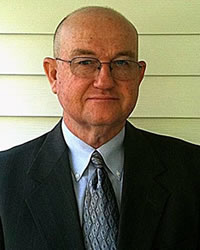
Gary Shepard

The Feast In The Mountain

Isaiah 25; Isaiah 26
Gary Shepard April, 5 2009 Audio
0 Comments

Sermon Transcript

Auto-generated transcript • May contain errors

100%
Turn, please, in your Bibles
this morning to Isaiah chapter 25. Isaiah chapter 25. There are many promises from
God that are associated with a mountain,
a city, and a day. As a matter of fact, the phrase,
in that day, is found in the Bible something over 40 times. in that day. And most often,
this refers to the day of Christ. It refers to that day of grace
that He ushered in, and that extends to His second coming. It is the Gospel age. It is what Isaiah and Christ
called the acceptable year of the Lord. And to be privileged
to live in such a day, though we speak so terribly about the
day in which we live, but we actually live in that Gospel
age in that day. And these references to this
city and to this mountain have a kind of dual meaning. They speak of the city of Jerusalem
on the one hand and that Mount Calvary. And then on the other
hand, they speak to the spiritual heavenly Jerusalem and to what
is called Mount Zion. Look back in the last verse of
chapter 24 here in Isaiah. Verse 23, he says, Then the moon
shall be confounded, and the sun ashamed, when the Lord of
hosts shall reign in Mount Zion and in Jerusalem. He says of that day, the Lord
will reign in Mount Zion and Jerusalem. And not only that,
but oftentimes many are pictured in the Scripture as coming to
this mount, coming to this city at this time like a pilgrimage
of people from everywhere. I don't know how many times it
is spoken of in Scripture in the Old Testament, where there
is pictured these people who are coming from one place and
one direction and the other, and they're all coming to this
city and to this mount. And they are coming because of
something that God does. They are drawn here and they
are blessed so much that they are found rejoicing. They are shown in Scripture as
singing a very unique and special song. And they come to this mount
and to this city because God has first brought down every
imagined stronghold against Himself. He has destroyed every other
city of refuge and every other place of defense. That's all through these pages. Look here in verse 2 of Isaiah
25. He says, For thou hast made of
a city an heap, of a defense city a ruin, a palace of strangers
to be no city, it shall never be built." You see, men by nature
run to every false refuge. They flee to every city defensed
by man rather than God. Look down in verse 5. Thou shalt
bring down the noise of strangers, as the heat in a dry place, even
the heat with the shadow of a cloud, the branch of the terrible ones
shall be brought low. He'll silence that sound of error
and falseness. And then if you look in verse
10, he says, For in this mountain shall the hand of the Lord rest,
and Moab shall be trodden down under him, even as straw is trodden
down for the dunghill. And he shall spread forth his
hands in the midst of them, as he that swimmeth spreadeth forth
his hands to swim." In other words, God will to the right
hand and to the left hand move them aside, work His way through
them and destroy them, bringing them down, and He shall bring
down their pride together with the spoils of their hands. And the fortress of the high
fort of thy walls shall he bring down, lay low, and bring to the
ground even to the dust." My friends, that's the way the Lord
works. We are in such a state as sinners
that the Lord has to literally tear down every other refuge. He has to bring us out of every
false refuge in order to do something for us. And as He does all that
is described here in bringing all these things down and all
these individuals down, He brings down some who though
they have acted as his enemies, he was never their enemy. And although they have been enemies
to him, as Paul says, in their minds, and even though they are
by nature themselves, even as others, children of wrath and
enmity against him, he brings them down and he reduces them
to nothing in order that he might save them. He delivers them by
tearing up their false refuge and their notions of self-righteousness,
and he does so to dwell with them because this was always
his purpose to do. It is a purpose of grace to his
elect. And if you look back where we
read in that twenty-third verse of chapter twenty-four, Let me
finish that verse. He says, Then the moon shall
be confounded, and the sun ashamed, when the Lord of hosts shall
reign in Mount Zion, and in Jerusalem, and before his ancients gloriously. They are described in Scripture
elsewhere as the ancient people. And that is because long before
there was ever raised up a mountain or a city on this earth, they
were, as His people, His ancient ones, that is, chosen by Him
in electing grace Paul says, in Christ, before the world began. And he had not only loved these,
his ancient ones, but he had purpose to save them and to rule
over them and dwell with them, as Isaiah says, gloriously. gloriously. And what does that
mean? That means that He would do this
in such a way, not only that He would get all the glory, but
that they would be forever and ever, as Paul says in Ephesians
1, to the praise of the glory of His grace. And so they are pictured here
as in this pilgrimage, as everything else is torn down and reduced
to dust and ashes, and no other place is found to go, no other
refuge, no other city. They are found making this pilgrimage,
being brought to this mountain and this city in this day, and
there never is pictured in any of these places that they went
by any other mount or city. You see, there are those who
imagine that one must be brought by another mountain before they
are ever brought to this mountain. Turn over to Hebrews chapter
12. You see, this mountain pictures
none other than Mount Calvary, but especially Jesus Christ and
Him crucified. Listen to what it says here in
Hebrews chapter 12 and verse 18, as God writes to his people. He says, for you are not come
unto the mount that might be touched. This is a spiritual
mount. This is a heavenly mount, a heavenly
work. You are not come unto the mount
that might be touched. and that burned with fire, nor
unto blackness, and darkness, and tempest, and the sound of
a trumpet, and the voice of words, which voice they that heard entreated
that the word should not be spoken to them any more." What mount is that? What word
is that? Well, it's Mount Sinai that the
apostle is making reference to. And he is not only making reference
to that mount that Moses went up to and received the law, but
the awful effect of that on those people who were at the very base
of that mountain when God gave that law, That mount being covered
with darkness and fire and smoke and such that they could not
even hear the Word or approach the mount that God dwelled in,
or they would be pierced through and killed. And when that Word came forth
from that mount, they said, please don't talk to us any more. Because all that that mount,
all that that law that God gave to Moses, all that it can do
is condemn us and find us guilty and show us ourselves to be nothing
but sin. Listen to what he says. For they
could not endure that which was commanded. They could not. And you can't,
and I can't, or any other son or daughter or Adam. We cannot
obey. We cannot keep the law. We cannot
endure all that God commands. And if so much as a beast touch
the mountain, it shall be stoned or thrust through with a dart. And so terrible was the sight
that Moses said, I exceedingly fear and quake." That's all that
that mount and that law could do. Men say you have to preach the
Ten Commandments to people. to put them in a sense of condemnation
that they'll seek Christ. That is exactly the opposite
of what the Apostle is saying. Because he turns here immediately
on the next word in verse 22, and he says, But ye are come
unto Mount Sion, and unto the city of the living God, the heavenly
Jerusalem, and to an innumerable company of angels, to the general
assembly and church of the firstborn, which are written in heaven,
and to God the judge of all, and to the spirits of just men
made perfect, and to Jesus, the mediator of the new covenant,
and to the blood of sprinkling that speaketh better things than
that of Abel." What is this? Well, he's talking about the
church of the Lord Jesus Christ as it is represented in heaven
and on earth. And where the true mount is,
where this true new Jerusalem, the church is, There is not burning
and fire and dread and commandments, but there is good news. As a matter of fact, there's
a feast. There's a feast associated with
this mountain, and it is a gospel feast. It's not an entrance by
rule or regulation. It is not a bringing by pressure
or law. It is the spreading of a feast. And all these are not only coming
to this mountain, they're not only coming to this city, but
they're coming to this feast. You see, God spreads a feast
in this city. And if you look down in verse
6 of chapter 25, right there in the midst of God talking about
all that He would tear down and bring to nothing, every other
mount and city, He says, and in this mountain, It's not but one. He's not talking
about a mountain range here. He says, and in this mountain
shall the Lord of hosts make unto all people a feast of fat
things, a feast of wines on the lees, of fat things full of mirror
of wines on the lees well refined." Now, we could spend a lot of
time trying to show in this typology how these descriptions refer
to various things concerning Christ. But what this feast and
these things simply represent is the gospel of Jesus Christ
and Him crucified. And that is because in the cross
death of the Lord Jesus Christ, there is a feast for lost sinners. You know, if you stop and think
about that which would make a meal or a feast to be the very best
feast you ever went to, that would all be bound up in, number
one, what you had appetite for, and need for it to sustain you
and the quality of it. Many years ago, when my dad was
in business, the company that sold him merchandise, they would
have various functions. meetings and you'd go to them,
but we got to the point that we always knew exactly what it
was going to be. It was going to be roast beef
and string beans. And so we didn't ever look really
forward to that part of it at all. Roast beef, string beans,
and them usually cold. That's not a feast. But the feasts
The words that the Spirit of God uses here to describe this
feast in that day describe the very best and the very finest
and the very choices of all that could be eaten and provided. You see, this is a feast for
sinners. And all that can be preached
to men, such as how to live and how to raise your children and
how to do this and that and the other, those things do not address
or provide for the great need that we have. You see, this is a feast for
lost sinners, alienated from God, who have been brought to
an end of themselves, who found themselves needy and having no
righteousness, and poor and hungry for that which will satisfy not
only themselves, but especially God. That's the language of Christ
in Matthew's Gospel. He said, blessed are they. I hear almost every day that
passes, you stop, speak to somebody in passing, total stranger, well,
how are you today? You doing okay today? I'm blessed. not outside of Christ you're
not. He said, blessed are they who hunger and thirst after righteousness
for they shall be filled. How will they be filled? You
see, if the Spirit of God brings these, as they are pictured here,
coming out of their need, coming to where they can find only the
one thing that they find themselves truly needing, which is righteousness. The gospel news is that God,
in grace, in Jesus Christ, gives righteousness as a gift. He imputes it to sinners. That means He charges it to their
accounts. He counts you and I, such as
we are, as righteous by viewing us and putting us in the Lord
Jesus Christ. That's why in the book of Jeremiah,
both he and all these people are described by that same term. He's the Lord our righteousness. He's everything. He has pardoned
for our sins through the blood that He shed. He is life. He is everything. And we find
here in that sixth verse a description. He says, all people, that is,
Jew or Gentile, and the gospel is preached to all, and the feast
is described to all, but they're not all interested. I preach the same gospel. I say
the same thing to every person that comes through that door,
in every place wherever I might be invited to preach, If you
followed me around, I would spread the same table, poorly as I do
it, to everyone, but only the Lord Jesus. can
make this a reality, give us the hunger, give us the thirst,
bring us to the mount, bring us to this heavenly Jerusalem,
cause us to sit down at the feast and eat of the things thereof. Because not only does the King
Himself sit at this table, Not only does the King Himself spread
this feast, the things concerning Him, they are the feast. Hold your place and turn over
to Matthew's Gospel and the 22nd chapter. Matthew chapter 22, we read that
portion in Luke's Gospel. Look over here in Matthew 22,
beginning in verse 1. It says, And Jesus answered and
spake unto them again by parables, and said, The kingdom of heaven. What is that? That's everything
God has to give in His King Christ. The kingdom of heaven is like
unto a certain king which made a marriage for his son. And he sent forth his servants
to call them that were bidden to the wedding, and they would
not come. And again he sent forth other
servants, saying, Tell them which are bidden, Behold, I have prepared
my dinner, My oxen and my fatlings are killed, and all things are
ready." That's my gospel. All things are ready coming down. It isn't make yourself ready. It isn't come and look it over. It is that all things that the
Father gives, He gives in His Son, and everything is bound
up in Him, and what He has done, come and die. Come and die. Come to this mount. Come to this city. Come and die. Now listen. He says, come, unto
the marriage, but they made light of it, and went their ways, one to his farm, another to his
merchandise. And the remnant took his servants,
and entreated them spitefully, and slew them. But when the king
heard thereof, he was wroth, and he sent forth his armies,
and destroyed those murderers, and burned up their city. Then saith he to his servants,
The wedding is ready. But they which were bidden were
not worthy. Go ye therefore into the highways,
and as many as ye shall find bid to the marriage." So those
servants went out into the highways and gathered together all as
many as they found, both good and bad, and the wedding was
furnished with guests. He made a feast, and He put everything
the very best, the most choice, the greatest delicacy, all that
anybody could ever want, and it was the highest offense to
Him that they would not come. My friend, the highest offense
to God, the greatest sin against God, and all sin is against God,
but the greatest sin against God is the rejection of His Son,
Jesus Christ. Because Jesus Christ and Him
crucified is the feast. If you look back in the Old Testament,
in the book of Exodus, what did they do after the Passover lamb
was slain? And the blood was painted on
the lintels and doorposts of their houses there in the land
of Goshen. He said, And they shall take
of the blood, and strike it on the two side posts, and on the
upper door posts of the houses, wherein they shall eat it. And they shall eat the flesh
in that night, roast with fire, and unleaven bread, and with
bitter herbs they shall eat it. eat not of it raw, nor sodden
at all with water, but roast it with fire, his head with his
legs, and with the pertinence thereof. And ye shall let nothing
of it remain until the morning, and that which remaineth of it
Until the morning ye shall burn with fire, and thus shall ye
eat it with your lorns girded, your shoes on your feet, and
your staff in your hand, and ye shall eat it in haste. It
is the Lord's Passover." That lamb, that particular lamb,
was slain. And the blood was painted on
the doorposts and the lintels of those houses of those Israelites. And when the death angel, when
God came through the whole land of Egypt that night, God had
already said, when I see the blood, I'll pass over you. What did that mean? That meant
that the same judgment that was due in every house, theirs as
well as the Egyptians, had fallen on a God-appointed sacrifice
and substitute. What was the evidence of it?
The blood. And when Paul came along, writing
to the Corinthians, this is what he said. He said, Christ, our
Passover, is sacrificed for us. That's why believing on Christ,
is spoken of by Christ in this manner. He said, except you eat
my flesh and drink my blood, you've no part of me. He wasn't
preaching cannibalism. He was talking about a spiritual
partaking. You know, basically, Though we
have far passed that in our day, basically we are to eat to live
and drink to live. We've pretty much turned into
those that live to eat and live to drink. But we are, as far
as necessity, we are to eat to live. And only through and by
our partaking of and feasting on and eating of spiritually,
taking unto ourselves as our great necessity and a very sustenance
of life before God, the crucified Christ, will perish. We have no part
in life. We walk away from the feast and
leave it untouched. that life which God sets for us. You know, even when we come together
in that ordinance that God established for His church, what do we do? Well, I set out the wine and
the bread before you. And men and women do that lots
of places, I'm sure. But the Lord's people do this,
and they do it believing, recognizing that these things are symbolic. What is the bread that Christ
took and broke up? He said, this is my body, which
was broken for you. What is the wine? He said, this
is my blood of the new covenant that was shed for you. And all
we do in that, when we come together, pray to what we will, that's
still bread, unleavened bread, showing that no other work will
suffice, and that's just wine. But we eat of that bread and
drink of that wine, looking to and thinking of Christ and Him
crucified. It's a feast. It's not a pity party for Jesus. No, it's a feast. It's a feast. But we're so blind, blind to
Christ and all that is in Him, that God has to open our eyes
to see Him, to see the feast, to desire Him, He has to reveal
it to us. Look at that seventh verse. And He will destroy in this mountain
the face of the covering cast over all people and the veil
that is spread over all nations. Now you just imagine. You are blind. You are deaf. You have no sense of taste or
smell. And somebody walks you up before
the most magnificent feast that's ever been spread. What does that
mean to you? Absolutely nothing. But just suppose that you received your sight.
Just suppose you received your hearing, your sense of taste
and smell. It would be a whole different
story, wouldn't it? And we as sinners, we live in
this life, we may be bridging about a million different things,
but when it comes to the things of Christ, we can sit right down under the
Gospel, we can open up the Bible, we can hear a sermon. It doesn't mean anything to us until the Lord. causes us to
see this feast of which it is necessary to eat and live. Eat and live. But look in verse
8 what it says he'll do. He will swallow up death in victory,
And the Lord God will wipe away tears from off all faces, and
the rebuke of his people shall be taken away from off all the
earth, for the Lord hath spoken it." Now amazingly, that never
happened to any of these people in any of these other mounts. They didn't experience this in
any of these other cities. They'd eaten of a lot of various
things to try to satisfy their problems, their needs, their
guilt, their conscience, all these things. That never happened
there. But it happens to every one of
these that he brings. It happens in a measure, a great
measure, when he first brings them to hear the gospel and believe
on Christ. But oh, how it will really happen
when Christ comes again. This is something he said he'll
do. What will he do? Swallow up death in victory. In Hosea, he makes this prophecy,
I will ransom them from the power of the grave. I will redeem them
from death. O death, I will be thy plagues. O grave, I will be thy destruction. Repentance shall be hid from
mine eyes. Christ said through the Apostle
Paul, the last enemy that shall be destroyed is death. So when this corruptible shall
have put on incorruption, and this mortal shall have put on
immortality, then shall be brought to pass the saying that is written,
death is swallowed up in victory. Paul, writing to Timothy, said, all the purpose of God,
the grace of God, all things are now made manifest by the
appearing of our Savior Jesus Christ, who hath abolished death
and hath brought life and immortality to light through the gospel. Hebrews 2. He says, For as much then as
the children are partakers of flesh and blood, he also himself
likewise took part of the same, that through death he might destroy
him that had the power of death. that is, the devil, and deliver
them who through fear of death were all their lifetime subject
to bondage. What were they all their lifetime
subject to, this bondage? Death, and especially the fear
of death. chose them in that covenant,
this was a reality. When Christ came into this world
in that flesh and blood, it was a reality. When He brings each
and every one of them to believe on Christ and trust His finished
work, it's a reality. And when He comes again, it will be a reality. Revelation
21, it says, And God shall wipe away all tears from their eyes,
and there shall be no more death, neither sorrow nor crying, neither
shall there be any more pain, for the former things are passed
away. Now, hear these pilgrims. He's tearing everything down.
There's nothing left for them but to run to this mount. There's
nothing left for a sinner to do but to run to this new Jerusalem. To be found in the church of
the Lord Jesus Christ. That spiritual city and mount. And that through Christ and Him
crucified. And what do they do? We'll look in verse 9. And it
shall be said in that day. All these are going to say it.
Not everybody, but all these who are brought to this mount
and to this feast. And it shall be said in that
day, Lo, this is our God. You know, I can almost remember
the moment when it seemed like that God
brought all the verses of Scripture into my mind, so many of which
I had tried to kind of put away. But when He brought them all
into my mind, to show me the reality of it. And one of my first thoughts
is this, now this is God. Now this is the way God must
be. Now this is the way and the only
way sinners are saved. This is my God. They can have all their gods
they want. But this one is my God. This is our God. We have waited
for Him, and He will save us. This is the Lord. We have waited
for Him. We will be glad and rejoice in
whose salvation? His salvation. You see, that's the only salvation
to rejoice in, being His salvation. Like Jonah, salvation is of the
Lord. Salvation is in Christ. Salvation is by our being made
the righteousness of God in Him, and Him being made sin for us. He is God, our Savior. And then they sing. Do they get
busy to make sure they stay safe? No, He's the Savior. And their
business from that day forth is to rejoice and praise Him. Look down in the first verse
of that next chapter, which is just a continuing on. In that
day shall this song be sung in the
land of Judah. And then there is a semicolon
there, and here's the song. Now, this song is going to be
sung in this mount, In this city, which is in Christ and in His
church, this is a song. We have a strong city. Salvation will God appoint for
walls and boards. Those are fortifications, walls
and boards. What is our safety and our security? It's in what God's done. It's
in our God. It's in Christ and that work
He's accomplished in our behalf. It's in His blood. And He says
also, He says, Open ye the gates that the righteous nation which
keepeth the truth may enter in. And then look at that third verse.
Thou wilt keep him. Who? Whoever it is in that city. Thou wilt keep him in perfect
peace, whose mind is stayed upon thee, because he trusteth in
thee. Everybody is wanting peace. Here
is perfect peace. Because trusting Christ, we trust
in the fact that He made peace by the blood of His cross. He made peace on our behalf with
God by what He did on that cross. And He will keep in perfect peace. Those whose mind is stayed on
Him because they trust in Him. Then look at what he says. Trust
ye in the Lord forever. Flee every other refuge and run
to Christ. Run to this city. Run to this
feast. Eat thereof. Trust in the Lord
forever, for in the Lord Jehovah is everlasting strength. And there is no strength, there
is no salvation, there is no hope in any other. In the Lord. In the Lord Jesus
Christ is everlasting strength. There's a feast in this mountain. There's a feast spread when the
gospel, the true gospel is preached in the church of the Lord Jesus
Christ. Come and dine. Eat and live. All things. Right now. Yesterday. Tomorrow. Doesn't
matter when it will be. All things have been made ready. Well, I need to... No, you don't. Ready. Finished. That's what Christ
said on that cross. It's finished. Our Father, this
day we give you thanks for such great and wondrous and eternal
grace that you give to us in Christ. Bring all your people. Bring down every false refuge
and cause us to run in our hearts and minds to Christ alone. Give us that peace in Him whereby
we might always, in thinking upon Him and trusting in Him,
have that perfect peace. We thank you for your great condescending
grace whereby you give us such a plain picture in the passage of Scripture such
as this. Bring us unto yourself. Give
us faith and repentance. For we pray and ask all things
in Christ's name. Amen.
Gary Shepard
About Gary Shepard
Gary Shepard is teacher and pastor of Sovereign Grace Baptist Church in Jacksonville, North Carolina.

Comments

0 / 2000 characters
Comments are moderated before appearing.

Be the first to comment!

Joshua

Joshua

Shall we play a game? Ask me about articles, sermons, or theology from our library. I can also help you navigate the site.