Bootstrap
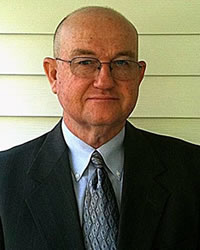
Gary Shepard

Mercy For The Blind

Mark 10:46-52
Gary Shepard February, 22 2009 Audio
0 Comments
Gary Shepard
Gary Shepard February, 22 2009

Sermon Transcript

Auto-generated transcript • May contain errors

100%
Turn in your Bibles this morning,
if you would, to the Gospel of Mark. Mark chapter 10. And I want to read some verses
from Mark chapter 10. And I call this message simply
Mercy for the blind. And I hope by the time that I'm
finished that the Lord will help us to see this glorious picture of His mercy in Christ. Verse 46. For they came to Jericho. And as he went out of Jericho
with his disciples and a great number of people, blind Bartimaeus,
the son of Timaeus, sat by the highway side begging. And when he heard that it was
Jesus of Nazareth He began to cry out and say, Jesus, thou
son of David, have mercy on me. And many charged him that he
should hold his peace. But he cried the more a great
deal, thou son of David, have mercy on me. And Jesus stood still, and commanded
him to be called. And they called the blind man,
saying unto him, Be of good comfort, rise, he calleth thee. And he casting away his garment,
rose, and came to Jesus. And Jesus answered and said unto
him, What wilt thou that I should do unto thee? The blind man said
unto him, Lord, that I might receive my sight. And Jesus said
unto him, Go thy way, thy faith hath made thee whole, And immediately
he received his sight and followed Jesus in the way. Now, the Lord Jesus Christ did
many, many miracles. As a matter of fact, in one place
it tells us that if all that he had done were written in books,
then the world could not contain the books. And these miracles
that he did, these healings that were done to many, they were
first of all to confirm that he was the Christ. If you remember John the Baptist
from prison, sent a message to Jesus and asked him if he was
the one or should we look for another. And among the things
that our Lord sent back to him in a message was this. He said,
tell John that the blind see. But not only were these miracles
and these healings done to confirm that He was the Christ, but they
were also done to show the picture of the spiritual condition of
us as sinners and the fact that He alone can cure our case. All of these ailments, all of
these infirmities that he dealt with, they are simply spiritual
pictures of the condition of all of us as fallen sinners. And so this morning, I want us
to look at and to focus in on one of these miracles and one
of these pictures in the verses that we have read. Notice this
man in, first of all, who he was. If you look back at verse
46, it tells us of all that could be said about this particular
man, that he was a blind man. And not only was he a blind man,
but it seems like, by what is said here, calling him also the
son of Timaeus, that he was not only a blind man, but he was
the son of a blind man. So it would appear like that
he has a kind of double infirmity. And he is used of Christ here
to show us and to accurately describe us in that we are spiritually,
by nature, in ourselves blind in a greater sense. And not only
that, but we are thus because of our relationship with our
Father, whose name was Adam. So here we are, spiritually bind,
and the sons and daughters of a blind man, like beginning light,
so that when Paul describes us all as we are in ourselves, this
is what he says. He says, but the natural man,
that is, every one of us by nature and by birth, But the natural
man receives not the things of the Spirit of God, for they are
foolishness unto him. And neither can he know them,
because they are spiritually discerned. And when you go back
under the Old Testament economy, under the law that God gave to
Moses, God would not receive of anyone any sacrifice that
was blind. Listen to what he tells us in
Leviticus 21. For whatsoever man he be that
hath a blemish, he shall not approach, a blind man, or a lame
man, or he that hath a flat nose, or anything superfluous." He
could not be a priest of God. He could not, if he was a blind
man, enter into the presence of God, or do any service to
God, because God required that which was perfect. And then we
read this in Deuteronomy 15. He says, And if there be any
blemish therein, as if it be lame, or blind, or have any ill
blemish, thou shalt not sacrifice it unto the Lord thy God. And so in all these things, even
under the law, it was pictured that God could not accept any
sinner anyone less than what he required and demanded as the
holy God. And so we are not only in this
case by birth, but our blindness is also increased by false religion. Turn over to Matthew's Gospel,
chapter 23. Matthew chapter 23, and listen
to what the Lord Jesus Christ has to say particularly about
those who were the religious leaders and preachers and teachers
of his day. Listen to what he says to them
in verse 23. Woe unto you, scribes and Pharisees,
hypocrites, for you pay tithe of men and anise, and cumin,
and have omitted the weightier things or matters of the law,
judgment, mercy, and faith, these ought ye to have done, and not
to leave the other undone." Now listen to what he calls them.
"'You blind guides, which strain at a gnat, and swallow a camel,
Woe unto you, scribes and Pharisees, hypocrites, for you make clean
the outside of the cup and of the platter, but within they
are full of extortion and excess. Thou blind Pharisee, cleanse
first that which is within the cup and platter, that the outside
of them may be clean also." He calls these people who I'm sure
if they were living in our day would be regarded as holy people
of God even more than they were in their day. He calls them blind
guys. Now listen to what it says in
Matthew 15. He says of them, let them alone. They be blind leaders of the
blind, and if the blind lead the blind, both shall fall into
the ditch. Not only are we born spiritually
blind, not only are we blind by virtue of our association
with our father Adam, Not only are we led into further and deeper
blindness by those who are blind guides themselves, but we also
suffer from a great blindness as a consequence of the influence
and deceit of the devil. Listen to what our Lord says
through this man that has given us so many of the epistles, the
Apostle Paul. He says, but if our gospel be
hid, could that be that something as glorious as the gospel of
the Lord Jesus Christ, called the gospel of God, the gospel
of His grace, could it be that the gospel is hid to many? Absolutely. He says, but if our
gospel be hid, It is hid to them that are lost, in whom the God
of this world hath blinded the minds of them which believe not,
lest the light of the glorious gospel of Christ, who is the
image of God, should shine unto them." And when he talks about
this blindness, he makes us to know that it is not blindness
of eye, but he says it's a blindness of mind. That the God of this
world has blinded the minds of those who believe not. They are
blinded to the glory of God, the glory of Christ in the gospel. And this blindness has far greater
consequences than if we had physical blindness, because it renders
us, as we are in ourselves and apart from God's grace, it renders
us unable to see and to understand the truth. It makes us unable
to behold the glory of God, Unable to see and admit to our own condition,
unable to see the beauty of the King. Where did Paul say that the glory
of God was? The blessing of God. What is
it that Satan is trying to hide from man? by holding up between
them and Him their own selves and a multitude of other things.
It is the glory of God in the face of Jesus Christ. And you know, this is exactly
what Isaiah is led by the Spirit to say. Speaking of Christ, he
said, For he shall grow up before Him, as a tender plant, and as
a root out of a dry ground, for he hath no form nor comeliness,
and when we shall see him there is no beauty that we should desire
him." You see, our sight to all that
is good, and all that is of God, especially all of the blessings
of His grace are in Jesus Christ, and by the natural eye, by the
natural mind, by our natural understanding, we cannot see
anything in Him and about Him that we really need. that we really would desire.
And so he goes on and he says, he is despised and rejected of
men, a man of sorrows and acquainted with grief, and we hid, as it
were, our faces from him. He was despised and we esteemed
him not. Years ago, we used to sing a
song, and it went something like this, Let others see Jesus in
you. How foolish! How utterly foolish! And the reason being is that
men and women who looked Him standing bodily in their very
presence beheld Him in His face, they didn't see Jesus in Jesus. Why? Because of this blindness. As a matter of fact, if you read
this text again very carefully, you'll find that it says that
there's a great multitude walking along with Jesus and His disciples. But we don't have any record
We don't have any record that anyone was enabled to see Jesus
for He who He was, but this blind man. You see, this blindness is in
part because we will not see. It is because we, by our nature
and sinfulness, refuse to look. And as somebody said years ago,
therefore there is no blindness, there is no blind man that is
any more blind than that person who will not see. It is a blindness. And you cannot,
and I cannot for sure, regardless of what ability I might have,
which I have little, but if I had great ability to explain and
to do a kind of apologetic on all the issues of Scripture concerning
Christ, I could not by my power, by my ability, nor could you
by yours ever be enabled to see the truth. He doesn't say that our sight
is dim. He doesn't say that we're unclear
of vision concerning the things of God. He says that we are blind. Now, I've used this illustration
many times, but I believe it's true. And that is, if a blind
person is come into this building this morning and they are not
able to see. We could take whatever strength
light bulbs are in this place and take them out and put bulbs
of a higher wattage and they still would not be able to see
because the fault is not in the light, it is in their inability
to see. He said, you're blind. You're
blind. Or if I say to a person who's
blind, that was a beautiful sunset last week, one afternoon. And they say, well, I don't believe
it. I didn't see it. But that doesn't
mean that it did not exist. And likewise, the truth, just
because you might not be able to see it or I might not be able
to see it, the truth concerning Christ and concerning who we
are and who God is ever remains the same. It is the light whether
we in our blindness can see it or not. And this man's blindness had
made him a beggar. It had reduced him to begging
for everything that he needed to sustain himself. He had been
brought to be a beggar of all things and from all people, and
there is nothing that depicts us any more than his blindness
other than his beggarhood. I know what we think by nature,
though. We think by nature, as Christ
describes us in the Revelation, that we are rich and increased
with goods. And we'll never, though we are
beggars, though we are dependent, on God for everything we have,
from the least breath of air to the greatest need we have,
though we are totally dependent on Him, we are proud and say
to ourselves and God, we are rich, increased with goods, and
having need of nothing. But my friends, we are beggars
to God. We are, whether we actually beg
God or not, beggars to God for His grace and beggars to God
for His mercy, and we'll have nothing of any
substance. We'll have nothing of any consequence
eternally and spiritually until we are brought to our knees before
God to beg Him alone for mercy. I thought about it. We are so
blind that men and women can tell us falsehoods about what
we are, and we'll believe it. I've oftentimes seen, and I won't
name any names, but I've seen blind performers. They are musicians or whatever
they are, and they'll be dressed in such utterly ridiculous outfits. that I think to myself, how in
the world would they ever come out in public dressed in such
a ridiculous outfit? And then it comes to my mind.
Because they're blind. And because somebody told them
they look good. And preachers all over this world
and individuals will stand up and tell men and women how good
they are, how valuable they are, how nice they are, how ready
for heaven they are, how brilliant they are, when they believe it,
not able to see themselves for actually how they are. It doesn't
matter what God says. Here is this blind man, And He
is a picture of every one of us apart from the grace of God. And we are nothing and have nothing
and can do nothing to please God or atone for our sins. We have no ability to satisfy
His justice. All right, here's the second
thing. Where was He? Where was He? Well, if you look
back in verse 46, it says that he was in Jericho. Now, he wasn't in the heart of
Jericho. He was on the fringe of Jericho. But he was in Jericho,
which is described in Scripture as utterly the place of the curse. It goes back a long way. back
in Joshua chapter 6, in that conquest of the city of Jericho,
when it says, And Joshua adjured them at that time, saying, Cursed
be the man before the Lord that riseth up and buildeth this city
Jericho. He lived in a place under the
curse of God. But what Jericho was in itself
as a city, this is exactly where we live in this world that is
under the curse of God. God is going to destroy this
world as it now is. I don't know all the details.
I certainly cannot explain it all, but I know that he has said
that like as he destroyed it the first time by water, he will
destroy it again the next time by fire, and even the elements
shall melt with the purifying heat of God. And Peter said, men say, well,
he's been saying that for a long time. Yet where is the promise
of His coming? And God says that the same Word
that stayed or brought the flood the first time is the same Word
that stays or will bring that judgment by fire the second time. Why? Because this earth is cursed
of God. When Adam and Eve sinned in the
garden, and you and I sinned in Him, it all and we all fell
under the curse. You see, we are liars before
a God of truth. We are cursed in ourselves and
our world because of sin. And we are sinners before a God
that hates sin. You mention sin in our day, and
people laugh. Sin is an offense to God. And He tells us that every one
of us have sinned and come short of the glory of God. And you
go all the way back to the book of Genesis, And he said unto
Adam, Because thou hast hearkened unto the voice of thy wife, and
hast eaten of the tree of which I commanded thee, saying, Thou
shalt not eat of it, cursed is the ground for thy sake. In sorrow
shalt thou eat of it all the days of thy life. He said even
the ground is cursed. You go out in your yard, you're
digging your flowers, and the grass, the thorns, the thistles,
the briars, they all keep coming back, coming back again. Why
is that? Because the very ground is cursed. And not only that, in Deuteronomy
he says this, "'Cursed be he that confirmeth not to all the
words of this law to do them.'" The Pharisees used to take little
portions of the law that God gave and they would write them
on these little pieces of parchment and they would roll them up in
scrolls and tie them to their garments or tie them to their
beards, walk around and showing everybody that. That's not what
He said though. He said, Cursed is every one
that continueth not in the things of the law to do them. Do them. Jeremiah, thus saith
the Lord, Cursed be the man that trusteth in man, and maketh flesh
his arm, and whose heart departeth from the Lord. And you know that hasn't changed.
Paul writes in Galatians, and he says, For as many as are of
the works of the law are under the curse, for it is written,
Cursed is every one that continueth not in all things which are written
in the book of the law to do them. Somebody said, well, I just live
by the golden rule. Or, I just do the best that I
can. When the truth is, that's not
good enough. It may be good enough for you. It may be good enough for your
friends. It may be good enough for your
religion. But it's not good enough for
God who requires absolute perfection. who requires absolute righteousness. This man, like us, lived in a
place under the curse and more so living in a world in which
all are under the curse. But I want you to notice this,
and that is the one that came by. The one that came by. You see,
he never could have found Jesus. You know, you've got all these
people, they say they're looking for Jesus, or they're looking
for God, or searching for the truth. Blind people can't do
that. You'll never by your searching
find out God. You'll never by your natural
intellect, you'll never by your natural inclinations ever seek
for anything outside of your own self. But when you look over here in
Mark chapter 10 and verse 46 and 47, it says that the Lord
Jesus Christ came by. He came by. It says in this description of
the Lord Jesus, it calls Him Jesus of Nazareth. What does
that mean? It means He was that One who
came out of that town on this earth called Nazareth. It speaks of His humanity. It tells us that this one was
not an angel that flew down from heaven on an occasion. He was
not one who simply walked here for a few days, but he is one
who was born here, born in Bethlehem, raised up in Nazareth, and who
walked on this earth in human flesh as a man. Jesus of Nazareth. How did He come walking by? He
came walking by on two feet, just like you've got. He came
walking by in human flesh. He came walking by looking as
far as His features and face were concerned, I'm sure, no
differently than most of the Jews of His day. But more than that, He is the
Son of God who came into this world, to this state, and to
this condition, and to this poverty of this man. And just like that
Samaritan, He came where He was. No man can ascend up into heaven
saving himself. No man, no woman left to themselves
can ever do anything other than perish. And if He doesn't come
to where we are, first of all, if He hadn't come into this world, everyone would perish. How many times have I told you
this? That Jesus, the Son of God, the
second person of the Godhead, when you stop and think of what
He as the Son of God could have done from heaven as God, it is
amazing the almost limitless things that He could do for mankind
in this world except for saving him from his sin. You say, what do you mean? I
mean that the only way that He could save men from their sins
was to become a man, and as a man, as a perfect man, to hang there
on that cross between heaven and earth, and as a man, lay
down His life for sinners. He came as the Son of God. He came as the God-man. He came into this world where
we are, and He comes to His people. Sometimes I get very discouraged. But I know this, that the Lord,
as the great shepherd of the sheep, He will seek and He will
find out every one of His sheep and He will bring every one of
them into His fold. He came to where this man was
to give us a picture of that great truth that He comes to
where every one of His people are. I don't care how far outreaching
they may seem. They may be in the darkest part
of Africa. They may be in any foreign country. But He will seek and save that
which was lost. He will bring forth. He not only
died for them, but He'll bring forth. He'll come to where they
are with the gospel and reveal Himself to them and bring them
to believe on Him. He's not wondering where His
sheep are. He's not wondering whether or
not they'll believe on Him. He is manifesting. The Scripture
says that the Lord waits that He might be gracious oftentimes,
and He'll bring every one of them of the sheep that I have,
he said to those Jews that are not of this foe, them also I
must bring. All that the Father giveth me
shall come to me, and when they come to me, I'll in no wise cast
them out." That's the amazing grace. That's
sovereign grace. That's what we mean, that God
in His divine sovereign power not only will act as God, but
He'll bring and save all His people. from their sin. And my friend, he's come by again
today in the gospel. That's right. He never is nearer
in this time, in this day, in any place than he is when he
attends the gospel that gives to him all the glory The gospel
that he uses to call and save his people from their sin. But it says here in this 46th
verse that he also went out of Jericho. There are a lot of people who
heard the gospel in another day, had no interest in it, and they're
not hearing it anymore. There are no accidents with God. But it says here that it was
as he was going out of the city. The Scripture says we are to
seek the Lord when he may be found. Nobody
seeks the Lord unless he first has sought them. But when he
seeks us, it causes us to seek him. It brings us to this emptiness
of ourselves. It causes us to see our desperate
condition. And He puts in us this desire
to know God as He is and to be saved by God altogether in Jesus
Christ. And it causes us to hunger and
thirst after righteousness. And He said, He that hungers
and thirsts after righteousness shall be filled. shall be filled." Why? Because God put that hunger in.
God put that thirst in. Well, what did this blind man
do? Verse 47 says that he cried out. He didn't say, well, I just believe
since Jesus is coming by this day and He's given this great
invitation, I believe I'll accept Him as my personal Savior. That's
not what a beggar does. That's not what a beggar does.
It says that he cried out. Why? Because his only hope, his
only hope was passing by and leaving out of Jericho. His only hope. How many hopes have you got?
I can tell you for one sinner. I sat there in my chair this
morning, and I thought, I can't say for anybody else, but
for me, there's just one hope. There's just one way. There's
no way that I could ever be saved from my sins. There's no way
that I could ever have any favor from God. There's no way that
I could ever enter into His holy heaven. but the one way of His
grace, Jesus Christ. How did He address him? He said, Jesus, Thou Son of David,
have mercy on me. You know, if you just read by
that, without even stopping to think,
or without even asking the Lord to teach you what's going on
here. It's just another story. But
he called out, he cried out to Jesus as he's passing by, and
he not only calls Him Jesus, but he calls Him something that
we don't hear anybody else here calling Him. He said, Thou Son
of David. And I suppose if there was one
title, Ben, that in the Old Testament was given for the Messiah, the
Christ, the one thing that they all seemed to know about Him
was this. He's the Son of David. Jesus,
thou Son of David. He's saying, you're the Christ.
He is acknowledging this One passing by, walking in human
flesh, dressed in the garments of poverty as far as this world
is concerned. He is calling Him the King, Thou
Son of David. They all seem to know that about
the Messiah. Oh, He'll be the Son of David.
But the Lord Jesus, when He came, When he asked him, who will be
the Messiah? They gave him the answer. What
will he be called? The son of David. He said, well, tell me this.
Answer this question for me. Why did David, if he's David's
son, call him Lord? How can he be? David's Son after
the flesh, and yet David's Lord? Well, how can He? Because Jesus Christ is the God-Man. It means that here He is As far
as this human lineage is concerned, born of Mary, he is David's son. And yet, as God manifests in
the flesh at the same time, and no less, he is David's Lord. And if you ever see that, You'll
have seen a great thing, how this man is nonetheless than
David's son and David's Lord. He's that great mystery of godliness
that God was manifest in the flesh. And he calling him and
recognizing him by that name, You see, the Bible says, Whosoever
shall call upon the name of the Lord shall be saved. But Paul
said, How can you call on Him of whom you have not heard? And
how can you hear except God send you someone to preach the gospel
concerning Him? He said, Jesus, thou Son of David, Have mercy on me. Have mercy on me. Do you know
what it means when you call on God for mercy? You are confessing
yourself as one who does not deserve anything from Him but
His wrath. Because mercy has to do with
the kind treatment of one who has set himself against you as
your enemy. And that's what every sinner
is, Paul says, in their mind. In their minds they made themselves
enemies to God. They'll say, no, I love God.
No, you love this fantasy God. But your natural mind is enmity
against the true and the living God. And only the Spirit of God
can do that work of grace in us whereby this enmity is removed
and instead faith that believes on him, that acknowledges him
for who he is. He said, Lord, I don't deserve anything from
you. As a matter of fact, I deserve wrath from you. But have mercy on me. Though
I've shown myself toward you as your enemy, rejected your
word and lived in such a fashion that demonstrated it, I'm confessing
before you my need and my guilt and my helplessness. Have mercy
on me. I have to call out for mercy
every day. I need mercy. You say, well, you're a preacher
of the gospel. I'm a sinner who every day needs mercy. I
find myself like this man almost every hour. Have mercy on me.
How could I ever thought such a thought? How could I have ever
done such a thing? How could I have ever said such
a thing? How could I have ever been so careless and so faithless
and so full of unbelief and so vile in myself? I'm crying out
like Paul, O wretched man that I am, have mercy on me. You need mercy. Did you hear that psalm we read? It's all over this book that
the Lord is plenteous in mercy. How could he ever have mercy
on this man? Because he was going to the cross
to die in his place and suffer the just condemnation of God
for his sins. That's the only way. That's the
only way God can have mercy on any of us in Christ. As a matter
of fact, He's called the mercy of God. Well, they tried to silence Him.
As a matter of fact, in the Greek here, it gives an idea that they
threatened Him. They said, you shut up. We've
got this great teacher coming through, And we've got a lot
of questions we want to answer, but here you are, a ragtag blind
man. Be quiet. But there's two things to note
here. That sinner that truly cries out to God cannot be stopped
from crying. And neither can the Lord ever
refuse to hear their cry. I don't care how full of tumult
there is in this world. I don't care how much loud crying
there is from one voice or another voice. I don't care how much
of a fuss and a frenzy there comes in this world. That sinner,
wherever they are, whoever they are, that is found in their heart
crying out to God in Jesus Christ for mercy, then they'll be heard. They'll
be heard. Why can you be so sure? Because
if they're crying out to Him for mercy, He's the one who stirred
that cry in their heart. He'll hear them. It says that
the Lord Jesus Christ, when this man cried out, just can you imagine? He goes to great trouble here
to say that this was a great number of people. And then here
are all the disciples immediately around him. Here's a blind man crying out
for mercy. It says he stood still. I love that. He hears their voice, and they hear His voice. You see, I don't doubt that somewhere
before this hour, this man had heard some things about the claims
of Jesus Christ. But he says He's God. You know
there are people in our day right now who say that Jesus never
made any claim that he was God? I'll tell you what, the Pharisees,
when they heard what he said, he said, what miracles do you
want to stone me for? They said, we don't want to stone
you for any of the miracles you've done. We want to stone you because
you've made yourself to be God. He stood still. I'll tell you, you know, I've
watched mothers over the years. Dads are not so good for this,
but they can sleep through, you know, a war, I guess. But mom
can be sleeping the other end of the house at night, at dark,
worn completely out, and when that little child cries out, That's the way Christ is. And He calls His people. That's what it says here. It
says that He stood still and He commanded Him to be called. Christ didn't come to call the
righteous to repentance, but sinners. I read this book and I think,
oh, you know, could he be talking to me? If he had here before me a list,
that list written in his indelible blood there in the Lamb's Book
of Life, if he had the name of Gary Shepherd written right on
this page of this book, You know what I could think?
What I would think? I think, well, he's probably
talking about that Gary Shepherd that was on ABC News. But when it says that he died
for the ungodly, when it says that he came into this world
to save sinners, He speaks my name. He speaks
my name. And you know what those fellows
he sent to him said? They said, be of good comfort. Why? It's because the Master
is calling for you. And my friend, that's what the
Gospel is. It is good news. The gospel is
not how you're to live in this world. The gospel is not the
law. The gospel as its very name means
good news. If you tell this sinner something
to do in order to be safe, you've done me no favor. But if you tell me that Christ
did it all, If you tell me that He finished the work, if you
tell me that it's His life and His death that is everything
before God, if you tell me that He actually saved His people
from their sins, man, that's the best news I ever heard. That's
the only comfort that a sinner can have. Be of good comfort. He called him. You know, the Bible refers to
the Lord's people that He saves as the called. And the fact that He calls them First of all, you might say outwardly
by the gospel. I believe that these two callings
are pictured in the Scripture in one sense. On the one hand,
in Luke 14, when he first sends them out to bid them to come
to this feast, that's what it says. He said, go out and bid
them to come. That's what I'm doing. I bid you come to Christ. I'm
not talking about a trip down the aisle. Come like that thief
hanging on the cross stand with his hands and his feet nailed
to the cross. Come in heart and mind, your
whole being. Come to Him and leave everything
else behind. Your false professions of religion,
I had two or three of them at least. Your works that you thought were
so good, you know, that little string of Sunday school pens,
you know, that made you look kind of like a third world general
you're so proud of. You see, when Christ called this
man, it said he threw off his cloth. That's nothing but the
old filthy rags of our self-righteousness. And that's what God says they
are. Why? Because he's going to get
something better. And that imputed, glorious righteousness
that old Bunyan spoke about, he had a booklet called The Glory
of an Imputed Righteousness. What is that? It's by God in
His grace making us the righteousness of God in Christ. That's that white linen that
the saints wear. They said, what is it? That's
the robe of righteousness. He cast away his garment, dirty,
ragged, filthy garment of a blind man, just like a sinner who's
saved by Christ casts away and repents of his own fig leaf covering
and filthy rags, forsakes all other helps and works and religious
ties, hating that old spotted garment, putting off that old
man, putting on Christ. and only Christ. He said, what do you want me
to do for you? Have mercy on me. Don't give me health. Don't give
me money. Don't give me ease. Don't give
me food. Give me sight. And you know the wondrous thing
is, Christ had already given Him sight. He had already been healed before
He ever had His natural eyes opened. Because He had been enabled
to see and to know who Jesus Christ was and to trust Him. Jesus, Thou Son of David, have
mercy on me. If he'd been left in his natural
blindness from that day on, he'd still have the most important
sight, which is the sight of faith. He had been able to behold
the glory of God, the glory of His grace in the face of Jesus
Christ. What did he say to him? rise, and he said, go your way. He didn't say, now you're going
to have to follow me and be a good disciple, you know that. He didn't
begin to catechize him in some way and make sure he got him
locked in. He said, go your way. What did he do? He went his way.
But that's because Christ was in our way. There's nothing binding about
being a believer. Paul called it the spirit of
liberty. He's become that willing bondservant
who now, after a period of time in the Jubilee, after he's served
his time under his Master, he's now free to go do whatever he
wants. But the thing is, it says he
loves his Master. He loves his family. That's who I love. I love my
Master, and I love his family, the Lord's people. He said, I don't want to go out.
I want to stay in your house. And so they take him down to
the place where all the legal things were taken care of, and
they would take an all appointed thing, like what we used to call
an ice pick. You know what an ice pick is?
And they would punch it through his ear, bore his ear. And everybody would see him the
next day. He'd be walking around, serving
his master, doing everything he'd done before. But they would
know one thing was different, and that was he was now doing
what he did because he wanted to. He was doing what he did
out of love for his Master. He was doing what he did as a
free man, like believers are free men and women in Christ. He said, Go thy way, thy faith
hath made thee whole. Did that mean that his act of
faith had made him whole? That's what people say. If you
just believe, you'll be saved. No. God-given faith does not trust
itself It does not trust the act of faith, it trusts Him who
is the object of true faith, the Lord Jesus Christ. He is our righteousness, and
He is the righteousness which faith receives, the one in whom
faith looks, Jesus Christ the righteous, and the one that faith realizes as everything. Everything. Then it says, and immediately,
he received his sight. Rather anti-climatic, don't you
think, in a way. A great thing to receive your natural
sight. but a better thing to receive
spiritual sight, to know Jesus Christ and Him crucified as our
Lord and Savior. Well, it says that he followed
Jesus in the way. That's what sheep do to the shepherds.
The shepherd doesn't have to drive. The shepherd moves along
on his course and the sheep follow him. They do what they want to do. Somebody said, well, you sin.
Believe in what you folks believe in. That just means a person
can sin all they want to. No. If you know the truth, believers
sin more than they want to. They don't want to sin. But they
know, as John says, if any man sins or when anyone sins, they
have an advocate with the Father, Jesus Christ the righteous. I'll tell you, I'd invite you
to do what I'm doing this morning one more time. This one I see here, I say in my heart, Jesus, Thou
Son of David, have mercy on me. You have had mercy on me, and
don't stop now. You can have mercy on me because
you're the sovereign God, and you said this is your glory,
that you would have mercy on whom you'd have mercy. You can
have mercy on me because the Lord Jesus Christ, He is the
mercy performed in His sacrifice and death for sinners. You can
have mercy because your Spirit is able to make me call out to
you, to hold up myself as an empty vessel
that you might fill it. We're blind of ourselves, but
there's mercy for the blind. Can you see them? Can you see a desperate state? Can you call out to Him in your
heart of hearts? If you can, He'll answer with
mercy. And like this blind man, if you
can, He's already shown mercy. Our Father, this day we give
You thanks and we praise You for this matchless mercy so indescribably
glorious that you show the poor sinners like we are in the Lord
Jesus Christ. We thank you for Him. We thank
you for that work of righteousness which He accomplished in His
suffering and death. We have no other hope but Him.
No other righteousness. no other piece, no other garment,
give us grace that we might believe on Him and follow Him. May everything be done according
to Your will, accomplished by Your power and for Your glory. Help us as we depart from this
place that the evil one would not steal away the precious seed
of the gospel. Cause the seed of your word to
spring up in a heart prepared that in all things we might be
saved by your grace and for your glory. For we pray and ask it
in the name of Christ. Amen. Good, good.
Gary Shepard
About Gary Shepard
Gary Shepard is teacher and pastor of Sovereign Grace Baptist Church in Jacksonville, North Carolina.

Comments

0 / 2000 characters
Comments are moderated before appearing.

Be the first to comment!

Joshua

Joshua

Shall we play a game? Ask me about articles, sermons, or theology from our library. I can also help you navigate the site.